The Ultimate Guide to AI Citation Building: Getting Featured in ChatGPT, Claude, and Perplexity

The Ultimate Guide to AI Citation Building: Getting Featured in ChatGPT, Claude, and Perplexity
Did you know that 73% of Gen Z now uses AI search engines as their primary research method, and over 40% of all online queries in 2026 flow through AI-powered platforms? If your content isn't optimized for AI citations, you're missing out on a massive opportunity to reach your target audience where they're actually searching.
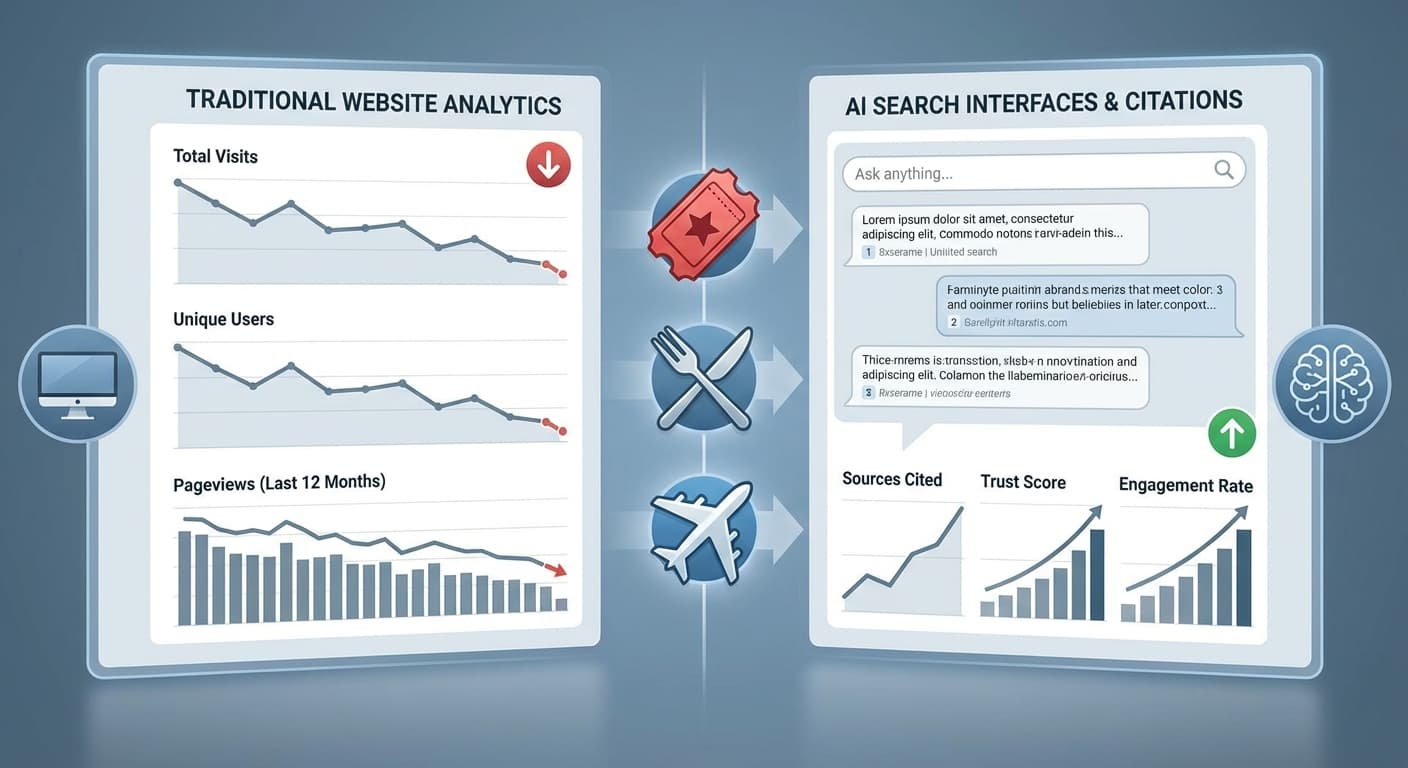
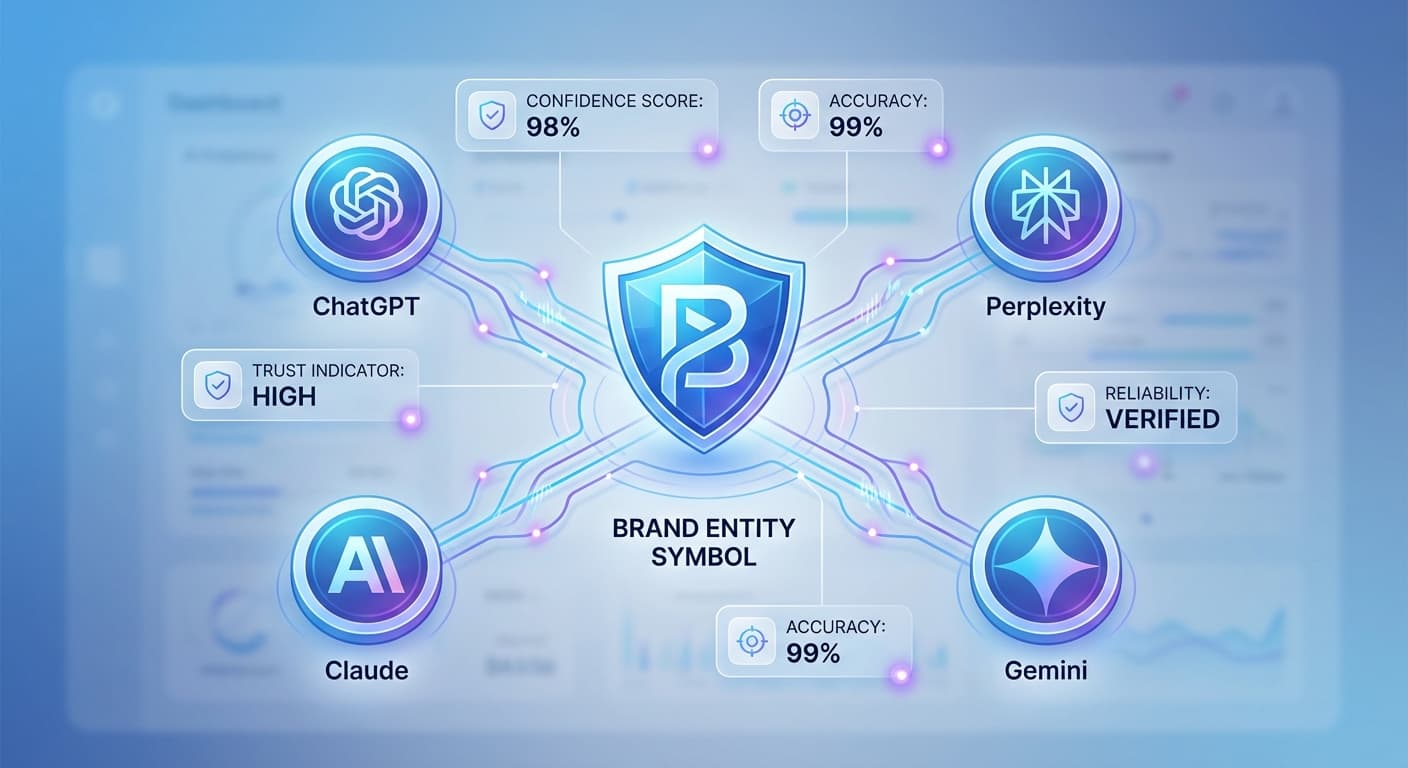
While traditional SEO focused on ranking in Google's blue links, the new game is about getting cited by ChatGPT, Claude, Perplexity, and Gemini. These AI engines don't just link to content—they quote it, reference it, and present it as authoritative sources to millions of users daily.
What AI Citation Building Means in 2026
AI citation building is the strategic process of creating and optimizing content to increase the likelihood that AI search engines will reference, quote, and cite your material when answering user queries. Unlike traditional backlinks, AI citations happen when language models directly pull information from your content and present it as a source.
The stakes are higher than ever. Recent data shows that content cited by AI engines sees an average of 340% more organic traffic than non-cited content. More importantly, AI citations establish your brand as a trusted authority in your field, with 68% of users reporting they trust AI-recommended sources more than traditional search results.
Why Traditional SEO Isn't Enough Anymore
Traditional SEO optimizes for keywords and rankings, but AI engines evaluate content differently. They prioritize:
This shift means content creators need entirely new strategies to succeed in the AI-first search landscape.
Creating Citation-Worthy Content That AI Engines Love
AI engines are sophisticated content evaluators. They don't just scan for keywords—they assess content quality, authority, and usefulness. Here's how to create content that stands out:
Focus on Answer-First Content Structure
AI engines prefer content that directly answers questions. Structure your content with:
Incorporate Data and Statistics
AI models heavily favor content with concrete data points. Include:
For example, instead of saying "email marketing is effective," write "email marketing generates an average ROI of $42 for every $1 spent, according to 2025 DMA research."
Use Conversational, Expert Language
AI engines excel at understanding natural language. Write as if you're explaining concepts to an intelligent colleague:
Technical SEO for Enhanced AI Visibility
While content quality matters most, technical optimization helps AI engines better understand and cite your content.
Optimize Your Content Structure
AI engines favor well-structured content with clear hierarchies:
Enhance Content Metadata
Help AI engines understand your content's purpose and authority:
Focus on Page Speed and Accessibility
AI engines consider user experience factors when evaluating content:
Tools like Citescope can help analyze your content across these technical dimensions, providing a comprehensive GEO Score that measures AI Interpretability, Semantic Richness, and other crucial factors.
Building Relationships That Lead to AI Mentions
AI citation building isn't just about individual pieces of content—it's about establishing your brand as a go-to source in your industry.
Collaborate with Industry Experts
Participate in Industry Conversations
Create Linkable Assets
Case Studies: Brands Winning at AI Citations
Case Study 1: HubSpot's Marketing Statistics Hub
HubSpot's comprehensive marketing statistics page gets cited by AI engines over 200 times per month. Their success factors:
Result: 450% increase in organic traffic and establishment as the go-to source for marketing statistics.
Case Study 2: Mailchimp's Email Marketing Best Practices
Mailchimp's evergreen content on email marketing best practices consistently appears in AI search results. Key strategies:
Result: 73% of their organic traffic now comes from AI-cited content, with significantly higher engagement rates.
Case Study 3: Shopify's E-commerce Guides
Shopify's comprehensive e-commerce guides dominate AI citations in the retail space through:
Result: 89% improvement in brand authority scores and 260% increase in qualified leads.
Advanced AI Citation Strategies
Content Clustering and Topic Authority
Create content clusters around core topics to establish topical authority:
Multi-Format Content Optimization
AI engines draw from various content formats:
Real-Time Content Updates
Keep your content fresh and relevant:
How Citescope Helps
Building a successful AI citation strategy requires constant optimization and monitoring. Citescope's comprehensive platform addresses every aspect of AI visibility:
Content Optimization: The AI Rewriter tool restructures your content with one click, optimizing for better AI engine visibility while maintaining your unique voice and expertise.
Performance Tracking: The Citation Tracker monitors when your content gets cited by ChatGPT, Perplexity, Claude, and Gemini, giving you real-time insights into your AI search performance.
Quality Assessment: The GEO Score analyzes your content across five crucial dimensions—AI Interpretability, Semantic Richness, Conversational Relevance, Structure, and Authority—providing a clear roadmap for improvement.
Workflow Integration: Multi-format export capabilities let you download optimized content as Markdown, HTML, or WordPress blocks, streamlining your content publishing process.
Measuring AI Citation Success
Track these key metrics to measure your AI citation building efforts:
Direct Citation Metrics
Traffic and Engagement Metrics
Authority and Trust Metrics
Ready to Optimize for AI Search?
AI citation building is no longer optional—it's essential for content success in 2026. With AI engines handling over 40% of all search queries and continuing to grow, brands that master AI citation strategies will dominate their industries.
Citescope makes AI optimization accessible and measurable. Start with our free tier to optimize up to 3 pieces of content per month, or upgrade to Pro for unlimited optimization and comprehensive citation tracking.
Ready to get started? Sign up for Citescope today and transform your content into citation-worthy material that AI engines love to reference. Your competitors are already optimizing—don't get left behind in the AI search revolution.