5 Game-Changing AI Content Hacks That Most Creators Miss in 2026

5 Game-Changing AI Content Hacks That Most Creators Miss in 2026
With over 500 million weekly ChatGPT users and AI search now accounting for 35% of all online queries, content creators who master advanced AI techniques have a massive competitive advantage. Yet most creators are still using basic prompts from 2024.
While everyone else asks AI to "write a blog post about X," savvy creators are using sophisticated techniques that produce content so natural, engaging, and authoritative that AI search engines can't help but cite it. These aren't your typical prompt engineering tips – they're advanced strategies that transform how you create content entirely.
Why Advanced AI Content Strategies Matter More Than Ever
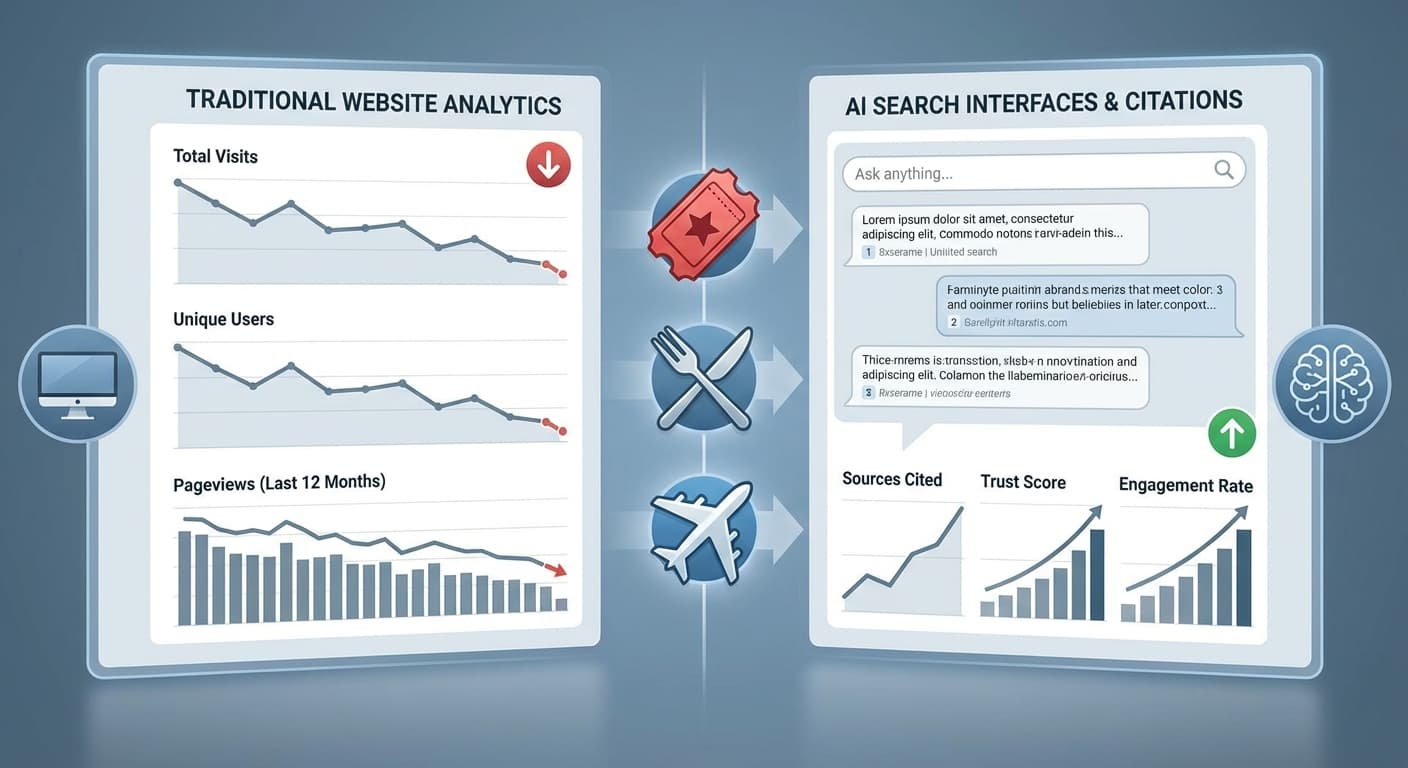
The content landscape has fundamentally shifted in 2025-2026. With 73% of Gen Z now using AI for search and platforms like Perplexity handling billions of queries monthly, getting cited by AI engines is the new SEO.
But here's what most creators miss: AI engines don't just want good content – they want content that demonstrates clear expertise, handles nuance effectively, and provides comprehensive answers. Basic AI-generated content simply doesn't cut it anymore.
The creators winning in 2026 understand that AI isn't just a writing tool – it's a thinking partner that can help craft content with unprecedented depth and authority.
Hack #1: Dynamic Persona Switching
Most creators use a single voice throughout their content. Advanced creators switch personas mid-conversation to address different audience segments within the same piece.
How It Works
The Traditional Approach:
"Write an article about email marketing for small businesses."
The Dynamic Persona Approach:
"You're speaking to three distinct readers: Sarah (solo entrepreneur, overwhelmed), Mike (marketing manager at 50-person company), and Jennifer (agency owner serving clients). Address each by name in different sections, adapting your tone and advice level accordingly."
Practical Implementation
This technique creates content that feels personally relevant to multiple reader types, increasing engagement and shareability – two factors AI search engines heavily weight.
Hack #2: Constraint-Based Creativity
Counter-intuitively, adding creative constraints to AI prompts produces more innovative and memorable content than open-ended requests.
The Psychology Behind Constraints
When you tell AI "explain blockchain," you get generic output. When you say "explain blockchain using only food analogies, in exactly 200 words, written as if you're a chef teaching a cooking class," magic happens.
Constraints force AI to think creatively within boundaries, producing content that stands out in a sea of generic AI writing.
Powerful Constraint Types
Format Constraints:
Style Constraints:
Length Constraints:
Content created with smart constraints gets more citations because it's memorable, scannable, and provides information in unique formats that AI engines recognize as valuable.
Hack #3: Recursive Improvement
This is perhaps the most powerful yet underused technique: having AI critique and improve its own output through multiple iterations.
The Three-Pass Method
Pass 1 - Generate: Create initial content
Pass 2 - Critique: "Act as an expert content strategist. What are the three biggest weaknesses in this content? How could it better serve the reader?"
Pass 3 - Refine: "Rewrite this content addressing those critiques while maintaining the core message."
Advanced Recursive Techniques
Multi-Perspective Analysis:
Fact-Checking Loop:
Readability Enhancement:
Recursive improvement creates content that's more accurate, engaging, and comprehensive – exactly what AI search engines look for when deciding what to cite.
Hack #4: Emotional Intelligence Prompting
While most creators focus on information delivery, advanced creators understand that AI can be trained to recognize and respond to emotional context, creating more human-like content.
Understanding Emotional Triggers
Instead of: "Write about time management."
Try: "Write for someone who feels constantly behind, guilty about not spending enough time with family, and frustrated that productivity advice never seems to work for their chaotic schedule. Address their emotional state before offering solutions."
Emotional Intelligence Framework
Acknowledge: Recognize the reader's emotional state
Validate: Show understanding of their struggles
Guide: Provide hope and a clear path forward
Empower: End with confidence-building language
Practical Applications
Emotionally intelligent content gets shared more, generates more engagement, and builds stronger authority signals that AI engines notice.
Hack #5: Multi-Engine Synthesis
The most sophisticated creators don't rely on a single AI model. They use multiple engines and synthesize the best elements into superior content.
The Multi-Engine Approach
Research Phase:
Synthesis Strategy:
Why This Works
Each AI model has different training data, strengths, and perspectives. ChatGPT might excel at creative hooks, while Claude provides better logical flow, and Perplexity offers more current examples.
By synthesizing multiple approaches, you create content that's more comprehensive, accurate, and engaging than any single AI could produce alone.
How Citescope Helps You Master These Techniques
While these hacks can dramatically improve your content quality, you still need to know if your optimized content is actually getting cited by AI search engines.
Citescope's GEO Score analyzes your content across five critical dimensions that AI engines evaluate: AI Interpretability, Semantic Richness, Conversational Relevance, Structure, and Authority. This gives you immediate feedback on whether your advanced techniques are working.
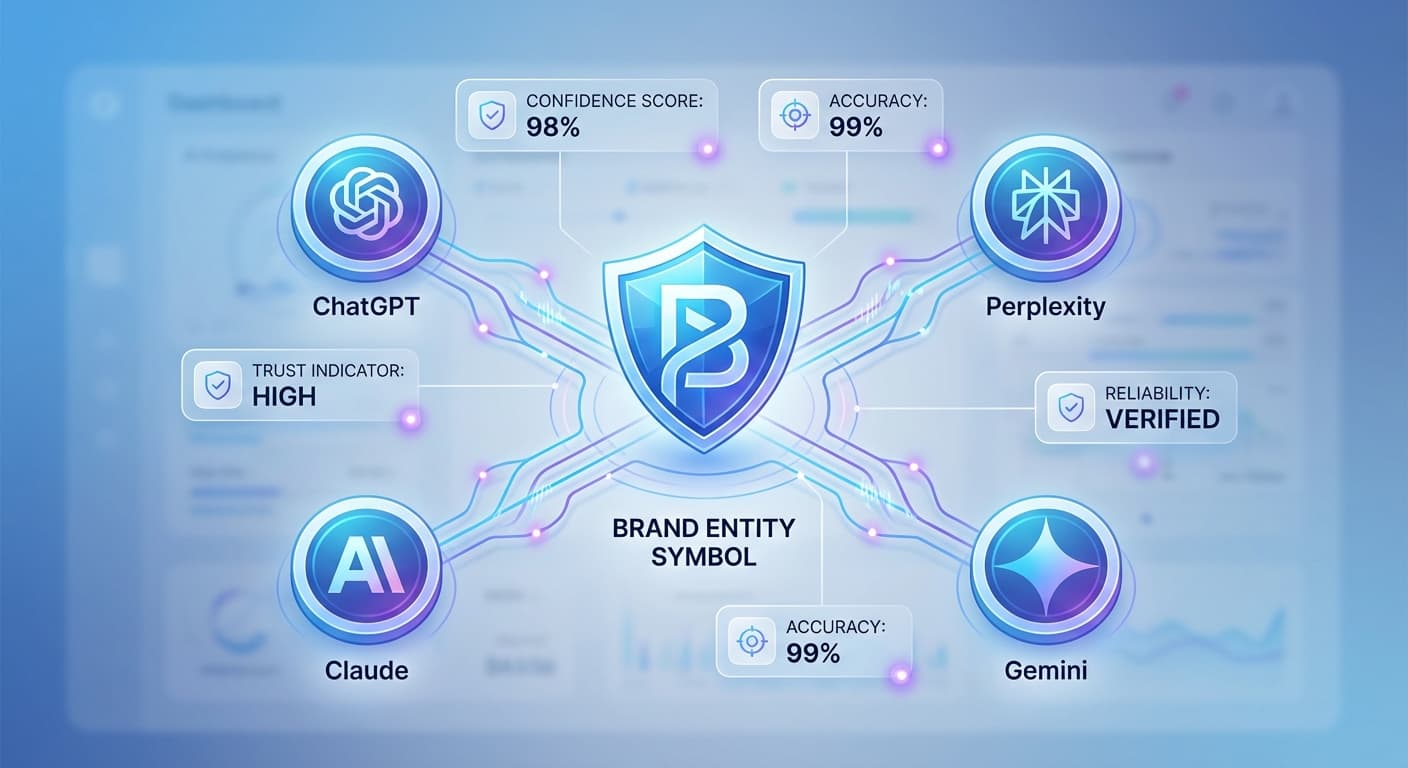
The Citation Tracker then monitors ChatGPT, Perplexity, Claude, and Gemini to show you exactly when and how your content gets cited. You can see which pieces perform best and refine your approach accordingly.
Plus, the AI Rewriter can help you implement some of these techniques automatically, restructuring your content for better AI visibility with one click.
Measuring Success: What to Track in 2026
As you implement these advanced techniques, monitor these key metrics:
AI Citation Metrics
Engagement Indicators
Authority Signals
The Future of AI Content Creation
These techniques represent where content creation is heading in 2026 and beyond. As AI becomes more sophisticated, the creators who understand how to work with these systems as creative partners – rather than simple tools – will dominate their niches.
The key is remembering that AI excels at processing information and following complex instructions, but humans excel at understanding context, emotion, and strategic thinking. The best content comes from combining both strengths.
Ready to Optimize for AI Search?
Mastering advanced AI content techniques is just the first step. To truly succeed in 2026, you need to track how AI search engines respond to your optimized content. Citescope's comprehensive suite helps you analyze, optimize, and monitor your content's performance across all major AI engines. Start with our free tier and see how these game-changing techniques perform in the real world of AI search. Try Citescope free today and take your content to the next level.