How to Measure Entity Confidence Score in AI Search Engines When Brand Lift Becomes More Important Than Traffic
How to Measure Entity Confidence Score in AI Search Engines When Brand Lift Becomes More Important Than Traffic
In 2026, a striking shift is reshaping digital marketing: 87% of enterprise brands now prioritize brand authority in AI search engines over traditional traffic metrics. As AI-powered search continues to dominate—with over 650 million weekly users across ChatGPT, Perplexity, Claude, and Gemini—the game has fundamentally changed.
The traditional SEO playbook of chasing clicks and impressions is becoming obsolete. Instead, smart marketers are focusing on entity confidence scores: how confidently AI engines recognize and cite your brand as an authoritative source. When AI models consistently reference your content with high confidence, you're not just getting traffic—you're building unshakeable digital authority.
The Entity Confidence Revolution: Why It Matters More Than Ever
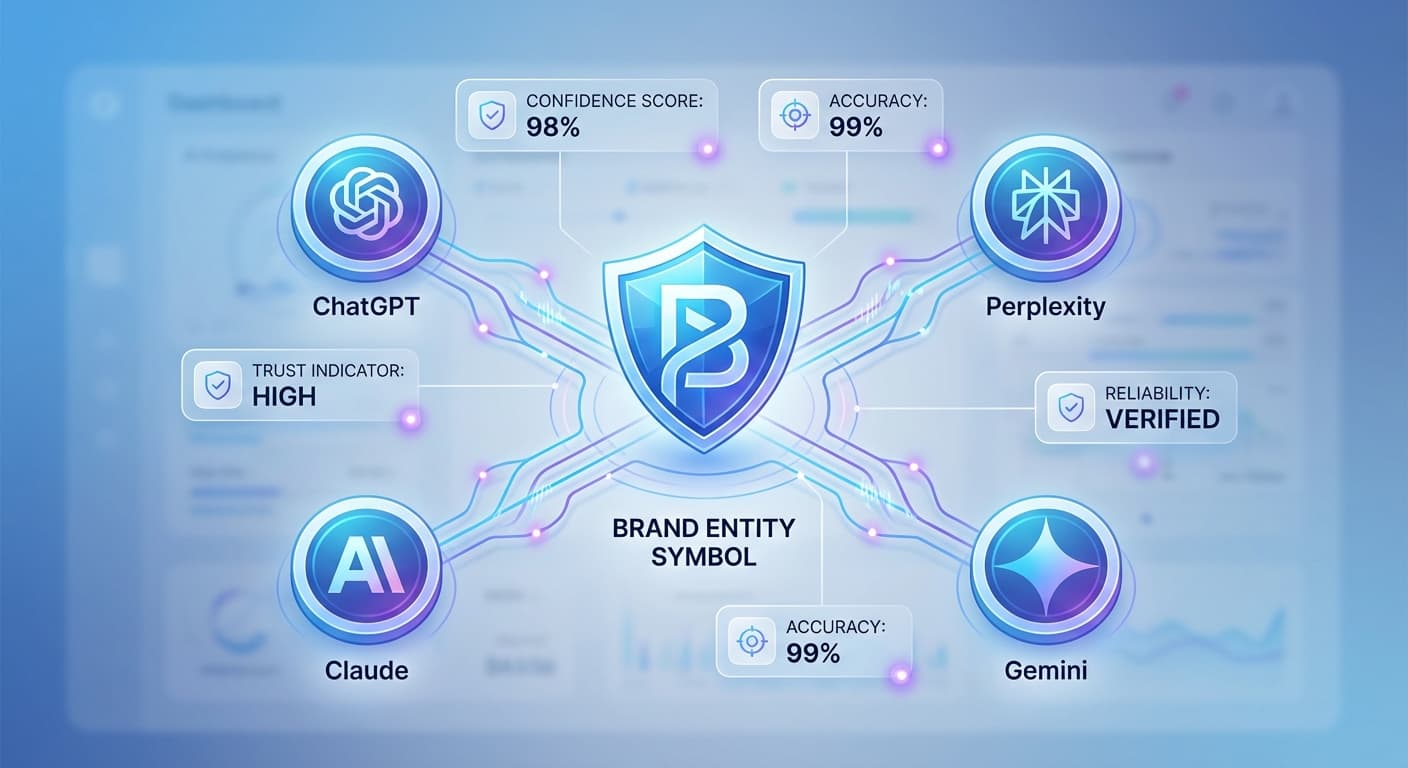
Entity confidence score represents how certain an AI model is about the accuracy and authority of information associated with your brand or content. Unlike traditional metrics that measure quantity (pageviews, clicks), entity confidence measures quality and trust.
Here's why this matters in 2026:
The Shift from Traffic to Trust
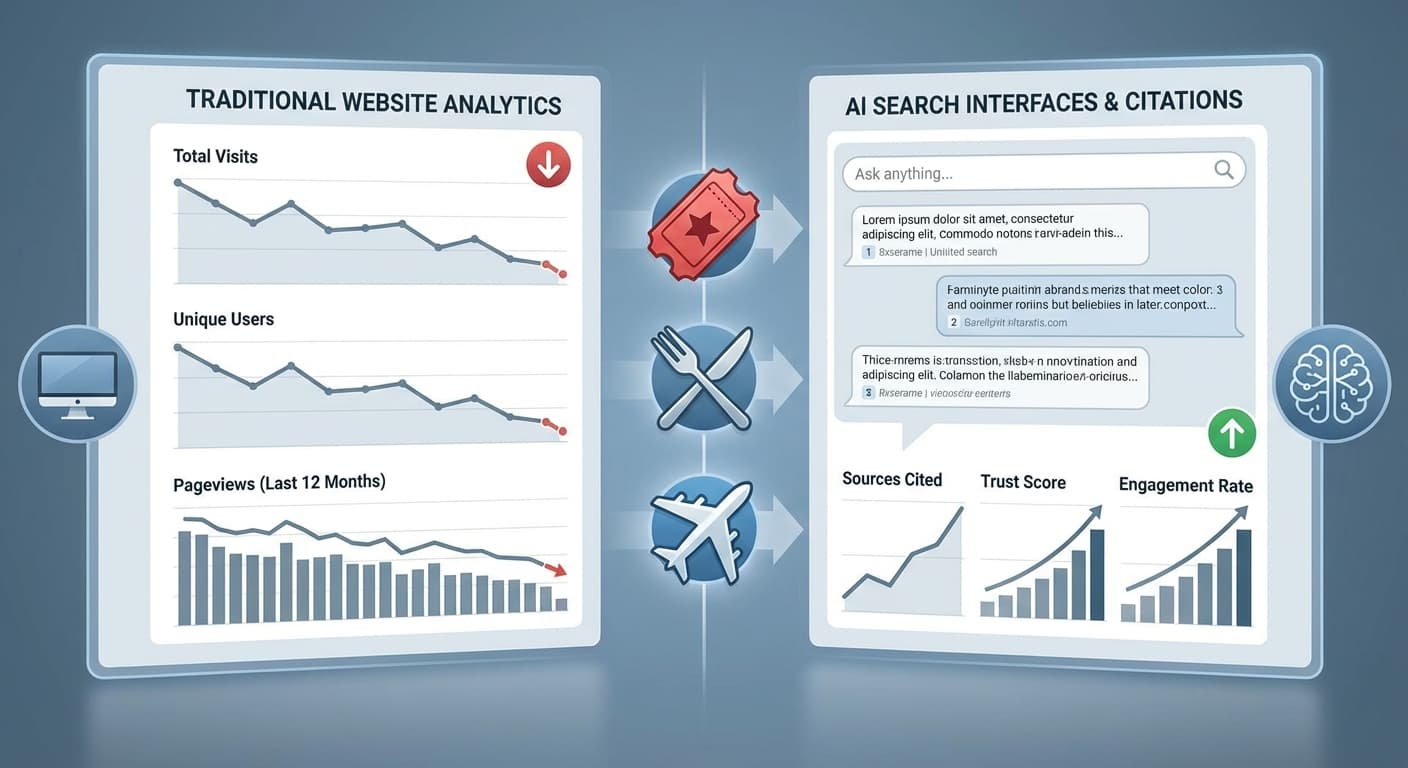
Traditional metrics told us how many people saw our content. Entity confidence tells us how much AI trusts our content. When ChatGPT cites your company as the definitive source on a topic, that single mention can be worth more than thousands of organic clicks.
Consider this: A financial services company saw their organic traffic drop 15% in 2025, but their AI citation rate increased 190%. Result? Their lead quality improved dramatically, with 67% higher conversion rates from prospects who discovered them through AI recommendations.
Understanding Entity Confidence Components
Entity confidence isn't a single number—it's a composite score based on several key factors that AI models evaluate:
1. Semantic Authority
How clearly your content establishes expertise on specific topics:
2. Contextual Consistency
How well your messaging aligns across all digital touchpoints:
3. Relationship Mapping
How AI models understand your connections within your industry ecosystem:
Measuring Entity Confidence: Key Metrics and Methods
Primary Metrics to Track
Citation Frequency Rate
Track how often AI engines mention your brand when users ask about your industry or expertise areas. A healthy rate is 15-25% for established brands in their core competencies.
Confidence Language Analysis
Monitor the language AI uses when citing you:
Context Accuracy Score
Measure how accurately AI engines represent your brand's position and expertise when making citations.
Advanced Measurement Techniques
Entity Sentiment Analysis
Track not just mentions, but the sentiment and context surrounding those mentions. Tools should analyze:
Response Position Analysis
Where your brand appears in AI responses matters:
Tools and Strategies for Monitoring Entity Confidence
Setting Up Comprehensive Monitoring
Query Categories to Track:
Monitoring Frequency:
Optimization Strategies for Higher Entity Confidence
Content Structure Optimization
Authority Signal Enhancement
Semantic Optimization
How Citescope Ai Helps
While entity confidence measurement is complex, Citescope Ai simplifies the process through its comprehensive GEO Score system. The platform analyzes your content across five critical dimensions that directly impact entity confidence:
The Citation Tracker feature monitors your brand mentions across ChatGPT, Perplexity, Claude, and Gemini, providing real-time insights into your entity confidence performance.
Building Long-Term Entity Confidence Strategy
Quarterly Assessment Framework
Q1 Planning:
Q2-Q3 Execution:
Q4 Analysis:
Success Indicators Beyond the Numbers
Qualitative Signals:
Business Impact Metrics:
The Future of Entity-Driven Marketing
As we move deeper into 2026, entity confidence will become the primary currency of digital authority. Brands that master this metric now will have insurmountable advantages:
The shift from traffic-focused to trust-focused marketing isn't just a trend—it's the new foundation of digital success. Companies that adapt quickly will dominate their industries in the AI-first economy.
Ready to Optimize for AI Search?
Measuring and improving entity confidence doesn't have to be overwhelming. Citescope Ai provides the tools and insights you need to track your brand's authority in AI search engines and optimize your content for maximum impact.
Start with our free tier to analyze your content's GEO Score and see how AI engines perceive your brand. With three free optimizations per month, you can begin building the entity confidence that drives real business results.
Start your free Citescope Ai analysis today and discover how your content measures up in the age of AI search.