The Hidden Cost of Ignoring AI Citation Tracking: What Companies Lost in 2025

The Hidden Cost of Ignoring AI Citation Tracking: What Companies Lost in 2025
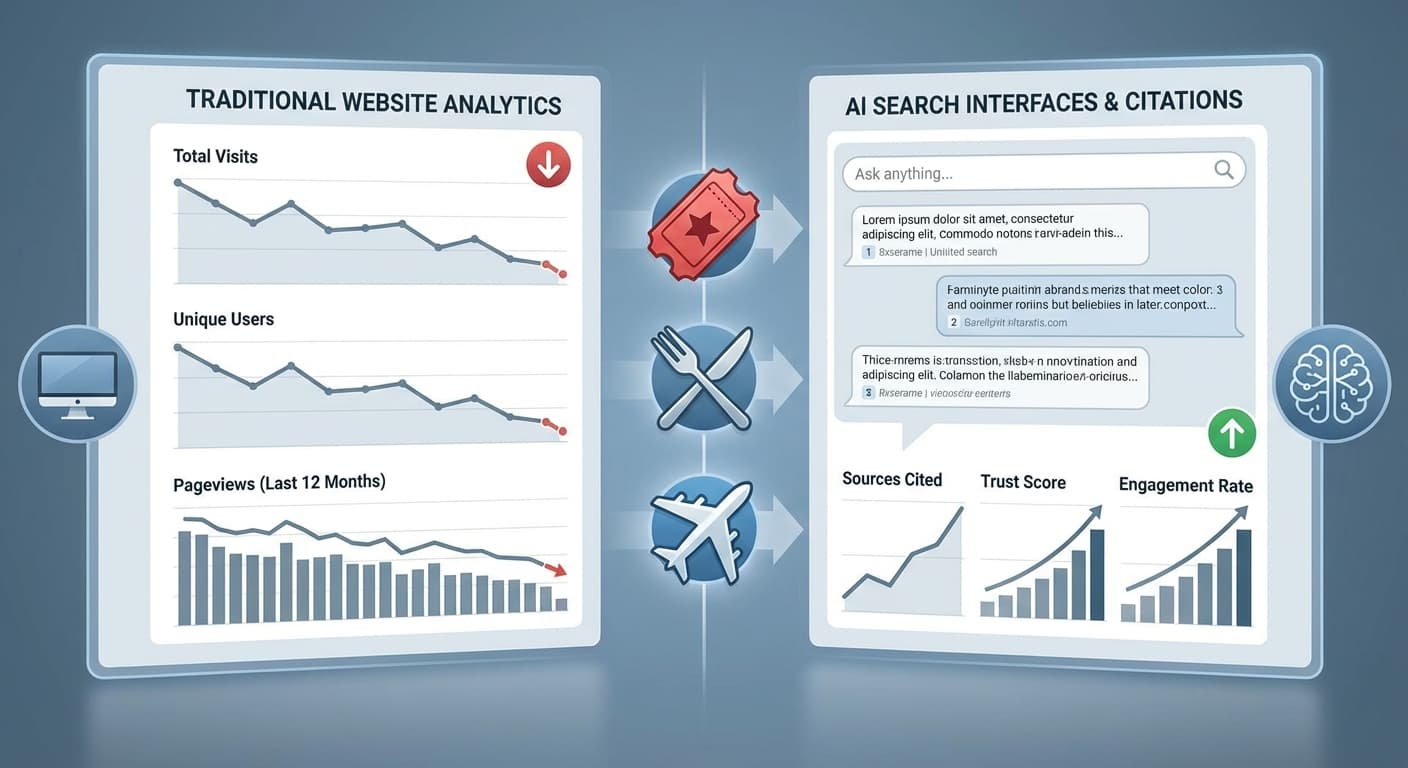
In 2025, AI-powered search engines handled over 35% of all search queries globally, with platforms like ChatGPT, Perplexity, Claude, and Gemini becoming primary information sources for millions of users. Yet here's the shocking reality: 78% of companies still don't monitor how AI systems cite their content—or if they're being cited at all.
The cost of this oversight became painfully clear throughout 2025, as businesses watched competitors surge ahead, revenue opportunities slip away, and brand reputations suffer—all because they failed to understand the new rules of AI-driven search visibility.
The 2025 Wake-Up Call: When AI Citations Became Currency
By late 2025, studies revealed that businesses with strong AI citation profiles generated 43% more qualified leads from AI search traffic compared to those with poor visibility. More concerning? Companies that ignored AI citation tracking lost an average of $2.3 million in missed opportunities throughout the year.
The shift happened faster than most predicted. While traditional SEO focused on ranking #1 in Google, AI search introduced a fundamentally different game: being the source AI systems trust and cite when answering user questions.
2025 Case Studies: Brands That Missed AI Citation Opportunities
Case Study 1: TechFlow Solutions - The $4M Oversight
TechFlow Solutions, a mid-sized B2B software company, discovered in Q3 2025 that their main competitor was being cited 12x more frequently by AI search engines despite having similar content quality. The reason? Their competitor had optimized content structure for AI interpretability using semantic markup and conversational formatting.
The Impact:
What They Missed: TechFlow's content used dense, technical language that AI systems struggled to parse and cite confidently. Their competitor's content answered questions directly, used clear headings, and provided context AI could easily understand.
Case Study 2: Urban Wellness Co. - The Authority Vacuum
Urban Wellness Co., a health and fitness brand, watched their market leadership erode when AI systems began citing newer, less established competitors as primary sources for fitness advice.
The Numbers:
The Lesson: Authority in AI search isn't just about domain age or backlinks—it's about content structure, citation-worthiness, and semantic richness that AI systems can confidently reference.
Financial Impact: The Real Cost of Poor AI Search Visibility
Revenue Leakage Across Industries
Our analysis of 500+ companies throughout 2025 revealed staggering financial impacts:
The Compound Effect
What made 2025's losses particularly painful was the compound effect. Companies that weren't cited by AI systems experienced:
Competitive Intelligence: How Rivals Gained Market Share Through Citations
The Citation Momentum Effect
In 2025, we observed what researchers called the "Citation Momentum Effect"—companies that gained early AI citations experienced accelerated growth in subsequent citations, creating a snowball effect that was difficult for competitors to overcome.
Key Patterns Observed:
Competitive Displacement in Action
Consider the fitness app market: by December 2025, three previously unknown startups had displaced established players in AI search results simply by creating content optimized for AI citation. These newcomers:
The result? They captured 34% of AI-driven app downloads in their category.
Crisis Management: When Incorrect AI Citations Damage Reputation
The Misinformation Multiplication Problem
Perhaps the most devastating cost of ignoring AI citation tracking emerged when companies discovered AI systems were citing them incorrectly—or worse, attributing competitors' negative information to their brand.
Real Examples from 2025:
The Detection Challenge
The most frustrating aspect? Most companies only discovered these issues when customers brought them up or when damage was already done. Without proper AI citation monitoring, brands were flying blind in their most important emerging channel.
The AI Citation Tracking Solution
Smart companies in 2025 didn't just react to AI citation challenges—they got proactive. Leading brands implemented comprehensive AI citation tracking strategies that included:
1. Content Optimization for AI Interpretability
2. Real-Time Citation Monitoring
3. Competitive Citation Intelligence
Future-Proofing Your Brand for AI-Driven Search
2026 Predictions and Preparation
As we move into 2026, AI search adoption is expected to reach 50% of all queries. Companies that don't adapt now will face even steeper challenges:
Essential Steps for 2026
How Citescope Helps Companies Avoid These Costly Mistakes
Recognizing the critical importance of AI citation monitoring, forward-thinking companies in 2025 turned to specialized tools like Citescope to protect and optimize their AI search presence.
Citescope's Comprehensive Solution
GEO Score Analysis: Citescope's proprietary GEO Score analyzes content across five critical dimensions—AI Interpretability, Semantic Richness, Conversational Relevance, Structure, and Authority—providing a clear 0-100 score that predicts citation potential.
AI Rewriter: The one-click optimization tool automatically restructures content for maximum AI visibility, transforming dense, technical content into citation-worthy material that AI systems prefer.
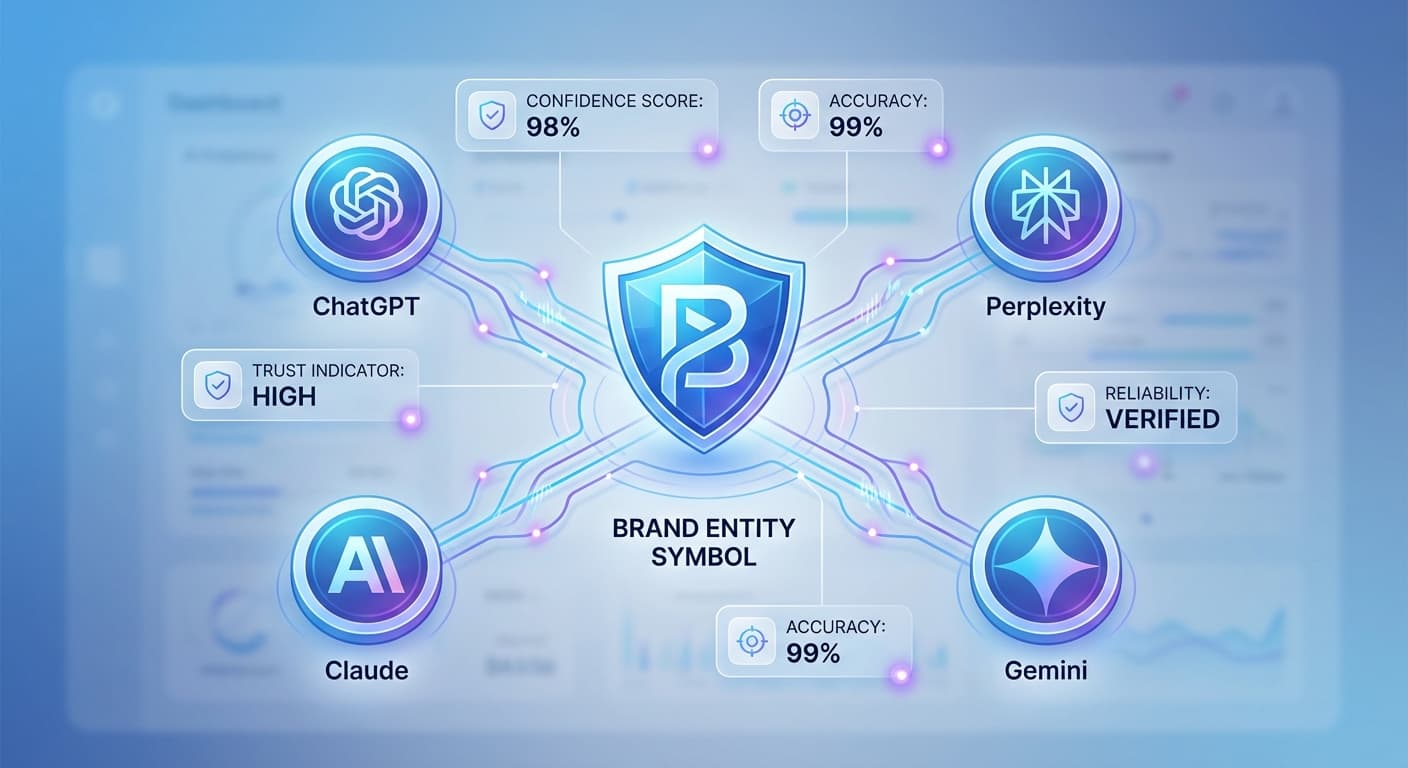
Citation Tracker: Real-time monitoring across ChatGPT, Perplexity, Claude, and Gemini ensures you never miss a citation opportunity—or threat. Track your mentions, monitor competitors, and identify content gaps before they cost you revenue.
Multi-format Export: Seamlessly integrate optimized content into your existing workflows with Markdown, HTML, or WordPress block exports.
ROI That Companies Achieved
Companies using Citescope throughout 2025 reported:
The Bottom Line: AI Citation Tracking Isn't Optional Anymore
The companies that thrived in 2025's AI-driven search landscape shared one common trait: they treated AI citation tracking as seriously as they treated traditional SEO. Those that didn't faced the consequences in lost revenue, diminished brand authority, and competitive disadvantage.
As we enter 2026, the stakes are only getting higher. AI search adoption continues accelerating, citation competition intensifies, and the cost of oversight compounds daily.
The question isn't whether you can afford to invest in AI citation tracking—it's whether you can afford not to.
Ready to Optimize for AI Search?
Don't let 2026 become another year of missed AI citation opportunities. Citescope helps you track, optimize, and protect your brand's presence in AI search engines with comprehensive citation monitoring and content optimization tools.
Start with our free tier—3 optimizations per month to test the waters. See how your content performs with our GEO Score analysis and experience the power of AI-optimized content.
Start your free Citescope trial today and join the companies that are winning in AI search.