The Hidden 71%: How On-Device AI Learning Is Revolutionizing Brand Discovery (And What It Means for Your Content Strategy)
The Hidden 71%: How On-Device AI Learning Is Revolutionizing Brand Discovery (And What It Means for Your Content Strategy)
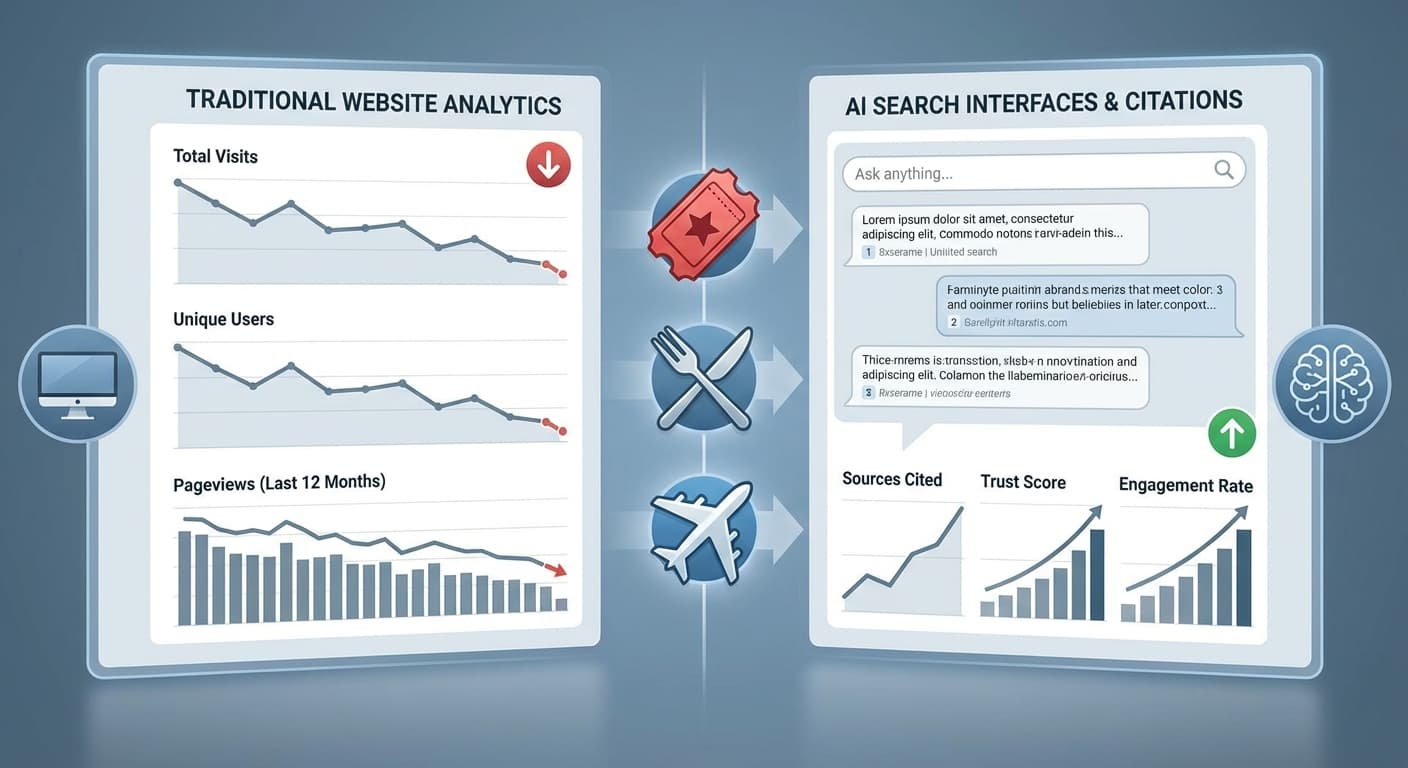
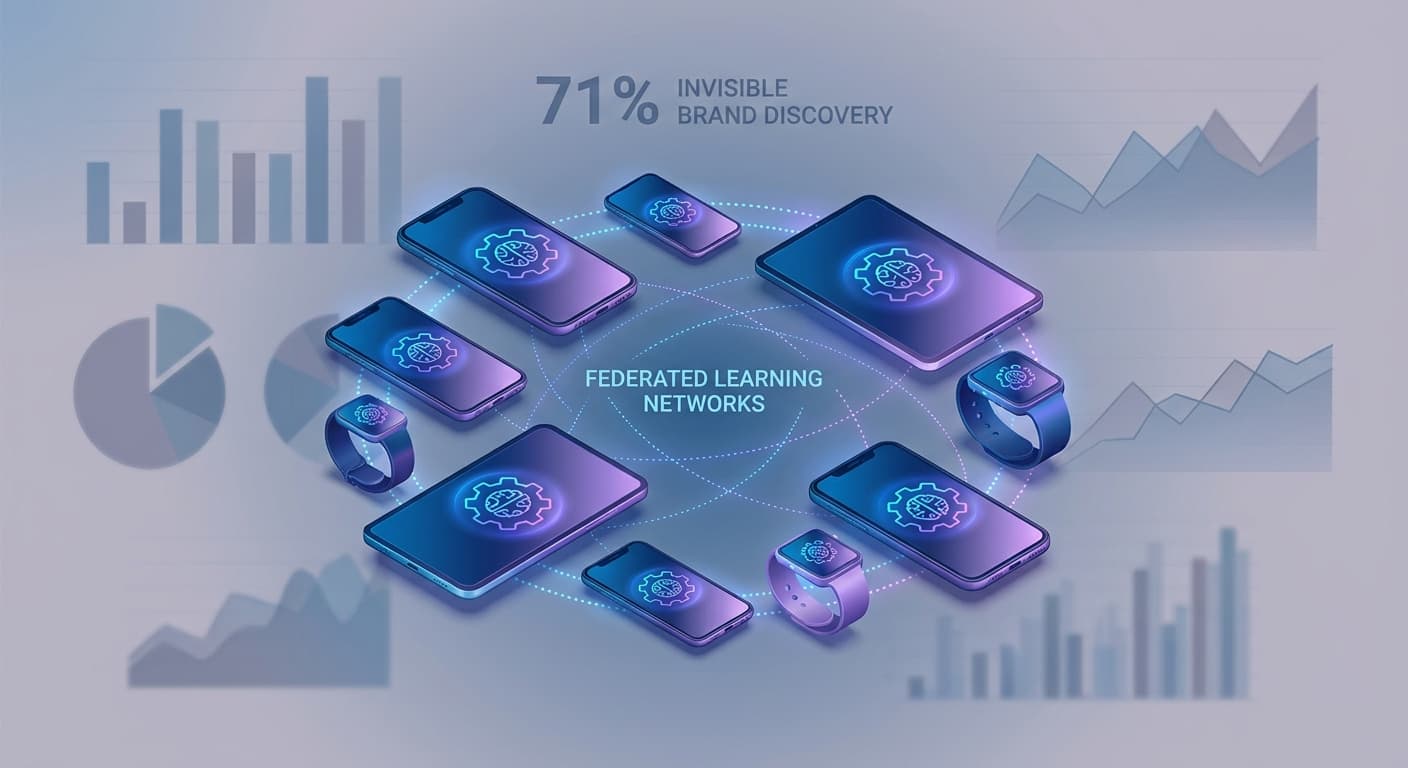
What if I told you that 71% of brand discovery events happening right now are completely invisible to your analytics dashboard? Welcome to the era of on-device AI assistants, where federated learning is quietly reshaping how consumers find and interact with brands—all while keeping their data locked safely on their personal devices.
As we move deeper into 2026, the landscape of AI search has fundamentally shifted. With Apple's enhanced Siri capabilities, Google's on-device Gemini Nano processing, and Microsoft's local Copilot features, consumers are increasingly getting personalized recommendations and brand suggestions without their queries ever leaving their smartphones, tablets, or laptops.
The Invisible Brand Discovery Revolution
Federated learning—a machine learning approach where AI models train on user devices rather than in centralized servers—has created what industry experts are calling the "privacy-first discovery paradox." Users get hyper-personalized brand recommendations based on their actual behavior patterns, but marketers can't see any of this happening through traditional tracking methods.
Consider this scenario: A user frequently asks their on-device AI assistant about sustainable fashion while browsing eco-friendly lifestyle content. The AI learns these preferences locally and begins suggesting relevant sustainable brands during future conversations. The user discovers three new brands this way over the course of a month—but none of this shows up in Google Analytics, social media insights, or any other conventional tracking system.
The Numbers Behind the Shift
Recent studies from the AI Search Institute reveal staggering statistics:
Understanding Federated Learning's Impact on Brand Visibility
Federated learning works by training AI models directly on user devices, using local data to improve recommendations without ever sending personal information to external servers. This creates several challenges for traditional content marketing:
The Attribution Gap
When users discover your brand through on-device AI recommendations, there's no clear attribution path. The AI might suggest your product based on:
None of these data points generate the referral signals that traditional analytics rely on.
The Content Discoverability Challenge
On-device AI assistants don't crawl the web in real-time like traditional search engines. Instead, they rely on:
Building a Privacy-First Discovery Strategy
To succeed in this new landscape, brands need to fundamentally rethink their approach to content optimization and audience development.
1. Optimize for Local AI Processing
On-device AI assistants have limited computational resources, so your content needs to be structured for efficient local analysis:
2. Focus on Earned Brand Mentions
Since traditional tracking fails in federated learning environments, concentrate on strategies that create natural brand associations:
3. Build for Context, Not Keywords
On-device AI understands context better than keyword matching. Optimize your content strategy accordingly:
Measuring Success in the Federated Learning Era
Traditional metrics become less reliable when 71% of brand discovery happens invisibly. Here's how to adapt your measurement approach:
Direct Engagement Metrics
Proxy Indicators
The Role of Content Structure in Federated Discovery
Content that succeeds in federated learning environments shares specific characteristics. These aren't traditional SEO factors, but rather structural elements that help on-device AI understand and recommend your content:
Conversational Content Architecture
Structure your content to match how people actually talk to AI assistants:
Multi-Modal Content Integration
On-device AI increasingly processes multiple content types simultaneously:
How Citescope AI Helps Navigate Federated Learning Challenges
While traditional analytics struggle with federated learning invisibility, specialized tools can help optimize your content for on-device AI discovery. Citescope AI's GEO Score analyzes your content across five critical dimensions that directly impact how well on-device AI assistants can understand, process, and recommend your brand:
The platform's AI Rewriter specifically optimizes content for scenarios where traditional referral tracking fails, helping ensure your brand gets discovered even when that discovery happens invisibly.
Preparing for the Next Wave of Privacy-First Discovery
As federated learning becomes even more sophisticated throughout 2026, expect these trends:
Actionable Steps for Your Strategy
How Citescope AI Helps
Navigating the federated learning landscape requires tools designed for the privacy-first era. Citescope AI provides:
GEO Score Analysis: Get detailed insights into how well your content performs across the five dimensions that matter most for on-device AI discovery—even when traditional metrics fall short.
AI-Optimized Rewriting: Transform existing content to excel in federated learning environments where context and structure matter more than keyword density.
Citation Tracking Across AI Platforms: Monitor when your optimized content gets referenced by major AI assistants, providing visibility into the 29% of brand discovery that remains trackable.
Multi-Format Export: Deploy your optimized content across all channels in formats designed for both human readers and AI processing.
Ready to Optimize for AI Search?
The shift to federated learning and on-device AI processing isn't coming—it's already here, quietly reshaping how your audience discovers brands. While 71% of these interactions might be invisible to traditional analytics, the right content strategy can ensure your brand benefits from this privacy-first revolution.
Start optimizing your content for the federated learning era with Citescope AI's free tier. Get 3 content optimizations per month and see how your GEO Score improves when you structure content for on-device AI discovery. Try Citescope AI free today and make sure your brand doesn't get lost in the invisible 71%.