GEO Strategy

How to Win Citations From Third-Party Publishers When AI Search Engines Prioritize External Mentions 6.5x More Than Your Owned Website Content
February 14, 20267 min read
How to Win Citations From Third-Party Publishers When AI Search Engines Prioritize External Mentions 6.5x More Than Your Owned Website Content

How to Win Citations From Third-Party Publishers When AI Search Engines Prioritize External Mentions 6.5x More Than Your Owned Website Content

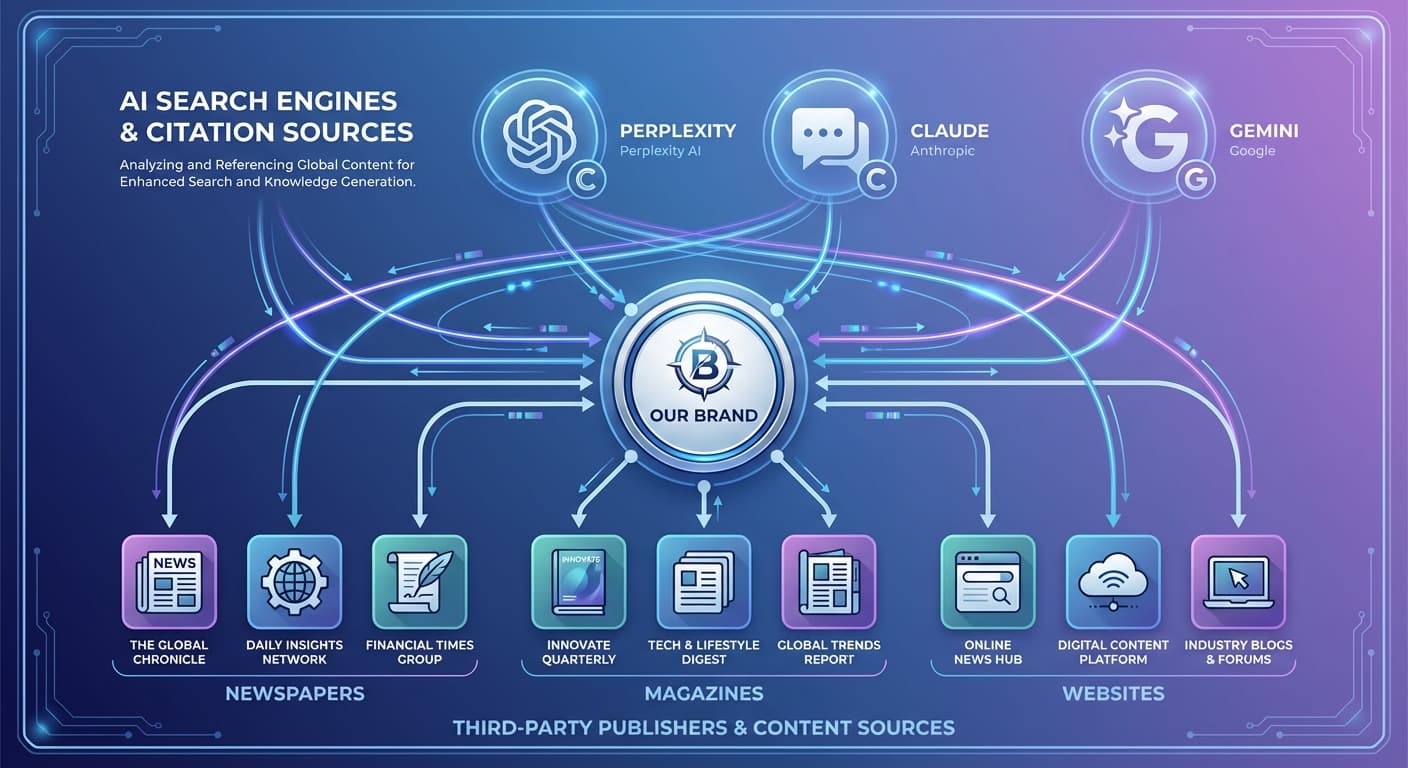
Did you know that AI search engines like ChatGPT, Perplexity, and Claude cite third-party publications 6.5 times more frequently than brand-owned content? This striking statistic from 2025 research reveals a fundamental shift in how AI systems evaluate and surface information—and it's completely changing the content marketing playbook.

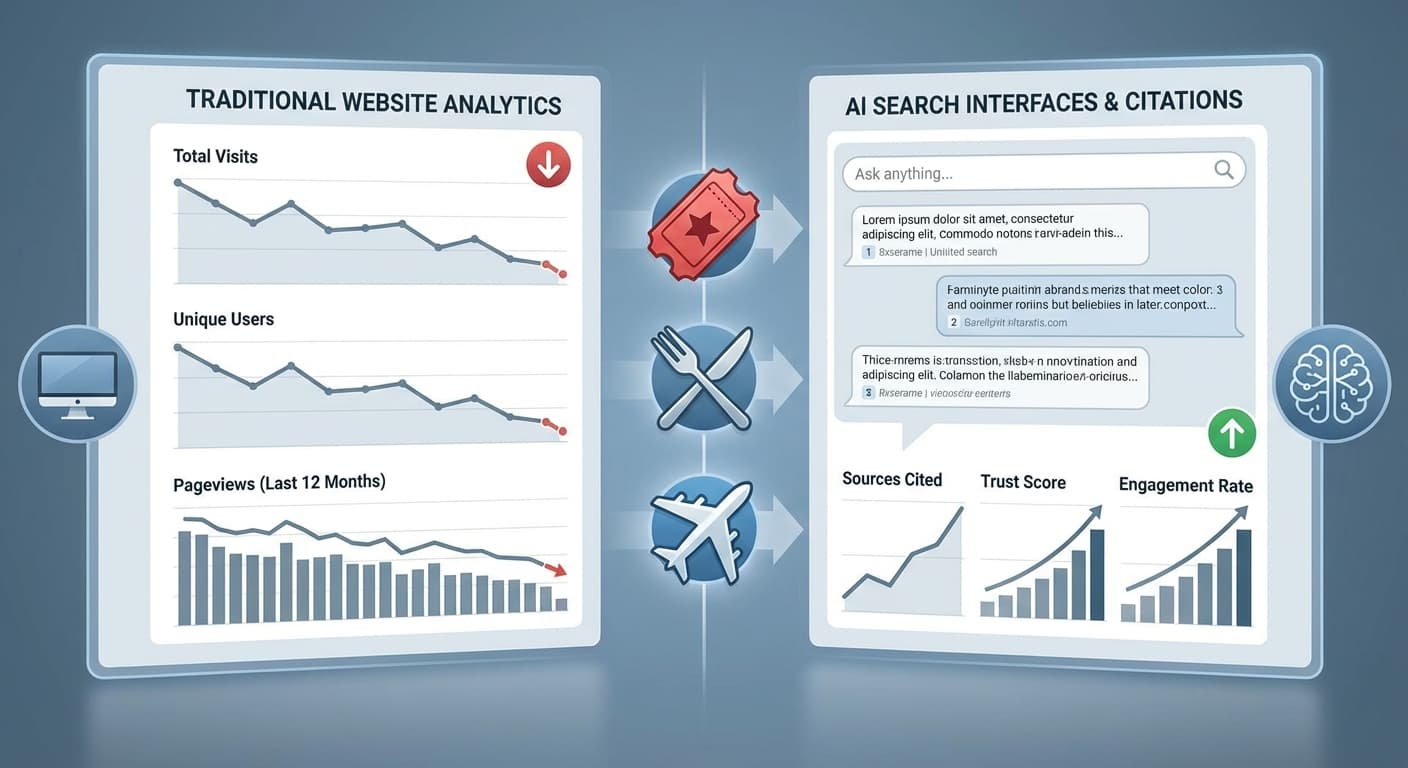
As AI search continues to dominate (now accounting for over 35% of all search queries in early 2026), brands can no longer rely solely on optimizing their own websites. The real prize lies in earning citations from external publishers, creating a ripple effect that amplifies your authority across the AI ecosystem.

Why AI Search Engines Favor Third-Party Citations

AI search engines are trained to prioritize credible, unbiased information. When your insights appear on reputable third-party sites, it signals several key factors:

  • Editorial validation: Content that passes through editorial review carries more weight

  • Reduced bias: Third-party mentions appear less promotional than owned content

  • Network effects: Citations from authoritative domains boost your overall topical authority

  • Cross-referencing: AI systems value information that appears across multiple sources
  • This preference isn't just theoretical—it's reshaping how successful brands approach content strategy in 2026.

    The New Citation Economy: What's Changed

    Traditional SEO vs. AI Citation Strategy

    Traditional SEO focused on:

  • Optimizing your own domain

  • Building backlinks for PageRank

  • Keyword density and on-page signals
  • AI citation strategy prioritizes:

  • Thought leadership distribution: Getting your expertise featured elsewhere

  • Source diversity: Building mentions across multiple authoritative sites

  • Context richness: Ensuring your citations include supporting data and examples

  • Topical clustering: Creating interconnected mentions across related topics
  • The Multiplication Effect

    When AI engines cite your third-party content, it often leads to:

  • Direct attribution and brand awareness

  • Increased search for your brand and executives

  • Higher trust signals for your owned content

  • Expanded topic association and authority
  • Strategic Approaches to Earning Third-Party Citations

    1. Data-Driven Thought Leadership

    The most citeable content provides unique data or insights that other publications can reference. Here's how to create citation-worthy research:

    Original Research and Surveys

  • Conduct industry surveys with meaningful sample sizes

  • Analyze proprietary data to reveal trends

  • Collaborate with research institutions for credibility

  • Time releases with industry events or seasonal trends
  • Data Visualization and Reports

  • Create comprehensive industry reports

  • Develop interactive tools and calculators

  • Publish annual benchmark studies

  • Share behind-the-scenes data from your operations
  • 2. Expert Commentary and Analysis

    Position your team as go-to sources for industry commentary:

    Media Relations Strategy

  • Build relationships with journalists covering your industry

  • Respond quickly to breaking news with expert analysis

  • Offer exclusive interviews and quotes

  • Participate in industry roundtables and panels
  • Guest Content Creation

  • Write guest articles for industry publications

  • Contribute to collaborative content projects

  • Participate in expert roundups and prediction pieces

  • Offer case studies and success stories
  • 3. Educational Content Distribution

    Tutorial and Guide Syndication

  • Create comprehensive how-to guides

  • Develop frameworks and methodologies

  • Share templates and resources

  • Offer educational webinars and workshops
  • Community Engagement

  • Answer questions in professional forums

  • Contribute to industry discussions on LinkedIn

  • Participate in Reddit AMAs and niche communities

  • Share insights in industry Slack channels and Discord servers
  • Platform-Specific Citation Strategies

    Traditional Publishers


  • Target: Industry magazines, news sites, trade publications

  • Approach: Pitch newsworthy angles, provide expert commentary

  • Content types: Trend analysis, market predictions, case studies
  • Digital-First Publications


  • Target: Online magazines, newsletters, industry blogs

  • Approach: Offer exclusive data, collaborate on content

  • Content types: Research reports, tool reviews, methodology guides
  • Podcast and Video Platforms


  • Target: Industry podcasts, YouTube channels, webinar series

  • Approach: Share compelling stories, provide actionable insights

  • Content types: Success stories, behind-the-scenes processes, predictions
  • Measuring and Optimizing Citation Success

    Key Metrics to Track

  • Citation frequency: How often you're mentioned across platforms

  • Source authority: The domain authority and reputation of citing sites

  • Context quality: How your citations are framed and positioned

  • AI search visibility: Appearance in AI-generated responses

  • Brand search lift: Increases in direct brand queries
  • Optimization Tactics

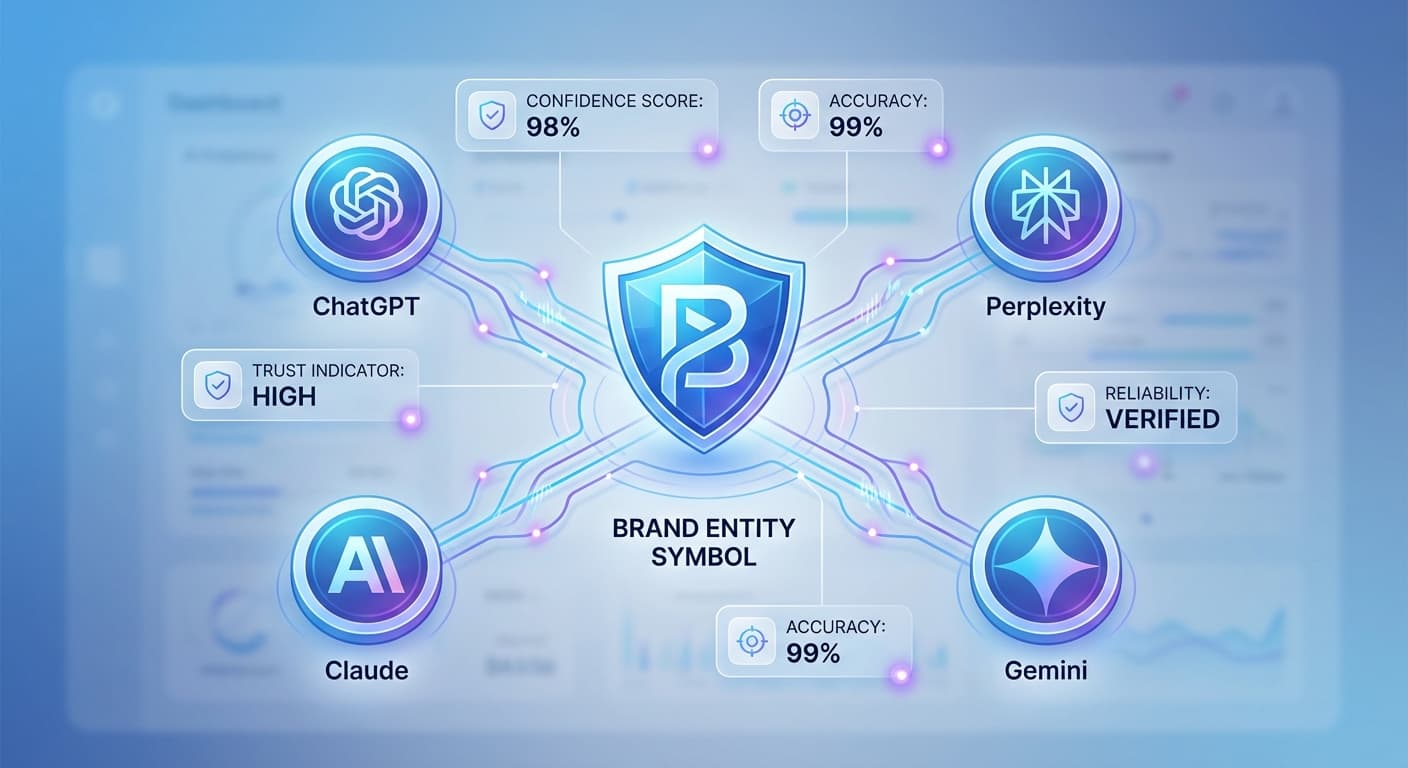
    With tools like Citescope Ai, you can track when your third-party content gets cited by major AI search engines and optimize your approach accordingly. The platform's Citation Tracker monitors mentions across ChatGPT, Perplexity, Claude, and Gemini, helping you understand which external content drives the most AI visibility.

    Content Refinement

  • Analyze which topics and formats earn the most citations

  • Identify optimal content length and structure

  • Test different headlines and angles

  • Refine your unique value propositions
  • Relationship Building

  • Map your most successful publication partnerships

  • Identify new potential media relationships

  • Track journalist engagement and preferences

  • Nurture long-term editorial relationships
  • Common Mistakes to Avoid

    Over-Promotion


  • Don't make every pitch about your product or service

  • Focus on industry insights rather than company news

  • Provide value before asking for coverage
  • Inconsistent Messaging


  • Maintain consistent expertise positioning across platforms

  • Align your external content with your brand voice

  • Ensure factual accuracy across all mentions
  • Neglecting Follow-Up


  • Track the performance of your placed content

  • Share successful pieces to amplify reach

  • Build on successful partnerships for future opportunities
  • Building Long-Term Citation Authority

    Developing Your Expert Brand

  • Identify your unique perspective: What insights can only you provide?

  • Create signature frameworks: Develop proprietary methodologies

  • Build thought leadership consistently: Regular commentary and analysis

  • Network strategically: Connect with editors, journalists, and fellow experts
  • Content Systems for Scale

  • Content calendars: Plan pitches around industry events and trends

  • Asset libraries: Maintain ready-to-use data, quotes, and examples

  • Response systems: Quick turnaround for media requests

  • Performance tracking: Monitor and optimize citation strategies
  • How Citescope Ai Helps

    While earning third-party citations requires relationship building and strategic content creation, Citescope Ai helps you maximize the impact of both your owned and external content. The platform's GEO Score analyzes your content across five key dimensions that AI search engines value, while the Citation Tracker shows you exactly when and where your content (including third-party mentions) gets cited by major AI systems.

    The AI Rewriter feature can help you optimize guest posts and contributed content before submission, increasing the likelihood they'll be selected and perform well in AI search results. This creates a feedback loop where better-optimized external content leads to more citations, which in turn boosts your overall authority.

    The Future of AI Citations

    As AI search engines become more sophisticated, we're likely to see:

  • Increased source verification: More emphasis on authoritative, fact-checked content

  • Context importance: Citations that provide richer context will be favored

  • Real-time updates: Faster integration of breaking news and trending topics

  • Multimedia integration: Citations from video, audio, and interactive content
  • Ready to Optimize for AI Search?

    The shift toward AI-powered search represents the biggest change in content marketing since the rise of social media. Success requires not just creating great owned content, but building a comprehensive citation strategy that spans the entire digital ecosystem.

    Citescope Ai helps you navigate this new landscape by tracking your citations across all major AI search engines and optimizing your content for maximum visibility. Start with our free tier to optimize up to 3 pieces of content per month, or upgrade to Pro for unlimited optimizations and advanced citation tracking.

    Try Citescope Ai free today and see how your content performs in the AI citation economy.
    AI search optimizationthird-party citationsthought leadershipcontent marketingAI SEO

    Track your AI visibility

    See how your content appears across ChatGPT, Perplexity, Claude, and more.

    Start for Free