How to Transition Your Enterprise SEO Team from Ranking-Focused to Consensus-Driven AI Visibility When Cross-Channel Coordination Is the Bottleneck
How to Transition Your Enterprise SEO Team from Ranking-Focused to Consensus-Driven AI Visibility When Cross-Channel Coordination Is the Bottleneck
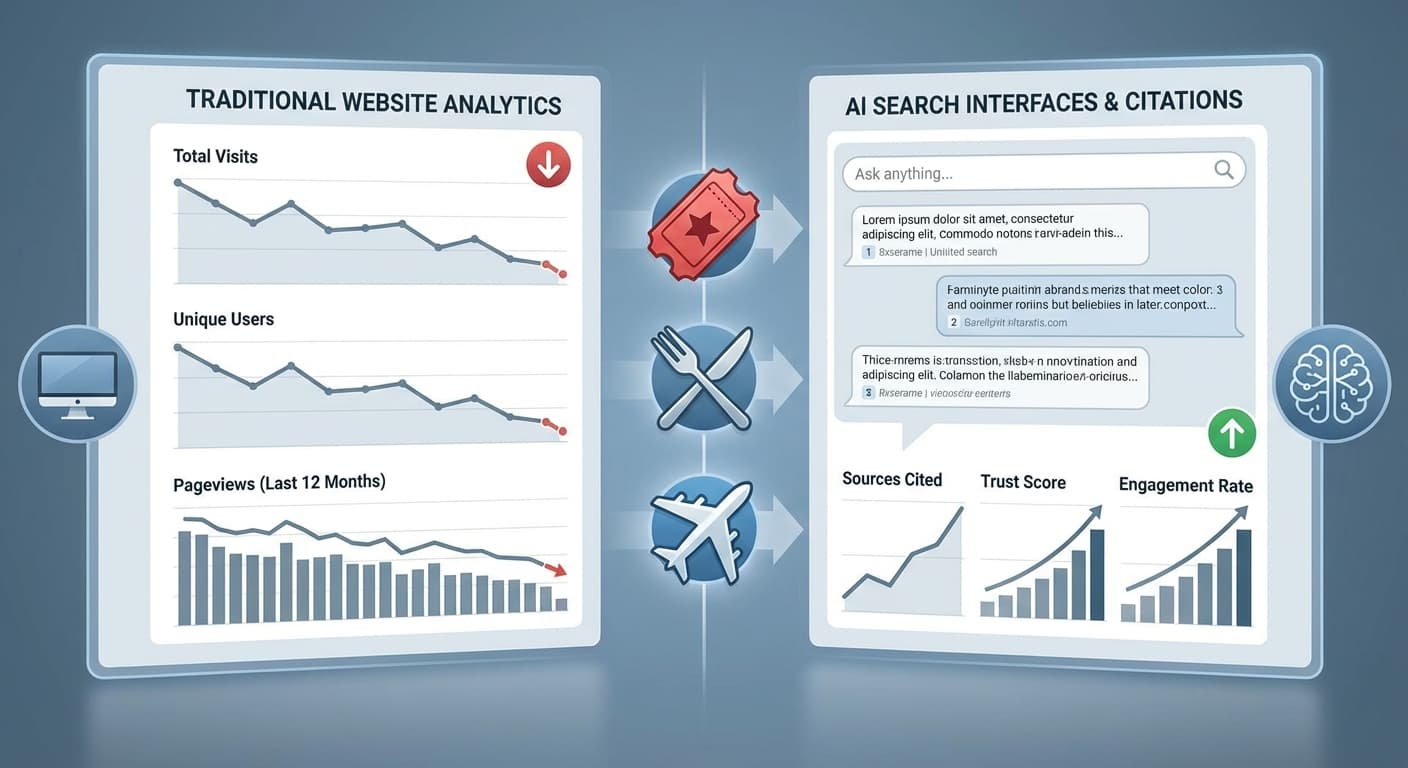
Is your enterprise SEO team still optimizing for Google's 10 blue links while AI search engines answer 40% of queries without users ever clicking through to websites? If you're nodding your head, you're not alone. As we navigate 2026, the most successful enterprise organizations are those that have successfully transitioned from traditional ranking-focused strategies to consensus-driven AI visibility approaches.
The challenge isn't just technical—it's organizational. The biggest bottleneck preventing enterprise SEO teams from adapting to AI search isn't knowledge gaps or budget constraints. It's cross-channel coordination.
The New Reality of Enterprise SEO in 2026
With over 650 million weekly ChatGPT users and Perplexity handling 4 billion queries monthly, AI search has fundamentally changed how people discover and consume information. Traditional SEO metrics like keyword rankings and click-through rates tell only part of the story.
In the AI-first search landscape, success is measured by:
Why Cross-Channel Coordination Becomes Critical
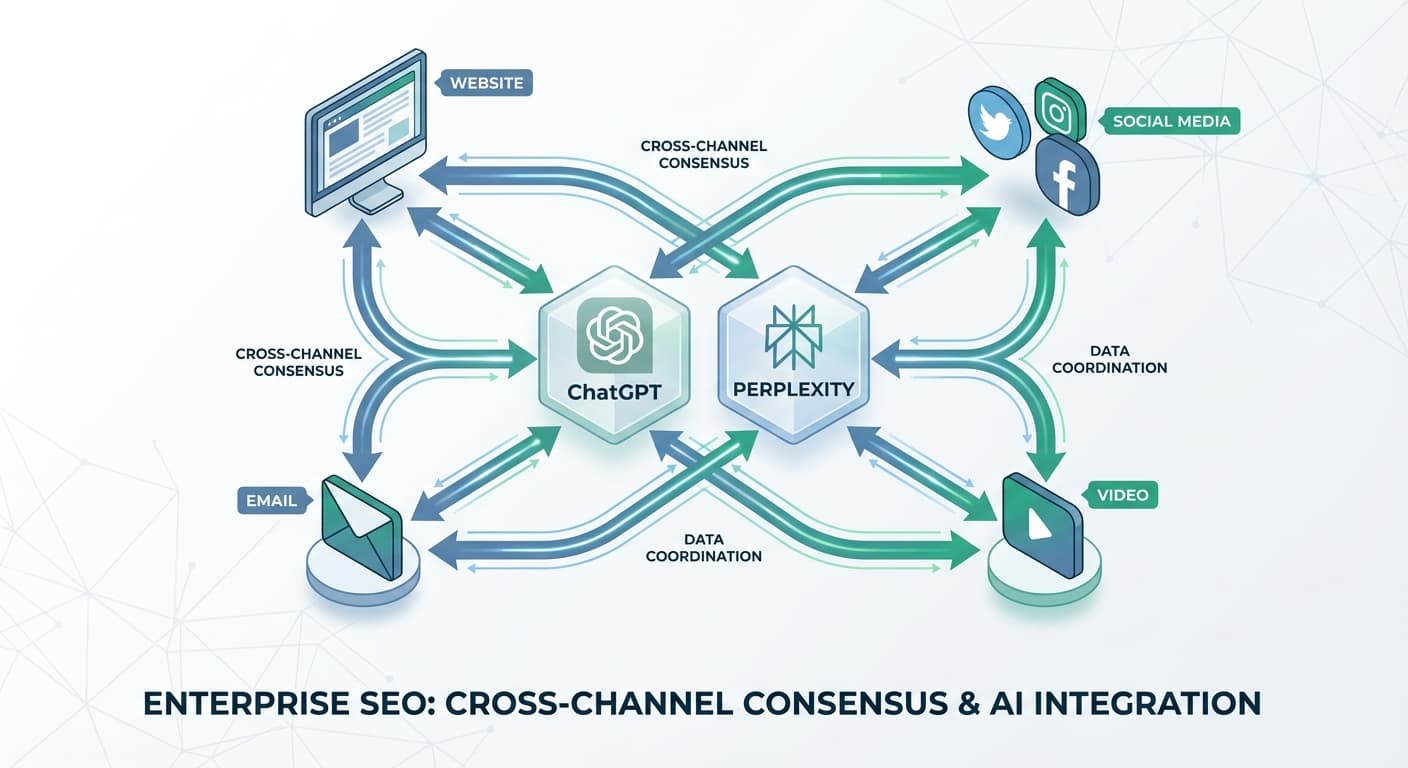
AI search engines don't operate in silos. When ChatGPT cites your content, it considers signals from:
This interconnectedness means that your social media team's hashtag strategy directly impacts your content's AI discoverability, and your email team's subject line optimization affects how AI engines interpret your expertise signals.
The Organizational Shift: From Silos to Consensus
Understanding Consensus-Driven AI Visibility
Consensus-driven AI visibility means creating content strategies that generate consistent authority signals across all digital touchpoints. Instead of optimizing individual pieces of content for specific keywords, you're building interconnected content ecosystems that reinforce your expertise through multiple channels.
This approach requires three fundamental shifts:
Breaking Down the Cross-Channel Coordination Bottleneck
The most common coordination challenges enterprise teams face include:
Misaligned Content Calendars
When your blog team publishes a comprehensive guide on "Enterprise AI Implementation" while your social team is promoting "Budget-Friendly Automation Tools," you're sending mixed expertise signals to AI engines.
Inconsistent Semantic Markup
Your website might use structured data perfectly, but if your YouTube descriptions lack proper categorization or your LinkedIn articles don't include relevant entity mentions, you're missing consensus opportunities.
Fragmented Authority Building
Traditional SEO teams focus on backlinks, but AI engines also weigh social proof, expert mentions in podcasts, newsletter subscriber engagement, and cross-platform content amplification.
A Framework for Organizational Transformation
Phase 1: Audit Your Current Cross-Channel Alignment
Before restructuring, understand where coordination gaps exist:
Phase 2: Establish Unified Content Governance
Create Cross-Functional Content Councils
Form monthly councils including representatives from:
Develop Shared Expertise Pillars
Instead of individual channel strategies, establish 3-5 core expertise areas that all channels will consistently reinforce. For example:
Phase 3: Implement Consensus-Driven Workflows
Topic Cluster Coordination
When creating content around a core topic:
Shared Semantic Guidelines
Develop organization-wide guidelines for:
Measuring Success in the Consensus Era
Traditional Metrics vs. Consensus Metrics
Traditional Focus:
Consensus-Driven Focus:
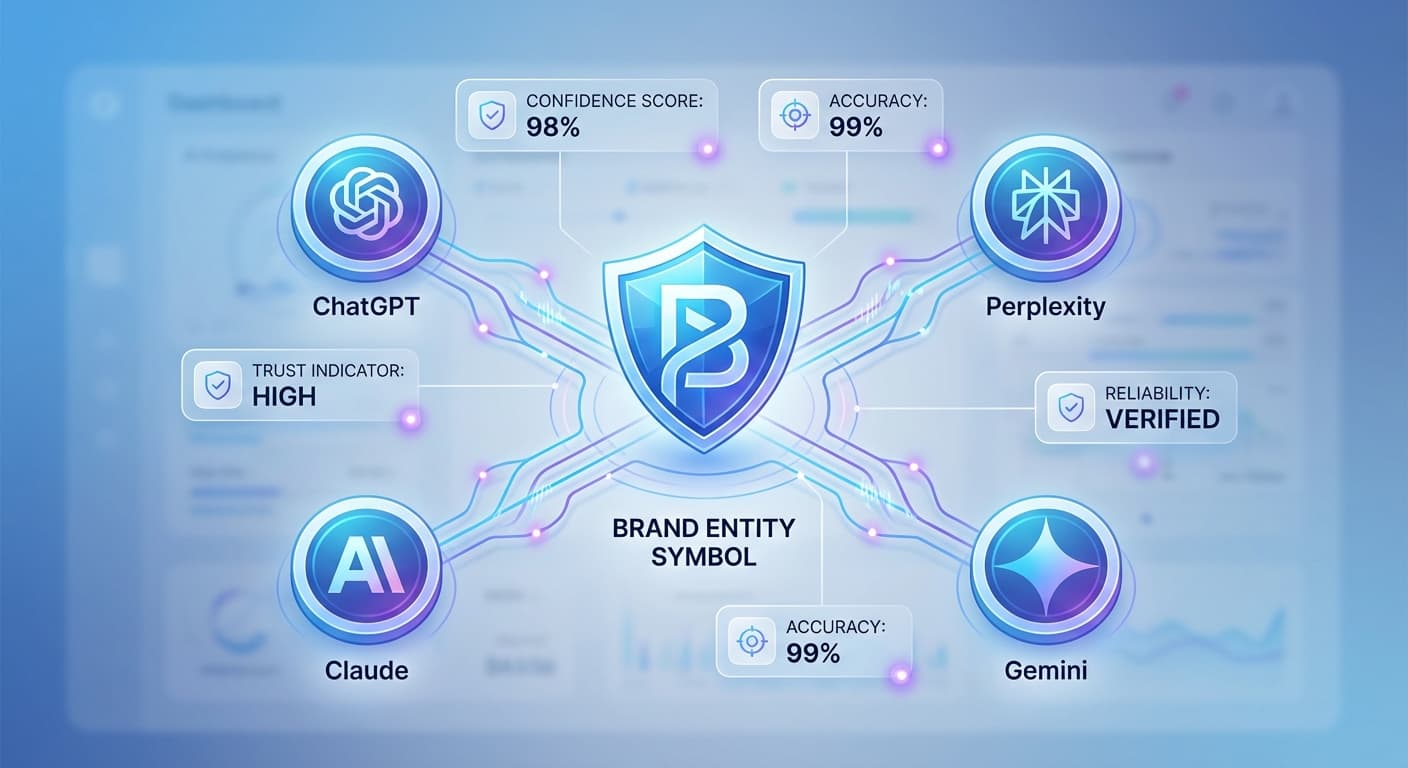
Tools like Citescope Ai help bridge this measurement gap by providing GEO Scores that analyze your content across AI Interpretability, Semantic Richness, Conversational Relevance, Structure, and Authority—giving you a unified view of how well your content performs across AI search platforms.
Setting Up Cross-Channel Success Metrics
Weekly Tracking:
Monthly Analysis:
Quarterly Strategic Review:
Overcoming Common Implementation Challenges
Challenge 1: Resource Allocation Conflicts
Solution: Instead of dividing resources by channel, allocate by expertise pillar. Each pillar gets cross-channel representation and budget.
Challenge 2: Technology Stack Integration
Solution: Implement tools that provide unified analytics across channels rather than trying to manually coordinate separate platform insights.
Challenge 3: Team Resistance to Change
Solution: Start with pilot programs focusing on one expertise pillar. Demonstrate ROI through AI citation improvements before rolling out organization-wide.
Future-Proofing Your Consensus Strategy
As AI search continues evolving, successful enterprise teams will be those that:
How Citescope Ai Helps Bridge the Coordination Gap
The transition to consensus-driven AI visibility requires tools that can analyze and optimize content across multiple dimensions simultaneously. Citescope Ai addresses the cross-channel coordination bottleneck by:
This integrated approach helps enterprise teams move beyond channel-specific optimization to truly consensus-driven strategies.
Ready to Optimize for AI Search?
Transitioning your enterprise SEO team to consensus-driven AI visibility doesn't happen overnight, but the organizations making this shift now are building sustainable competitive advantages for the AI-first future. Citescope Ai provides the tools and insights you need to coordinate across channels, measure consensus signals, and optimize for AI search engines effectively. Start with our free tier to analyze your first three content pieces and see how consensus-driven optimization can transform your enterprise content strategy.