How to Track and Optimize for Google's Complex AI Agent Sub-Searches in 2026
How to Track and Optimize for Google's Complex AI Agent Sub-Searches in 2026
By 2026, a single voice query like "plan my weekend in Seattle with my kids" triggers an average of 5.2 AI agent sub-tasks across Google's ecosystem. Yet most brands are only tracking one referral source, missing 80% of their AI-driven traffic attribution. If you're still optimizing content like it's 2024, you're leaving massive opportunities on the table.
The Hidden Complexity of Modern AI Search
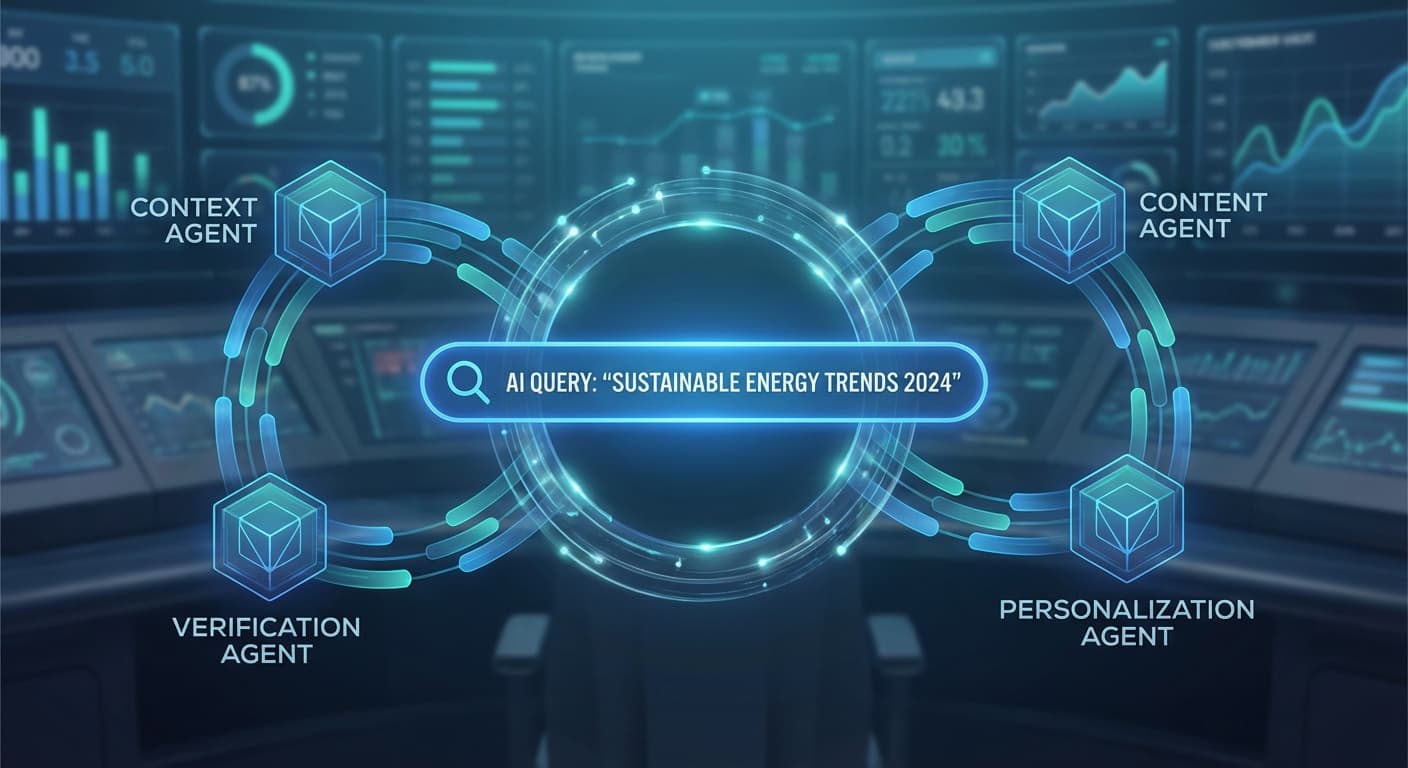
Google's AI Overviews have evolved dramatically since their rocky 2024 launch. Today's multimodal queries don't just search once – they spawn multiple specialized AI agents that work simultaneously:
When someone asks "What's the best Italian restaurant near me with gluten-free options?", Google's AI might simultaneously:
Each of these sub-searches could potentially cite your content, but traditional analytics only show the final click-through as a single "Google" referral.
Why Traditional Analytics Fall Short
The Attribution Gap
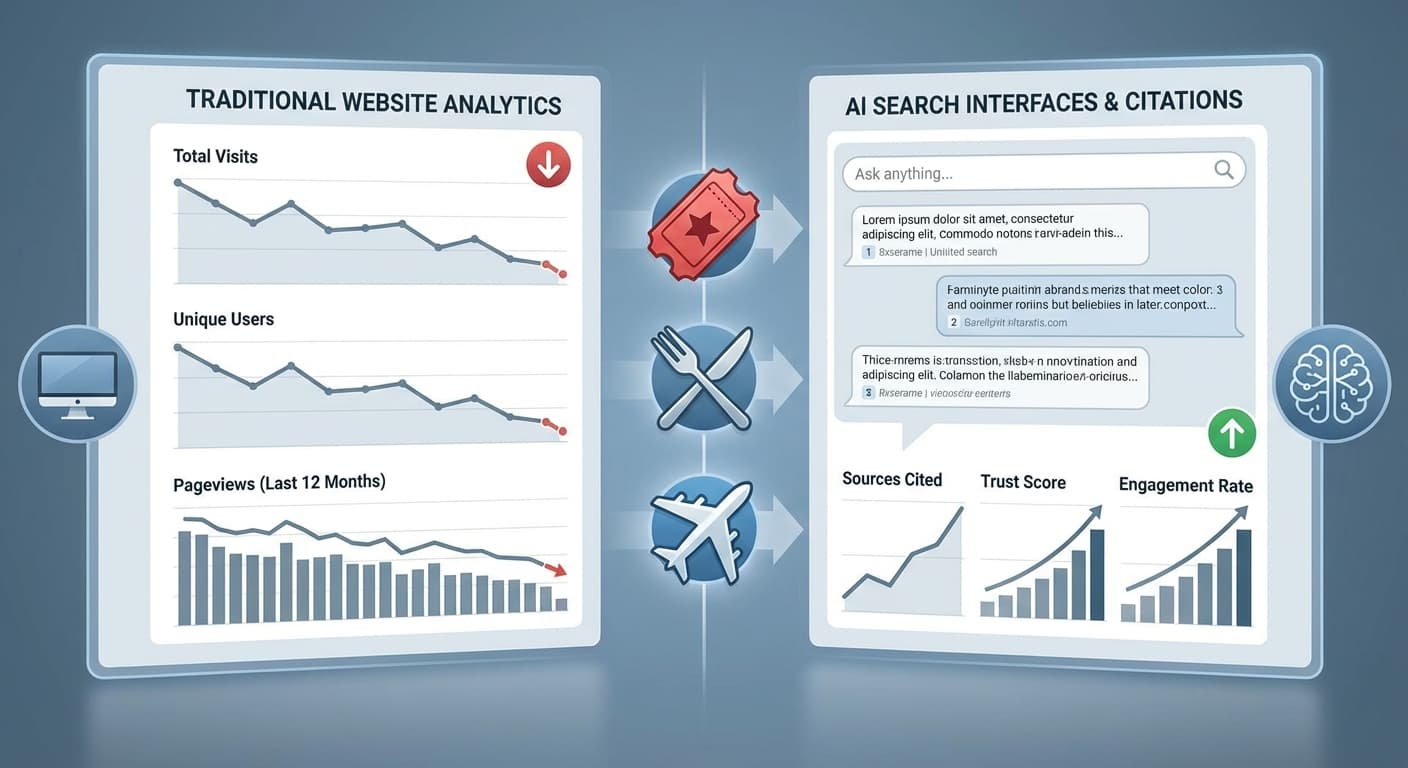
Current tracking methods capture maybe 20% of AI-driven brand exposure. Here's what you're missing:
The Compounding Effect
When your content gets cited in an AI Overview, it often triggers additional sub-searches. A mention in a travel recommendation might lead to:
Each creates another opportunity for citation – or for competitors to capture attention you generated.
Strategies for Multi-Agent Optimization
1. Create Content Clusters for Agent Specialization
Different AI agents prioritize different content types. Structure your content to appeal to each:
For Context Agents:
For Content Agents:
For Verification Agents:
2. Implement Semantic Content Mapping
Map your content to the full customer journey, not just primary keywords:
This ensures you're discoverable across all AI agent sub-searches throughout the buyer's journey.
3. Optimize for Conversational Query Chains
AI searches often follow conversational patterns. Optimize content to answer follow-up questions:
Primary Query: "Best project management software"
Follow-ups you should address:
Create interconnected content that naturally flows from one query to the next.
Advanced Tracking Strategies
1. Brand Mention Monitoring Across AI Platforms
Set up monitoring for your brand across multiple AI search engines:
Tools like Citescope Ai's Citation Tracker automatically monitor these platforms, giving you visibility into mentions you'd never catch with traditional analytics.
2. Multi-Touch Attribution Modeling
Implement attribution models that account for AI-driven touchpoints:
3. Content Performance Correlation Analysis
Track which content pieces correlate with:
These indirect signals often indicate AI-driven brand exposure that doesn't show up in referral data.
Measuring Success in the Multi-Agent Era
New KPIs to Track
AI Visibility Metrics:
Indirect Impact Metrics:
Content Performance Indicators:
Setting Up Dashboard Tracking
Create dashboards that correlate:
Look for patterns where AI citations precede traffic spikes, even if the referral source shows as "direct" or "unknown."
Content Optimization for Multi-Agent Systems
Structure for Machine Readability
Write for Both Humans and AI
For humans: Engaging storytelling and emotional connection
For AI: Clear, factual information with proper context
For both: Logical flow and comprehensive coverage of topics
How Citescope Ai Helps Navigate Multi-Agent Optimization
While traditional analytics leave you blind to 80% of AI-driven brand exposure, specialized tools can bridge this gap. Citescope Ai's Citation Tracker monitors your brand mentions across ChatGPT, Perplexity, Claude, and Google's AI systems – giving you the visibility needed to understand your true AI search performance.
The platform's GEO Score analyzes your content across five dimensions that matter to AI agents: interpretability, semantic richness, conversational relevance, structure, and authority. This helps you optimize for the specific factors that determine whether AI systems cite your content in their responses.
With the AI Rewriter feature, you can restructure existing content for better AI visibility without starting from scratch, while the Citation Tracker shows you exactly when and where your optimization efforts pay off across multiple AI platforms.
The Future of Multi-Agent Search
As AI search continues evolving, expect even more complex agent interactions. Google's recent patents suggest future systems will:
Brands that master multi-agent optimization now will have significant advantages as these systems become more sophisticated.
Ready to Optimize for AI Search?
The complexity of modern AI search requires new approaches to content optimization and performance tracking. While traditional SEO focused on ranking for individual keywords, success in 2026 means optimizing for entire conversation flows and tracking brand mentions across multiple AI platforms.
Citescope Ai provides the tools you need to understand and optimize for this new reality. From comprehensive citation tracking to AI-specific content optimization, our platform helps you capture the 80% of AI-driven brand exposure that traditional analytics miss.
Start with our free tier to optimize 3 pieces of content per month, or upgrade to Pro ($39/mo) for unlimited optimizations and comprehensive citation tracking. Don't let complex AI agent systems leave your brand invisible – take control of your AI search presence today.