How to Structure Your Content for Agentic AI Systems That Make Autonomous Purchase Decisions Without User Input

How to Structure Your Content for Agentic AI Systems That Make Autonomous Purchase Decisions Without User Input
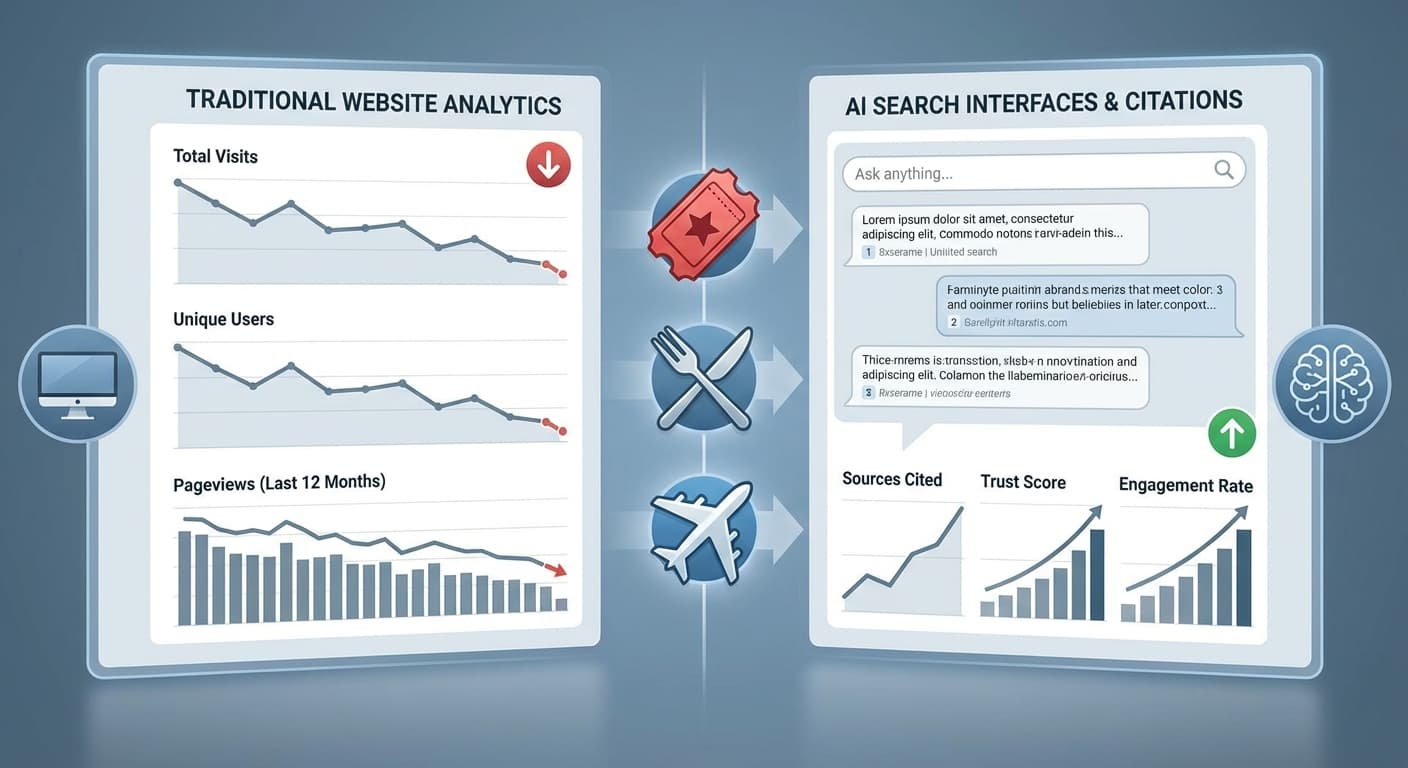
Imagine an AI agent that automatically orders office supplies when inventory runs low, books travel based on calendar patterns, or even selects software solutions—all without asking permission. By 2026, over 40% of B2B purchases are influenced by agentic AI systems that make autonomous decisions, and this percentage is climbing rapidly. These aren't just recommendation engines; they're sophisticated agents with decision-making authority and purchasing power.
For content creators and businesses, this represents both an enormous opportunity and a critical challenge. How do you structure your content so these autonomous AI systems not only discover your products but actually choose them over competitors?
The Rise of Autonomous AI Decision-Makers
Agentic AI systems have evolved far beyond simple chatbots. Today's AI agents can:
According to recent industry data, companies using agentic AI for procurement report 35% faster decision-making and 28% cost savings compared to traditional purchasing processes. These systems are particularly prevalent in:
Understanding How Agentic AI Evaluates Content
Unlike human buyers who might skim headlines and make emotional decisions, agentic AI systems process information systematically. They evaluate content based on:
Structured Data and Clear Hierarchies
AI agents excel at parsing structured information. They look for:
Objective Evidence and Proof Points
Autonomous systems prioritize verifiable information:
Decision-Making Frameworks
Agentic AI follows logical decision trees. Your content should support this by:
Essential Content Structure Elements for Agentic AI
1. Lead with Clear Value Propositions
Start every piece of content with a precise, quantifiable value statement. Instead of "Improve your workflow," write "Reduce task completion time by 40% while maintaining 99.9% accuracy rates."
Effective structure:
2. Create Scannable Information Architecture
Agentic AI systems process large volumes of content quickly. Structure yours for maximum scannability:
Use consistent formatting:
3. Implement Schema Markup and Structured Data
Help AI agents understand your content context by implementing:
While working with complex structured data, tools like Citescope can analyze how well your content aligns with AI interpretation patterns, ensuring your schema markup actually improves AI visibility rather than just checking boxes.
4. Build Comprehensive FAQ Sections
Agentic AI systems often start their evaluation process by seeking answers to specific questions. Anticipate these by creating detailed FAQ sections that address:
5. Provide Clear Decision-Making Criteria
Help AI agents evaluate your solution by explicitly stating:
When your product is the right choice:
When it might not be suitable:
Content Optimization Strategies for Different AI Agents
Enterprise Procurement AI
These systems evaluate based on:
Content focus: Detailed TCO breakdowns, implementation timelines, compliance certifications, and enterprise case studies.
Technical Evaluation AI
Technical AI agents prioritize:
Content focus: Technical documentation, performance data, security whitepapers, and developer resources.
Operations Management AI
Operational AI systems look for:
Content focus: Process improvement case studies, efficiency metrics, automation examples, and implementation support.
Advanced Tactics for AI Agent Optimization
Create Decision-Tree Content
Structure content to mirror how AI agents evaluate options:
Develop Comparative Content
AI agents excel at comparative analysis. Create content that:
Implement Progressive Disclosure
Layer information to match AI processing patterns:
Measuring Success with Agentic AI Systems
Track these metrics to understand your content's performance with autonomous AI:
How Citescope Helps Optimize for Agentic AI
Citescope's GEO Score analyzes your content across five critical dimensions that matter to agentic AI systems:
The AI Rewriter feature restructures your content specifically for better autonomous AI visibility, while the Citation Tracker monitors when your content influences AI system recommendations—crucial intelligence for understanding your impact on agentic purchasing decisions.
Ready to Optimize for AI Search?
As agentic AI systems become the primary decision-makers for B2B purchases, optimizing your content for these autonomous agents isn't just an advantage—it's essential for survival. Citescope provides the tools and insights you need to structure content that not only gets discovered by AI agents but actually influences their purchasing decisions.
Start optimizing your content for the age of autonomous AI today. Try Citescope free and see how your content performs with our GEO Score analysis—no credit card required.