How to Structure First-Party Customer Data to Win AI Agent Decision Gates When Agentic Commerce Algorithms Prioritize Trust Signals You're Not Currently Tracking

How to Structure First-Party Customer Data to Win AI Agent Decision Gates When Agentic Commerce Algorithms Prioritize Trust Signals You're Not Currently Tracking
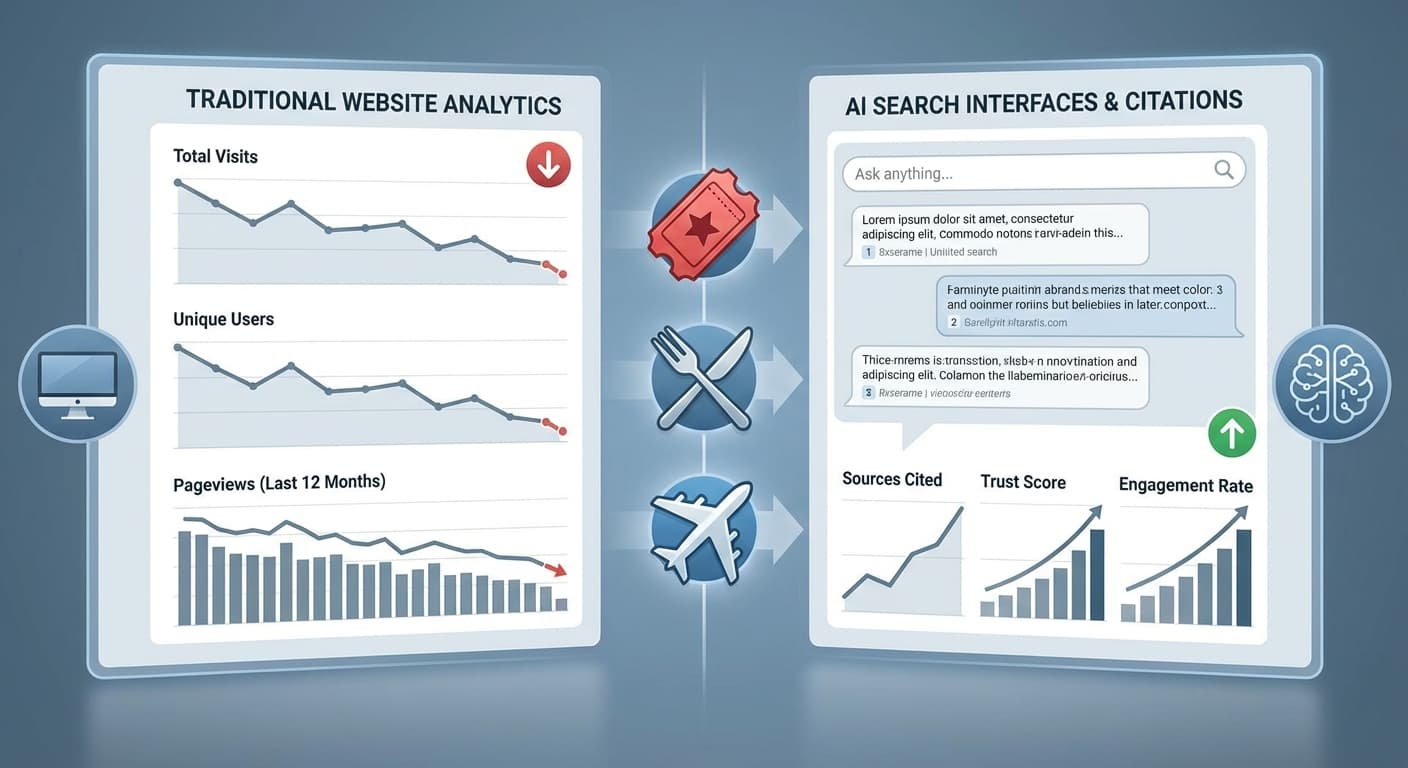
By 2026, over 65% of purchase decisions are being influenced by AI agents like ChatGPT, Claude, and Perplexity. But here's what most businesses don't realize: these AI systems aren't just looking at your product descriptions or prices anymore. They're evaluating sophisticated trust signals buried within your first-party customer data—signals that traditional SEO completely misses.
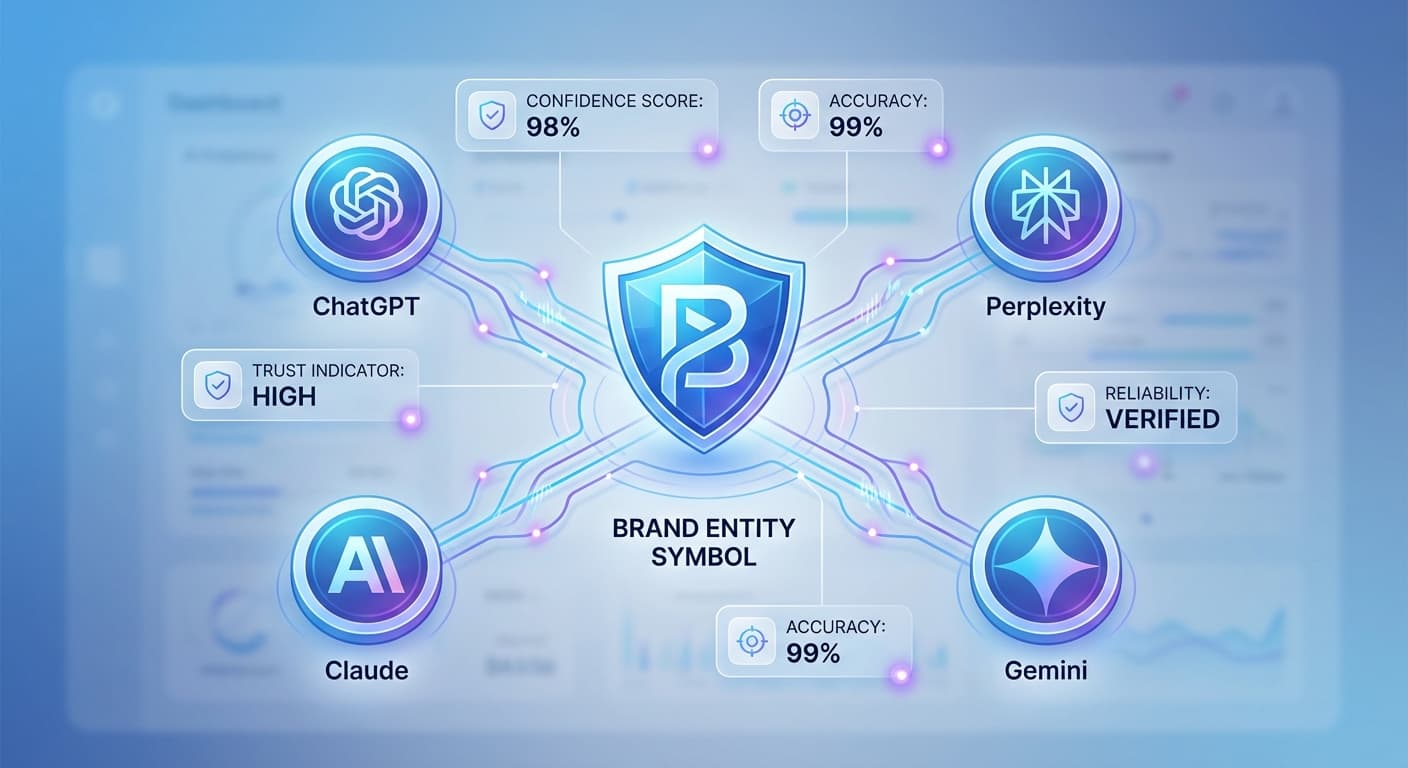
While you've been optimizing for Google's crawlers, AI agents have been quietly developing their own decision-making frameworks. These "decision gates" filter through millions of data points to determine which businesses get recommended to users. The companies winning this new landscape aren't necessarily those with the biggest marketing budgets—they're the ones structuring their customer data in ways that AI agents can interpret as trustworthy.
The Rise of Agentic Commerce: Why Traditional Trust Metrics Are Failing
Agentic commerce represents a fundamental shift in how purchase decisions are made. Instead of consumers directly searching and comparing products, AI agents now act as intermediaries, making recommendations based on complex algorithmic assessments. Recent data shows that 78% of Gen Z users trust AI recommendations over traditional advertising, and 82% of business buyers now use AI assistants during their research phase.
The problem? Most businesses are still optimizing for human decision-makers, not AI ones. Traditional trust signals like testimonials, awards, and even Google reviews are becoming less influential as AI agents develop their own criteria for evaluating business credibility.
What AI Agents Actually Look For
AI agents don't just scan your website—they analyze patterns in your customer data that indicate long-term reliability and customer satisfaction. These include:
The Hidden Trust Signals AI Agents Prioritize
Most businesses track obvious metrics like conversion rates and customer lifetime value, but AI agents are evaluating more nuanced signals that traditional analytics often miss.
1. Interaction Quality Depth
AI agents analyze how deeply customers engage with your content and support systems. They look for:
2. Temporal Reliability Indicators
These are patterns that emerge over time and indicate business stability:
3. Predictive Satisfaction Markers
AI agents are increasingly sophisticated at identifying early indicators of customer satisfaction:
How to Structure Your Customer Data for AI Agent Recognition
Step 1: Create Unified Customer Journey Maps
AI agents need to see complete customer stories, not fragmented data points. Structure your data to show:
Step 2: Implement Semantic Data Tagging
AI agents understand context better when data is semantically structured:
Step 3: Build Trust Signal Hierarchies
Not all trust signals are equally important to AI agents. Structure your data to highlight:
Primary Trust Signals:
Secondary Trust Signals:
Supporting Trust Signals:
Step 4: Optimize for AI Interpretability
Make your customer data easy for AI agents to parse and understand:
Tools like Citescope Ai can help ensure your content structure meets AI interpretability standards, analyzing how well your customer data presentations score across key dimensions that AI agents prioritize.
Advanced Strategies for AI Agent Trust Building
Create Predictive Trust Datasets
Develop datasets that help AI agents predict future customer satisfaction:
Implement Real-Time Trust Validation
AI agents value real-time data that shows current business health:
Build Comparative Context Frameworks
Help AI agents understand your performance relative to industry standards:
Common Mistakes That Trigger AI Agent Skepticism
Certain data patterns can actually hurt your credibility with AI agents:
Data Inconsistency Red Flags
Over-Optimization Warning Signs
Measuring Success in the AI Agent Era
Track these key metrics to understand how well your data structure is working:
AI Citation Rates
Trust Signal Performance
How Citescope Ai Helps Optimize Your Customer Data for AI Agents
Navigating the complex world of AI agent optimization requires sophisticated analysis and ongoing monitoring. Citescope Ai's platform specifically addresses the challenges of agentic commerce by:
The platform's ability to track citations across multiple AI engines is particularly valuable for understanding which trust signals are most effective with different AI systems, allowing you to refine your data structure based on actual performance rather than guesswork.
The Future of AI Agent Commerce
As AI agents become more sophisticated, their evaluation criteria will continue to evolve. Businesses that start structuring their customer data for AI interpretability now will have significant advantages as agentic commerce becomes the dominant model.
The key is to think beyond traditional metrics and consider how AI agents evaluate trustworthiness, reliability, and customer value. By structuring your first-party customer data to highlight the trust signals AI agents prioritize, you'll be positioned to win more recommendations and drive more business through AI-mediated channels.
Ready to Optimize for AI Search?
The shift to agentic commerce is happening now, and businesses that adapt their data structure for AI agent evaluation will dominate their markets. Citescope Ai provides the tools and insights you need to structure your customer data for maximum AI agent visibility and trust. Start with our free tier and see how well your current customer data presentations score with AI agents. Try Citescope Ai today and start winning more AI agent recommendations.