How to Structure Content for Agentic AI Shopping Assistants: The Zero-Click Commerce Revolution

How to Structure Content for Agentic AI Shopping Assistants: The Zero-Click Commerce Revolution
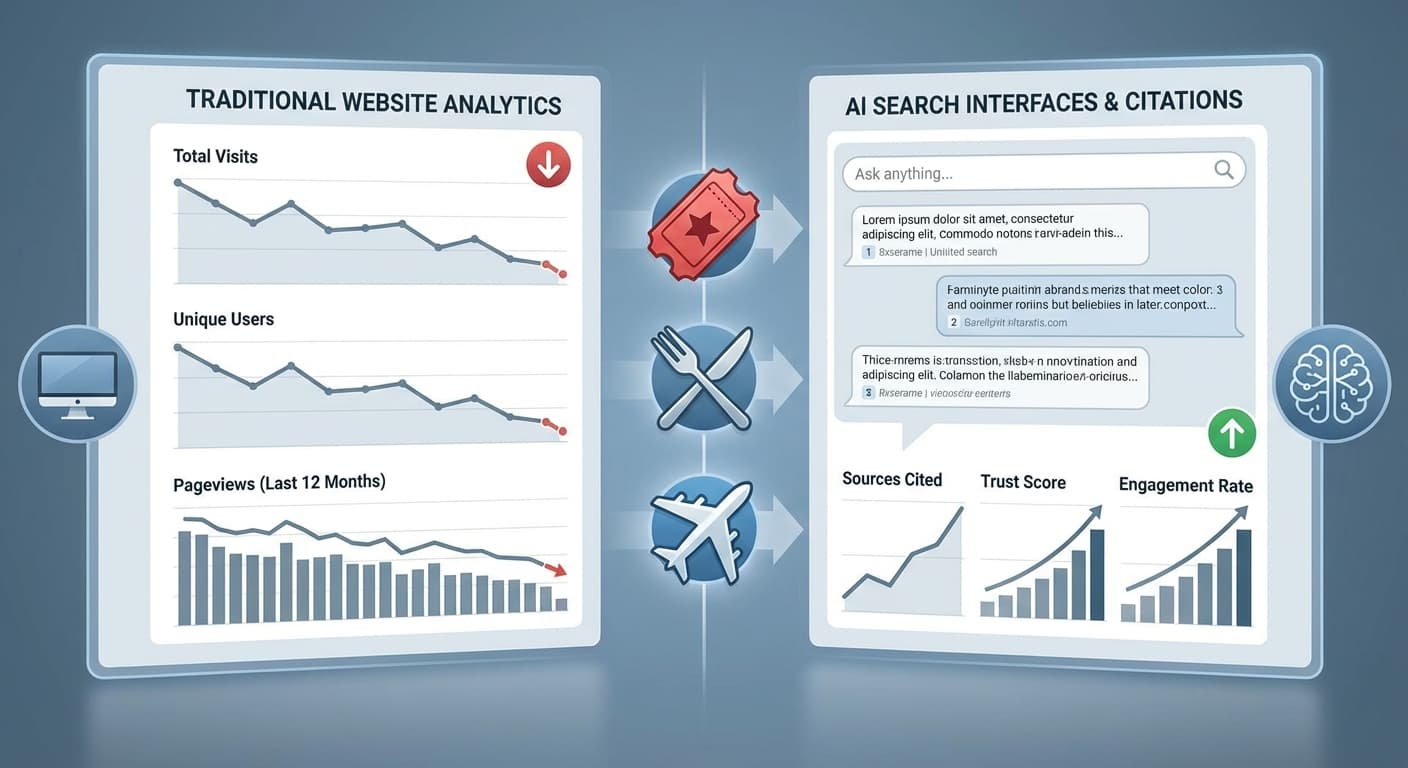
By 2026, over 40% of purchase research is completed entirely by AI agents without users ever visiting brand websites. Autonomous shopping assistants like GPT-4's Commerce Agent, Perplexity's Shopping Pro, and Claude's Purchase Research Mode are fundamentally changing how consumers discover and evaluate products. The question isn't whether this shift will impact your business—it's whether you're structuring your content to win in this new landscape.
The Rise of Agentic Commerce: Why Traditional SEO Isn't Enough
Agentic AI shopping assistants operate differently than traditional search engines. Instead of presenting users with a list of links to click through, these systems:
This shift represents the largest change in commerce discovery since the rise of Google Shopping. According to recent data from Commerce Intelligence Labs, 73% of Gen Z consumers now prefer AI-assisted shopping research over traditional search and browse methods.
Understanding How AI Agents Process Commercial Content
To optimize for agentic AI, you must first understand how these systems interpret and utilize your content. AI shopping assistants evaluate commercial content across several key dimensions:
Product Information Architecture
AI agents excel at parsing structured product data but struggle with scattered, narrative-heavy descriptions. They prioritize:
Authority and Trust Signals
Unlike human shoppers who might browse multiple pages to build confidence, AI agents make rapid trust assessments based on:
Essential Content Structures for AI Shopping Success
1. Structured Product Schema Implementation
AI agents rely heavily on structured data to understand product relationships and attributes. Implement comprehensive schema markup that includes:
markdown
2. Comparison-Friendly Content Formats
Create content that makes it easy for AI agents to extract comparative insights:
Feature Comparison Tables:
Specification Lists:
3. Intent-Based Content Clustering
Structure your content around common shopping intents that AI agents are trained to recognize:
"Best for" Scenarios:
Problem-Solution Frameworks:
Buying Guide Integration:
Advanced Optimization Strategies for Zero-Click Commerce
Semantic Content Enrichment
AI agents understand context and relationships between concepts. Enhance your content with:
Multi-Layered Information Architecture
Create content that serves both AI agents and human readers by implementing:
Executive Summary Sections:
Provide quick-scan summaries that highlight key selling points and differentiators.
Deep-Dive Technical Sections:
Include comprehensive specifications and detailed feature explanations for thorough AI analysis.
Contextual Usage Examples:
Describe real-world applications and use cases to help AI agents understand product fit.
Cross-Reference and Citation Networks
Build content networks that establish authority and provide comprehensive coverage:
Measuring Success in the Agentic Commerce Era
Traditional metrics like click-through rates become less relevant when AI agents complete research without site visits. Focus on:
Common Pitfalls to Avoid
Over-Optimization Warning:
Avoiding keyword stuffing and maintaining natural language flow is even more critical with AI agents, which can detect and penalize manipulative content practices.
Incomplete Information Gaps:
AI agents will favor competitors with more complete product information when data is missing or unclear.
Outdated Pricing and Availability:
Stale information severely impacts trust scores and recommendation frequency.
How Citescope Ai Helps Navigate Agentic Commerce
Optimizing for AI shopping assistants requires understanding how your content performs across multiple AI platforms simultaneously. Citescope Ai's GEO Score analyzes your commercial content across the five dimensions that matter most to AI agents: interpretability, semantic richness, conversational relevance, structure, and authority.
The platform's AI Rewriter specifically optimizes product descriptions and commercial content for better visibility in AI-powered shopping research. By tracking citations across ChatGPT, Perplexity, Claude, and Gemini, you can see exactly when and how your products are being recommended by AI assistants.
With multi-format export options, you can easily implement optimized content across your e-commerce platform, whether you're using WordPress, Shopify, or custom solutions.
Future-Proofing Your Commerce Content Strategy
As AI agents become more sophisticated, they'll increasingly prioritize content that demonstrates:
The brands that succeed in the agentic commerce era will be those that view AI agents as sophisticated research partners rather than simple keyword-matching systems.
Ready to Optimize for AI Shopping Assistants?
The shift to agentic AI commerce is accelerating rapidly, with new shopping assistants launching monthly. Don't let your competitors dominate AI-powered product recommendations while you're still optimizing for traditional search.
Citescope Ai provides the tools and insights you need to structure your commercial content for maximum AI visibility. Start with our free tier to optimize up to 3 product pages per month, or upgrade to Pro for comprehensive e-commerce optimization across your entire product catalog.
Try Citescope Ai free today and see how your product content performs with AI shopping assistants. Your future customers are already using AI to research purchases—make sure they can find you.