How to Show Up in ChatGPT Search Results: A Complete Guide to AI Visibility in 2026

How to Show Up in ChatGPT Search Results: A Complete Guide to AI Visibility in 2026
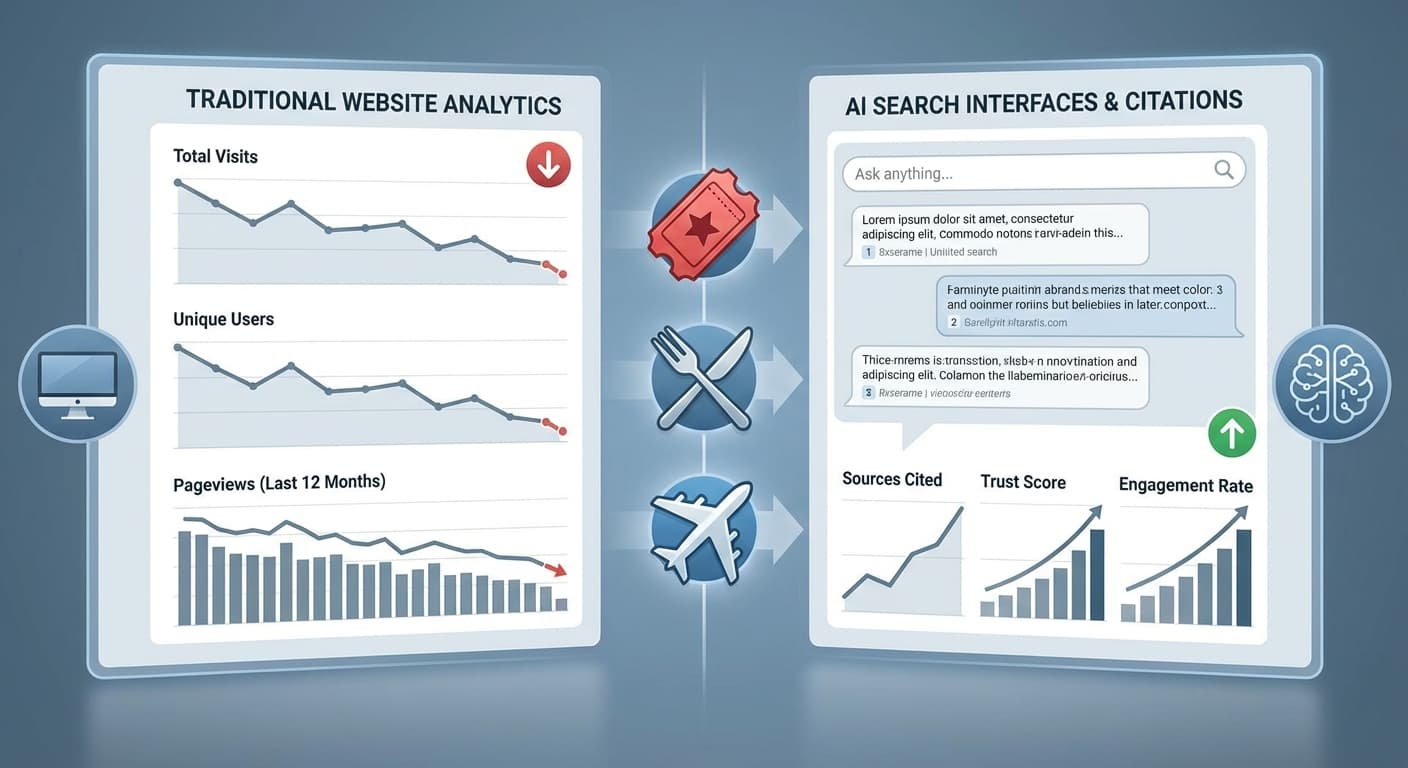
Did you know that ChatGPT now processes over 3 billion searches per month, with 40% of users turning to it as their primary search engine for specific topics? As we move through 2026, the landscape of search has fundamentally shifted. Traditional Google searches are no longer the only game in town – AI-powered search engines like ChatGPT, Perplexity, and Claude are reshaping how people discover information.
If your content isn't optimized for AI search, you're missing out on a massive and rapidly growing audience. But here's the challenge: getting discovered in ChatGPT search results requires a completely different approach than traditional SEO.
Why ChatGPT Search Matters More Than Ever
ChatGPT's search feature has evolved dramatically since its initial launch. By 2026, it's no longer just a conversational AI – it's become a sophisticated search engine that:
Unlike traditional search engines that show you a list of links, ChatGPT synthesizes information from multiple sources and presents a comprehensive answer. This means the competition isn't just about ranking #1 – it's about being one of the trusted sources ChatGPT cites in its responses.
Understanding How ChatGPT Selects Sources
ChatGPT's source selection process considers several key factors:
Content Authority and Credibility
Content Structure and Clarity
Semantic Relevance
8 Proven Strategies to Show Up in ChatGPT Search
1. Optimize for Question-Based Queries
ChatGPT users typically ask questions rather than searching with keywords. Structure your content to answer specific questions:
Instead of targeting: "social media marketing tips"
Target questions like:
Create dedicated FAQ sections and use question-based headings throughout your content.
2. Build Topical Authority
ChatGPT favors sources that demonstrate deep expertise in specific areas. Rather than covering every topic under the sun, focus on becoming the go-to resource for your niche:
3. Use Data-Driven Content
ChatGPT heavily weights factual, data-backed information. Include:
4. Optimize Content Structure
ChatGPT processes well-structured content more effectively:
Essential elements:
5. Create Comprehensive, Long-Form Content
While ChatGPT can cite shorter pieces, comprehensive content performs better:
6. Focus on E-A-T (Expertise, Authoritativeness, Trustworthiness)
Expertise signals:
Authority indicators:
Trust factors:
7. Optimize for Featured Snippets
Content that ranks for Google's featured snippets often gets cited by ChatGPT:
8. Leverage Schema Markup
Structured data helps AI engines better understand your content:
Content Formats That Perform Best
Ultimate Guides and Comprehensive Resources
Long-form guides that cover topics exhaustively tend to get cited frequently. These become reference materials that ChatGPT draws from repeatedly.
Data-Rich Reports and Studies
Original research, industry surveys, and trend reports provide the factual foundation ChatGPT needs for authoritative answers.
Step-by-Step Tutorials
Actionable, process-oriented content answers the "how-to" queries that make up a significant portion of ChatGPT searches.
Expert Interviews and Roundups
Content featuring multiple expert perspectives provides the comprehensive viewpoints ChatGPT values.
Measuring Your AI Search Success
Tracking performance in AI search requires different metrics than traditional SEO:
Direct Measurement
Indirect Indicators
Common Mistakes to Avoid
Over-Optimization
Don't stuff your content with keywords or create artificial question-answer patterns. ChatGPT favors natural, conversational content.
Neglecting Mobile Experience
ChatGPT considers user experience signals, including mobile performance and page load speeds.
Ignoring Content Updates
Stale content loses relevance in AI search. Regularly refresh your high-performing articles with new data and insights.
Focusing Only on Rankings
Unlike traditional SEO, AI search success isn't about ranking #1. Focus on being a cited, trusted source among the top results.
How Citescope Helps You Dominate AI Search
Optimizing for ChatGPT and other AI search engines requires a systematic approach that goes beyond traditional SEO tactics. This is where Citescope becomes invaluable for content creators and marketers.
Citescope's GEO Score analyzes your content across five critical dimensions that directly impact AI search visibility:
AI Interpretability: How easily can AI engines understand and process your content?
Semantic Richness: Does your content cover topics with the depth and context AI engines prefer?
Conversational Relevance: Is your content structured to answer the natural language queries people ask AI?
Structure: Are you using the heading hierarchy, lists, and formatting that AI engines favor?
Authority: Do you have the credibility signals that make AI engines trust your content?
The platform's AI Rewriter feature takes the guesswork out of optimization. With one click, it restructures your content using proven strategies that increase AI citation rates. Instead of spending hours manually optimizing each piece, you can transform your entire content library efficiently.
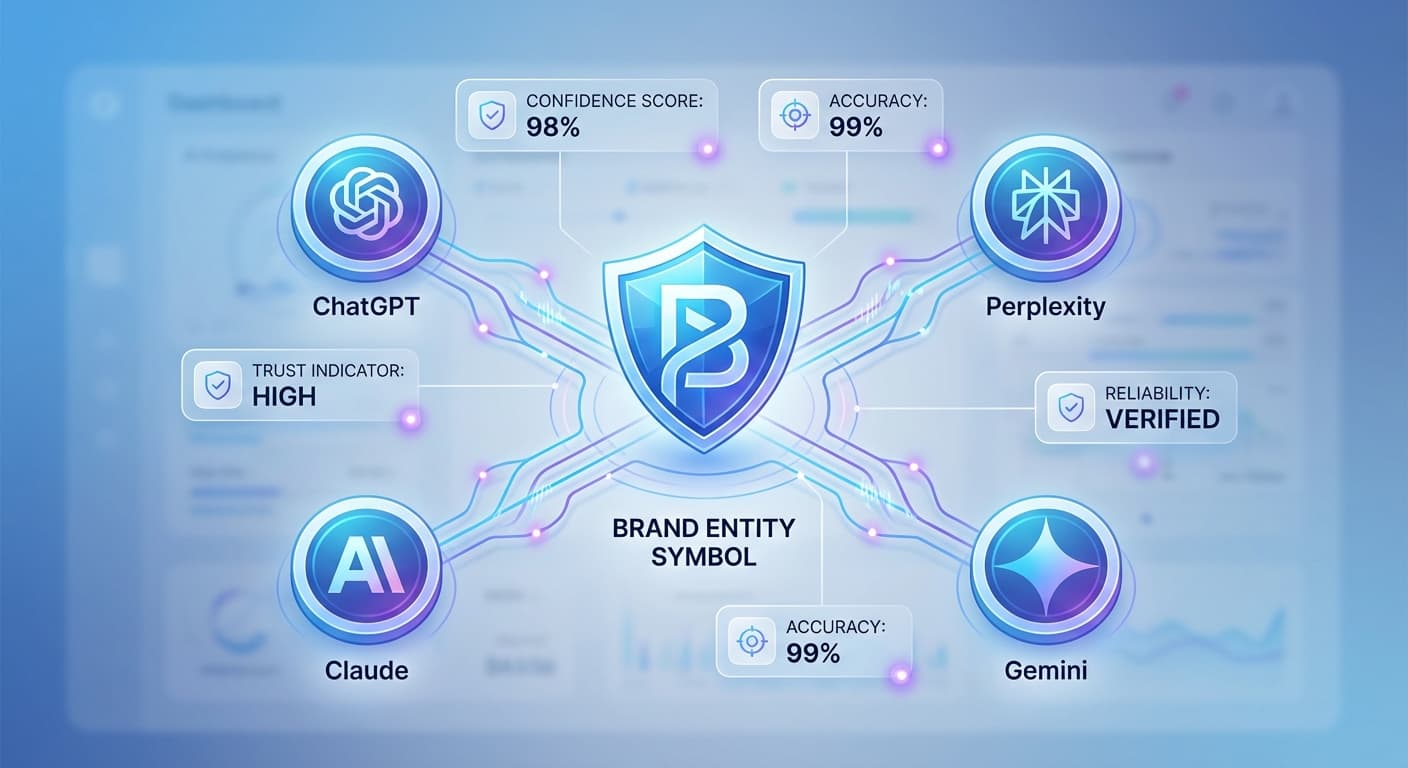
Most importantly, Citescope's Citation Tracker monitors when ChatGPT, Perplexity, Claude, and Gemini actually cite your content. This direct feedback loop helps you understand which optimization strategies are working and which need refinement.
The Future of AI Search Optimization
As we progress through 2026, AI search will only become more sophisticated. Emerging trends include:
The brands and content creators who establish authority in AI search now will have a significant competitive advantage as these platforms continue to evolve.
Ready to Optimize for AI Search?
Showing up in ChatGPT search results isn't just about following best practices – it requires a strategic, data-driven approach that evolves with the technology. Citescope provides the tools and insights you need to not just participate in the AI search revolution, but to lead it.
Start with our free tier and analyze your first three pieces of content. See how your current content measures up against AI search best practices and discover specific optimizations that can increase your citation rates. Join thousands of content creators who are already dominating AI search results with Citescope.
Try Citescope free today and turn your content into an AI search magnet.