How to Scale Third-Party Authority Signal Acquisition When 85% of High-Intent AI Citations Come From External Reviews
How to Scale Third-Party Authority Signal Acquisition When 85% of High-Intent AI Citations Come From External Reviews
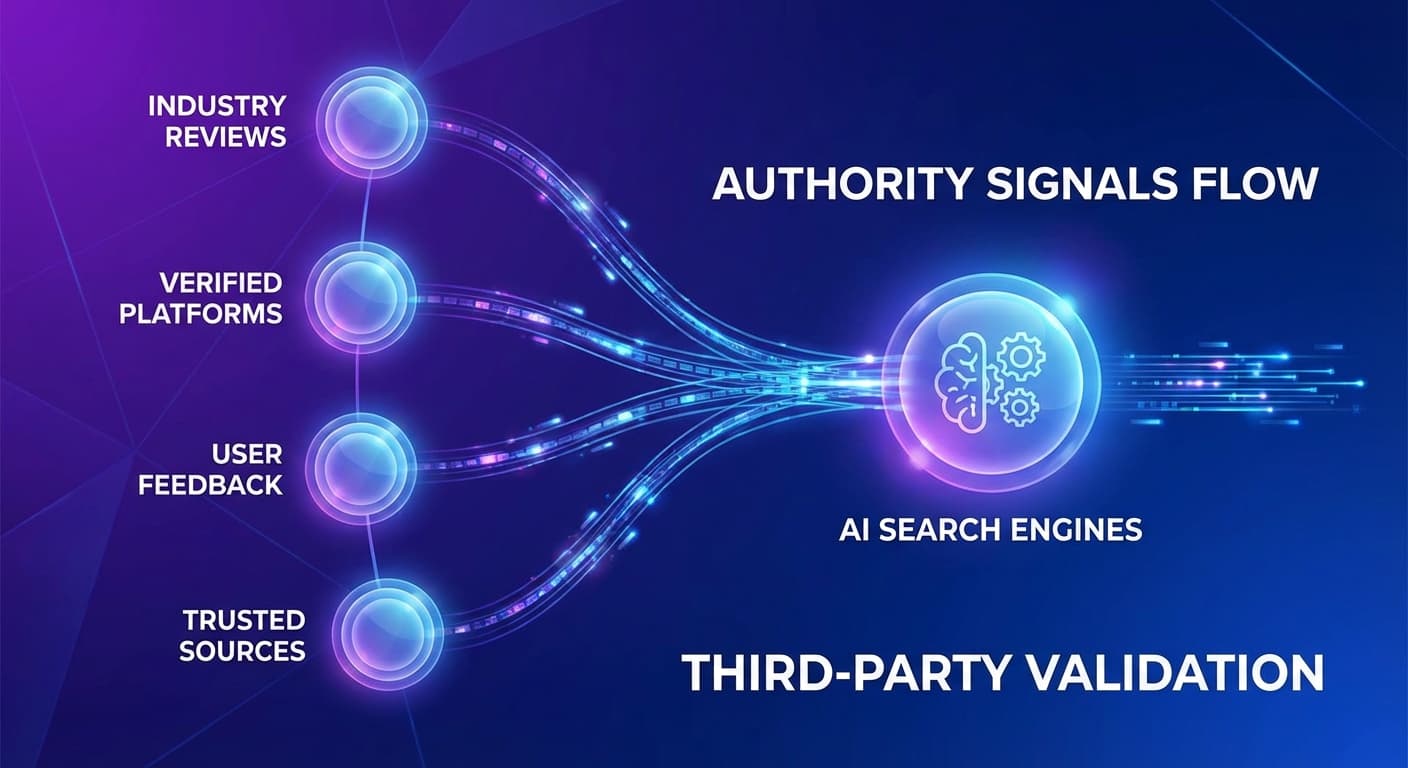
What if I told you that 85% of high-intent AI citations in 2025 come from external reviews and third-party authority signals, yet most brands have virtually zero presence on the industry platforms that matter most? This isn't just a missed opportunity—it's a competitive blind spot that could cost you millions in AI-driven search visibility.
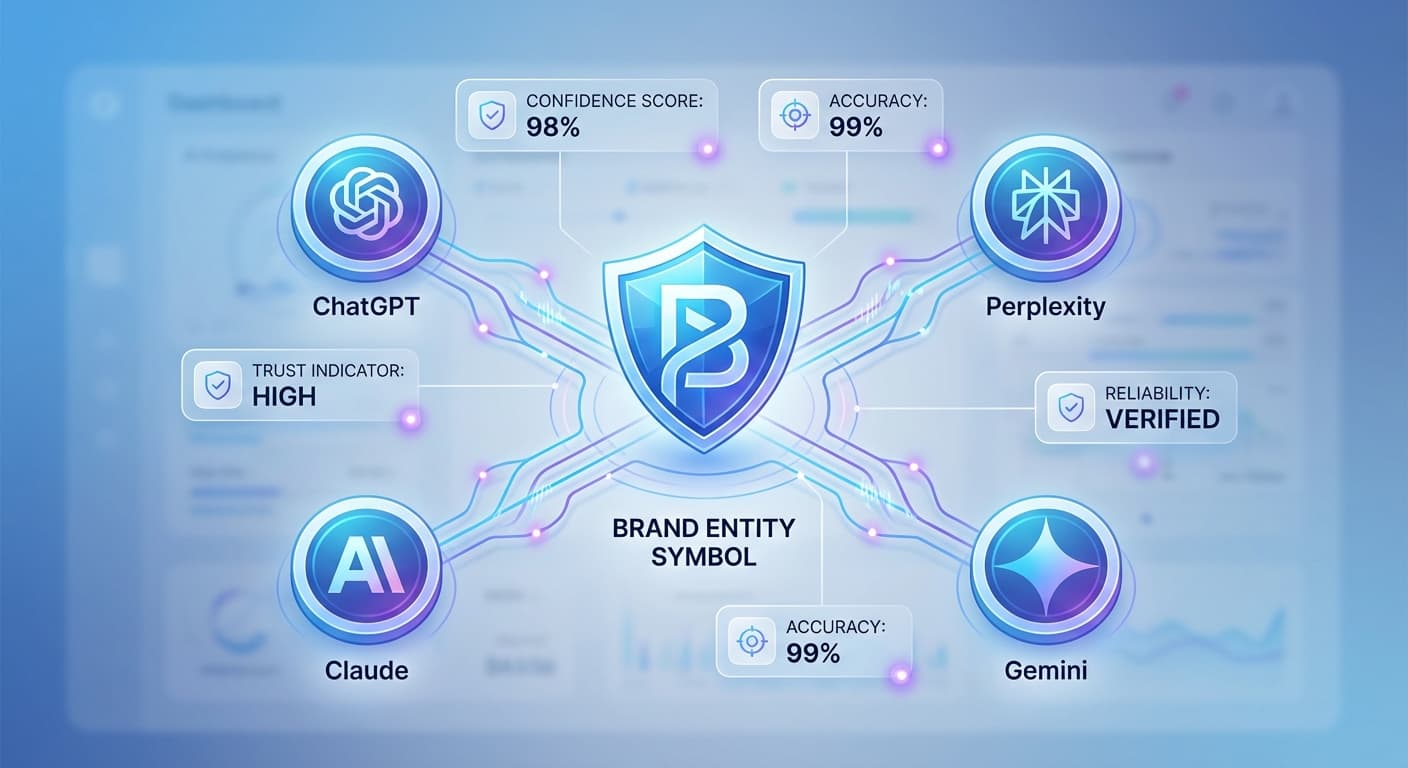
As AI search engines like ChatGPT, Perplexity, Claude, and Gemini process over 2.4 billion queries monthly in 2026, they're increasingly relying on third-party validation to determine which brands deserve citation. The days of purely first-party content dominating AI recommendations are over.
The Third-Party Authority Signal Revolution
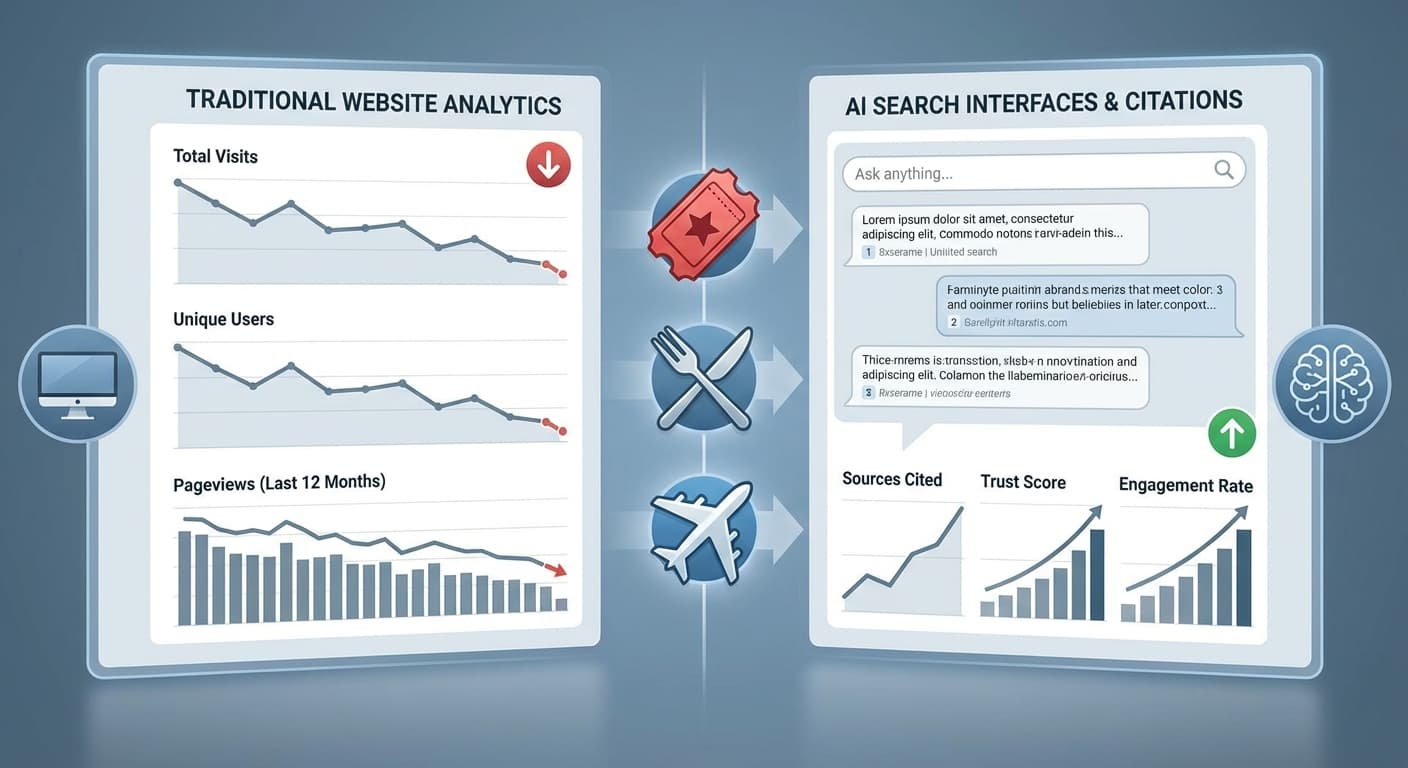
AI search engines have evolved dramatically. Unlike traditional SEO where you could rank based primarily on your own content optimization, AI engines now heavily weight external validation when making citation decisions. Here's what the data tells us:
This shift makes sense. AI engines are designed to provide trustworthy, unbiased information. They naturally gravitate toward external validation rather than self-promotional content.
Why Your Brand's Zero Platform Presence is Killing AI Visibility
Most brands focus exclusively on optimizing their own content for AI search. But here's the problem: if you have no presence on industry review platforms, comparison sites, or professional networks, you're essentially invisible to AI engines when they're forming opinions about your category.
The Authority Signal Gap
Consider this scenario: A potential customer asks ChatGPT, "What's the best email marketing platform for B2B SaaS companies?" The AI engine will:
If your brand isn't mentioned in these external sources, you won't get cited—regardless of how well-optimized your own content is.
The Strategic Framework for Scaling Third-Party Authority Signals
Phase 1: Platform Identification and Prioritization
Start by mapping the authority ecosystem in your industry:
Review Platforms:
Comparison and Directory Sites:
Community and Discussion Platforms:
Pro Tip: Use tools like Ahrefs or SEMrush to see which third-party sites rank for your target keywords, then reverse-engineer your presence strategy.
Phase 2: The Content Seeding Strategy
Once you've identified priority platforms, you need a systematic approach to building presence:
#### 1. Customer Review Acquisition
#### 2. Thought Leadership Content Distribution
#### 3. Strategic Partnership Leveraging
Phase 3: The Velocity Multiplication System
To scale effectively, you need systems that multiply your efforts:
#### Employee Advocacy Programs
#### Customer Success Integration
#### Content Amplification Networks
Measuring Success: The Authority Signal Dashboard
Track these key metrics to measure your third-party authority building success:
Volume Metrics
Quality Metrics
AI Visibility Metrics
While building third-party authority signals, it's crucial to ensure your owned content is also optimized for AI visibility. Tools like Citescope Ai can help you understand how well your content performs across AI interpretability, semantic richness, and conversational relevance—the key factors that determine whether AI engines will reference your content when they do discover it.
Common Pitfalls to Avoid
The Authenticity Trap
Don't try to game the system with fake reviews or artificial engagement. AI engines are increasingly sophisticated at detecting inauthentic signals, and the reputational risk isn't worth it.
The Spray and Pray Approach
Focus on 3-5 high-impact platforms initially rather than trying to be everywhere at once. Deep engagement beats shallow presence.
The Set-and-Forget Mentality
Third-party authority building requires ongoing attention. Regular engagement and fresh content are essential for maintaining visibility.
The Future of Third-Party Authority Signals
As we move through 2026, expect AI engines to become even more sophisticated in evaluating third-party signals:
How Citescope Ai Helps Scale Your Authority Strategy
While building third-party authority signals is crucial, you also need to ensure your owned content is optimized when those external signals start driving traffic back to your site. Citescope Ai's GEO Score analyzes your content across five critical dimensions that AI engines evaluate, giving you a clear roadmap for optimization.
The Citation Tracker feature is particularly valuable for authority building—it shows you exactly when and how AI engines are referencing your content, helping you identify which third-party signals are driving the most AI visibility. This data lets you double down on the platforms and strategies that are actually moving the needle.
Plus, with the AI Rewriter tool, you can quickly optimize the content on your owned platforms to better complement your third-party authority building efforts, ensuring a cohesive strategy across all touchpoints.
Ready to Optimize for AI Search?
Building third-party authority signals is just one piece of the AI visibility puzzle. To truly dominate AI search results, you need a comprehensive strategy that optimizes both your external presence and owned content for AI engines.
Citescope Ai helps you track, optimize, and measure your AI search performance across all major platforms. Start with our free tier to analyze up to 3 pieces of content per month and see exactly how AI engines evaluate your brand. Ready to scale your AI visibility strategy? Try Citescope Ai free today and transform how AI engines discover and cite your content.