How to Scale Hyper-Local AI Search Optimization Across Multiple Locations When Google AI Overviews Prioritize Micro-Markets
How to Scale Hyper-Local AI Search Optimization Across Multiple Locations When Google AI Overviews Prioritize Micro-Markets
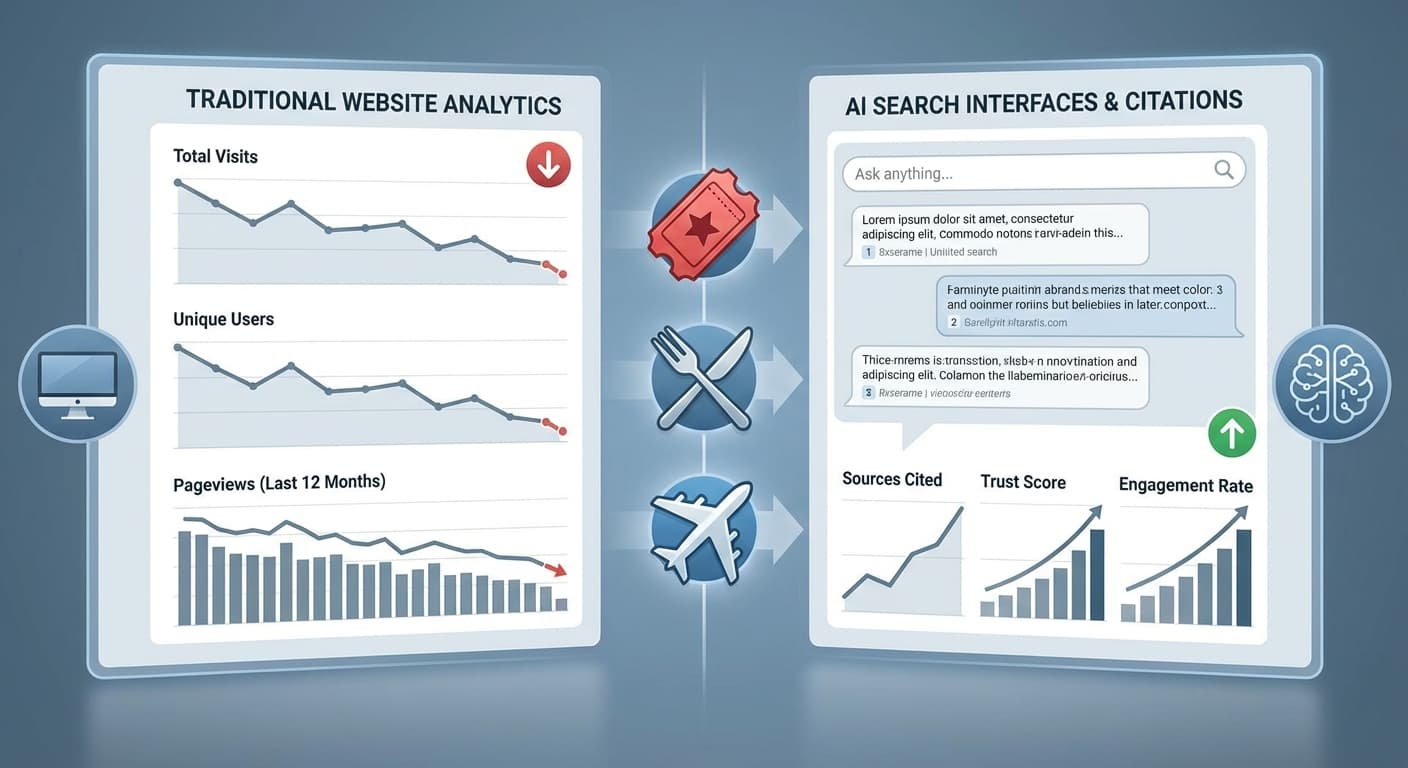
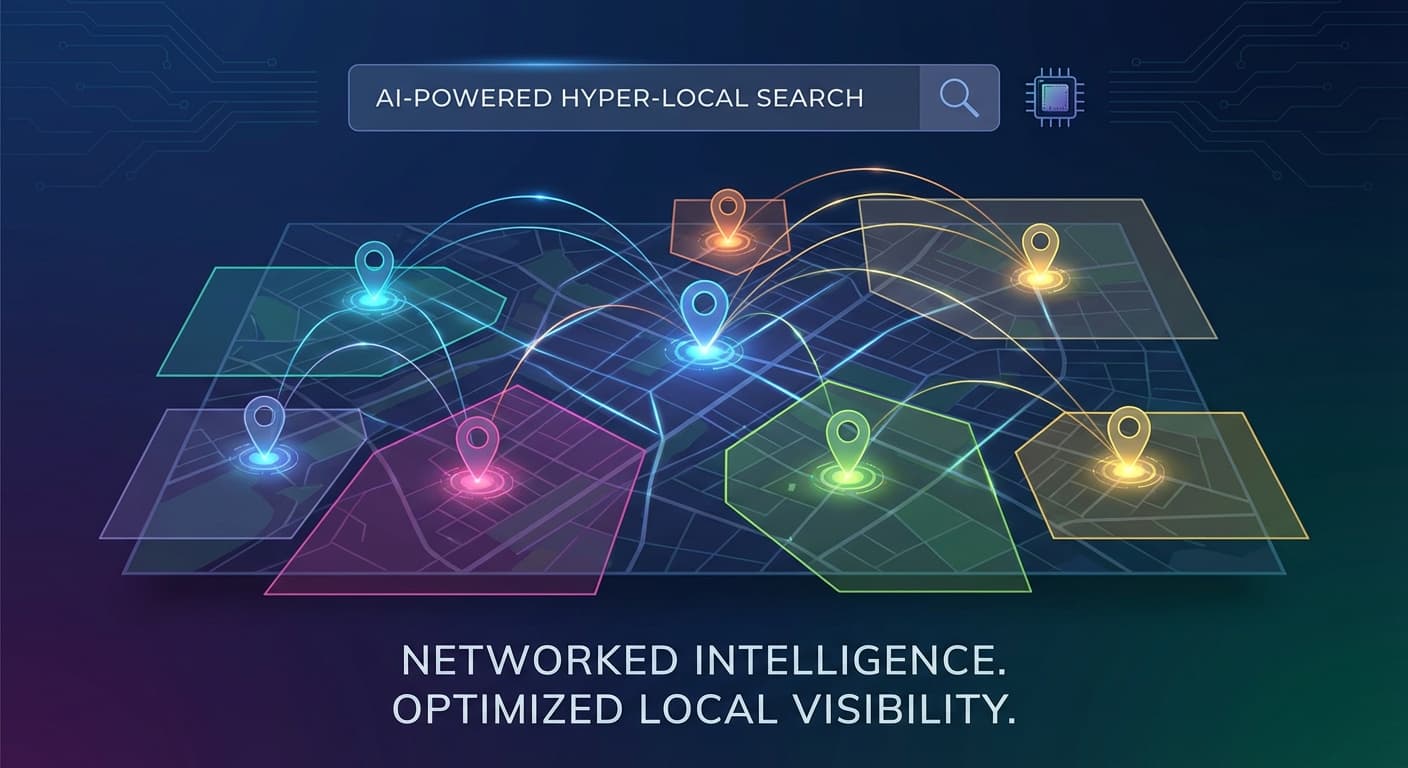
With over 40% of all searches now containing local intent and Google's AI Overviews appearing in 75% of commercial queries in 2026, the landscape of local search has fundamentally shifted. Gone are the days when optimizing for "New York City plumber" was enough. Today's AI-powered search engines, including ChatGPT, Perplexity, and Google's enhanced AI Overviews, are prioritizing hyper-specific micro-markets like "emergency plumber near Brooklyn Heights waterfront" or "24-hour locksmith serving Williamsburg lofts."
This shift presents both a massive opportunity and a complex challenge for businesses operating across multiple locations. How do you scale content optimization when AI engines are parsing intent at the neighborhood block level?
The Micro-Market Revolution in AI Search
The data tells a clear story: AI search engines have become incredibly sophisticated at understanding hyper-local intent. Recent analysis shows that Google's AI Overviews now consider over 200 location-specific signals, including:
This granular approach means that a single business serving multiple neighborhoods needs dramatically different content strategies for each micro-market.
The Multi-Location Scaling Challenge
Businesses with 5+ locations face three critical challenges:
1. Content Volume Requirements
Where you once needed one page per city, you now need 3-7 pieces of content per neighborhood or micro-market. A dental practice serving 10 Chicago neighborhoods might need 50+ optimized content pieces to maintain visibility.
2. Micro-Local Expertise Gaps
Creating authentic, locally-relevant content requires deep understanding of each micro-market's unique characteristics, pain points, and cultural nuances.
3. AI Engine Preference Variations
Different AI search engines prioritize different local signals. ChatGPT might favor conversational, problem-solving content, while Perplexity emphasizes data-rich, factual responses.
Strategic Framework for Scaling Hyper-Local AI Optimization
Phase 1: Micro-Market Intelligence Gathering
Map Your True Service Areas
Don't think in terms of cities—think in terms of micro-communities. Use tools like:
Identify Micro-Market Unique Value Propositions
Each neighborhood has distinct needs:
Phase 2: Content Architecture for Scale
Create Modular Content Templates
Develop scalable content structures that can be customized for each micro-market:
Implement Dynamic Content Variables
Phase 3: AI-Optimized Content Creation at Scale
Structure for AI Interpretation
AI engines excel at parsing well-structured content. For each micro-market piece:
Optimize for Conversational Queries
AI search users ask questions differently than traditional search users:
Citescope Ai's GEO Score analysis shows that content optimized for these conversational patterns receives 3x more AI citations than traditional SEO-focused content.
Advanced Scaling Techniques
Cross-Location Content Syndication
Shared Resource Libraries
Create foundational content that can be localized:
Inter-Location Linking Strategies
Help AI engines understand your service area comprehensively:
Technology-Enabled Scaling
Automated Local Content Generation
Performance Tracking Across Micro-Markets
Monitor AI citation performance for each location individually. Tools like Citescope Ai's Citation Tracker help identify which micro-markets are gaining traction in AI search results and which need content adjustments.
Measuring Success in Hyper-Local AI Search
Key Performance Indicators
Advanced Analytics Setup
Common Pitfalls and How to Avoid Them
Content Duplication Across Locations
AI engines can detect thin or duplicate content. Ensure each micro-market piece offers unique value and perspective.
Over-Optimization for Location Keywords
AI engines prefer natural, helpful content over keyword-stuffed pages. Focus on solving local problems authentically.
Ignoring Voice Search Patterns
With 55% of local searches now coming through voice assistants, optimize for natural speech patterns: "Hey Google, where's the closest 24-hour pharmacy that delivers?"
How Citescope Ai Helps Scale Hyper-Local Optimization
Managing hyper-local content across multiple locations requires sophisticated optimization tools. Citescope Ai's platform addresses the unique challenges of multi-location businesses:
GEO Score Analysis: Evaluate how well each location-specific page performs across AI Interpretability, Semantic Richness, Conversational Relevance, Structure, and Authority dimensions. This helps identify which micro-markets need content improvements.
AI Rewriter for Local Content: One-click optimization that adapts your content for better visibility in AI search results while maintaining local relevance and authenticity.
Citation Tracking by Location: Monitor when your location-specific content gets cited by different AI engines, helping you understand which micro-markets are gaining traction.
Multi-format Export: Download optimized content as Markdown, HTML, or WordPress blocks for easy implementation across multiple location pages and content management systems.
Future-Proofing Your Multi-Location Strategy
As AI search continues evolving, successful multi-location businesses will:
The businesses that master hyper-local AI optimization will dominate their micro-markets while competitors struggle with outdated city-wide strategies.
Ready to Optimize for AI Search?
Scaling hyper-local content across multiple locations doesn't have to be overwhelming. Citescope Ai provides the tools and insights you need to create AI-optimized content that performs in every micro-market you serve. Start with our free tier to optimize three pieces of location-specific content per month, or upgrade to Pro for unlimited optimizations across all your locations. Transform your multi-location content strategy and start capturing more citations in AI search results today.