How to Recover Lost Search Traffic as AI Overviews Replace Click-Through Results
How to Recover Lost Search Traffic as AI Overviews Replace Click-Through Results
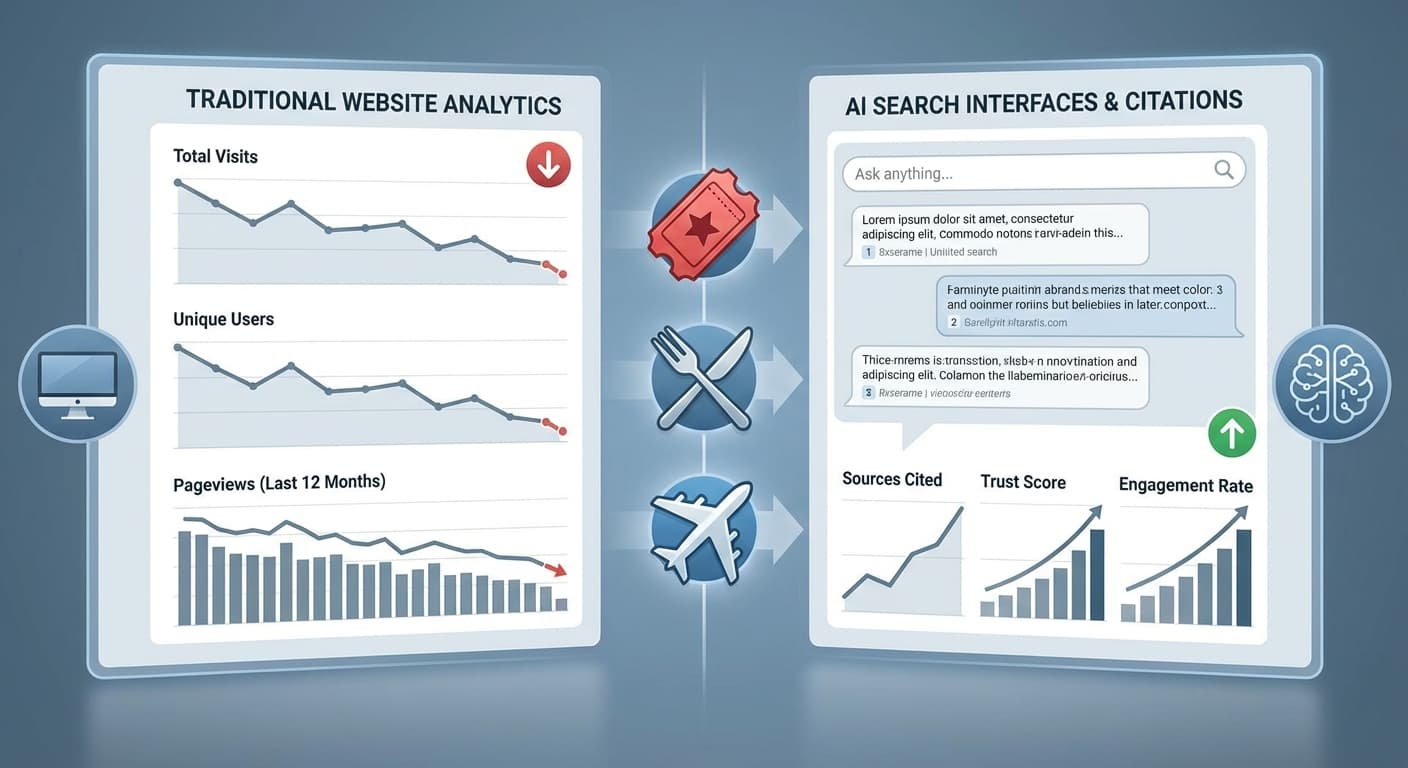
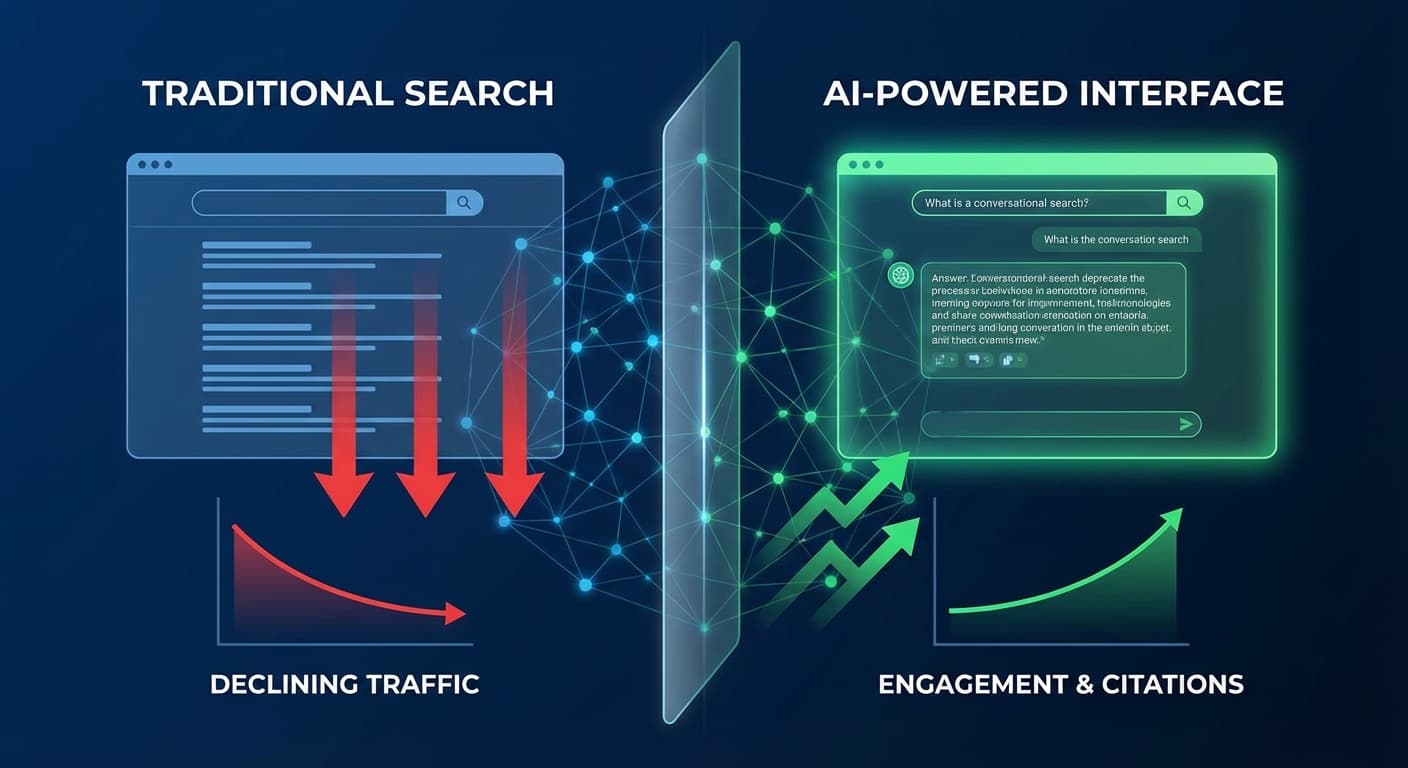
Are you watching your organic traffic slowly evaporate? You're not alone. With AI overviews now appearing in over 75% of search queries in 2026, traditional websites are losing 40-60% of their click-through traffic as users get answers directly from AI-generated summaries without ever visiting the source.
The search landscape has fundamentally shifted. Google's AI Overviews, ChatGPT's search integration, Perplexity's real-time answers, and Claude's research capabilities have created a new reality: users are getting their information served up instantly, without the need to click through to websites.
But here's the opportunity hiding in this disruption: while others panic about lost traffic, smart content creators are adapting their strategies to capture citations and indirect visibility in these AI-powered results.
Understanding the New Search Reality
The numbers paint a clear picture of how dramatically search behavior has changed:
This isn't a temporary trend—it's the new normal. The question isn't whether AI will continue to dominate search, but how quickly you can adapt your content strategy to thrive in this environment.
Why Traditional SEO Strategies Are Falling Short
Most content creators are still optimizing for 2023's search landscape. They're focused on:
While these tactics aren't entirely obsolete, they're insufficient for capturing visibility in AI-powered search results. AI engines evaluate content differently, prioritizing:
Semantic Depth Over Surface-Level Optimization
AI models understand context, relationships, and nuanced meaning. Content that provides comprehensive coverage of a topic performs better than keyword-stuffed articles.
Conversational Relevance
With 68% of AI searches being conversational queries, content needs to address natural language questions and follow-up inquiries.
Factual Authority and Credibility
AI systems are increasingly sophisticated at identifying authoritative, well-researched content over promotional or thin material.
Strategic Approaches to Recover and Redirect Traffic
1. Pivot to Citation-Worthy Content
Instead of chasing clicks, focus on creating content that AI engines want to cite. This means:
Develop Comprehensive Topic Clusters
Prioritize Original Research and Data
Structure for AI Consumption
2. Optimize for Conversational Queries
AI search thrives on natural language. Adapt your content by:
Incorporating Question-Based Headings
Using Conversational Language
Addressing Follow-Up Questions
3. Build Indirect Traffic Channels
Since direct search traffic is declining, diversify with:
Newsletter Subscriptions
Social Media Engagement
Partnership and Collaboration
4. Create Multi-Format Content Experiences
Diversify beyond traditional blog posts:
Interactive Tools and Calculators
Video and Audio Content
Downloadable Resources
Measuring Success in the AI-First World
Traditional metrics like organic traffic and rankings are becoming less reliable. Focus on:
Citation Tracking
Engagement Quality
Business Impact Metrics
Authority Building
How Citescope Helps Navigate This Transition
While adapting to AI-dominated search can seem overwhelming, specialized tools can streamline the process. Citescope specifically addresses the challenges of optimizing for AI visibility:
GEO Score Analysis evaluates your content across five critical dimensions that AI engines prioritize—from semantic richness to conversational relevance—giving you a clear roadmap for improvement.
AI Rewriter functionality transforms existing content with one-click optimization, restructuring it for better AI interpretability without losing your unique voice or expertise.
Citation Tracking monitors when your content gets referenced by major AI platforms like ChatGPT, Perplexity, Claude, and Gemini, helping you understand what's working and what needs adjustment.
Building Long-Term Resilience
Stay Agile and Experimental
Invest in Relationships
Maintain Content Quality
The transition to AI-dominated search represents both a challenge and an opportunity. While traditional traffic sources may be declining, creators who adapt quickly will capture outsized visibility in the new landscape. The key is shifting from a click-focused mindset to a citation and authority-focused approach.
By creating content that AI systems want to reference, building direct relationships with your audience, and diversifying your traffic sources, you can not only recover lost search traffic but potentially reach more qualified prospects than ever before.
Ready to Optimize for AI Search?
Don't let the AI revolution leave your content behind. Citescope helps content creators and businesses optimize for AI visibility while tracking their success across all major AI search platforms. With tools designed specifically for the new search landscape—from GEO scoring to citation tracking—you can transform how AI engines discover and reference your content.
Start your free trial today and see how your content performs in the AI-first world. Get 3 free optimizations to test how Citescope can help recover and redirect your search traffic for sustainable growth.