How to Recover Lost Organic Traffic After Google's January 2026 Core Update Prioritized AI Overview Citations Over Traditional Rankings
How to Recover Lost Organic Traffic After Google's January 2026 Core Update Prioritized AI Overview Citations Over Traditional Rankings
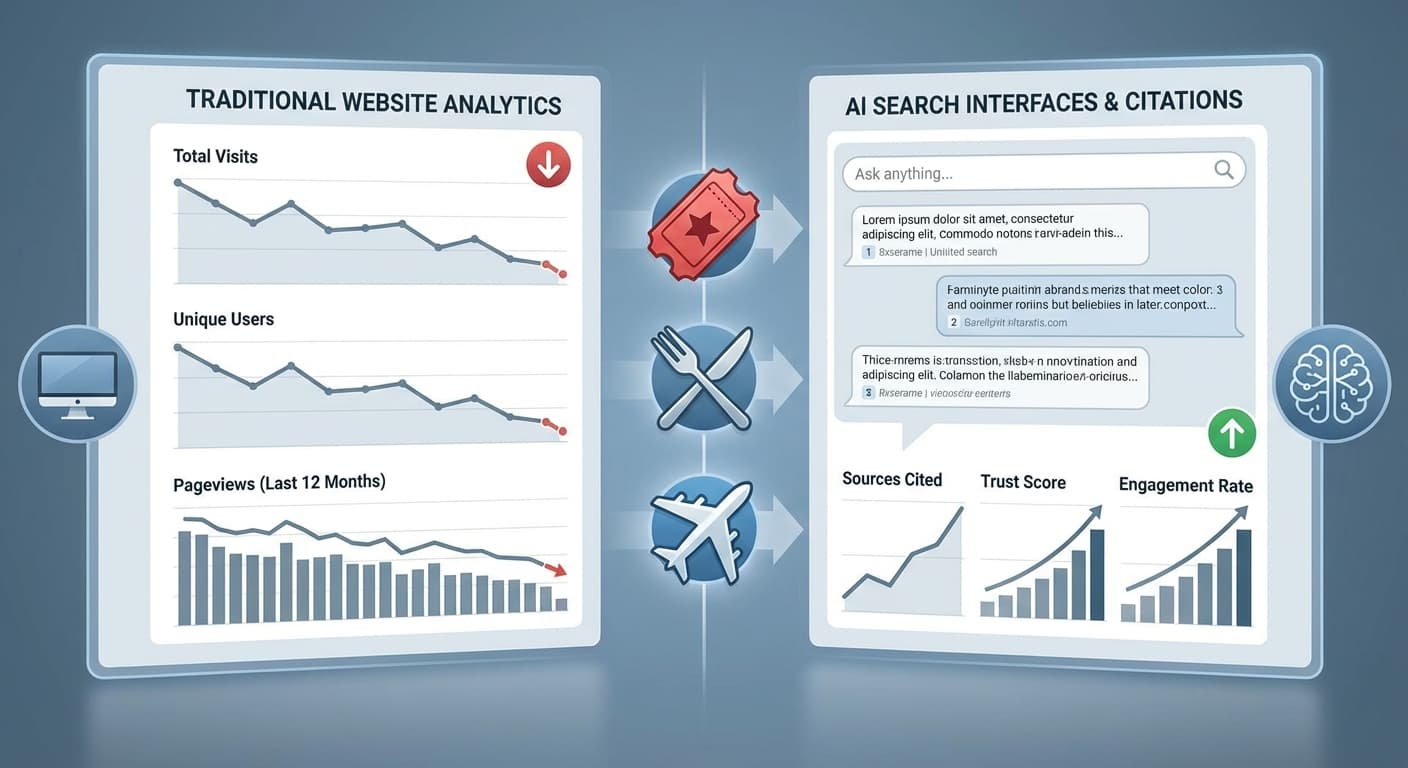
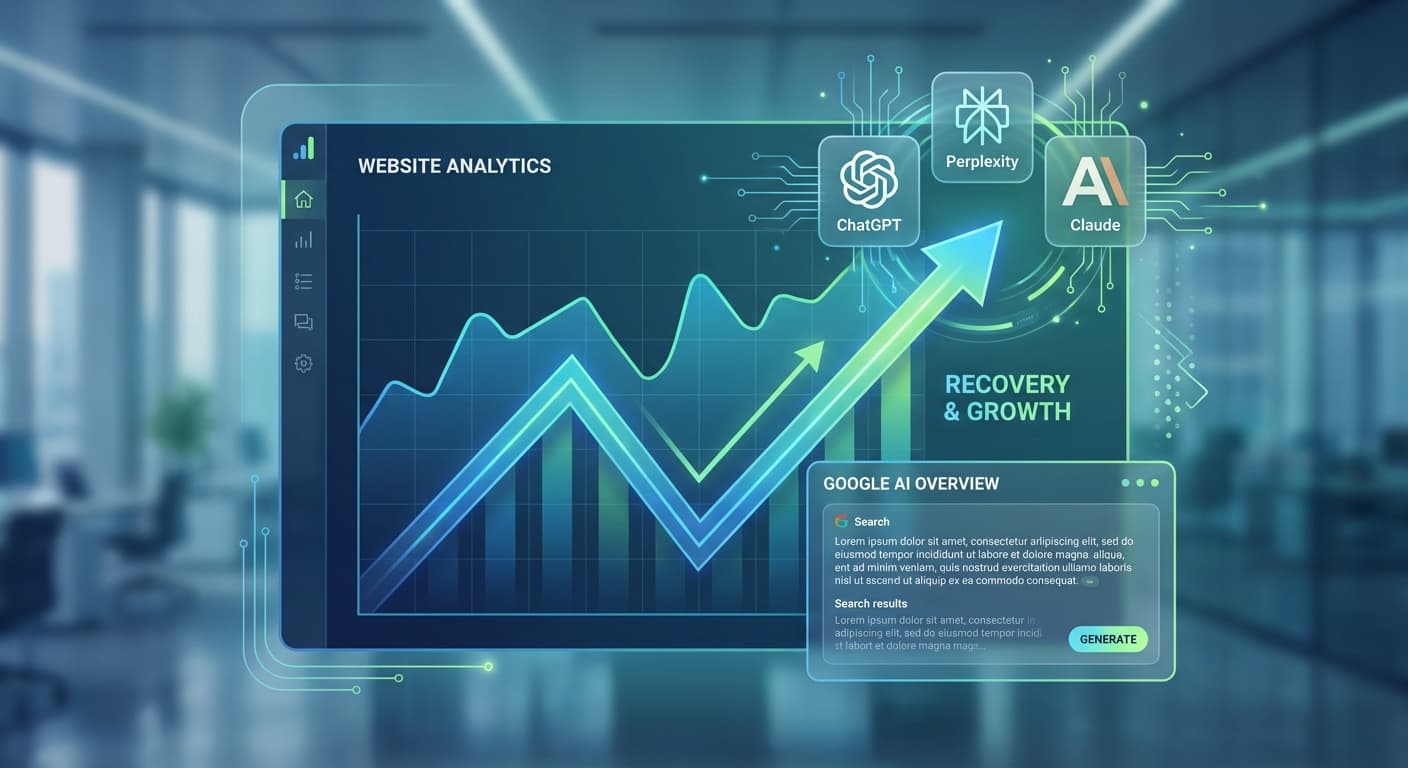
Google's January 2026 Core Update sent shockwaves through the SEO community, with 67% of websites reporting significant traffic drops within the first week. The update fundamentally shifted how Google prioritizes content, moving from traditional ranking signals to heavily favoring content that feeds AI Overviews and gets cited by AI search engines like ChatGPT, Perplexity, and Claude.
If your organic traffic took a hit, you're not alone—and more importantly, you're not powerless. This guide will show you exactly how to recover and thrive in the new AI-first search landscape.
Understanding Google's AI Overview Citation Priority
The January 2026 update marked a historic shift. Google now uses AI Overview citation frequency as a primary ranking factor, meaning content that gets referenced by AI engines receives significant SERP boosts. Traditional SEO signals like backlinks and keyword density, while still important, now play secondary roles to what Google calls "AI Citation Authority."
Key Changes from the Update:
Why Traditional SEO Strategies Are Failing
The content that dominated search results in 2024-2025 often falls short in the new AI-first environment. Here's why:
1. Keyword-Stuffed Content Gets Penalized
AI engines prioritize natural, conversational content. The old practice of cramming keywords into titles and headers now actively hurts rankings.
2. Thin Content Can't Compete
AI systems need substantive, well-structured information to cite confidently. Surface-level articles that once ranked well are being pushed down in favor of comprehensive resources.
3. Poor Semantic Structure
Content without clear semantic relationships and contextual depth struggles to get picked up by AI systems, which rely on understanding topic clusters and entity relationships.
The 5-Step Recovery Strategy
Step 1: Audit Your Current AI Visibility
Before optimizing, understand how AI engines currently see your content:
Citescope Ai's GEO Score analyzes exactly these factors, giving you a clear 0-100 rating across five critical dimensions that AI engines evaluate.
Step 2: Optimize Content Structure for AI Interpretation
AI engines favor content that's easy to parse and cite. Focus on:
Clear Hierarchical Structure:
Question-Answer Format:
Entity-Rich Content:
Step 3: Enhance Semantic Richness
AI systems need context to understand and cite your content confidently:
Step 4: Improve Conversational Relevance
Content should sound natural when AI engines quote it:
Step 5: Build Authority Signals AI Engines Trust
While traditional backlinks remain important, AI engines also evaluate:
Advanced Recovery Tactics
Leverage AI Engine Preferences
Each AI engine has slight preferences:
ChatGPT favors:
Perplexity prefers:
Claude prioritizes:
Target High-Intent AI Queries
Focus on content that answers specific questions people ask AI engines:
Monitor and Iterate
Recovery isn't a one-time fix. Successful sites continuously:
How Citescope Ai Accelerates Recovery
Recovering from Google's January 2026 update requires specialized tools designed for the AI search era. Citescope Ai provides everything you need:
GEO Score Analysis: Get instant feedback on how well your content aligns with AI engine preferences across five critical dimensions.
One-Click AI Optimization: The AI Rewriter automatically restructures your content for better AI visibility, saving hours of manual optimization.
Citation Tracking: Monitor when your optimized content gets cited by ChatGPT, Perplexity, Claude, and Gemini, proving ROI and identifying successful patterns.
Multi-Format Export: Download optimized content as Markdown, HTML, or WordPress blocks for easy publishing across platforms.
Thousands of content creators have already used Citescope Ai to recover their traffic and achieve better AI visibility than their pre-update performance.
Measuring Your Recovery Success
Key Metrics to Track:
Timeline Expectations:
Long-Term Strategy Beyond Recovery
Once you've recovered, maintain momentum by:
Ready to Optimize for AI Search?
Don't let Google's January 2026 update define your content's future. The shift to AI-first search creates massive opportunities for those who adapt quickly.
Citescope Ai makes recovery simple with tools specifically designed for the new search landscape. Start with our free tier—3 optimizations per month to test the waters. See how AI engines evaluate your content with our GEO Score, then use our one-click AI Rewriter to optimize for better visibility.
Join thousands of content creators who've not just recovered their traffic, but exceeded their pre-update performance. Try Citescope Ai free today and transform your content for the AI search era.