How to Recover from the 60% No-Click Catastrophe When Google AI Overviews Now Handle 25% of All Queries
How to Recover from the 60% No-Click Catastrophe When Google AI Overviews Now Handle 25% of All Queries
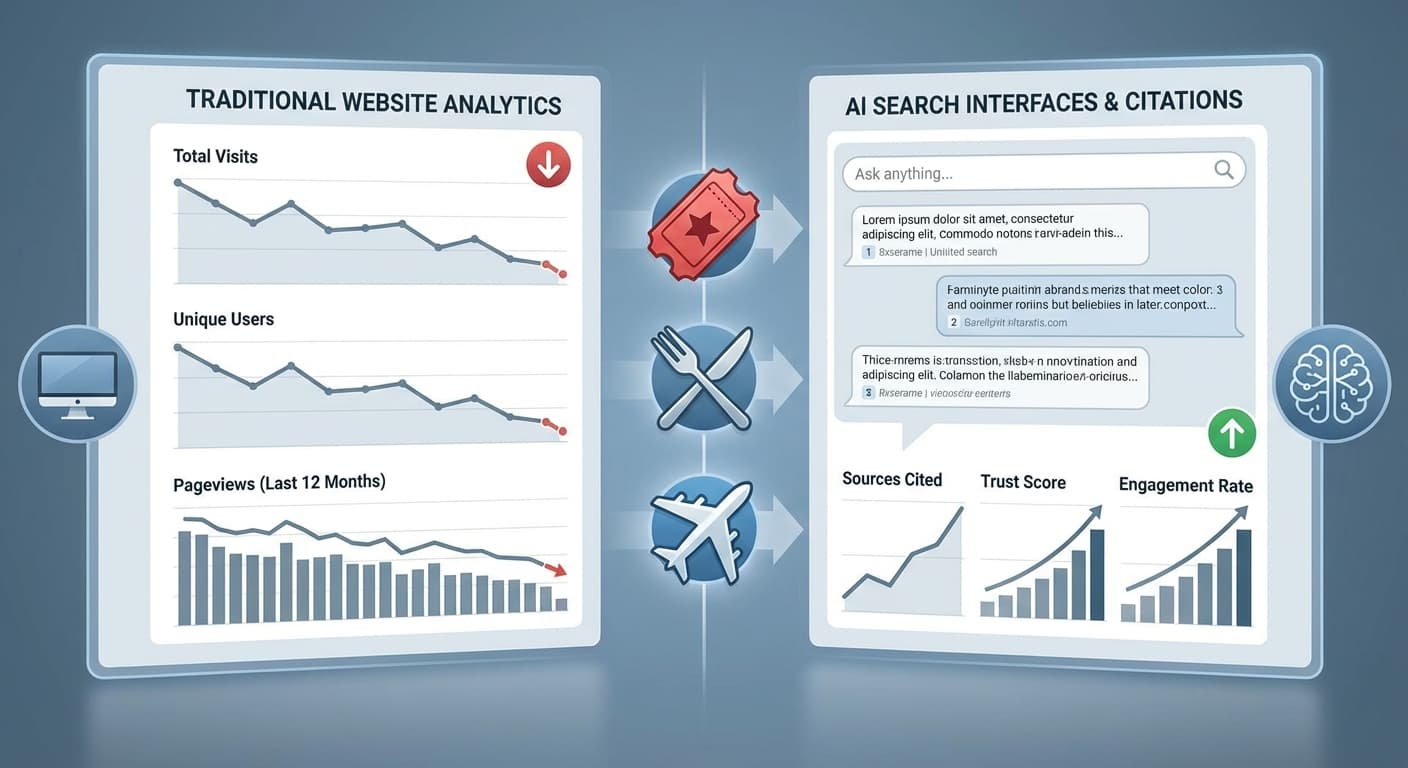
Remember when getting to position #1 on Google guaranteed traffic? Those days are officially over. In 2026, Google AI Overviews now handle 25% of all search queries, while overall no-click searches have skyrocketed to 60% – meaning more than half of all searches never result in a website visit. For content creators and businesses, this isn't just a challenge – it's an existential crisis.
But here's the twist: while traditional SEO practitioners are watching their organic traffic evaporate, smart content creators are discovering new opportunities. The key isn't fighting AI – it's learning to work with it.
The New Reality: AI Has Fundamentally Changed Search Behavior
The statistics paint a stark picture of how dramatically search has evolved:
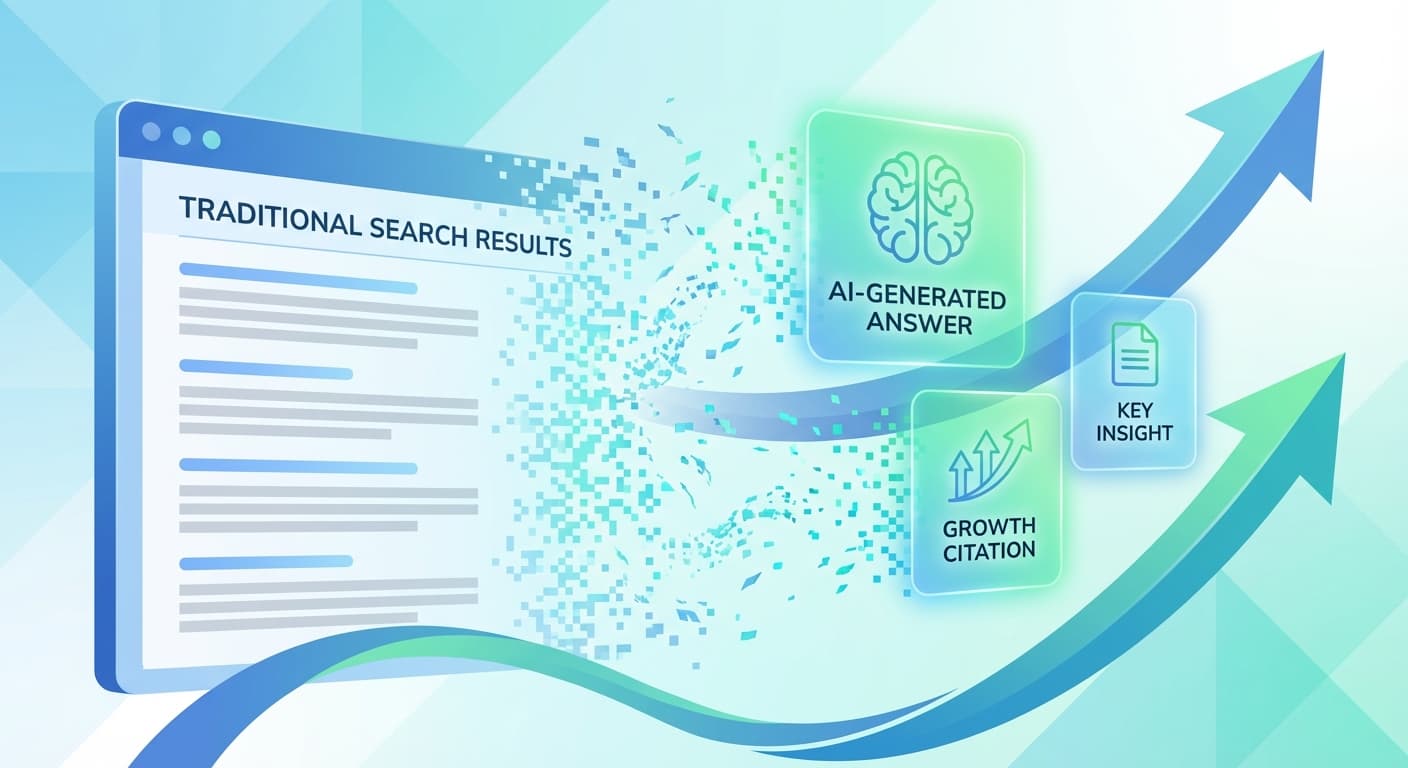
This shift represents the biggest disruption to organic search since Google's inception. Traditional SEO tactics – keyword stuffing, backlink building, and technical optimization – are becoming less effective as AI engines prioritize content quality, context, and conversational relevance.
Understanding the No-Click Catastrophe
Why Traditional Content Is Failing
Most content creators are still optimizing for 2020's search landscape. They're focusing on:
Meanwhile, AI engines are evaluating content based on entirely different criteria:
The Citation Economy: Your New Traffic Source
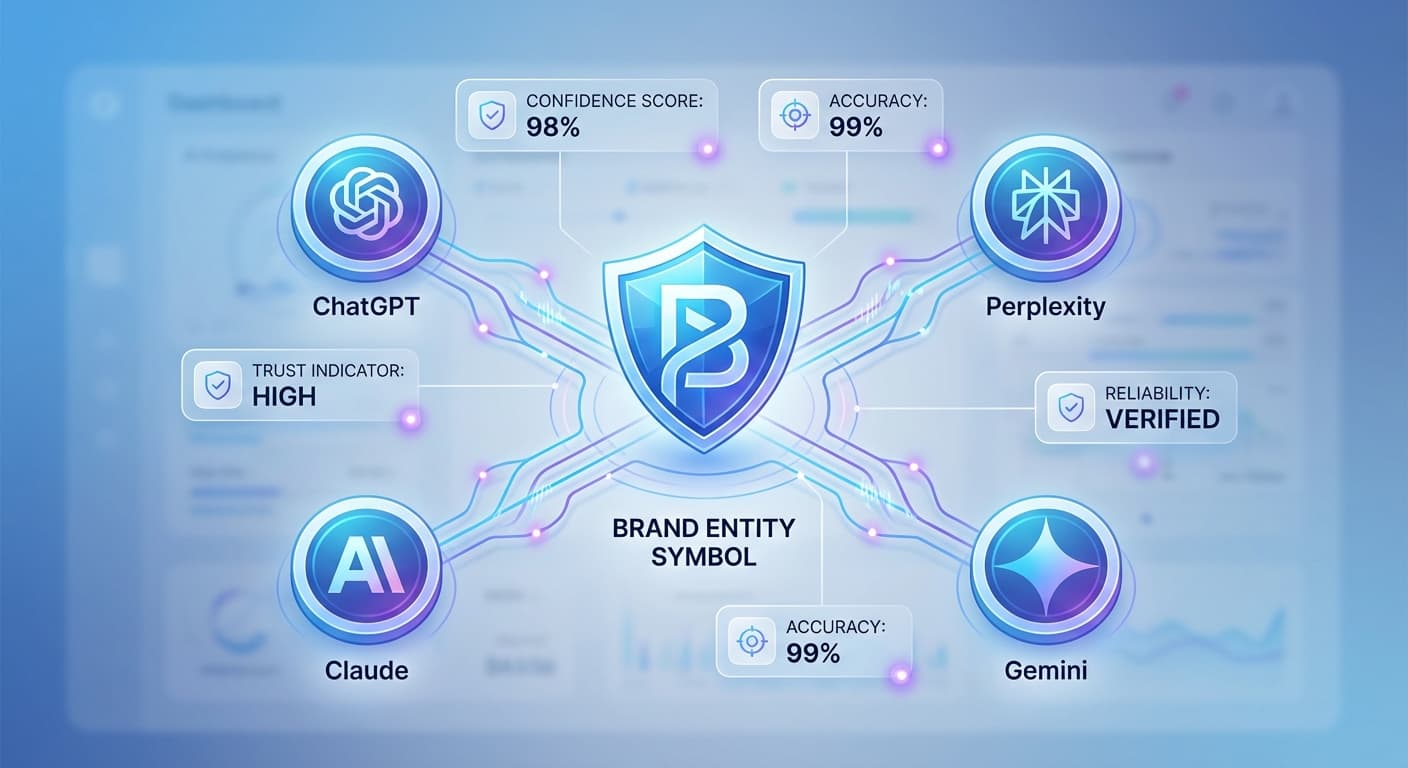
While direct website visits are declining, there's a new form of "traffic" emerging: AI citations. When ChatGPT, Perplexity, Claude, or Gemini cites your content as a source, you're:
Strategic Recovery: The 5-Pillar Approach
1. Audit Your Content's AI Readiness
Before optimizing new content, assess what you already have:
Questions to ask about each piece:
Content that scores poorly on these criteria should be your first optimization priority.
2. Master the Art of Answer-First Content
AI engines love content that gets straight to the point. Structure your content like this:
The Answer-First Formula:
Example transformation:
Old approach: "Search engine optimization has evolved significantly over the years. Many factors contribute to ranking well in search engines. One important consideration is..."
AI-optimized approach: "To rank well in AI search engines in 2026, focus on semantic richness, conversational tone, and clear answer structures. Here's why each matters..."
3. Build Semantic Content Clusters
Instead of targeting individual keywords, create comprehensive topic clusters that answer related questions:
Topic Cluster Example: "Email Marketing for SaaS"
- Email marketing automation workflows for SaaS
- SaaS email marketing metrics that matter
- How to reduce SaaS email churn
- Best email marketing tools for SaaS companies
This approach helps AI engines understand your expertise depth and increases citation probability across multiple queries.
4. Optimize for Conversational Queries
AI search queries are more conversational and context-rich than traditional searches. Optimize for questions like:
Incorporate natural language patterns and question-based headings throughout your content.
5. Implement Citation-Worthy Content Elements
High-Citation Content Types:
Tools and Techniques for AI Optimization
Content Analysis and Optimization
Successful AI optimization requires understanding how well your content performs across multiple dimensions. Look for tools that can analyze:
Citescope Ai's GEO Score provides exactly this analysis, evaluating content across these five critical dimensions and providing a 0-100 optimization score.
Tracking Your AI Visibility
Unlike traditional SEO where you can track rankings, AI optimization requires monitoring citations across multiple platforms. You need visibility into:
Advanced Strategies for 2026
Multi-Format Content Strategy
AI engines increasingly pull from diverse content formats:
Optimize across formats:
Authority Building Through AI Citations
The new "link building" is citation building:
Measuring Success in the AI Era
New Metrics That Matter
Traditional metrics to de-emphasize:
AI-era metrics to track:
Setting Realistic Recovery Expectations
Recovering from the no-click catastrophe isn't about returning to 2020 traffic levels – it's about building sustainable visibility in an AI-first world:
Short-term goals (3-6 months):
Long-term goals (6-12 months):
How Citescope Ai Helps Navigate the Recovery
Recovering from the no-click catastrophe requires both strategy and the right tools. Citescope Ai provides a comprehensive solution for content creators ready to adapt:
GEO Score Analysis: Get a precise 0-100 score measuring your content's AI optimization across five critical dimensions, identifying exactly where improvements are needed.
One-Click AI Rewriter: Transform existing content for better AI visibility with intelligent restructuring that maintains your voice while improving semantic richness and conversational relevance.
Multi-Platform Citation Tracking: Monitor when ChatGPT, Perplexity, Claude, and Gemini cite your content, giving you unprecedented visibility into your AI search performance.
Export Flexibility: Download optimized content in Markdown, HTML, or WordPress block format, making implementation seamless regardless of your publishing platform.
With pricing starting at free for 3 optimizations per month, you can begin your AI optimization journey immediately.
Ready to Optimize for AI Search?
The 60% no-click reality isn't going away – it's only going to increase as AI engines become more sophisticated. But this shift also represents the biggest opportunity in content marketing since the rise of social media.
Stop fighting the AI revolution and start leveraging it. Content creators who adapt now will build sustainable competitive advantages that compound over time.
Ready to transform your content strategy for the AI era? Try Citescope Ai free and discover how your content performs in AI search engines. Get your first GEO Score analysis and start optimizing for the citations that will drive your business forward in 2026 and beyond.
Start your free analysis today and join the content creators who are thriving in the age of AI search.