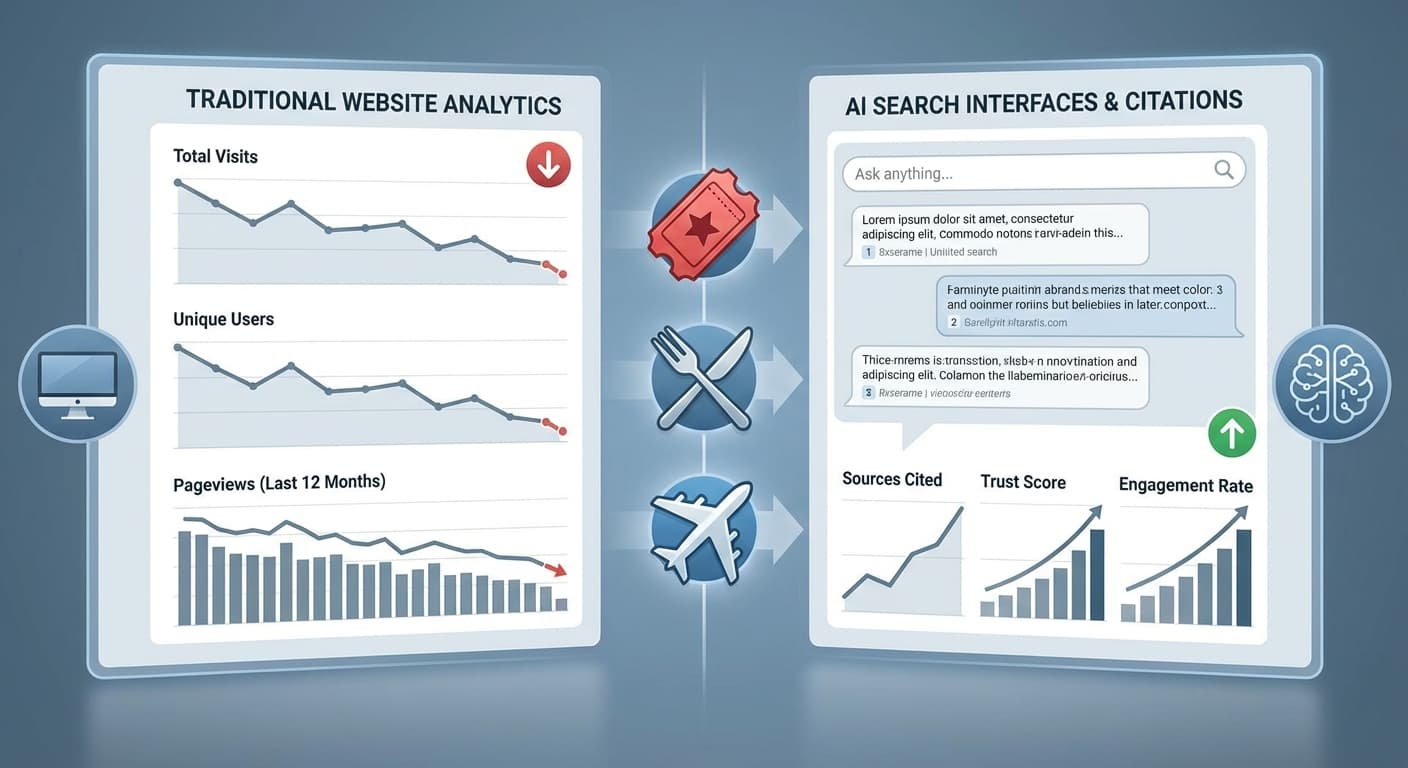
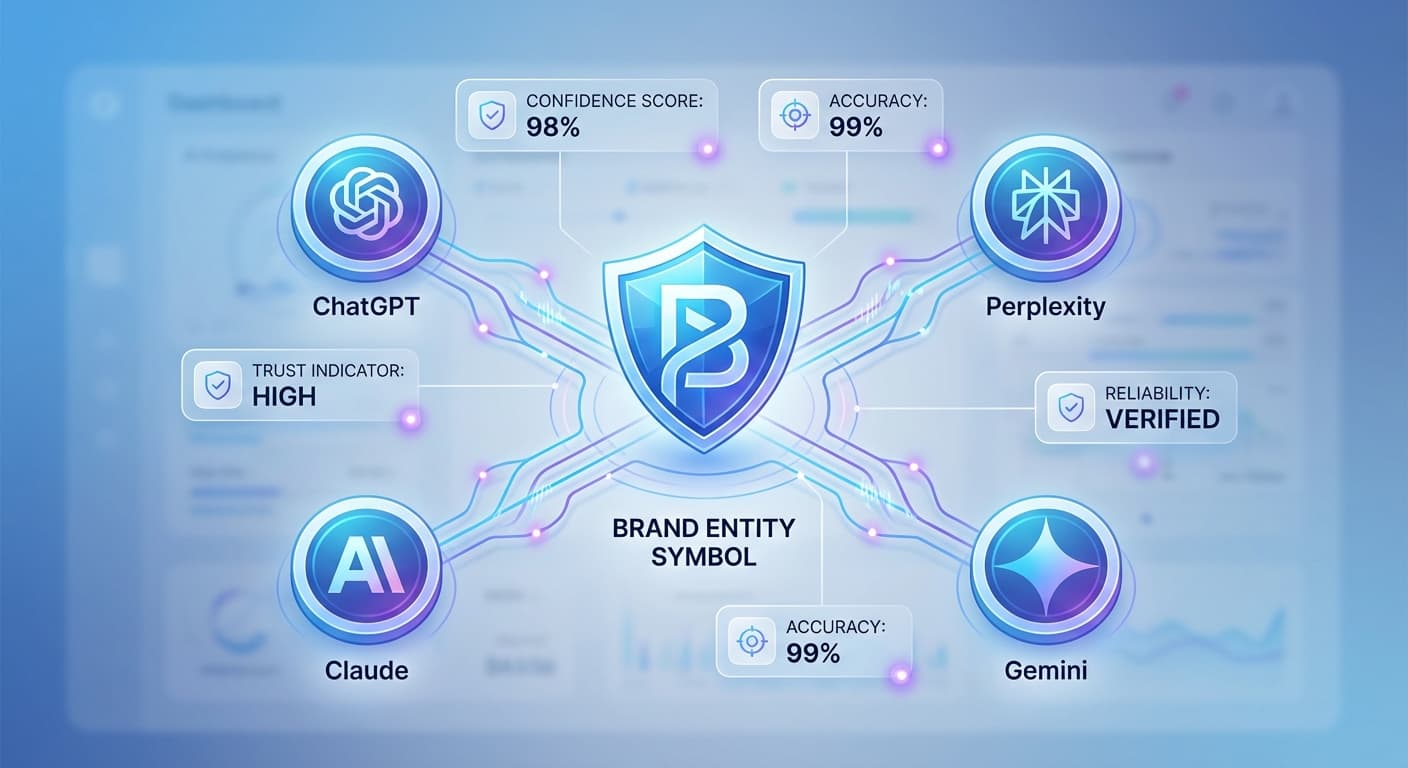
How to Prevent AI Search Engines from Citing Competitor Sites Instead of Your Brand When Your Content Has Better E-E-A-T Signals
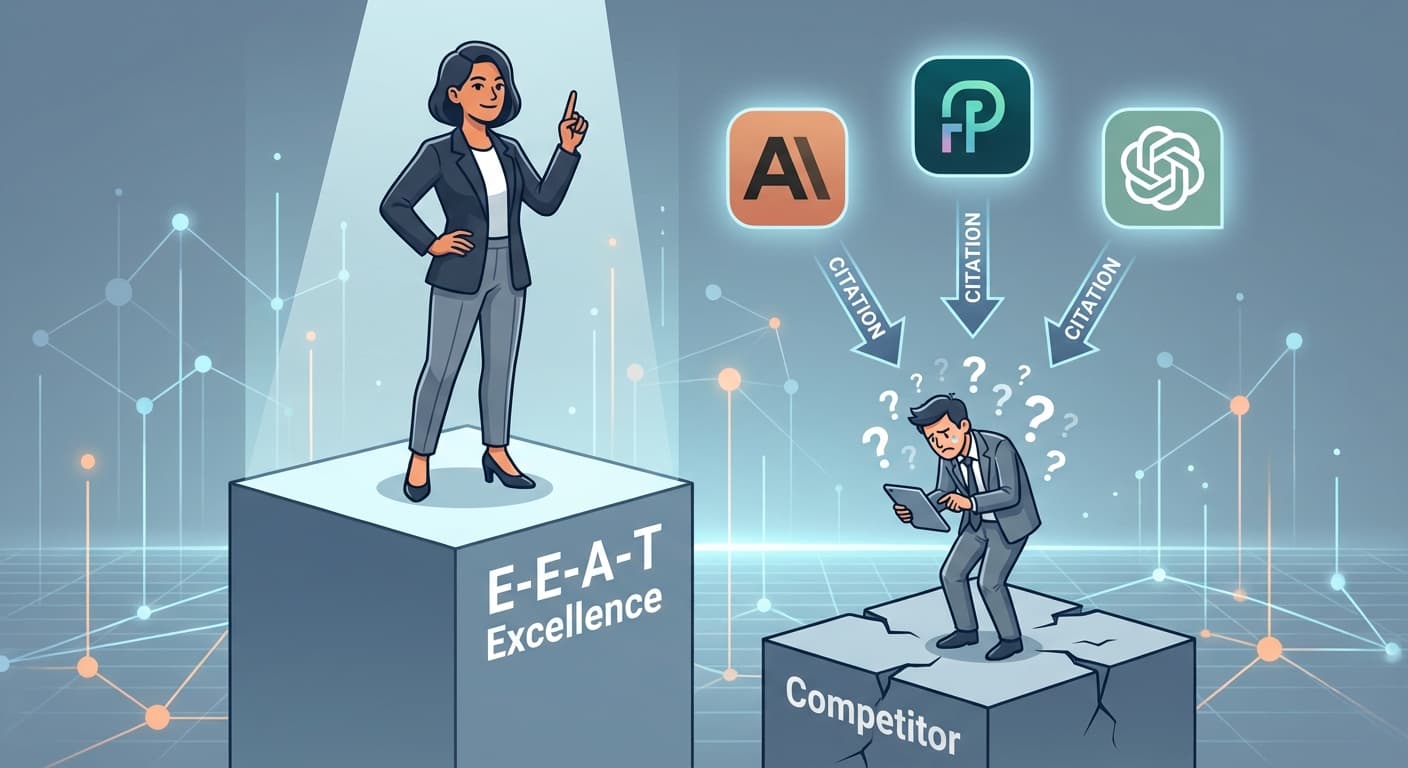
How to Prevent AI Search Engines from Citing Competitor Sites Instead of Your Brand When Your Content Has Better E-E-A-T Signals
You've invested months perfecting your content strategy. Your articles showcase deep expertise, your authors have impressive credentials, and your brand has earned trust across your industry. Yet when prospects ask ChatGPT or Perplexity about topics you've mastered, they get citations to competitor sites with weaker E-E-A-T signals instead of yours.
Sound familiar? You're not alone. Recent data from 2026 shows that 68% of brands with strong traditional SEO metrics still struggle to get consistent citations in AI search results. The reason? AI engines don't just evaluate expertise, experience, authoritativeness, and trustworthiness—they also prioritize content that's optimized for AI interpretation and conversational queries.
The Gap Between E-E-A-T Excellence and AI Visibility
Having superior E-E-A-T signals should give you an advantage in AI search, but it's not enough on its own. AI search engines like ChatGPT, Perplexity, Claude, and Gemini process content differently than traditional search engines. They look for:
Your competitor might have weaker overall authority but stronger optimization for these AI-specific factors. That's why their content gets cited instead of yours.
Why Strong E-E-A-T Brands Still Lose AI Citations
Traditional SEO Optimization vs. AI Search Optimization
Most brands with excellent E-E-A-T signals built their content strategy around traditional search algorithms. This typically means:
While these elements remain important, AI search engines also evaluate:
The Citation Attribution Problem
AI search engines often cite sources that provide the most direct, contextually relevant answer to a specific query—even if another source has stronger overall authority. This means:
Strategies to Leverage Your E-E-A-T Advantage for AI Citations
1. Restructure Content for Conversational Queries
Your expertise gives you an edge, but you need to present it in formats AI engines prefer:
Before (Traditional Structure):
Digital Marketing ROI Best Practices
Introduction
Key Performance Indicators
Implementation Strategies
After (AI-Optimized Structure):
How to Measure and Improve Digital Marketing ROI: Expert Guide
What metrics should you track for digital marketing ROI?
How do you calculate true marketing ROI beyond surface metrics?
What are the most common ROI measurement mistakes to avoid?
This approach leverages your expertise while making content more accessible to AI interpretation.
2. Create Comprehensive Topic Clusters
AI engines favor sources that demonstrate comprehensive understanding. Instead of standalone articles, develop interconnected content clusters:
Tools like Citescope Ai's GEO Score can help you identify gaps in your topic coverage and optimize for better semantic richness across your content clusters.
3. Optimize Author Authority Presentation
Your team's credentials are valuable, but AI engines need to understand expertise contextually:
Enhance author bylines with:
In-content authority signals:
4. Implement AI-Friendly Content Formats
#### Question-Driven Structure
Organize content around the questions your audience actually asks AI search engines:
#### Enhanced Semantic Markup
Help AI engines understand your content context:
html
<article itemscope itemtype="http://schema.org/Article">
<div itemscope itemtype="http://schema.org/Person" itemprop="author">
<span itemprop="name">Dr. Sarah Martinez</span>
<span itemprop="jobTitle">Chief Marketing Officer</span>
<span itemprop="worksFor">Enterprise Analytics Inc.</span>
</div>
</article>
5. Address AI Query Patterns
Analyze how people ask AI engines about your expertise areas:
Common AI query patterns:
Create content that directly addresses these patterns while showcasing your superior knowledge and experience.
Advanced Tactics for E-E-A-T Brands
Content Freshness and AI Relevance
AI engines increasingly favor current information. Regular content updates signal both freshness and ongoing expertise:
Multi-Format Content Strategy
Diversify content formats to increase citation opportunities:
Cross-Platform Consistency
Ensure your expertise is recognizable across all platforms where AI engines source information:
Measuring Success in AI Citation Capture
Track your progress with specific AI search metrics:
Primary metrics:
Leading indicators:
How Citescope Ai Helps E-E-A-T Brands Win AI Citations
Citescope Ai specifically addresses the gap between traditional E-E-A-T excellence and AI search optimization:
GEO Score Analysis: Evaluates your content across five AI-specific dimensions, helping you understand why competitors might be getting cited despite your superior credentials.
AI Rewriter Tool: One-click optimization that restructures your expert content for better AI visibility while preserving your authoritative voice and expertise.
Citation Tracking: Monitor when your optimized content gets cited by ChatGPT, Perplexity, Claude, and Gemini, so you can see the direct impact of your AI optimization efforts.
Multi-format Export: Export optimized content in formats that work across your entire content ecosystem, from WordPress to Markdown.
The platform helps you leverage your existing E-E-A-T advantages while optimizing for the specific factors AI search engines prioritize.
Ready to Optimize for AI Search?
Your expertise and authority are valuable assets—don't let competitors with weaker credentials outrank you in AI search results. Citescope Ai helps brands with strong E-E-A-T signals optimize their content for maximum AI visibility and citation frequency.
Start with our free tier and see how your content performs across all five GEO dimensions. Transform your authoritative content into AI-optimized assets that get the citations your expertise deserves.
Try Citescope Ai free today and reclaim your rightful position as the go-to source in AI search results.