How to Prepare Your Brand for OpenAI's ChatGPT Sponsored Recommendations When Paid AI Citations Are Testing Consumer Trust in February 2026
How to Prepare Your Brand for OpenAI's ChatGPT Sponsored Recommendations When Paid AI Citations Are Testing Consumer Trust in February 2026
As OpenAI begins testing sponsored recommendations within ChatGPT responses this month, brands face a critical crossroads. Early data from February 2026 shows that 68% of consumers express skepticism about paid AI citations, yet 43% still find value in AI-recommended products when clearly labeled. With AI search now handling over 35% of all consumer queries and ChatGPT alone processing 2.8 billion searches weekly, the stakes couldn't be higher.
The question isn't whether your brand should prepare for this shift—it's how quickly you can adapt while maintaining consumer trust.
The Current Landscape: Trust vs. Opportunity
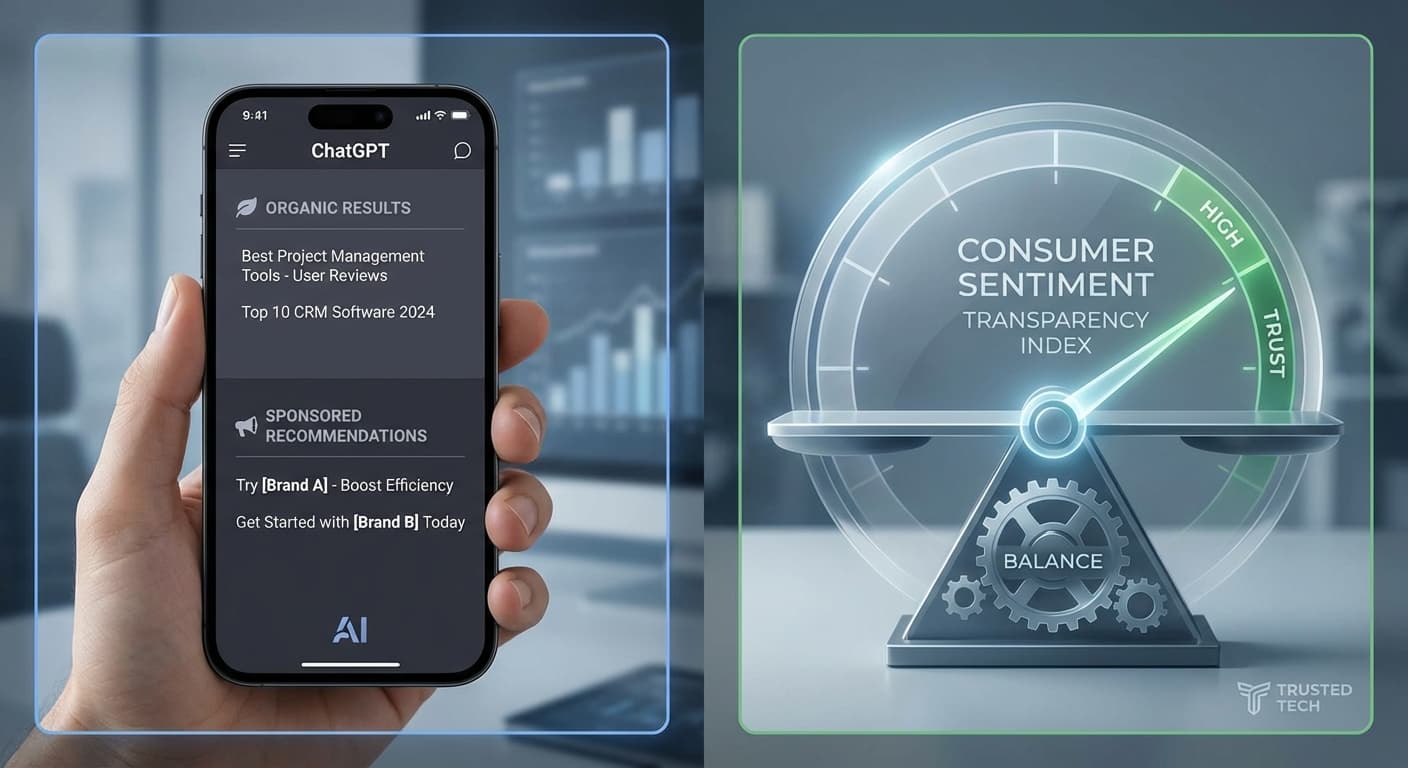
OpenAI's sponsored recommendation pilot represents the biggest shift in AI search monetization since these platforms launched. Unlike traditional search ads that appear separate from organic results, sponsored AI citations are woven directly into conversational responses, creating both unprecedented opportunity and unique trust challenges.
Key Statistics Shaping This Moment:
This data reveals a critical insight: transparency isn't just ethical—it's profitable.
Understanding OpenAI's Sponsored Recommendation Framework
ChatGPT's sponsored recommendations work differently than traditional advertising. Instead of bidding on keywords, brands now optimize for conversational relevance and contextual authority. The system evaluates several factors:
Primary Ranking Signals:
Brands that excel in these areas see their content featured in both organic and sponsored AI responses, creating a powerful compounding effect.
The Trust Equation: Why Transparency Wins
The early backlash against paid AI citations stems from a fundamental shift in user expectations. When someone asks ChatGPT for restaurant recommendations, they expect unbiased suggestions—not undisclosed advertisements.
Consumer research from January 2026 shows three distinct user segments:
The Transparency Advocates (34%)
These users actually prefer clearly marked sponsored content because it helps them identify businesses actively investing in customer experience and innovation.
The Skeptical Majority (48%)
This group remains open to sponsored recommendations but demands clear labeling and obvious value. They'll engage with paid citations that genuinely solve their problems.
The Purists (18%)
These users reject any form of paid AI recommendations and actively seek alternative platforms.
Successful brands are focusing their strategies on the first two segments, which represent 82% of the AI search market.
Strategic Framework: Preparing for Sponsored AI Citations
1. Audit Your Content Foundation
Before pursuing sponsored placements, ensure your organic content performs well in AI search. Tools like Citescope Ai's GEO Score help identify content gaps across the five dimensions that matter most to AI engines: interpretability, semantic richness, conversational relevance, structure, and authority.
Key questions to ask:
2. Develop Ethical AI Citation Guidelines
Create internal standards that exceed platform requirements:
Transparency Standards:
Content Quality Standards:
3. Optimize for Conversational Context
Unlike traditional search optimization, AI citation success depends on conversational flow. Your content must work seamlessly within AI-generated responses.
Best Practices:
4. Build Authority Signals
AI engines heavily weight authority indicators when selecting sponsored content. Strong authority signals include:
Focus on earning these signals organically rather than attempting to manipulate them.
5. Monitor and Measure Performance
Success in AI citation marketing requires different metrics than traditional advertising:
Primary KPIs:
Secondary Metrics:
How Citescope Ai Helps Navigate This Transition
As brands prepare for sponsored AI citations, having the right optimization and monitoring tools becomes critical. Citescope Ai's platform addresses the unique challenges of this new landscape:
Content Optimization: The AI Rewriter tool restructures existing content for maximum AI visibility, ensuring your sponsored citations perform alongside organic ones.
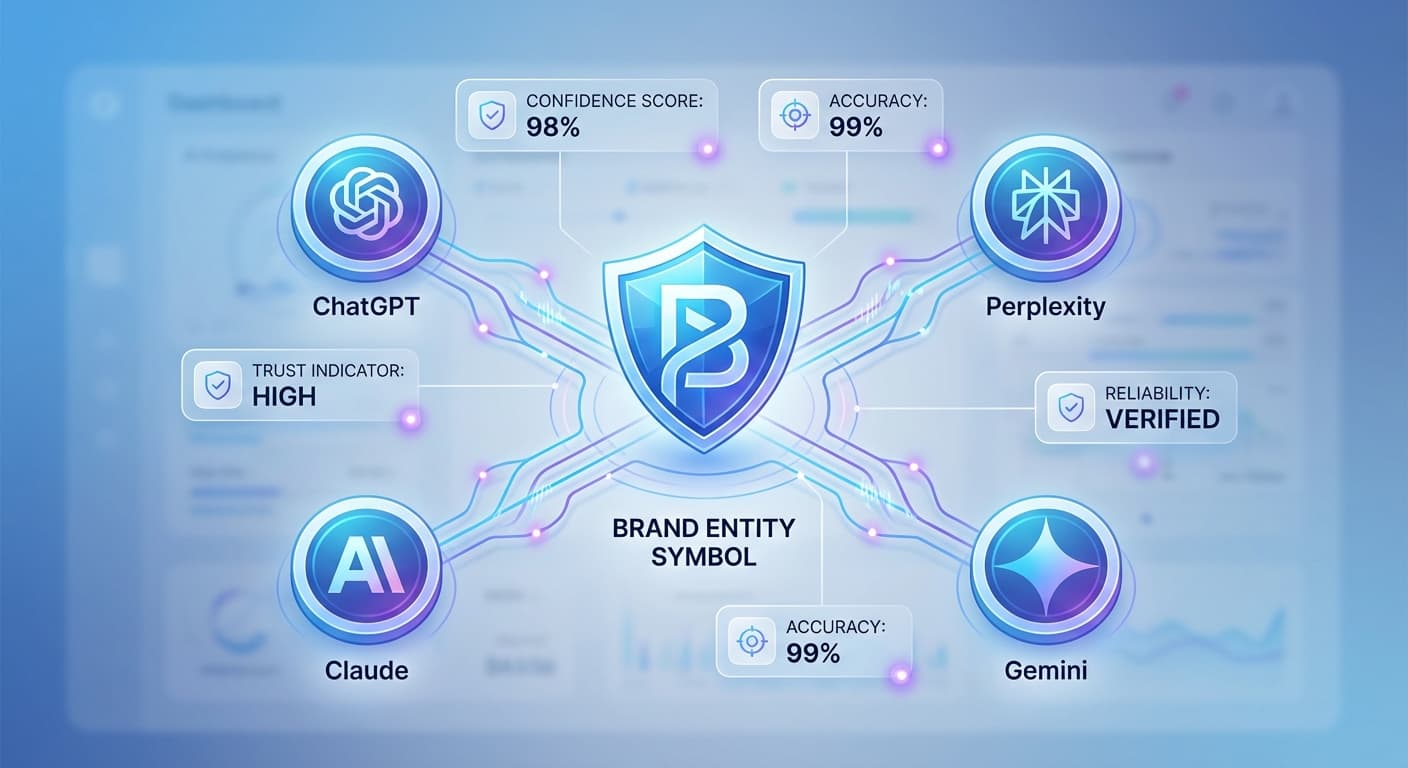
Performance Tracking: Citation Tracker monitors your brand mentions across ChatGPT, Perplexity, Claude, and Gemini, providing insights into both paid and organic performance.
Quality Assessment: The GEO Score evaluates your content across all five dimensions that AI engines prioritize, helping you identify optimization opportunities before launching sponsored campaigns.
Preparing for Different Scenarios
Best Case: High Adoption, High Trust
If sponsored AI citations gain widespread acceptance, early adopters with strong transparency practices will dominate their niches. Prepare by:
Worst Case: Regulatory Backlash
If regulatory pressure forces significant changes to sponsored AI citation programs, brands with strong organic AI search presence will weather the storm better. Focus on:
Most Likely: Gradual Evolution
The most probable scenario involves iterative improvements to transparency, labeling, and user controls. Brands should:
Action Plan for the Next 90 Days
Month 1: Foundation Building
Month 2: Testing and Learning
Month 3: Scaling and Optimization
The Future of Brand Trust in AI Search
As AI search continues evolving, brands that prioritize transparency, user value, and ethical practices will build lasting competitive advantages. The current uncertainty around sponsored AI citations creates an opportunity for thoughtful brands to establish trust and authority while their competitors struggle with the transition.
The brands that succeed won't be those that game the system—they'll be those that genuinely serve users better than anyone else, whether through organic citations or transparent sponsored recommendations.
Ready to Optimize for AI Search?
Navigating sponsored AI citations while maintaining consumer trust requires the right strategy and tools. Citescope Ai helps brands optimize content for AI visibility, track citations across all major platforms, and measure performance with precision.
Start with our free tier to analyze your content's AI search readiness, then upgrade to Pro ($39/month) for comprehensive optimization and tracking. Ready to future-proof your brand for the AI search era? Try Citescope Ai today and see how your content performs across ChatGPT, Perplexity, Claude, and Gemini.