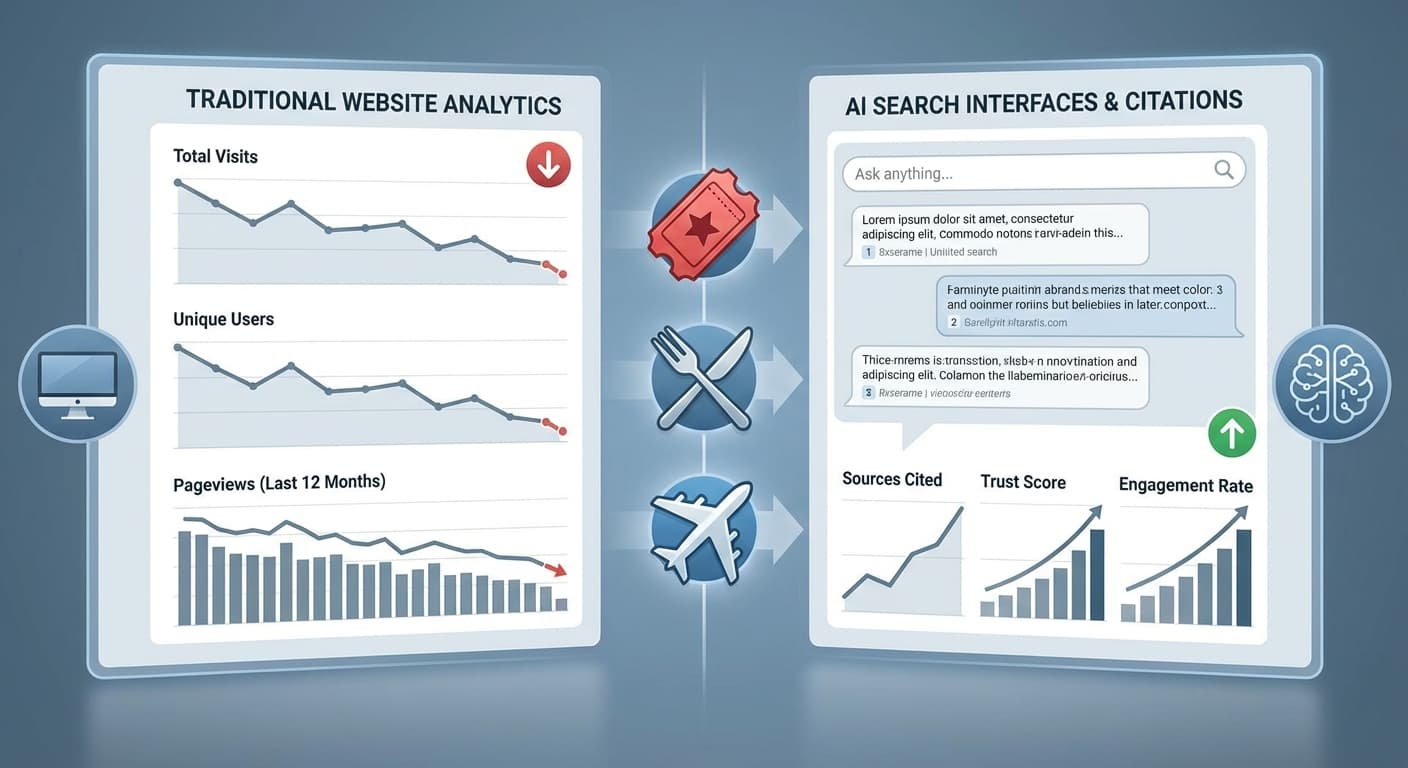
How to Prepare Your Brand for AI Search Copyright Enforcement in 2026: Protecting Your Content While Maximizing AI Visibility
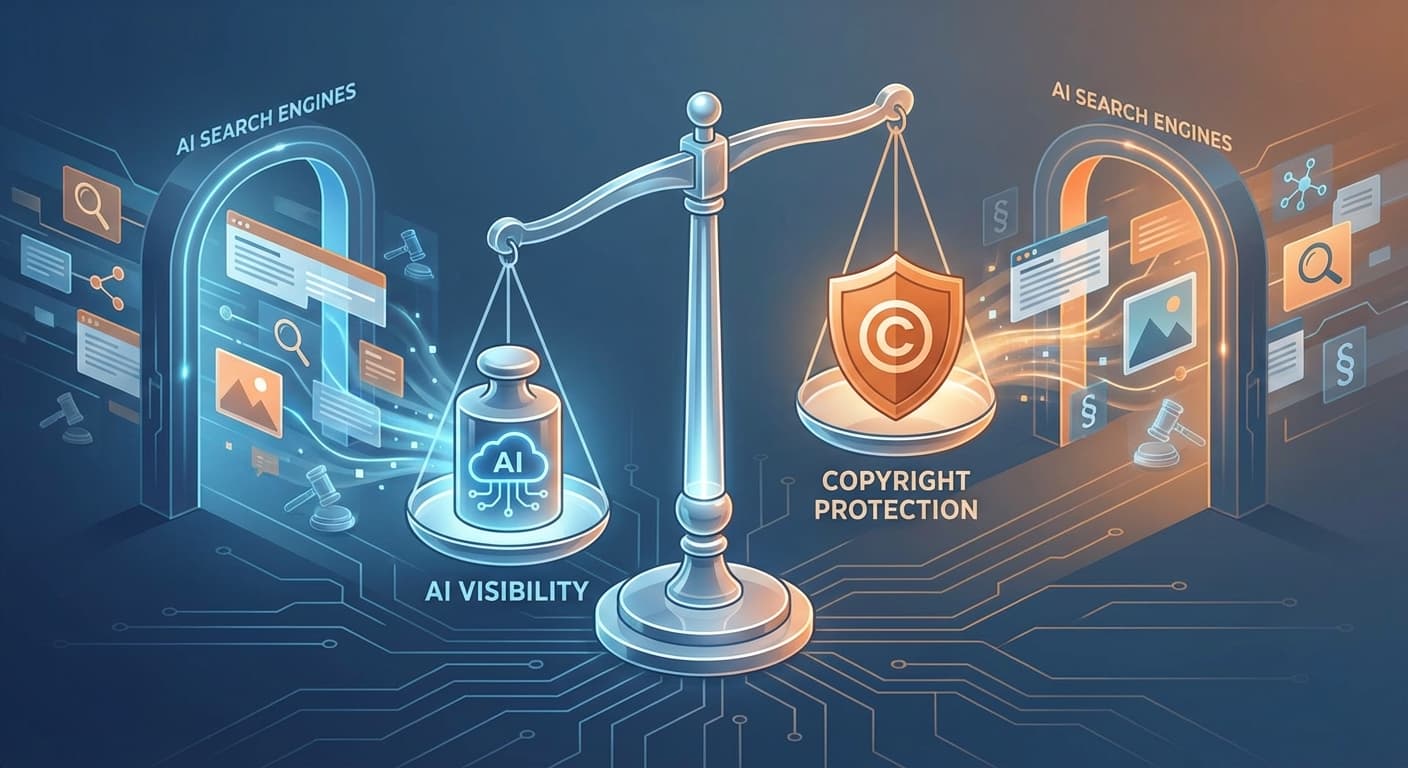
How to Prepare Your Brand for AI Search Copyright Enforcement in 2026: Protecting Your Content While Maximizing AI Visibility
As AI search engines process over 2.4 billion queries daily in 2026, a startling revelation has emerged: 44% of all LLM citations pull exclusively from the first 30% of content, while fair use lawsuits have forced major publishers to implement aggressive content paywalling strategies. This shift has created a perfect storm for brands trying to balance AI visibility with content protection.
The question isn't whether your brand will be affected by AI copyright enforcement—it's how prepared you'll be when it happens.
The New Reality of AI Copyright Enforcement
The landscape has dramatically shifted since major publishing houses won landmark fair use cases against AI companies in late 2025. What started as isolated lawsuits has evolved into industry-wide copyright enforcement, with over 60% of premium content now sitting behind paywalls or AI-blocking protocols.
Key Changes Reshaping Content Strategy:
Understanding the Copyright-AI Visibility Tension
Brands now face a complex balancing act. Too much protection, and you lose AI search visibility entirely. Too little, and you risk having your content freely redistributed without proper attribution or compensation.
The Three-Tier Content Protection Model
Tier 1: Open Access Content
Tier 2: Gated Premium Content
Tier 3: Fully Protected Assets
Strategic Content Optimization for the New Era
1. Front-Load Your Value Proposition
Since 44% of AI citations come from the first 30% of content, your opening sections must work twice as hard. Structure your content with:
2. Implement Strategic Content Layering
Create a content funnel that protects your most valuable insights while maintaining AI visibility:
Surface Layer (AI-Optimized):
Protected Layer (Behind Soft Gates):
3. Master the Attribution Game
With AI models becoming more sophisticated in citation handling, ensure your brand gets proper credit:
Legal Protection Strategies for AI-Era Content
Copyright Notices That Actually Work
Traditional copyright notices aren't enough. Implement AI-specific protections:
© 2026 [Your Brand]. This content is protected by copyright law.
AI systems may quote brief excerpts with proper attribution.
Unauthorized reproduction or training use is prohibited.
Robots.txt for AI Crawlers
Many brands are implementing selective blocking:
User-agent: GPTBot
Disallow: /premium-content/
Disallow: /proprietary-research/
User-agent: ChatGPT-User
Disallow: /premium-content/
Terms of Service Updates
Clearly define acceptable AI use:
Monitoring and Enforcement in the AI Age
Track Your Content's AI Journey
Understanding how AI systems interact with your content is crucial. Monitor:
Citescope Ai's Citation Tracker provides real-time monitoring across ChatGPT, Perplexity, Claude, and Gemini, helping you understand exactly how your content performs in AI search results and ensuring proper attribution.
Enforcement Action Framework
Level 1: Friendly Contact
Level 2: Formal Notice
Level 3: Legal Action
Future-Proofing Your Content Strategy
Emerging Trends to Watch
AI Attribution Standards: Industry groups are developing standardized citation formats for AI systems. Early adoption could provide competitive advantages.
Micropayment Systems: New platforms are emerging that allow AI systems to compensate content creators for citations automatically.
Blockchain Verification: Some publishers are experimenting with blockchain-based content verification to prove ownership and track usage.
Building Sustainable AI Relationships
Rather than fighting AI adoption, smart brands are building mutually beneficial relationships:
How Citescope Ai Helps Navigate This Complex Landscape
As brands struggle to balance copyright protection with AI visibility, Citescope Ai provides essential tools for the new era:
GEO Score Analysis: Our proprietary scoring system evaluates content across five critical dimensions, ensuring your front-loaded content maximizes the crucial first 30% where 44% of citations originate.
AI Rewriter Optimization: One-click content restructuring that protects your valuable insights while optimizing for AI citation—automatically moving your key brand mentions and value propositions to the citation-heavy opening sections.
Citation Tracking & Attribution Monitoring: Real-time alerts when your content gets cited across major AI platforms, helping you identify unauthorized use and ensure proper attribution.
Multi-format Export: Download optimized content in formats that work with various content management and protection systems, from WordPress blocks to markdown for documentation systems.
Best Practices for 2026 and Beyond
Content Creation Guidelines
Technology Stack Recommendations
Ready to Optimize for AI Search While Protecting Your Content?
Navigating the intersection of AI visibility and copyright protection doesn't have to be overwhelming. Citescope Ai provides the tools and insights you need to maximize your brand's AI search performance while maintaining control over your valuable intellectual property.
Start with our free tier to analyze your content's GEO Score and discover optimization opportunities. See exactly how your content performs in the crucial first 30% where nearly half of all AI citations originate.
Try Citescope Ai Free - 3 content optimizations included, no credit card required.