GEO Strategy

How to Prepare for AI Search Query Fan-Out Personalization: The Future of Citation Analytics
March 17, 20267 min read
How to Prepare for AI Search Query Fan-Out Personalization: The Future of Citation Analytics

How to Prepare for AI Search Query Fan-Out Personalization: The Future of Citation Analytics

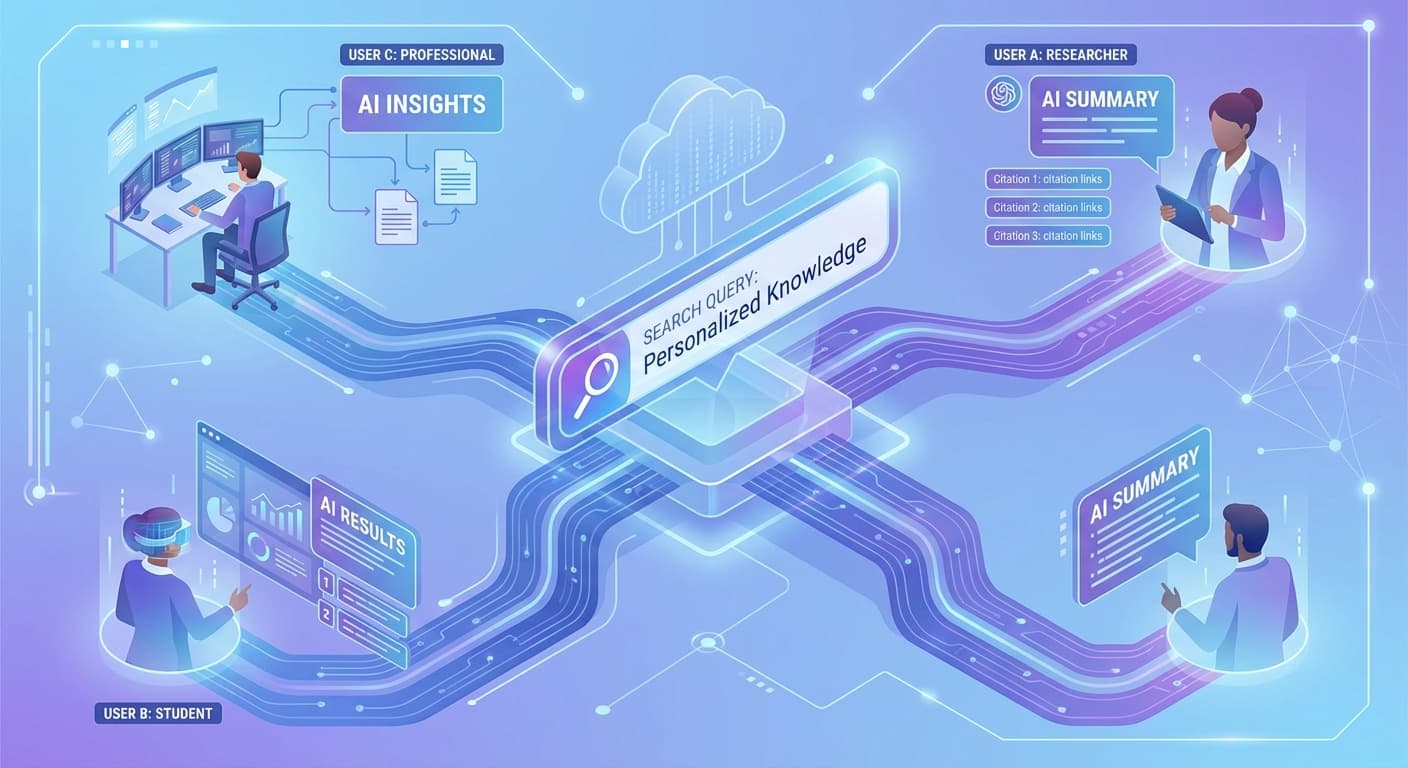
Imagine asking ChatGPT about "best marketing strategies" and getting completely different citations than your colleague who asked the exact same question. This isn't hypothetical—it's happening right now in 2026. With AI search engines processing over 45 billion personalized queries monthly, we're entering an era where every user sees customized results based on their unique search history, preferences, and behavioral patterns.

The challenge? Traditional analytics can't tell you why your content was cited for one user but not another, making optimization feel like shooting in the dark.

The Reality of AI Search Personalization in 2026

AI search engines have evolved far beyond simple keyword matching. Today's systems create personalized "knowledge graphs" for each user, drawing from:

  • Search history patterns: Previous queries and interactions

  • Content engagement behavior: Time spent on different topics

  • Contextual preferences: Industry, role, and expertise level

  • Semantic associations: How users connect different concepts

  • Real-time context: Current projects and immediate needs
  • This means your content might rank as the top citation for a marketing manager researching B2B strategies while being completely invisible to a startup founder asking the identical question.

    Understanding Query Fan-Out Effects

    Query fan-out occurs when a single search query branches into multiple personalized result paths. Here's what's happening behind the scenes:

    The Personalization Pipeline

  • Query Analysis: AI engines analyze not just the words, but the user's intent based on their profile

  • Content Matching: Algorithms select from billions of sources using personalized relevance scores

  • Citation Ranking: Results are ranked differently for each user

  • Context Integration: Personal search history influences which citations appear
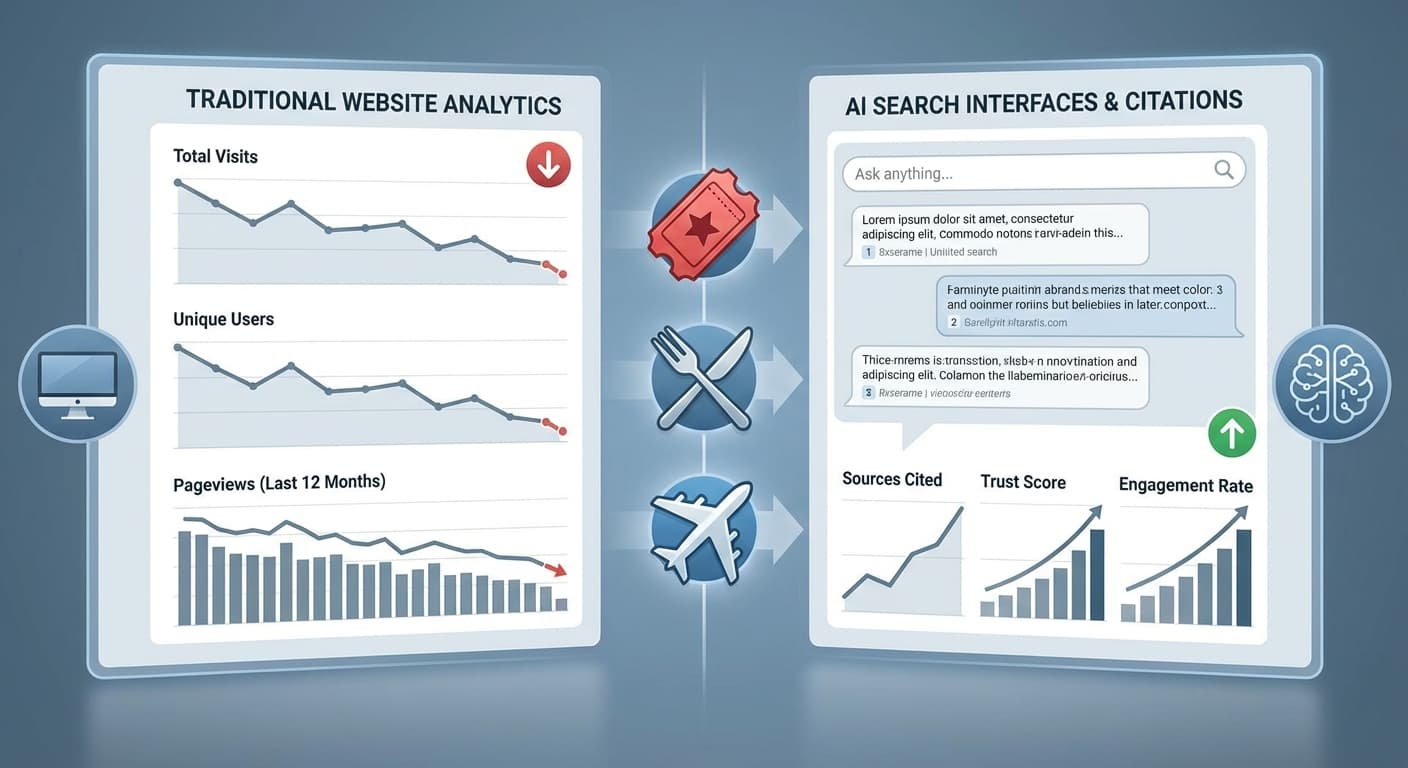
  • Why Traditional Analytics Fall Short

    Standard analytics tools show you:

  • Total citation counts

  • General traffic patterns

  • Basic demographic breakdowns
  • But they can't reveal:

  • Which content elements triggered personalized citations

  • How different user profiles interpret your content

  • Why identical queries produce different results

  • Which optimization strategies work for specific user segments
  • Strategic Preparation for Personalized AI Search

    1. Create Multi-Dimensional Content Architecture

    Develop content that serves multiple user personas and contexts:

    Layer Your Expertise Levels

  • Beginner-friendly explanations

  • Intermediate practical applications

  • Advanced technical deep-dives

  • Executive-level strategic overviews
  • Address Multiple Use Cases

  • Problem identification content

  • Solution comparison guides

  • Implementation tutorials

  • ROI and measurement frameworks
  • 2. Build Semantic Richness Across Topics

    Personalized AI engines love content that connects multiple concepts. Structure your content to include:

  • Cross-topic connections: Link your main topic to related fields

  • Multiple terminology sets: Use both technical and conversational language

  • Contextual examples: Provide scenarios for different industries and roles

  • Progressive complexity: Start simple and build to advanced concepts
  • 3. Optimize for Intent Diversity

    A single piece of content should satisfy multiple search intents:

    Informational Intent

  • Comprehensive explanations

  • Background context

  • Historical perspective
  • Navigational Intent

  • Clear next steps

  • Resource recommendations

  • Tool comparisons
  • Transactional Intent

  • Implementation guidance

  • Decision frameworks

  • Action-oriented conclusions
  • 4. Implement Content Clustering Strategies

    Create content clusters that reinforce each other across different personalization paths:

  • Topic clusters: Comprehensive coverage of related subtopics

  • Persona clusters: Content tailored to specific user types

  • Funnel clusters: Content for different stages of the buyer journey

  • Format clusters: Same insights in different content types
  • Advanced Optimization Techniques

    Content Variability Testing

    Since you can't A/B test personalized results directly, focus on:

  • Multi-angle coverage: Write about the same topic from different perspectives

  • Format diversification: Create videos, articles, infographics, and interactive content

  • Depth variation: Produce both comprehensive guides and quick reference materials

  • Update frequency: Regular refreshes to stay relevant across different user contexts
  • Semantic Signal Amplification

    Boost your content's visibility across personalization algorithms:

  • Entity recognition: Clearly define key concepts and terminology

  • Relationship mapping: Explicitly connect ideas and concepts

  • Context markers: Include industry, role, and experience level indicators

  • Intent signals: Use language patterns that match different search intents
  • Cross-Platform Consistency

    Maintain consistent messaging across all platforms where your content appears:

  • Social media snippets that reinforce main content themes

  • Email newsletters that provide additional context

  • Video content that covers the same topics with visual elements

  • Podcast appearances that discuss your expertise areas
  • Measuring Success in a Personalized World

    New Metrics That Matter

    Citation Diversity Score: How many different user types cite your content
    Personalization Reach: Breadth of user segments accessing your content
    Context Relevance: How well your content performs across different query contexts
    Semantic Coverage: Range of related topics your content addresses

    Proxy Analytics Approaches

    While you can't directly measure personalized citations, you can track:

  • Engagement diversity: Different user segments interacting with your content

  • Search term variety: Range of queries leading to your content

  • Cross-platform performance: How content performs across different AI engines

  • User journey complexity: Multi-touch attribution patterns
  • How Citescope Ai Helps Navigate Personalization

    As AI search personalization becomes more complex, tools like Citescope Ai are evolving to help content creators adapt. The platform's GEO Score analyzes your content across multiple dimensions that matter for personalized search:

  • AI Interpretability: How well AI engines can understand and categorize your content for different user contexts

  • Semantic Richness: The depth of connections and concepts that enable personalized matching

  • Conversational Relevance: How naturally your content fits into different types of AI conversations

  • Structure and Authority: Elements that build trust across diverse user segments
  • The Citation Tracker helps you monitor when your content gets cited across different AI engines, giving you insights into which platforms and contexts are driving the most visibility.

    Future-Proofing Your Content Strategy

    Embrace Content Modularity

    Create content that can be consumed in pieces:

  • Standalone sections that answer specific questions

  • Interconnected modules that build comprehensive understanding

  • Multiple entry points for users with different backgrounds

  • Flexible conclusions that work for various user goals
  • Build Authority Breadth

    Develop expertise signals that resonate across user segments:

  • Cross-industry case studies

  • Multi-perspective analysis

  • Diverse citation sources

  • Varied content formats
  • Prepare for Continuous Evolution

    Personalization algorithms will keep advancing. Stay adaptable by:

  • Regular content audits to identify optimization opportunities

  • Trend monitoring to catch algorithmic shifts early

  • User feedback collection to understand real-world impact

  • Experimental content creation to test new approaches
  • Practical Implementation Timeline

    Month 1-2: Foundation Building


  • Audit existing content for personalization readiness

  • Identify key user personas and their search patterns

  • Begin creating multi-dimensional content outlines
  • Month 3-4: Content Optimization


  • Implement semantic richness strategies

  • Create content clusters for different user segments

  • Start building cross-platform consistency
  • Month 5-6: Measurement and Refinement


  • Establish new success metrics

  • Begin tracking personalization proxy indicators

  • Refine strategies based on early results
  • Conclusion: Thriving in the Age of Personalized AI Search

    The shift toward personalized AI search results represents both a challenge and an opportunity. While traditional analytics may not show you exactly why different users see different citations, you can prepare by creating richer, more diverse content that serves multiple user contexts simultaneously.

    Success in this new landscape requires thinking beyond single-dimensional optimization toward building content ecosystems that can adapt to any user's personalized search experience.

    Ready to Optimize for AI Search?

    Navigating personalized AI search doesn't have to be overwhelming. Citescope Ai provides the tools and insights you need to optimize your content for maximum visibility across all major AI engines, regardless of how personalization algorithms evolve. Start with our free tier and discover how the GEO Score can help you create content that resonates with diverse user segments. Try Citescope Ai free today and future-proof your content strategy.
    AI search personalizationcitation optimizationGEO strategycontent analyticsAI visibility

    Track your AI visibility

    See how your content appears across ChatGPT, Perplexity, Claude, and more.

    Start for Free