How to Prepare for AI Overview Ad Auctions: Mastering Google's Shift to Outcome-Based Intent Bundles
How to Prepare for AI Overview Ad Auctions: Mastering Google's Shift to Outcome-Based Intent Bundles
Google's advertising ecosystem is experiencing its most dramatic transformation since the introduction of Quality Score. By mid-2025, Google began rolling out outcome-based intent bundles, fundamentally changing how advertisers target users in AI Overview placements. Instead of bidding on traditional keywords, advertisers now compete for "intent clusters" that Google's AI identifies based on user goals and behavioral patterns.
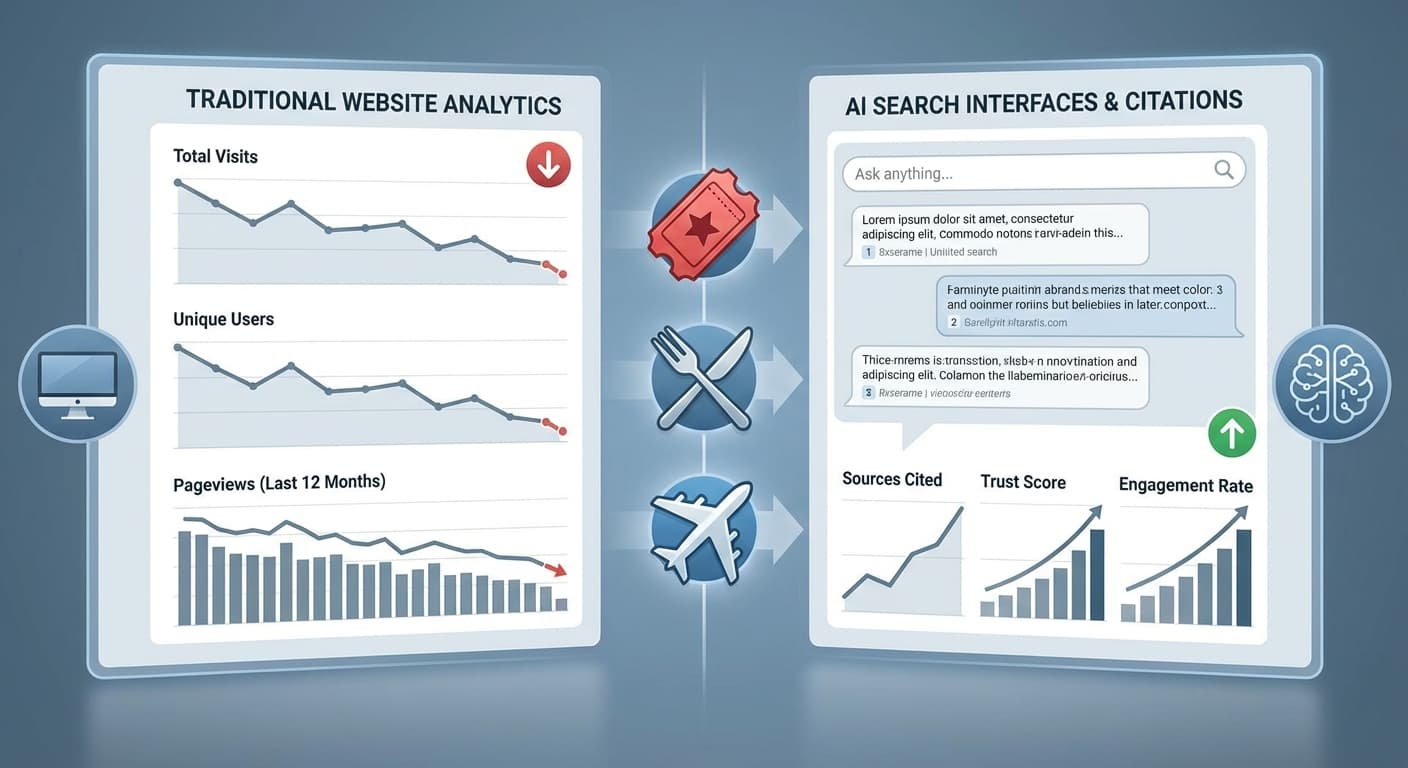
This shift represents more than just a targeting update—it's a complete reimagining of how search advertising works in an AI-first world. With AI Overviews now appearing in over 40% of search queries and generating 25% higher engagement rates than traditional results, understanding this new auction system isn't optional—it's essential for survival.
Understanding the New AI Overview Ad Auction System
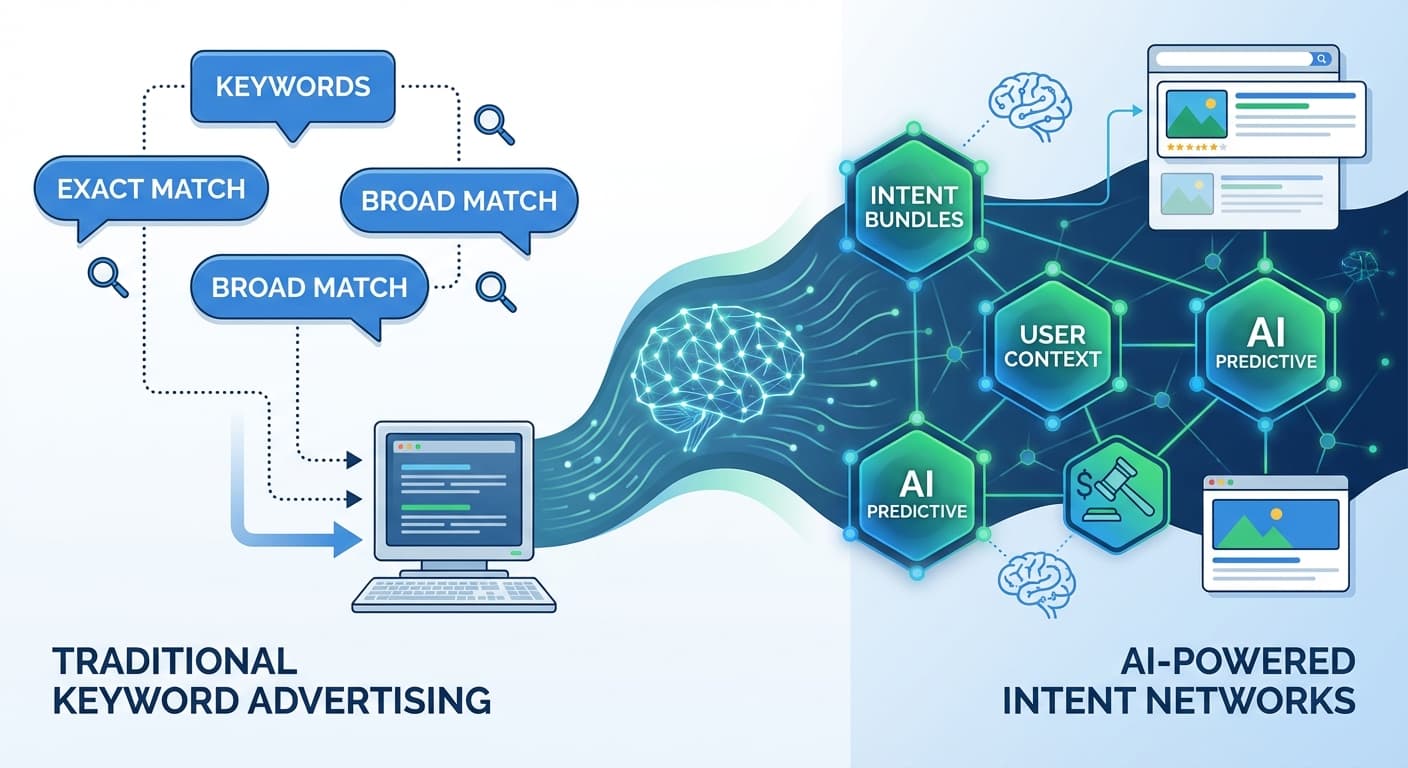
From Keywords to Intent Bundles
Traditional Google Ads operated on keyword matching—you bid on "running shoes" and hoped to appear when someone searched for that exact term or close variants. The new system groups related queries into outcome-based intent bundles that represent what users actually want to accomplish.
For example, instead of bidding on individual keywords like:
You'll now bid on the intent bundle: "Marathon Performance Gear Selection." This bundle captures all queries where users seek equipment to improve their marathon performance, regardless of specific terminology.
How AI Overview Ad Auctions Work
The new auction system considers three primary factors:
Unlike traditional ad auctions that happened in milliseconds based on keyword matching, AI Overview auctions involve real-time content analysis. Google's AI examines your landing page content, user reviews, and even how well your content performs in AI citations to determine ad placement.
Preparing Your Content Strategy for Intent Bundle Targeting
1. Map Your Customer Journey to Intent Bundles
Start by identifying the outcome-based goals your customers have at different stages:
Awareness Stage Intent Bundles:
Consideration Stage Intent Bundles:
Decision Stage Intent Bundles:
Document not just what your customers search for, but what they're trying to accomplish. This mindset shift is crucial for the new targeting system.
2. Optimize Landing Pages for Outcome Delivery
Your landing pages need to clearly demonstrate how you help users achieve their goals. Key elements include:
This is where tools like Citescope Ai become invaluable. The platform's GEO Score helps ensure your landing pages score high on the Authority dimension that Google's AI evaluates during ad auctions.
3. Create Intent-Aligned Content Clusters
Instead of creating individual pages targeting specific keywords, build comprehensive content clusters around intent bundles:
Example: "Home Office Productivity Optimization" Intent Bundle
Each piece should contribute to helping users achieve the overall outcome while providing Google's AI with rich, interconnected content to analyze.
Advanced Strategies for AI Overview Ad Success
Leverage AI Citation Signals
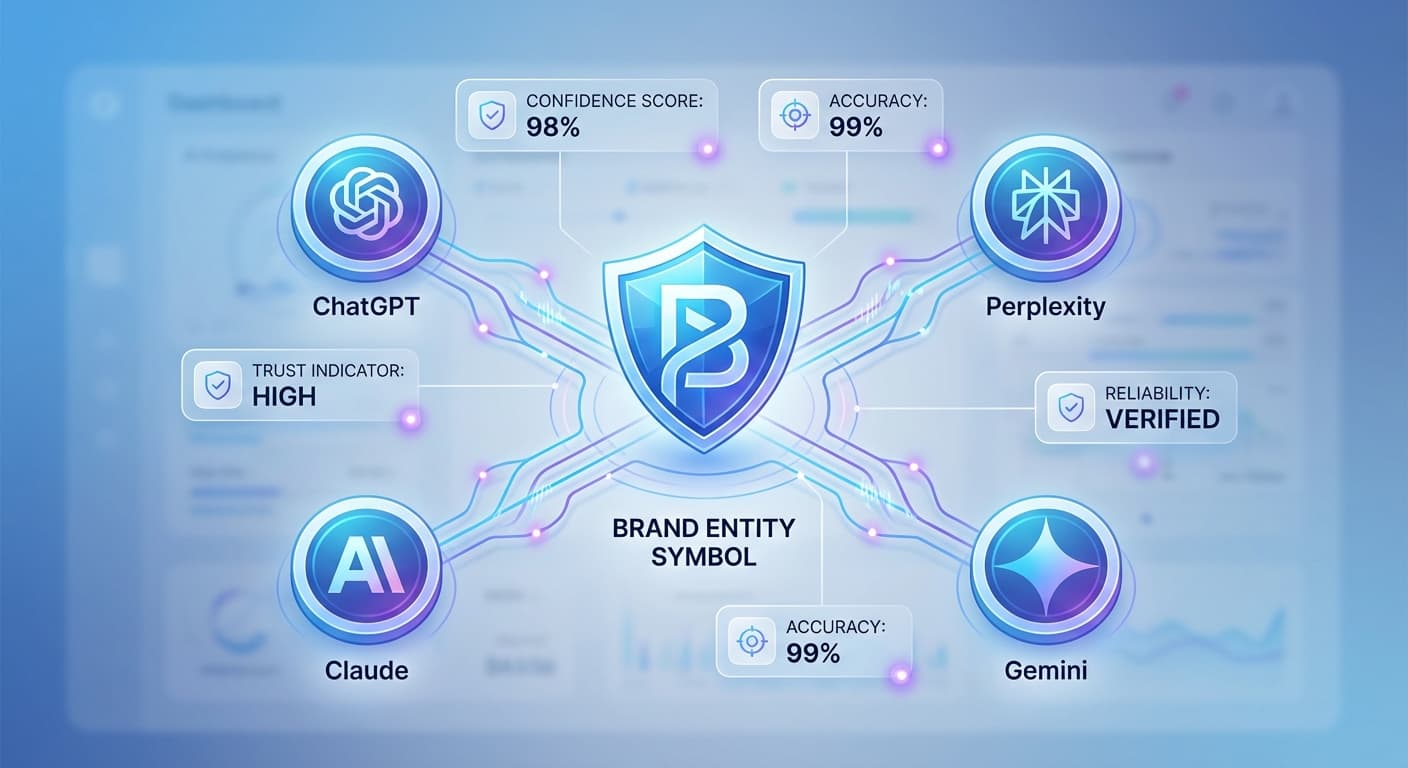
Google's AI Overview ads heavily weight content that gets cited by other AI systems. Content that ChatGPT, Perplexity, or Claude regularly reference as authoritative sources receives higher Intent Relevance Scores.
Focus on creating:
Optimize for Conversational Queries
AI Overview searches often involve longer, more conversational queries. Users ask complete questions rather than typing keyword phrases. Your content should naturally address these conversational patterns:
Structure your content to directly answer these natural language questions while supporting the broader intent bundle.
Monitor Competitive Intent Bundle Performance
Unlike traditional keyword research, you'll need to analyze which intent bundles your competitors are successfully targeting. Look for:
Technical Implementation for AI Overview Readiness
Structured Data and Schema Markup
AI Overview ad auctions rely heavily on structured data to understand content context and outcomes. Implement:
Content Semantic Optimization
Google's AI systems analyze semantic relationships and topical authority. Your content should demonstrate deep expertise through:
Performance Measurement Evolution
Traditional metrics like CTR and CPC remain important, but new metrics matter more:
How Citescope Ai Helps Navigate This Transition
As Google's ad auction system becomes increasingly AI-driven, content optimization tools become essential for maintaining competitive advantage. Citescope Ai addresses the key challenges of intent bundle targeting:
GEO Score Analysis: The platform evaluates your content across the five dimensions that matter most for AI Overview ad auctions—AI Interpretability, Semantic Richness, Conversational Relevance, Structure, and Authority. This comprehensive scoring helps predict how well your content will perform in Google's new auction system.
AI Rewriter Optimization: The one-click optimization feature restructures your content to better align with intent bundle targeting, improving your chances of winning ad auctions while maintaining natural readability.
Citation Tracking: Monitor when your content gets cited by ChatGPT, Perplexity, Claude, and Gemini—a crucial signal that Google's AI considers when evaluating content authority for ad placements.
Multi-Platform Export: Easily implement optimized content across your various landing pages and ad destinations in the format that works best for your workflow.
Preparing for the Full Rollout
Google's intent bundle system is still expanding, with full implementation expected by late 2026. Start preparing now:
The shift from keyword-based to intent-based advertising represents the biggest change in paid search since its inception. Advertisers who prepare now will have significant advantages when the system fully launches.
Ready to Optimize for AI Search?
The transition to AI Overview ad auctions and outcome-based intent bundles requires a fundamental shift in how you approach content and advertising. Success depends on creating comprehensive, authoritative content that truly helps users achieve their goals—not just ranking for keywords.
Citescope Ai makes this transition manageable by providing the tools you need to optimize content for AI visibility, track citations across multiple AI platforms, and measure the authority signals that matter most in the new advertising landscape. Start with our free tier to optimize up to 3 pieces of content per month and see how your GEO Score improves. Ready to dominate AI Overview ad auctions? Try Citescope Ai free today and transform your content for the AI-first advertising future.