How to Optimize Your E-Commerce Store for Agentic AI Shopping Agents: The Future of Autonomous Commerce in 2026
How to Optimize Your E-Commerce Store for Agentic AI Shopping Agents: The Future of Autonomous Commerce in 2026
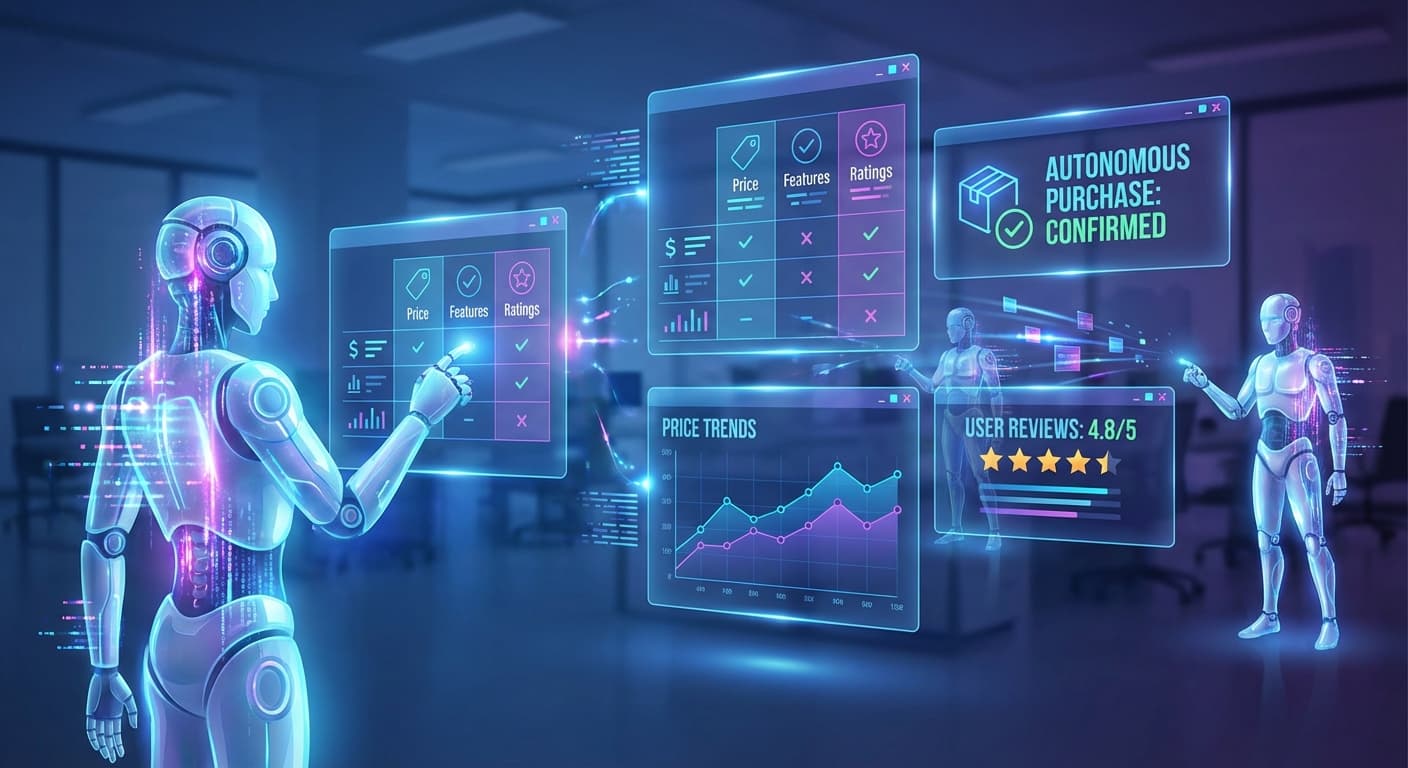
By early 2026, autonomous AI shopping agents are making over $180 billion in purchasing decisions annually without human review. These sophisticated agentic AI systems—powered by advanced LLMs like GPT-5, Claude 3.5, and Google's Gemini Ultra—are fundamentally changing how consumers shop online. Unlike traditional search, these agents actively research, compare, and purchase products on behalf of their users, making split-second decisions based on complex criteria.
If your e-commerce store isn't optimized for these AI agents, you're missing out on the fastest-growing segment of online commerce. Here's everything you need to know about preparing your store for the age of autonomous shopping.
The Rise of Agentic AI Shopping: Why 2026 Changes Everything
The numbers tell a compelling story. Recent studies show that 45% of Gen Z consumers now use AI agents for routine purchases, while 72% of businesses report AI-driven procurement decisions have increased by 300% in the past year. These aren't simple chatbots—they're sophisticated agents capable of:
Major retailers like Amazon, Shopify, and Walmart have already integrated agent-friendly features, while smaller e-commerce stores struggle to keep up. The question isn't whether AI agents will reshape commerce—it's whether your store will be visible to them.
How AI Shopping Agents Actually Work
Understanding the mechanics of AI shopping agents is crucial for optimization. These systems typically follow a structured process:
1. Intent Recognition and Research
When a user requests "buy the best wireless headphones under $200 for workouts," the agent breaks this into specific criteria:
2. Multi-Source Data Aggregation
The agent simultaneously crawls:
3. Evaluation and Ranking
Using sophisticated algorithms, agents score products based on:
4. Decision Execution
For routine purchases, agents can complete transactions autonomously. For larger purchases, they present ranked recommendations with detailed reasoning.
Essential Optimization Strategies for AI Shopping Agents
Make Your Product Data AI-Readable
AI agents rely heavily on structured data to understand your products. Implement these technical optimizations:
Schema Markup Implementation
Rich Product Descriptions
AI agents need comprehensive information to make informed decisions. Your product descriptions should include:
High-Quality Images with Alt Text
Optimize for Conversational Queries
AI agents often process natural language requests. Structure your content to answer common questions:
Create FAQ sections that directly address these conversational patterns. Tools like Citescope Ai's GEO Score can help you analyze how well your content performs across the Conversational Relevance dimension, ensuring your product pages resonate with AI agents' natural language processing capabilities.
Build Trust Signals AI Agents Recognize
AI agents are programmed to prioritize trustworthy sources. Strengthen your authority signals:
Review Management
Certification and Badges
Expert Content
Streamline the Purchase Journey
AI agents evaluate not just products, but the entire buying experience:
Simplified Checkout Process
API Integration
Advanced Optimization Techniques
Semantic Search Optimization
AI agents understand context and intent better than traditional search engines. Optimize for semantic relevance:
Dynamic Pricing Intelligence
AI agents are excellent at price comparison. Stay competitive with:
Personalization at Scale
While AI agents make autonomous decisions, they still consider user preferences:
Measuring Success in the AI Agent Era
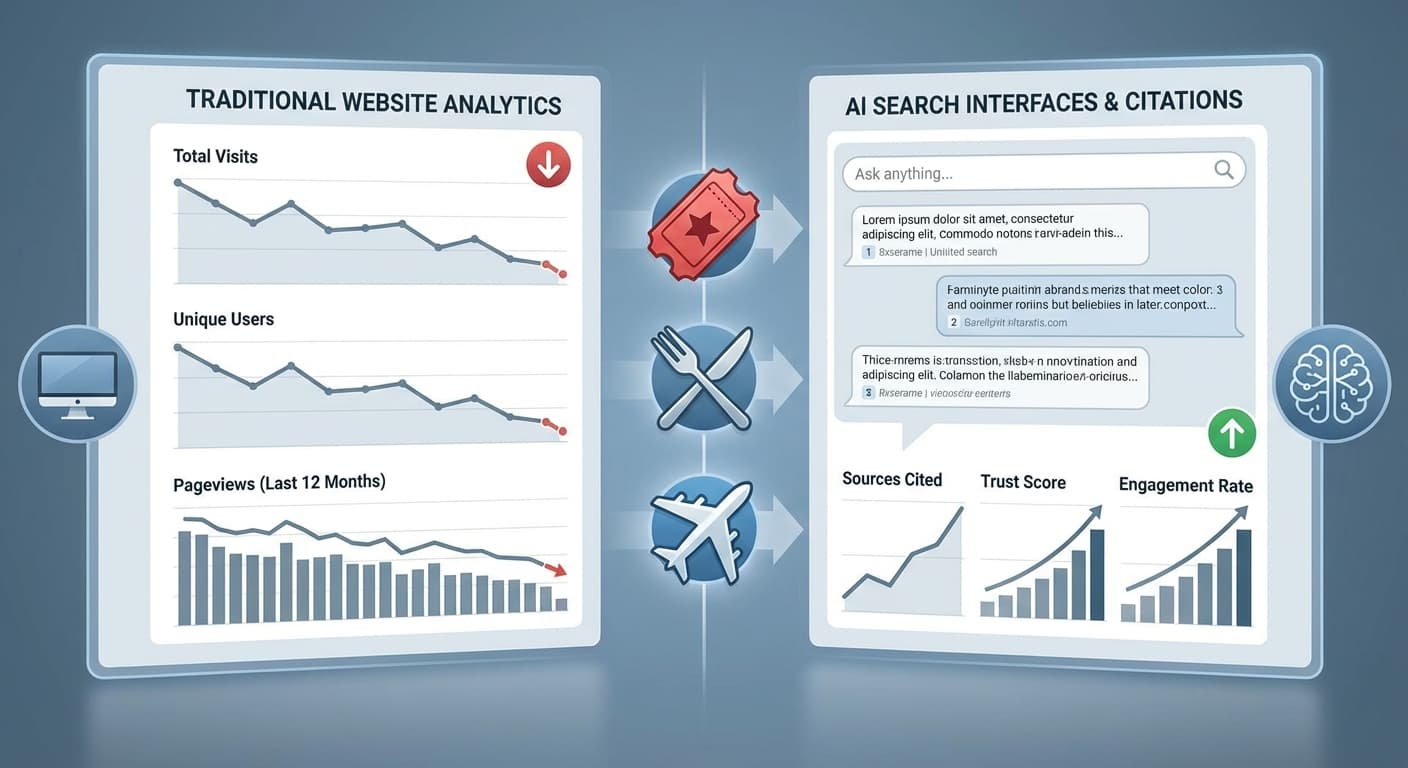
Traditional e-commerce metrics need updating for the AI age. Focus on:
Agent Visibility Metrics
Conversion Quality
How Citescope Ai Helps E-Commerce Stores Succeed
Optimizing for AI shopping agents requires understanding how these systems interpret and rank your content. Citescope Ai's comprehensive platform provides e-commerce stores with the tools needed to thrive in this new landscape:
GEO Score Analysis: Get detailed insights into how well your product pages perform across five crucial dimensions—AI Interpretability, Semantic Richness, Conversational Relevance, Structure, and Authority. This helps you understand exactly what AI agents see when they evaluate your products.
AI Rewriter for Product Content: Transform existing product descriptions into AI-optimized content with one click. The tool restructures your text to better match how AI agents process and understand product information.
Citation Tracking: Monitor when your products get recommended or cited by major AI platforms like ChatGPT, Perplexity, Claude, and Gemini. This visibility data helps you understand which optimization strategies are working.
Multi-format Export: Easily implement optimized content across your e-commerce platform with WordPress, HTML, or Markdown exports that maintain proper structure and formatting.
The Competitive Advantage of Early Adoption
E-commerce stores that optimize for AI agents now will capture disproportionate market share as this technology becomes mainstream. Early adopters report:
The key is starting optimization efforts before your competitors recognize the opportunity.
Future-Proofing Your E-Commerce Strategy
As AI agents become more sophisticated, optimization strategies will evolve. Stay ahead by:
The transformation to AI-driven commerce is happening now, not in some distant future. E-commerce stores that adapt their optimization strategies will thrive, while those that ignore AI agents risk becoming invisible to the next generation of shoppers.
Ready to Optimize for AI Search?
Don't let your e-commerce store get left behind as AI shopping agents reshape online commerce. Citescope Ai provides the comprehensive tools and insights you need to optimize your product pages, track your AI visibility, and stay ahead of the competition. Start with our free tier and see how your products perform in the age of autonomous shopping—because in 2026, being visible to AI agents isn't optional, it's essential for survival.