How to Optimize Your Content Strategy for Google's Universal Commerce Protocol: Winning When AI Shopping Bypasses Your Website

How to Optimize Your Content Strategy for Google's Universal Commerce Protocol: Winning When AI Shopping Bypasses Your Website
By 2026, over 40% of shopping queries never leave the search results page. Google's Universal Commerce Protocol (UCP) has fundamentally changed how consumers discover and purchase products, with AI-powered shopping experiences now converting users directly within search interfaces. For content marketers and e-commerce businesses, this shift represents both a massive challenge and an unprecedented opportunity.
If your content strategy hasn't adapted to this new reality, you're already losing customers to competitors who have.
Understanding Google's Universal Commerce Protocol Revolution
Google's Universal Commerce Protocol launched in late 2025 as the search giant's answer to AI-first shopping behaviors. Unlike traditional e-commerce funnels that drive traffic to websites, UCP enables complete transactions within Google's ecosystem through AI-powered product discovery, comparison, and checkout processes.
Here's what's happening behind the scenes:
The numbers tell the story: retailers optimized for UCP see 60% higher conversion rates on mobile searches, while those relying solely on traditional website traffic report declining click-through rates from Google Shopping results.
The Content Strategy Challenge: Staying Relevant When Users Don't Click
Traditional content marketing assumed a simple journey: attract users with valuable content, drive them to your website, nurture them through your funnel, and convert. UCP breaks this model by enabling conversions before users ever reach your domain.
Key Challenges Content Marketers Face:
Strategic Approaches to Thrive in the UCP Era
1. Optimize Product Content for AI Interpretation
Your product descriptions, specifications, and marketing copy need to be structured for AI systems to understand and surface appropriately. This goes beyond basic SEO—it's about creating content that AI shopping assistants can confidently recommend.
Best Practices:
2. Create Authority-Building Content That Influences AI Recommendations
While users may not visit your website before purchasing, AI systems still reference authoritative content when making recommendations. Your expertise content becomes the foundation for AI trust signals.
Content Types That Build AI Authority:
3. Leverage Google Merchant Center Integration
UCP heavily relies on Google Merchant Center data to power shopping experiences. Your content strategy must align with and enhance your product feed optimization.
Integration Strategies:
4. Focus on Intent-Matching Content Architecture
Structure your content to match the specific intents that trigger UCP shopping results. AI systems look for content that directly addresses purchase-related queries.
Intent Categories to Target:
Advanced Tactics for UCP Optimization
Conversational Content Optimization
AI shopping assistants increasingly rely on conversational, natural language content. Your product pages and supporting content should read like helpful recommendations from a knowledgeable friend.
Implementation Tips:
Multi-Modal Content Strategy
UCP doesn't just process text—it analyzes images, videos, and structured data to understand products comprehensively. Your content strategy must embrace multiple formats.
Multi-Modal Elements:
Real-Time Content Updates
AI systems prioritize fresh, accurate information. Your content needs to reflect current pricing, availability, and product specifications in real-time.
Citescope Ai's Citation Tracker helps you monitor when your content gets referenced by AI shopping assistants, giving you insights into which content elements drive the most AI citations and conversions.
Measuring Success in the UCP Landscape
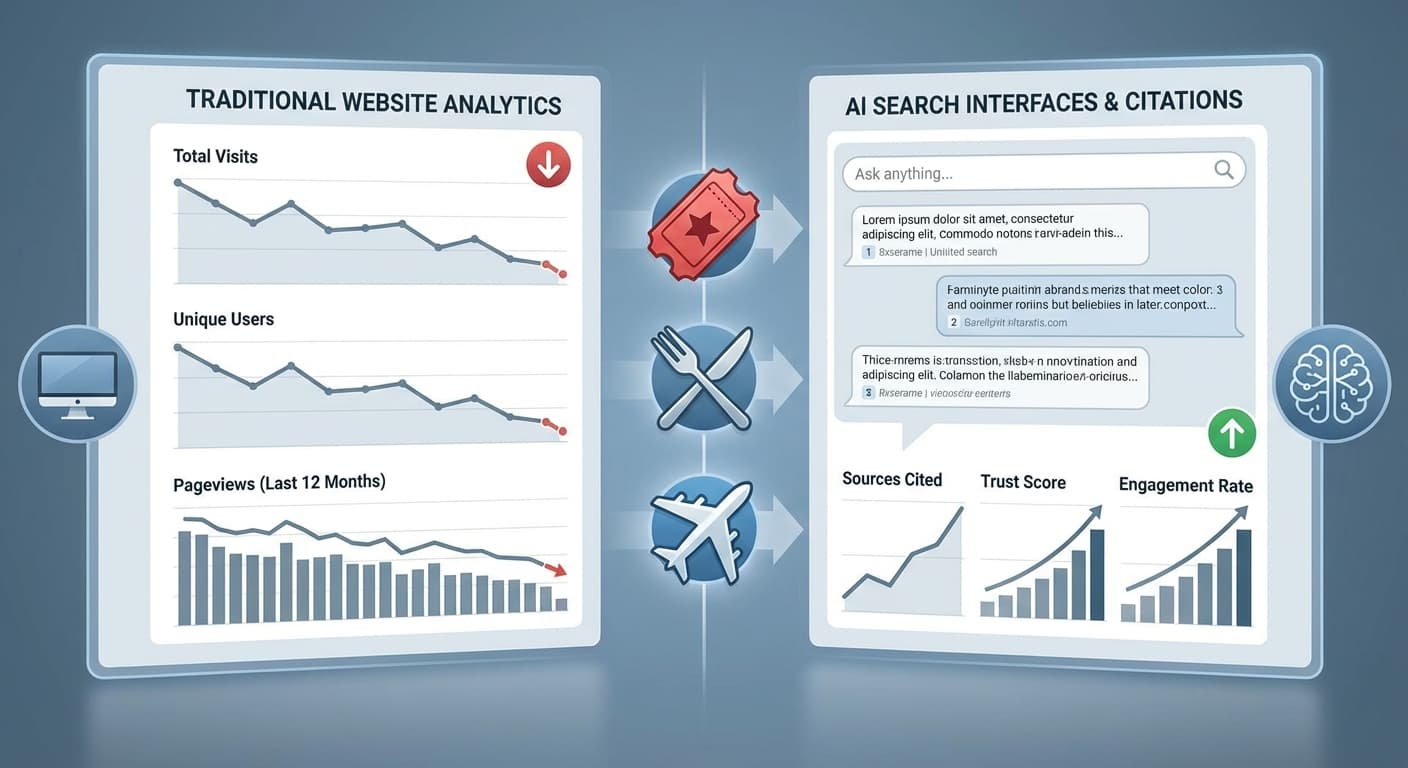
Traditional metrics like website traffic and time-on-page become less relevant when users convert without visiting your site. Focus on these UCP-specific KPIs:
Preparing for the Next Evolution
As we move deeper into 2026, expect UCP to expand beyond Google into other AI platforms. Perplexity's shopping features, ChatGPT's commerce partnerships, and Claude's product recommendation capabilities all point toward a future where AI-mediated commerce becomes the norm across platforms.
Successful brands are already creating content strategies that work across multiple AI shopping environments, not just Google's UCP.
How Citescope Ai Helps Navigate UCP Optimization
Optimizing for Google's Universal Commerce Protocol requires understanding how AI systems interpret and prioritize your content. Citescope Ai's GEO Score analyzes your content across five critical dimensions that directly impact AI shopping visibility:
Our AI Rewriter tool helps transform traditional product descriptions into UCP-optimized content that performs better in AI shopping experiences. Plus, with Citation Tracker, you can monitor when AI systems reference your content during shopping recommendations, giving you unprecedented visibility into your UCP performance.
Building Your UCP Content Strategy Roadmap
Success in the Universal Commerce Protocol era requires a systematic approach:
Phase 1: Audit and Optimize (Weeks 1-4)
Phase 2: Create Authority Content (Weeks 5-12)
Phase 3: Monitor and Iterate (Ongoing)
The Competitive Advantage of Early Adoption
Brands that adapt their content strategies to UCP now gain significant advantages over competitors still focused on traditional website-centric approaches. AI shopping assistants develop preferences for content sources that consistently provide accurate, helpful information—and these preferences compound over time.
The window for establishing your brand as an AI-trusted source is closing quickly as more businesses recognize the importance of UCP optimization.
Ready to Optimize for AI Search?
Google's Universal Commerce Protocol has fundamentally changed how customers discover and purchase products. Success in 2026 requires a content strategy that works with AI systems, not against them. Citescope Ai helps you optimize your content for maximum AI visibility and track your performance across all major AI search engines. Start with our free tier today and see how your content performs in the new AI-powered shopping landscape—you get 3 optimizations per month to test the waters before committing to a paid plan.