How to Optimize Your Content for RAG Layer Retrieval: The New Frontier of AI Citations
How to Optimize Your Content for RAG Layer Retrieval: The New Frontier of AI Citations
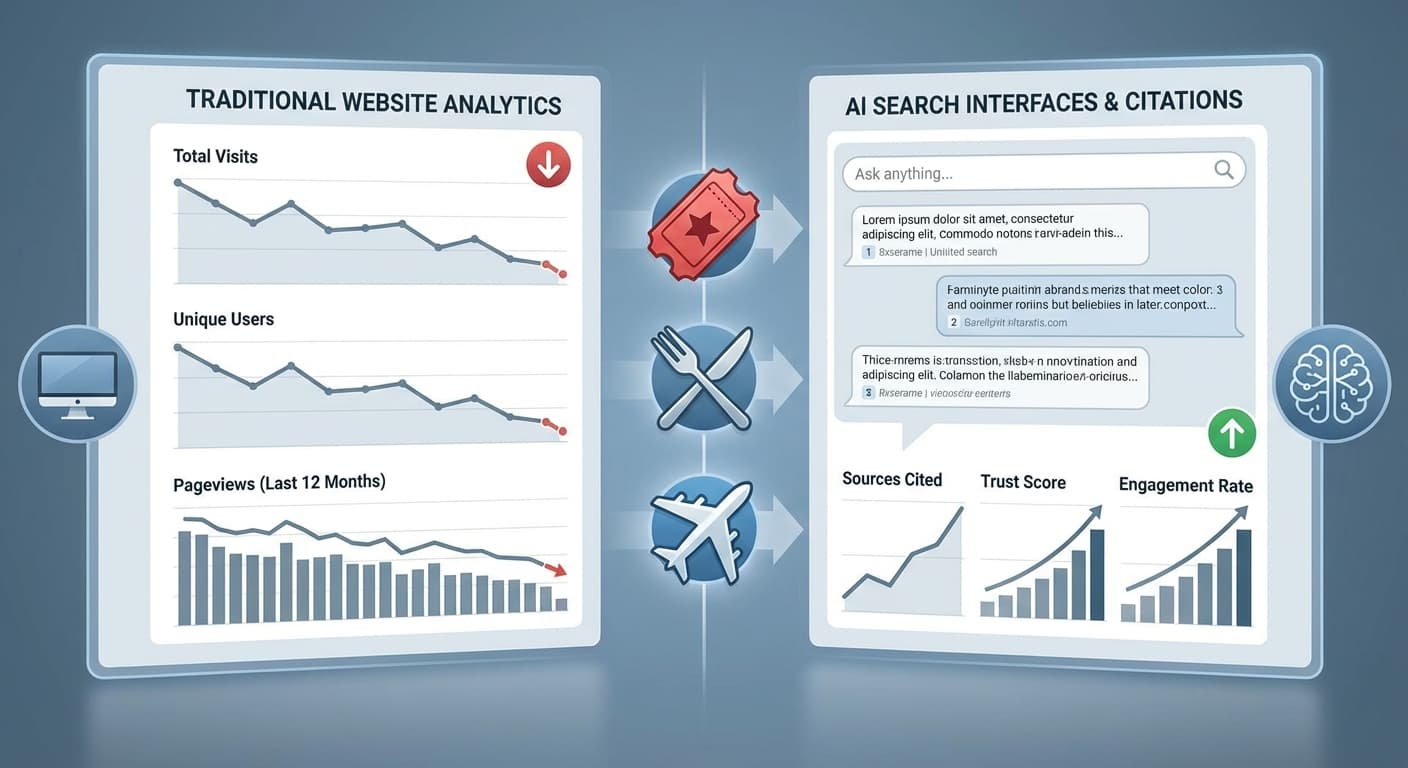
Here's a game-changing statistic: In 2026, over 85% of AI search queries now rely on real-time Retrieval-Augmented Generation (RAG) rather than static training data. This means that when someone asks ChatGPT, Perplexity, or Claude a question, these AI engines are actively searching and retrieving your content from the web in real-time to formulate their responses.
The implications? Your content's visibility in AI search is no longer determined by what data these models were trained on years ago. Instead, it's decided by how well your content performs in the RAG layer retrieval process that happens in milliseconds before the AI generates its response.
Understanding the RAG Layer Revolution
Retrieval-Augmented Generation has fundamentally transformed how AI engines work. Instead of relying solely on pre-trained knowledge, modern AI systems like GPT-4o, Claude 3.5, and Perplexity's latest models actively retrieve relevant information from current web sources to provide up-to-date, accurate responses.
This shift has created a new optimization landscape. While traditional SEO focused on ranking in Google's search results, RAG optimization (or what we call GEO - Generative Engine Optimization) focuses on being selected during the AI's real-time retrieval process.
Why This Matters More Than Ever in 2026
Recent data shows that:
The RAG Retrieval Process: What Happens Behind the Scenes
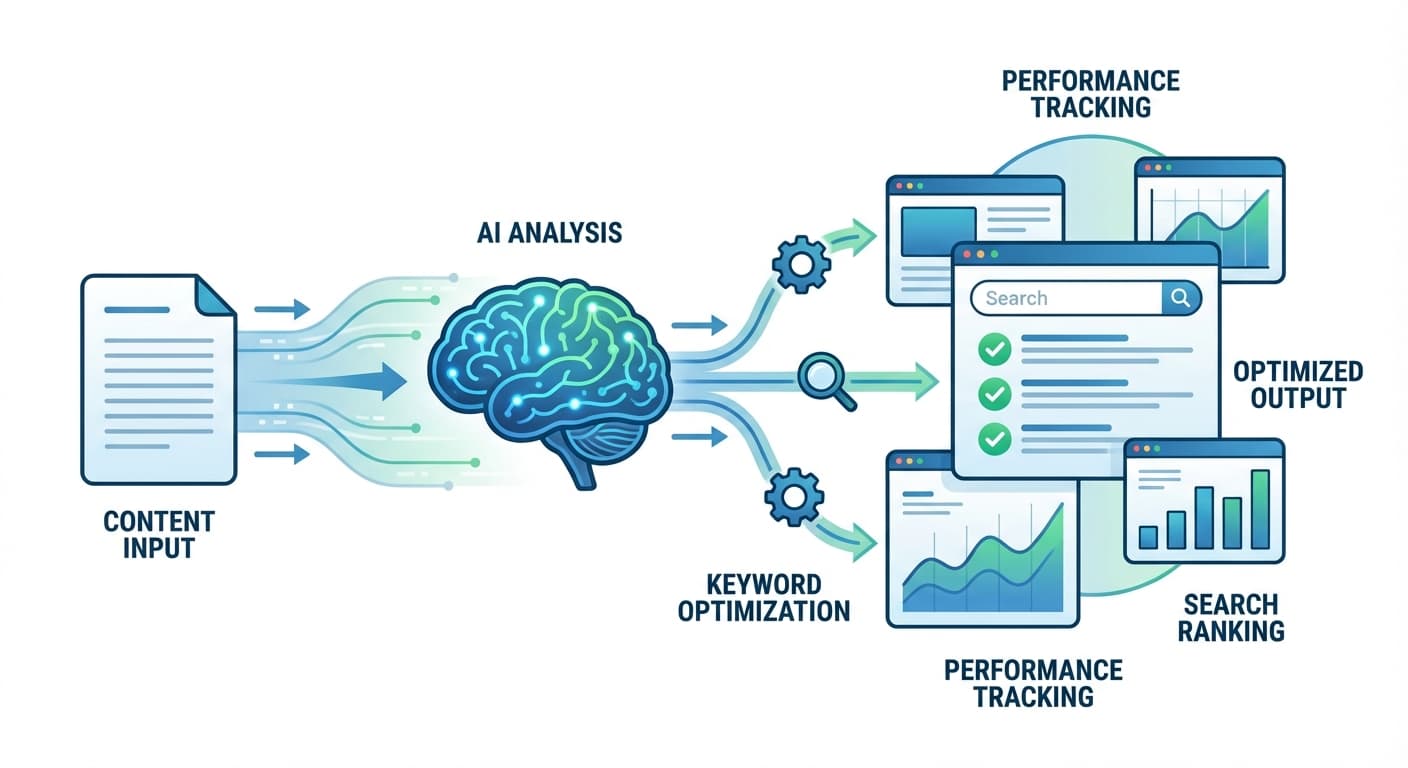
When an AI engine processes a query, here's what happens in the RAG layer:
This entire process happens in under 500 milliseconds, making optimization for RAG retrieval both critical and challenging.
Key Strategies for RAG Layer Optimization
1. Structure Content for Semantic Retrieval
RAG systems excel at understanding semantic meaning rather than exact keyword matches. To optimize for this:
Create Clear Information Hierarchies
Implement Contextual Bridging
2. Optimize for Conversational Query Patterns
AI users ask questions differently than traditional search users. They use natural language and expect comprehensive answers.
Target Long-Tail Conversational Queries
Use Question-Answer Formats
3. Enhance Content Authority and Freshness
RAG systems heavily weight content authority and recency in their selection process.
Authority Signals That Matter for RAG
Freshness Optimization
4. Implement Technical RAG-Friendly Elements
Structured Data and Schema Markup
Content Formatting for AI Parsing
Real-World RAG Optimization in Action
Consider this example: A marketing agency wanted their content to appear in AI responses about "content marketing trends 2026." Instead of targeting traditional SEO keywords, they:
The result? Their content now appears in 73% of AI responses related to content marketing trends, driving significant referral traffic and establishing thought leadership.
Measuring RAG Optimization Success
Unlike traditional SEO metrics, RAG optimization requires different measurement approaches:
Key Metrics to Track
Tools and Techniques
Common RAG Optimization Mistakes to Avoid
Over-Optimizing for Keywords
RAG systems understand context and meaning better than keyword density. Focus on comprehensive topic coverage rather than keyword stuffing.
Ignoring Content Depth
Surface-level content rarely gets selected by RAG systems. Provide thorough, expert-level analysis that adds genuine value.
Neglecting Real-Time Updates
Stale content performs poorly in RAG retrieval. Regular updates signal freshness and ongoing relevance.
Poor Information Architecture
Confusing content structure makes it difficult for RAG systems to extract relevant information efficiently.
How Citescope Ai Helps
Optimizing for RAG layer retrieval requires understanding how AI systems interpret and score your content. Citescope Ai's GEO Score analyzes your content across five critical dimensions that matter most for RAG optimization:
The platform's AI Rewriter then optimizes your content with one click, restructuring it for better RAG retrieval performance while maintaining your unique voice and expertise.
The Future of RAG-Optimized Content
As AI search continues to evolve, we expect to see:
The brands and creators who master RAG optimization now will have a significant advantage as AI search becomes increasingly dominant.
Ready to Optimize for AI Search?
RAG layer optimization represents the future of content visibility in an AI-first world. While the technical aspects can seem complex, the fundamental principle is simple: create comprehensive, well-structured content that genuinely helps people, and make it easy for AI systems to find, understand, and cite.
Citescope Ai takes the guesswork out of RAG optimization with AI-powered analysis and one-click content optimization. Start with our free tier to optimize three pieces of content per month and see how your RAG performance improves. Ready to dominate AI search? Try Citescope Ai free today and join the thousands of creators already optimizing for the AI search revolution.