How to Optimize Your Content for Nested Learning When Google's Real-Time Personalization Engine Now Prioritizes Session History Over Static Rankings
How to Optimize Your Content for Nested Learning When Google's Real-Time Personalization Engine Now Prioritizes Session History Over Static Rankings
Google's search algorithm has undergone its most dramatic transformation since the introduction of RankBrain. By late 2025, Google's real-time personalization engine began prioritizing user session history over traditional static rankings, fundamentally changing how content gets discovered and consumed. This shift toward "nested learning" – where search results adapt in real-time based on a user's current search session – affects over 2.4 billion queries daily and represents the future of search optimization.
For content creators and marketers, this isn't just another algorithm update to weather. It's a complete paradigm shift that requires rethinking how we structure, optimize, and interconnect our content.
Understanding Google's Nested Learning Algorithm
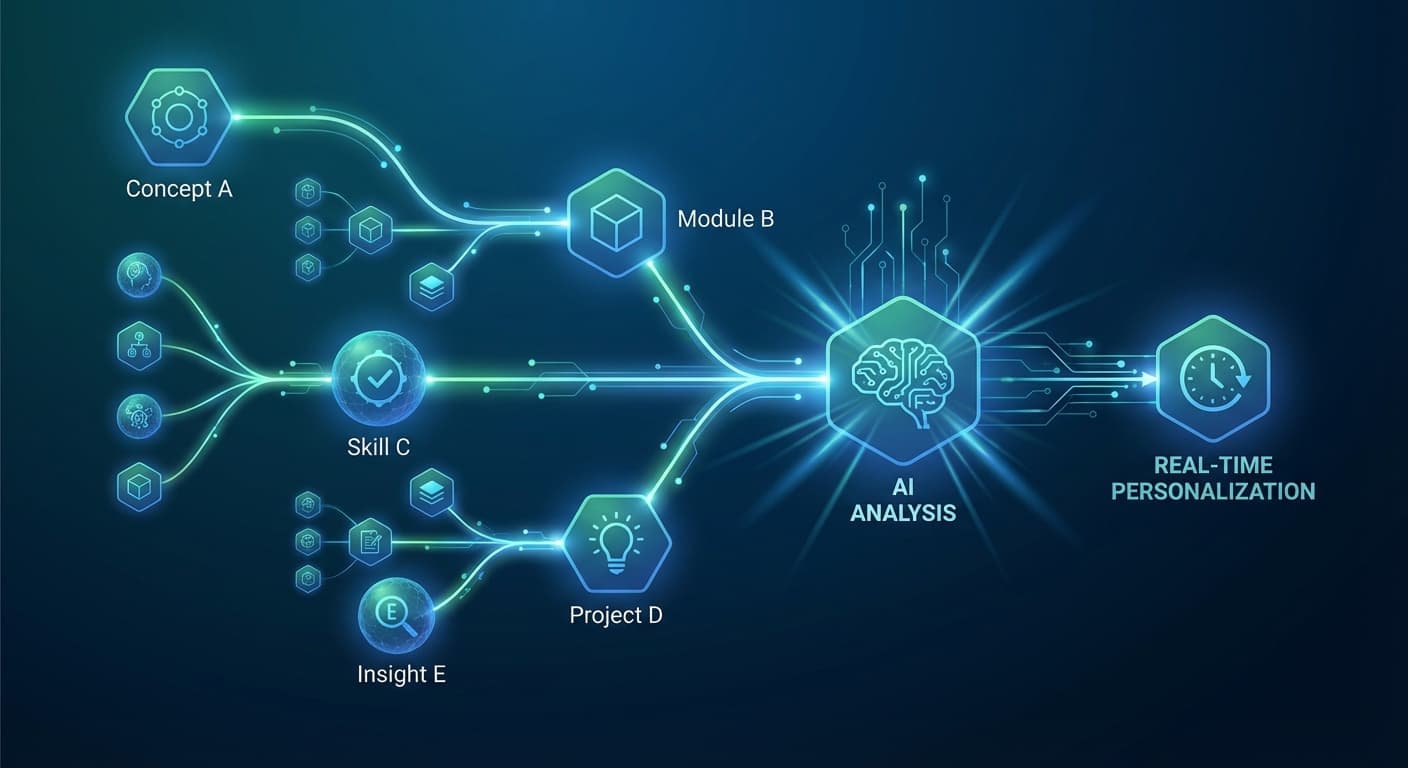
Nested learning represents Google's most sophisticated attempt at understanding user intent through contextual search behavior. Unlike traditional SEO where individual pages compete for static rankings, nested learning creates dynamic pathways based on:
Real-Time Session Analysis
Google now analyzes your entire search session – not just individual queries. If a user searches for "AI content optimization," then "citation tracking tools," and finally "GEO score analysis," Google understands this as a progressive learning journey and surfaces increasingly specialized content.
Contextual Content Clustering
Content pieces are now grouped into learning clusters. A single blog post about AI search optimization might be connected to:
Progressive Information Architecture
Google favors content that acknowledges where users are in their learning journey. Beginner content should link to intermediate resources, which should connect to advanced strategies and tools.
The Death of Traditional Keyword Optimization
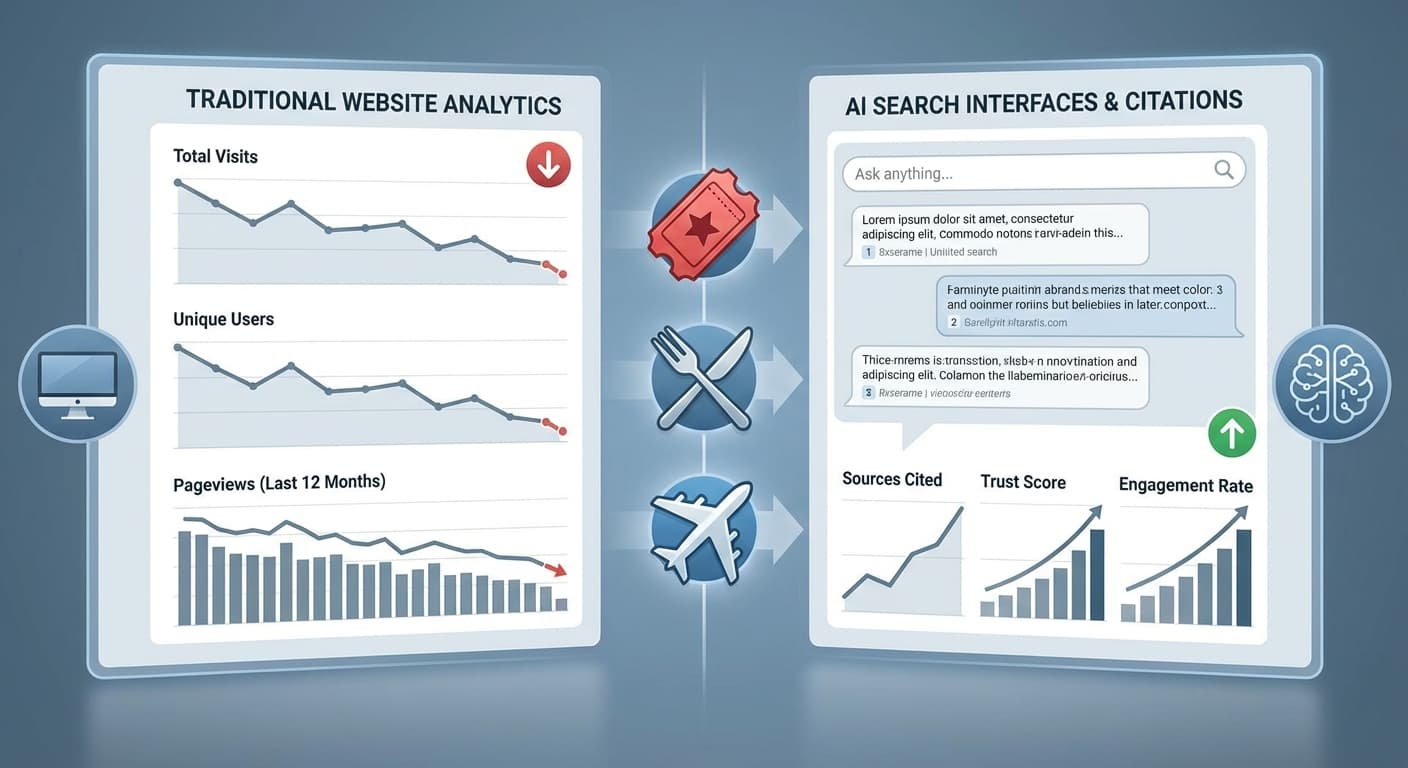
Static keyword optimization is becoming less effective as Google's nested learning prioritizes content relationships over individual keyword density. Recent studies from Search Engine Land show that pages optimized for traditional keywords saw a 23% decrease in organic visibility throughout 2025, while content optimized for nested learning patterns gained 31% more traffic.
What's Changing:
Building Content for Nested Learning Success
1. Create Progressive Content Hierarchies
Structure your content to support natural learning progressions:
Beginner Level:
Intermediate Level:
Advanced Level:
2. Implement Contextual Internal Linking
Google's nested learning algorithm heavily weighs internal linking patterns. Your linking strategy should:
3. Optimize for Session-Based Queries
Users now search differently within sessions. Instead of optimizing for single keywords, optimize for query progressions:
Example Session Progression:
4. Structure Content for AI Interpretation
With AI search engines like ChatGPT and Perplexity now accounting for 34% of all search queries, your content needs to be easily interpretable by AI systems. This means:
This is where tools like Citescope Ai become invaluable, analyzing your content across these exact dimensions through their GEO Score system.
Measuring Nested Learning Performance
Key Metrics to Track:
Tools for Measurement:
The Role of AI Search Engines in Nested Learning
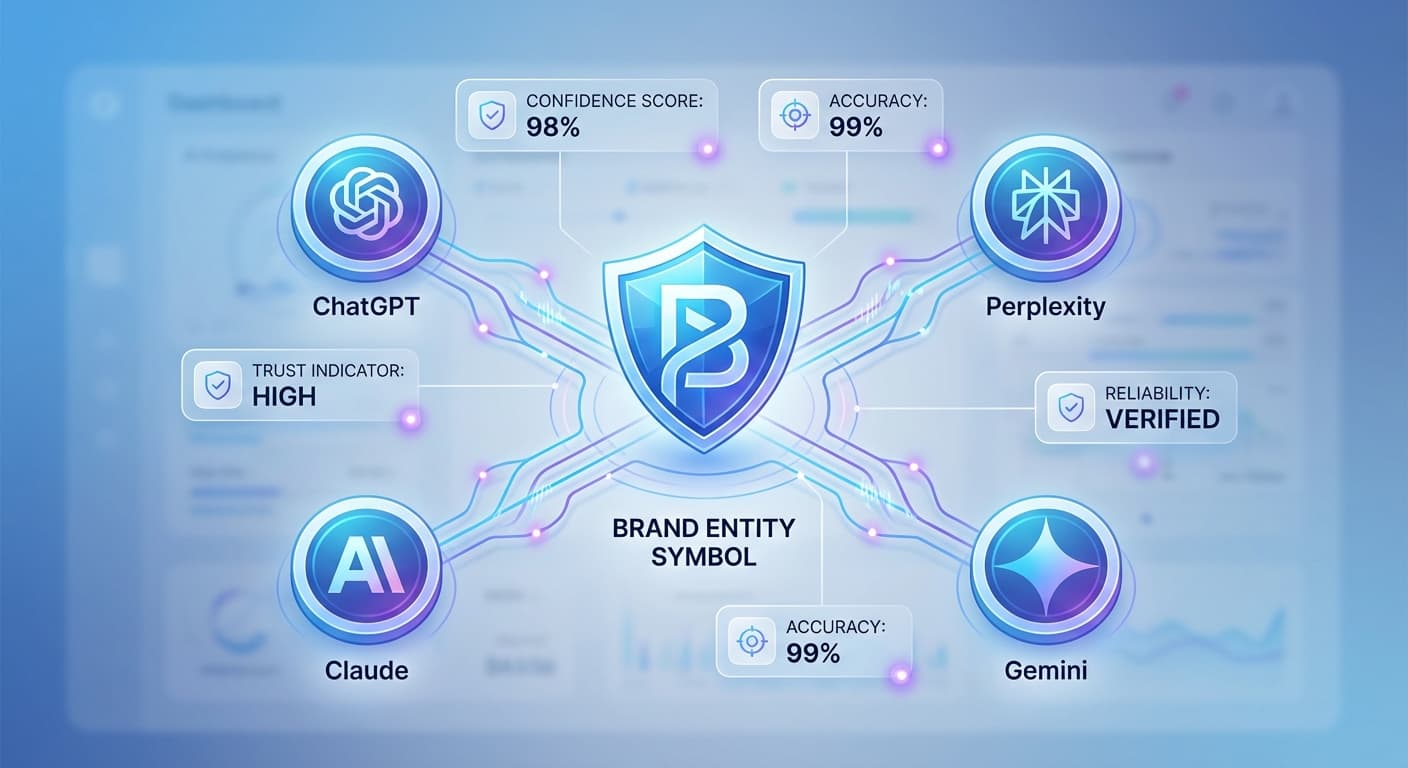
AI search engines like ChatGPT, Perplexity, Claude, and Gemini are accelerating the nested learning trend. These platforms excel at understanding context and providing progressive, conversational responses that build on previous interactions.
Optimizing for AI Engine Citations:
Common Nested Learning Optimization Mistakes
1. Treating Pages as Islands
Many content creators still optimize individual pages without considering how they fit into broader learning journeys. This approach fails in a nested learning environment.
2. Ignoring User Intent Progression
Creating content without understanding how user intent evolves throughout their research process leads to missed opportunities and poor session engagement.
3. Weak Internal Linking Strategy
Failing to create meaningful connections between related content pieces limits your ability to benefit from Google's nested learning algorithm.
4. Static Content Clusters
Not updating and expanding content clusters based on user behavior and search trends results in declining performance over time.
How Citescope Ai Helps You Master Nested Learning
Navigating Google's nested learning algorithm requires sophisticated analysis and optimization capabilities. Citescope Ai's GEO Score system evaluates your content across five critical dimensions that directly impact nested learning performance:
The platform's AI Rewriter tool specifically optimizes content for nested learning patterns, restructuring your content to support natural user journeys while maintaining your unique voice and expertise.
Most importantly, Citescope Ai's Citation Tracker monitors when your optimized content gets referenced by ChatGPT, Perplexity, Claude, and Gemini – providing direct feedback on your nested learning optimization efforts.
Future-Proofing Your Content Strategy
As Google continues refining its nested learning capabilities, successful content strategies will need to:
Embrace Dynamic Content Architecture
Move beyond static site structures to create flexible, interconnected content ecosystems that can adapt to changing user needs.
Prioritize User Journey Mapping
Understand and optimize for complete user journeys rather than individual touchpoints.
Integrate AI-First Thinking
Consider how AI engines will interpret and present your content from the initial planning stage.
Focus on Comprehensive Topic Coverage
Create content clusters that thoroughly address user needs across all stages of their learning journey.
Ready to Optimize for AI Search?
Google's shift to nested learning represents the biggest change in search since the mobile-first index. Success requires more than traditional SEO tactics – it demands a fundamental rethinking of how content works together to serve user needs.
Citescope Ai provides the tools and insights you need to thrive in this new landscape. Our GEO Score analysis, AI-powered rewriter, and citation tracking capabilities are specifically designed to help you optimize for nested learning patterns while tracking your success across all major AI search engines.
Start your free trial today and see how your content performs in the age of AI search. With 3 free optimizations per month, you can begin transforming your content strategy without any upfront investment.