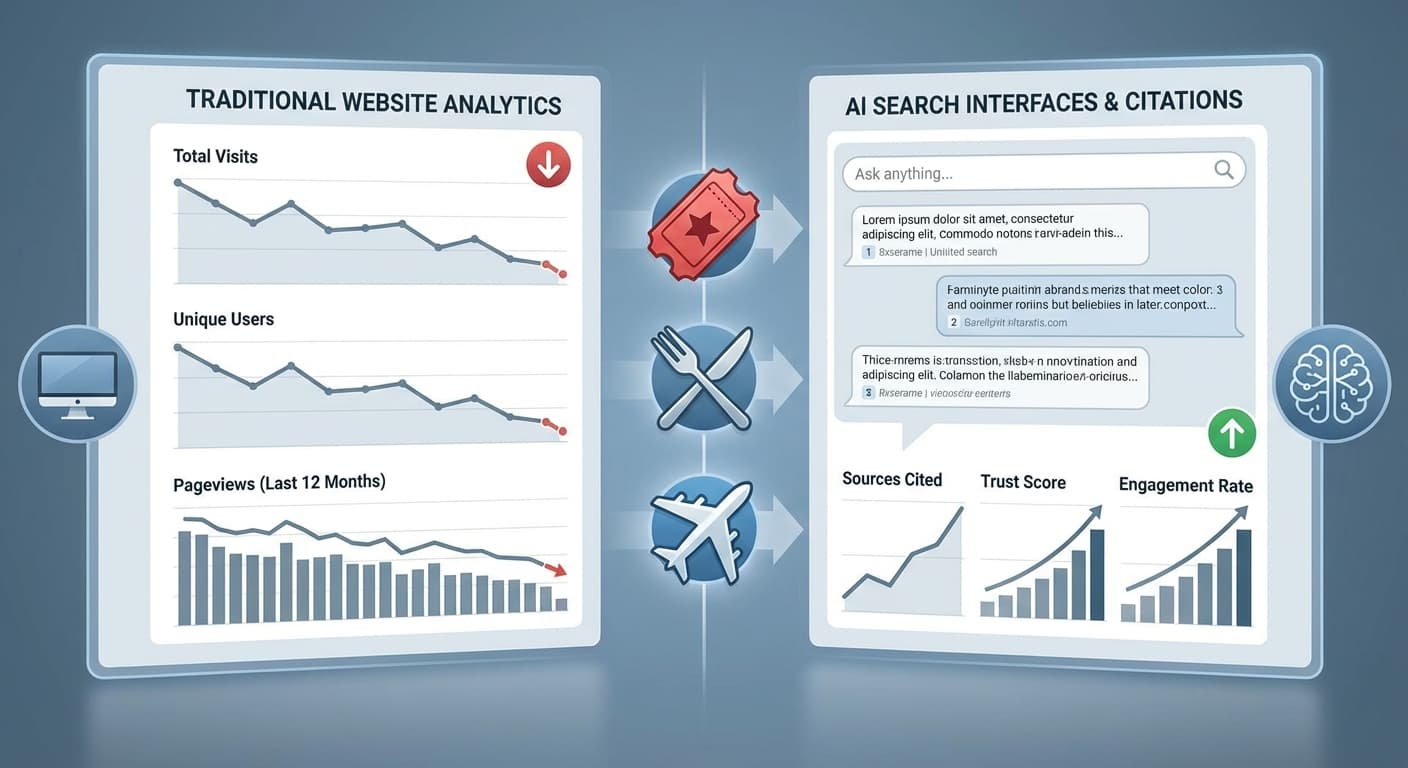
How to Optimize Your Content for AI Search Summaries as Google's AI Overviews Dominate Search Results
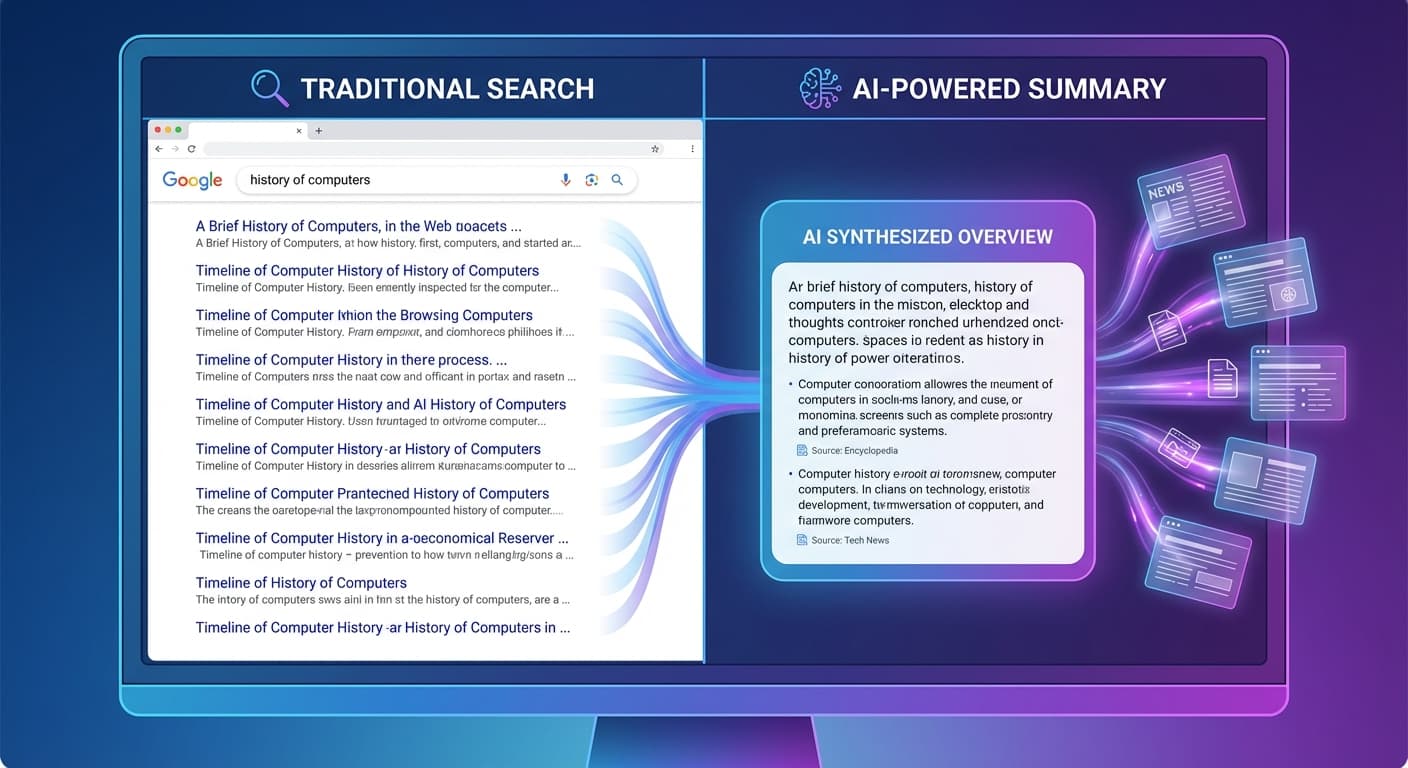
How to Optimize Your Content for AI Search Summaries as Google's AI Overviews Dominate Search Results
Did you know that Google's AI Overviews now appear in over 60% of search results, fundamentally changing how users consume information? As we navigate through 2026, the shift toward AI-generated summaries has accelerated dramatically, with traditional search results being pushed further down the page—or skipped entirely.
This isn't just another SEO trend to monitor; it's a complete paradigm shift that's already reshaping content strategy for millions of businesses. While some marketers panic about losing visibility, smart content creators are adapting their strategies to thrive in this AI-first search environment.
The AI Overview Revolution: Why Traditional SEO Isn't Enough
Google's AI Overviews have evolved far beyond their initial rollout. By early 2026, these AI-generated summaries have become the primary way users interact with search results, especially for informational queries. The data is striking:
What makes this shift particularly challenging is that AI Overviews don't just summarize one source—they synthesize information from multiple pages, often without directly attributing traffic back to the original content creators.
Understanding How AI Overviews Select and Synthesize Content
Before diving into optimization strategies, it's crucial to understand how Google's AI decides which content to feature in its summaries. Unlike traditional search rankings that primarily relied on backlinks and keyword optimization, AI Overviews evaluate content through a more sophisticated lens:
Content Authority and Expertise
AI systems prioritize content that demonstrates clear expertise, authoritativeness, and trustworthiness (E-A-T). This means your content needs to showcase deep knowledge rather than surface-level information.
Semantic Understanding
Modern AI doesn't just match keywords—it understands context, intent, and relationships between concepts. Content that explains the "why" behind information, not just the "what," tends to perform better.
Conversational Structure
Since many searches are now voice-based or conversational, content structured to answer natural language questions has a significant advantage.
7 Essential Strategies to Optimize for AI Search Summaries
1. Write for Questions, Not Just Keywords
Traditional SEO focused on targeting specific keywords. AI optimization requires thinking about the actual questions your audience asks. Instead of optimizing for "content marketing strategy," consider questions like:
Structure your content to directly answer these questions with clear, comprehensive responses.
2. Implement the "Answer-First" Content Structure
AI systems favor content that provides immediate value. Start each section with a direct answer, then elaborate with supporting details:
Example Structure:
3. Create Comprehensive Topic Clusters
AI Overviews often pull from multiple related pages to create comprehensive answers. Build content clusters that thoroughly cover topics from different angles:
4. Optimize for Featured Snippet Formats
While AI Overviews are more sophisticated than featured snippets, they still favor similar formatting:
5. Enhance Content with Contextual Information
AI systems excel at understanding context. Enrich your content with:
6. Implement Structured Data Markup
While structured data has always been important for SEO, it's become critical for AI visibility. Focus on:
7. Monitor and Adapt Based on AI Citation Patterns
Unlike traditional SEO metrics, AI optimization requires tracking different signals:
The Technical Side: Making Your Content AI-Readable
Content Structure for AI Processing
markdown
Clear, Descriptive Headings
Use H2 and H3 tags that directly state what the section covers.
Subsections with Specific Focus
Break down complex topics into digestible chunks.
Key Point: Start important sections with bolded summaries.
Writing Style Optimization
Common Mistakes That Kill AI Visibility
Over-Optimization Red Flags
Technical Issues That Block AI Crawling
Measuring Success in the AI Overview Era
Traditional metrics like organic traffic and keyword rankings tell only part of the story. In 2026, successful content marketers track:
Primary Metrics
Secondary Metrics
How Citescope Helps You Master AI Search Optimization
While understanding these strategies is crucial, implementing them effectively requires the right tools and insights. This is where platforms like Citescope become invaluable for content creators serious about AI visibility.
Citescope's GEO Score analyzes your content across five critical dimensions—AI Interpretability, Semantic Richness, Conversational Relevance, Structure, and Authority—giving you a comprehensive 0-100 score that predicts AI citation likelihood. The platform's AI Rewriter then optimizes your content with one-click restructuring that makes it more appealing to AI systems.
Perhaps most importantly, Citescope's Citation Tracker monitors when your content gets cited by ChatGPT, Perplexity, Claude, and Gemini, giving you real-time insights into your AI search performance across multiple platforms.
The Future of Content in an AI-First World
As we move deeper into 2026, the trend toward AI-mediated search will only accelerate. Content creators who adapt now will build sustainable competitive advantages, while those who stick to traditional SEO approaches risk becoming invisible in the new search landscape.
The key is to view AI Overviews not as a threat, but as an opportunity to reach audiences in more meaningful, contextual ways. By creating content that truly serves user intent and provides comprehensive value, you'll naturally align with AI systems' goals of delivering the best possible search experience.
Ready to Optimize for AI Search?
The shift to AI-dominated search results isn't coming—it's here. While many content creators are still figuring out this new landscape, you can get ahead by optimizing your content specifically for AI visibility. Citescope makes this process simple with automated content analysis, one-click optimization, and comprehensive citation tracking across all major AI platforms. Start your free trial today and discover how your content performs in the new AI search ecosystem.