How to Optimize Your Content for AI Agent Buying Behavior When Autonomous Shopping Assistants Make 40% of Purchase Recommendations
How to Optimize Your Content for AI Agent Buying Behavior When Autonomous Shopping Assistants Make 40% of Purchase Recommendations
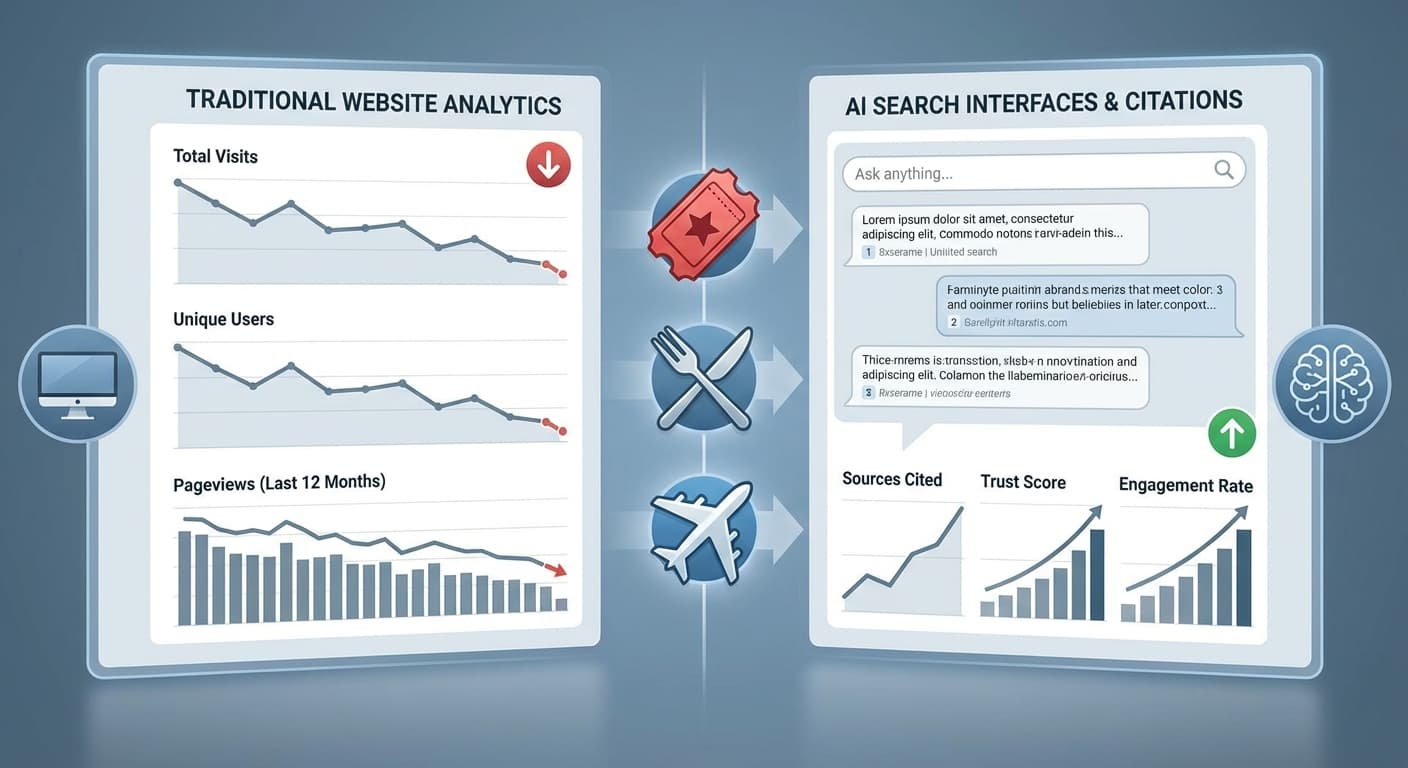
By 2026, autonomous shopping assistants like ChatGPT's plugins, Amazon's Rufus, and Google's Bard Shopping have fundamentally transformed how consumers discover and purchase products. Recent data shows that AI agents now influence 40% of all purchase recommendations, with 68% of consumers trusting AI-generated shopping advice over traditional product reviews.
But here's the shocking reality: these AI agents often make purchase recommendations without ever visiting your product pages.
The New Reality of AI-Driven Commerce
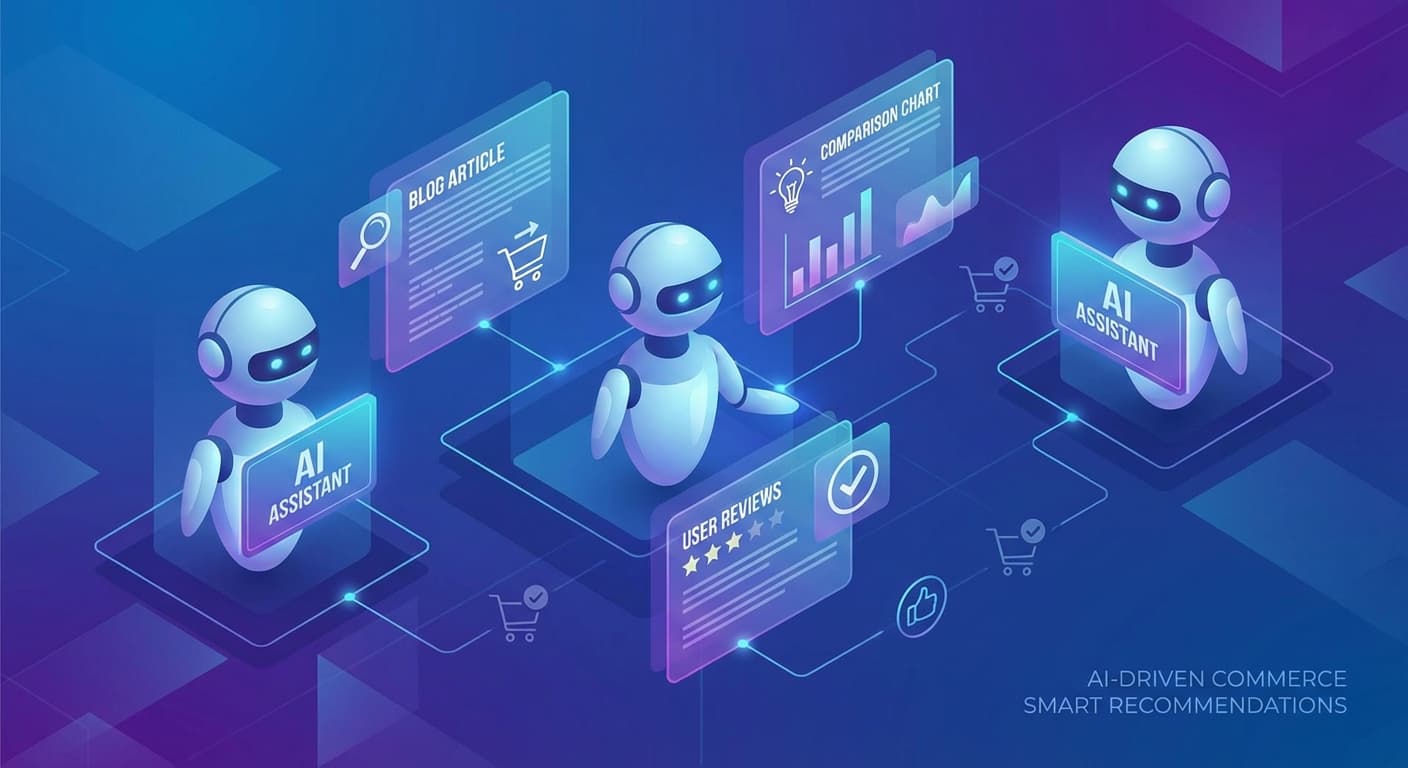
Traditional e-commerce optimization focused on product pages, conversion funnels, and review management. Today's AI shopping assistants operate differently. They synthesize information from multiple sources—blog content, comparison articles, user-generated content, and third-party reviews—to form purchasing recommendations.
This shift represents a massive opportunity for brands willing to adapt their content strategy. While competitors focus solely on product page optimization, forward-thinking companies are capturing AI recommendations through strategic content positioning.
Why Traditional Product Page Optimization Isn't Enough
AI shopping assistants prioritize:
When a user asks "What's the best project management tool for remote teams under $50/month?", AI agents don't just scan pricing pages. They analyze blog posts about remote work challenges, comparison articles, user testimonials, and implementation guides to form recommendations.
Understanding AI Agent Decision-Making Patterns
How AI Agents Evaluate Purchase Recommendations
AI shopping assistants follow predictable patterns when making recommendations:
The Content Types That Influence AI Recommendations
High-Impact Content for AI Agents:
Low-Impact Content for AI Agents:
Strategic Content Optimization for AI Agent Influence
1. Create Comprehensive Buyer's Guides
Develop in-depth guides that position your product within broader solution categories. Instead of "Why Choose Our CRM," create "The Complete Guide to Choosing CRM Software for Growing Businesses in 2026."
Key elements to include:
2. Develop Problem-First Content Architecture
Structure your content around customer problems, not product features. AI agents excel at matching user queries to problem-solving content.
Example transformation:
This approach helps AI agents connect your solution to specific user needs during the recommendation process.
3. Optimize for Conversational Queries
AI shopping assistants respond to natural language queries. Optimize content for how people actually ask questions about products.
Common AI shopping query patterns:
4. Build Authority Through Third-Party Validation
AI agents heavily weight authoritative, third-party sources when making recommendations.
Authority-building strategies:
5. Implement Structured Data for Enhanced AI Understanding
Help AI agents better understand your content and products through structured markup:
html
<script type="application/ld+json">
{
"@context": "https://schema.org/",
"@type": "Product",
"name": "Your Product Name",
"category": "Product Category",
"offers": {
"@type": "Offer",
"priceCurrency": "USD",
"price": "99.00"
},
"aggregateRating": {
"@type": "AggregateRating",
"ratingValue": "4.8",
"reviewCount": "247"
}
}
</script>
Advanced Tactics for AI Agent Optimization
Semantic Content Clustering
Create content clusters around purchasing decision themes:
Multi-Format Content Strategy
AI agents access information from various content formats. Diversify your content portfolio:
Competitive Intelligence Integration
Monitor how AI agents currently recommend competitors and identify content gaps:
How Citescope Ai Helps Optimize for AI Agent Recommendations
Optimizing content for AI agent buying behavior requires understanding how AI systems interpret and prioritize information. Citescope Ai's GEO Score analyzes your content across five critical dimensions that directly impact AI agent recommendations:
The Citation Tracker feature lets you monitor when AI agents like ChatGPT, Perplexity, Claude, and Gemini reference your content in shopping recommendations, providing direct insight into your AI visibility for purchase decisions.
Measuring Success in AI Agent Optimization
Key Performance Indicators
Direct AI Citations:
Indirect Influence Metrics:
Long-term Brand Building:
Testing and Iteration Framework
The Future of AI Agent Commerce
As AI shopping assistants become more sophisticated, expect increased integration with:
Brands that establish strong AI agent relationships now will have significant advantages as these technologies mature.
Ready to Optimize for AI Search?
AI agents are reshaping how customers discover and evaluate products. While 40% of purchase recommendations now come from autonomous shopping assistants, most brands haven't adapted their content strategy to capture this opportunity.
Citescope Ai helps you optimize content specifically for AI agent visibility with our comprehensive GEO Score analysis and AI Rewriter tool. Track your citations across ChatGPT, Perplexity, Claude, and Gemini to see exactly how AI agents recommend your products.
Start your free trial today with 3 content optimizations and discover how AI agents currently view your brand. Ready to capture your share of AI-influenced purchases?