How to Optimize for Semantic Collapse in International Markets When AI Search Engines Blur Geographic Distinctions
How to Optimize for Semantic Collapse in International Markets When AI Search Engines Blur Geographic Distinctions
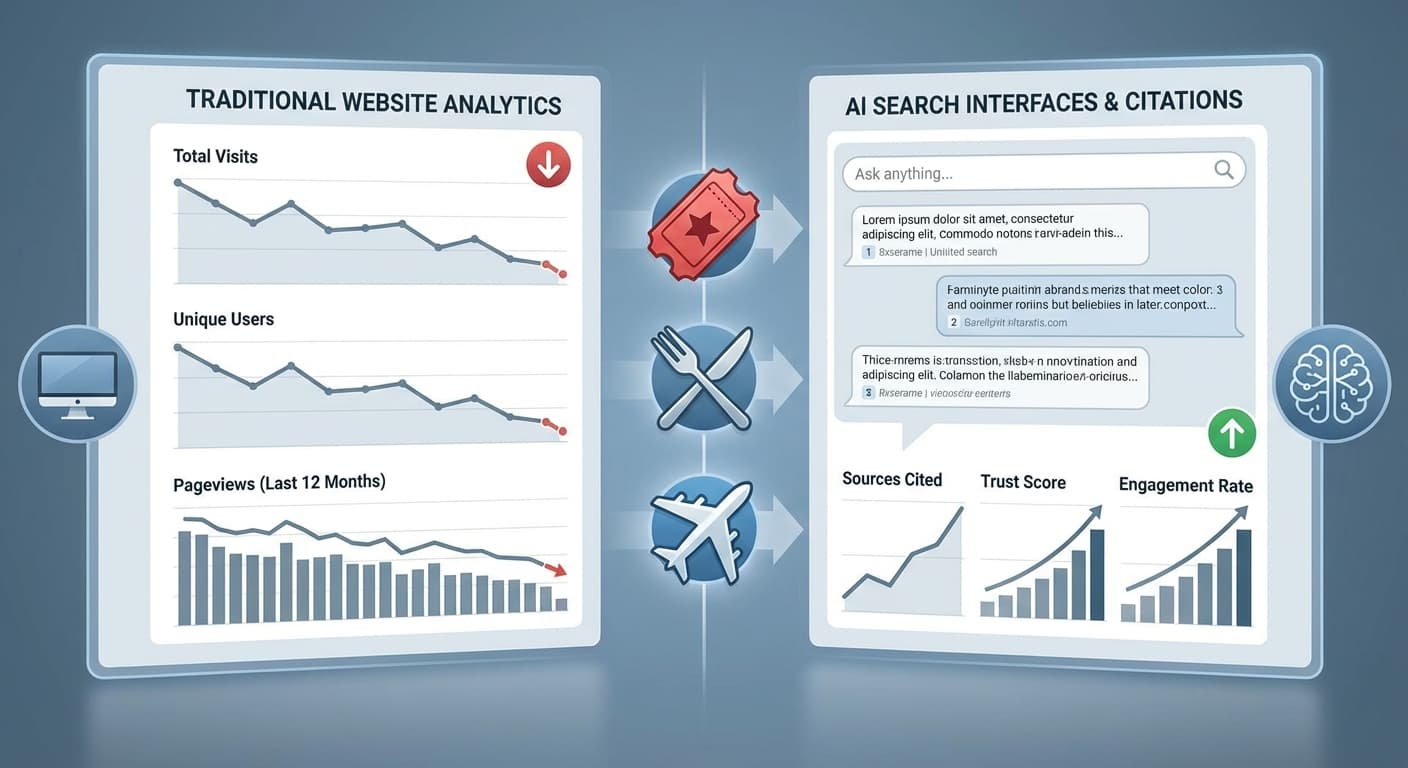
Did you know that 67% of international businesses reported losing regional revenue in 2025 due to AI search engines conflating location-specific content? As ChatGPT, Perplexity, Claude, and Gemini process over 2.3 billion queries daily across global markets, a new challenge has emerged: semantic collapse—where AI systems inadvertently merge distinct regional contexts into generalized responses.
Understanding Semantic Collapse in AI Search
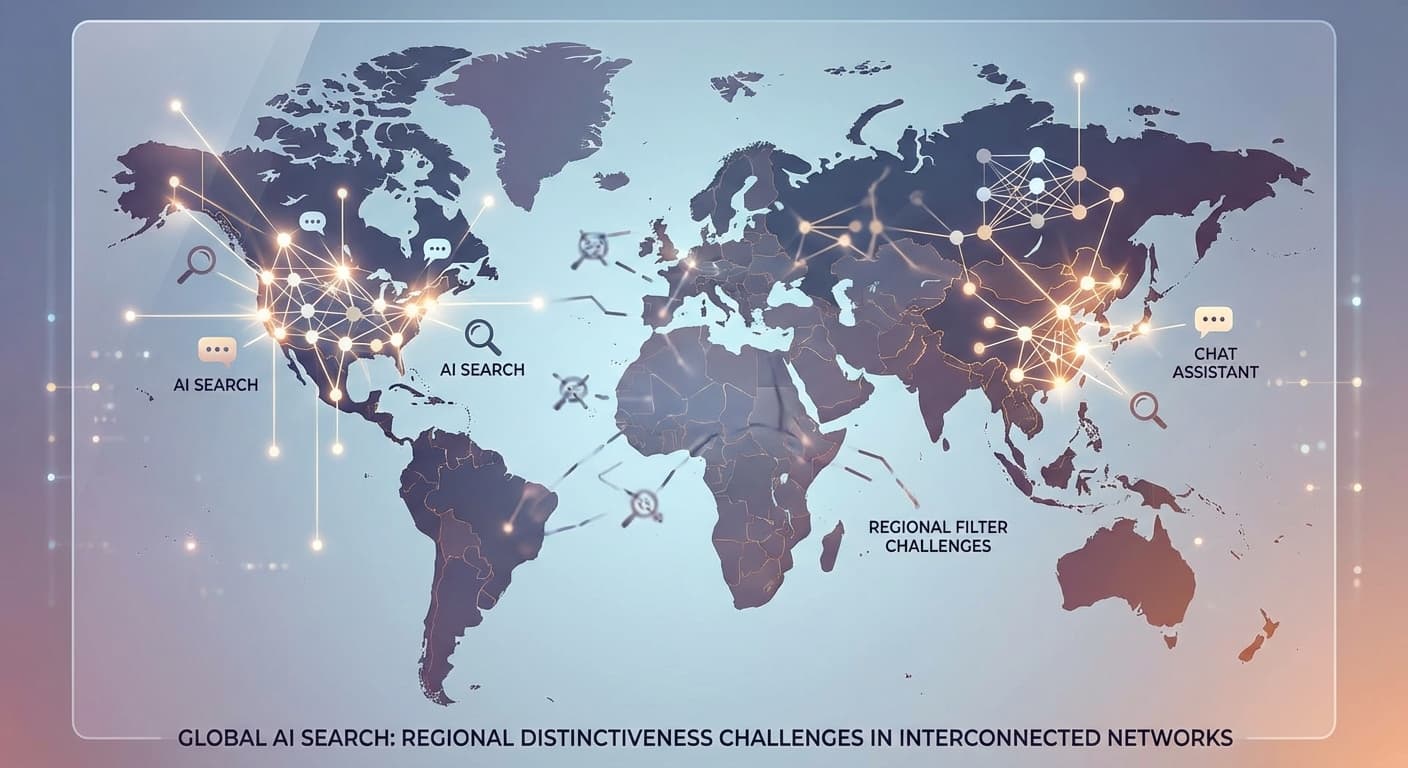
Semantic collapse occurs when AI search engines fail to maintain crucial geographic distinctions in their responses. Instead of recognizing that "tax rates" means something entirely different in Germany versus Singapore, or that "healthcare options" varies dramatically between the US and Canada, AI systems often blend information into unhelpfully generic answers.
This phenomenon has intensified in 2026 as AI models prioritize semantic similarity over geographical precision. The result? Your carefully crafted region-specific content gets lost in a sea of generalized information, costing you valuable local market share.
The Revenue Impact of Geographic Ambiguity
Recent studies show that businesses lose an average of 23% of their regional search visibility when AI engines collapse their location-specific content. For international companies, this translates to:
Why AI Search Engines Struggle with Geographic Context
1. Training Data Bias
Most AI models were trained on predominantly English, US-centric content. When processing queries about international markets, they default to familiar patterns rather than recognizing distinct regional nuances.
2. Semantic Similarity Over Geographic Precision
AI engines prioritize semantic matching—finding content that sounds similar—over geographic accuracy. A query about "employment law" might pull information from multiple countries without clearly distinguishing between them.
3. Context Window Limitations
AI models have limited context windows, making it challenging to maintain geographic awareness throughout longer conversations or complex queries spanning multiple regions.
Strategies to Combat Semantic Collapse
1. Implement Geographic Anchoring
Create explicit location markers throughout your content:
Example transformation:
2. Build Location-Specific Content Clusters
Organize your content into distinct geographic silos rather than trying to serve multiple regions with single pieces:
3. Use Structured Geographic Markup
Help AI engines understand your geographic intent through structured data:
html
<script type="application/ld+json">
{
"@context": "https://schema.org",
"@type": "Article",
"about": "Tax planning strategies",
"spatialCoverage": {
"@type": "Country",
"name": "United Kingdom"
}
}
</script>
4. Leverage Conversational Geographic Context
Since AI search engines excel at conversational queries, frame your content as responses to location-specific questions:
5. Create Geographic Content Hierarchies
Structure your information architecture to reinforce geographic distinctions:
Main Topic: Digital Marketing Regulations
├── North America
│ ├── United States (CAN-SPAM Act)
│ ├── Canada (CASL)
│ └── Mexico (LFPDPPP)
├── Europe
│ ├── GDPR Framework
│ ├── UK Post-Brexit Changes
│ └── Nordic Specific Requirements
└── Asia-Pacific
├── Australia (Privacy Act)
├── Singapore (PDPA)
└── Japan (APPI)
Advanced Optimization Techniques
Cross-Reference Regional Differences
Explicitly compare and contrast regional approaches within your content. This helps AI engines understand that you're addressing distinct geographic contexts:
"While US businesses must comply with state-level data privacy laws that vary significantly, EU companies operate under the unified GDPR framework, creating different compliance strategies for international organizations."
Use Geographic Semantic Clusters
Develop vocabulary sets specific to each region you serve. Include:
Implement Regional Authority Signals
Build credibility markers specific to each geographic market:
When optimizing international content, Citescope Ai's GEO Score analyzes your semantic richness and conversational relevance across different geographic contexts, helping you identify where regional distinctions might be getting lost.
How Citescope Ai Helps Combat Semantic Collapse
Citescope Ai's platform specifically addresses international semantic collapse challenges through:
Geographic Context Analysis: Our AI Interpretability scoring identifies when your content lacks sufficient geographic anchoring, suggesting specific improvements to maintain regional distinctions.
Multi-Regional Optimization: The AI Rewriter can restructure your content to create clearer geographic boundaries while maintaining semantic coherence within each region.
Citation Tracking by Region: Monitor how different AI engines cite your content across various geographic contexts, identifying where semantic collapse might be occurring.
Semantic Richness Scoring: Our algorithm evaluates whether your regional content contains sufficient location-specific semantic markers to resist geographic conflation.
Export Flexibility: Download region-specific optimizations in multiple formats, making it easy to deploy geographically distinct content across your international web properties.
Measuring Success in Geographic AI Optimization
Key Metrics to Track
Testing and Refinement
Regularly audit your international content by:
Future-Proofing Your International AI Strategy
As AI search continues evolving, expect even more sophisticated geographic understanding. Prepare by:
Semantic collapse in international markets represents both a challenge and an opportunity. Businesses that master geographic precision in AI-optimized content will capture market share from competitors still struggling with generic, location-ambiguous approaches.
Ready to Optimize for AI Search?
Don't let semantic collapse cost you international revenue. Citescope Ai helps you maintain geographic distinctions while optimizing for AI search engines. Our GEO Score analyzes your content across five crucial dimensions, including semantic richness and conversational relevance—essential for international markets. Start with our free tier (3 optimizations per month) and see how geographic precision can transform your global AI visibility. Try Citescope Ai today and reclaim your regional market share.