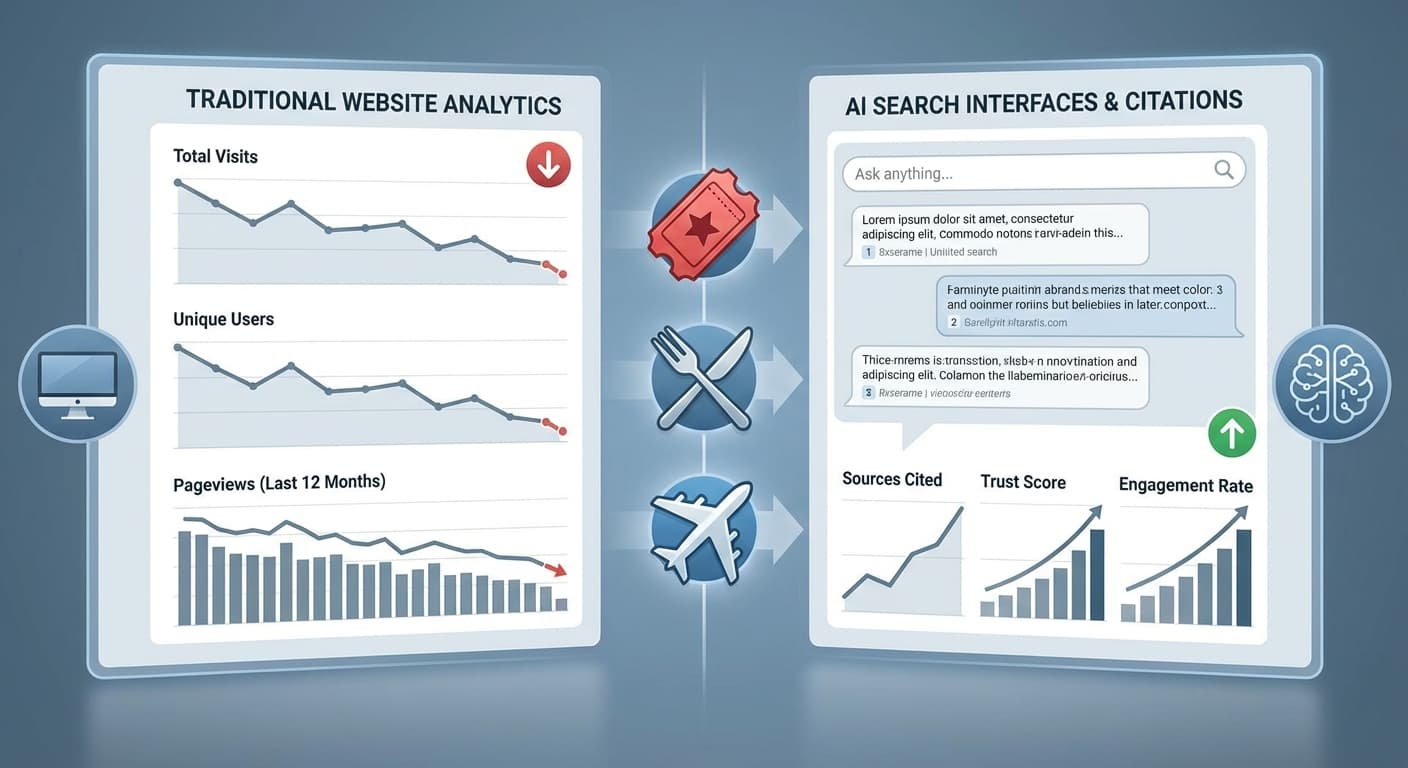
How to Optimize for Query Fan-Out: When Google AI Mode Expands Single Questions into 8-12 Sub-Queries Your Content Doesn't Cover
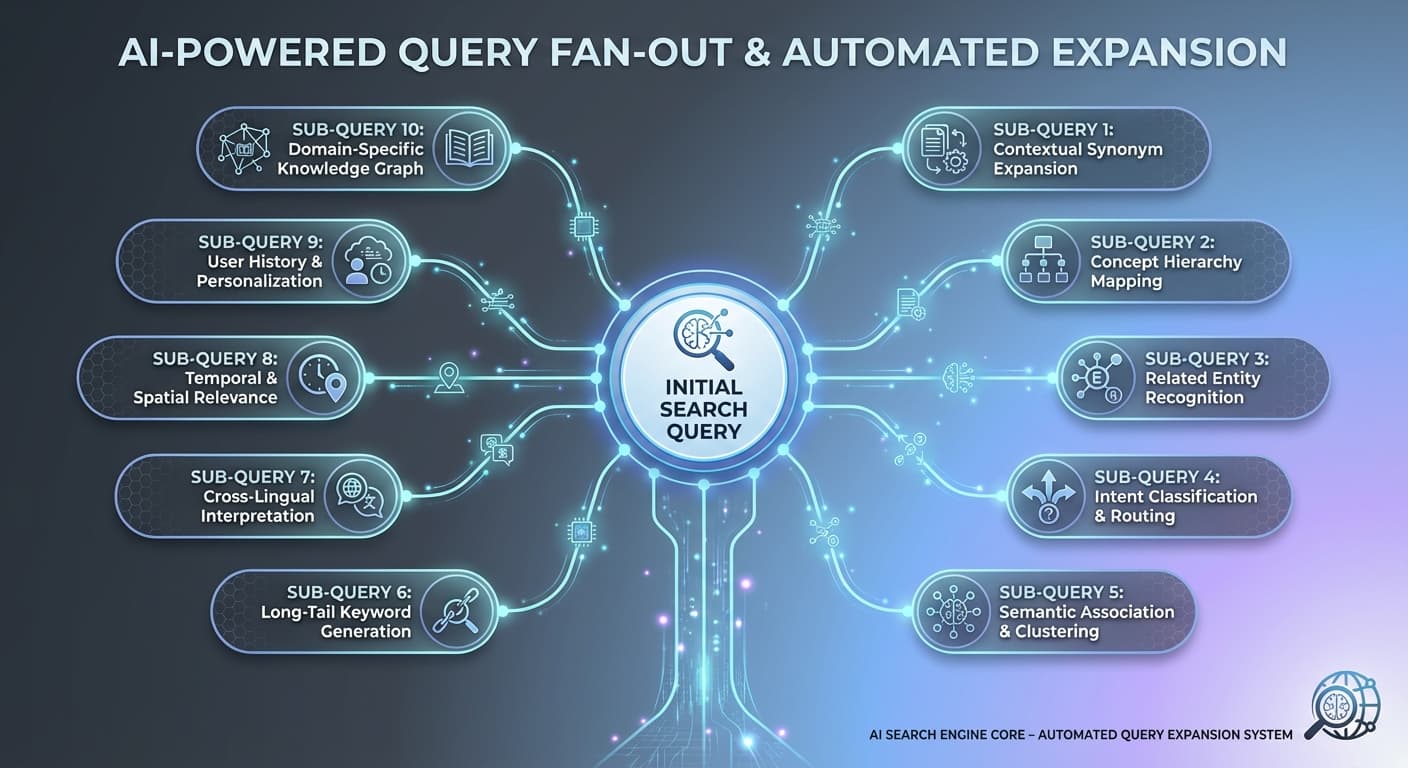
How to Optimize for Query Fan-Out: When Google AI Mode Expands Single Questions into 8-12 Sub-Queries Your Content Doesn't Cover
When someone searches "best project management software" in Google AI mode, the system doesn't just look for that exact phrase. Instead, it intelligently expands that single query into 8-12 related sub-queries: "project management features comparison," "team collaboration tools," "pricing models for PM software," "integration capabilities," and more. If your content only addresses the surface-level question, you're missing massive citation opportunities.
This phenomenon, known as query fan-out, has fundamentally changed how AI search engines like Google's AI mode, ChatGPT, Perplexity, and Claude evaluate and cite content. With AI search now accounting for over 35% of all queries in 2026, understanding and optimizing for query fan-out isn't optional—it's essential for maintaining visibility in an AI-first search landscape.
What is Query Fan-Out in AI Search?
Query fan-out occurs when AI search engines automatically decompose a user's initial question into multiple related sub-queries to provide more comprehensive answers. This process happens behind the scenes, invisible to users but critical for content creators to understand.
How Query Fan-Out Works
When you ask Google AI mode "How do I start a podcast?", the system internally generates sub-queries like:
Content that addresses only the main question misses citations from these expanded queries, while comprehensive content that naturally covers these sub-topics gets cited multiple times across the AI's response.
Why Query Fan-Out Matters More Than Ever in 2026
The stakes have never been higher. Recent data shows that:
Traditional SEO focused on ranking for one primary keyword. AI search optimization requires covering the entire question ecosystem around your topic.
The Content Gap Crisis
Most content today suffers from what we call "shallow coverage syndrome." Writers create content that answers the headline question but ignores the natural follow-up questions users have. This creates massive gaps that AI engines notice and penalize through reduced citations.
Common Fan-Out Blind Spots
For "Best CRM Software" content, creators often miss:
For "How to Lose Weight" content, gaps include:
Strategic Approaches to Query Fan-Out Optimization
1. The Question Tree Method
Start with your main topic and branch out into natural question categories:
Main Query: "How to choose a web hosting provider"
Performance Branch:
Cost Branch:
Support Branch:
Technical Branch:
2. The Competitor Gap Analysis
Examine top-ranking content for your target keyword and identify what sub-questions they're missing. Tools like Citescope Ai's GEO Score can help identify these gaps by analyzing semantic richness and conversational relevance.
3. The User Journey Mapping
Map out the complete user journey from initial question to final decision. Each step represents potential sub-queries your content should address:
Content Structure for Fan-Out Optimization
The Comprehensive Hub Approach
Instead of creating multiple thin articles, develop comprehensive hub pages that naturally address fan-out queries:
Introduction (10%): Overview and context
Core Content (60%): Main question answered thoroughly
Related Considerations (25%): Fan-out topics addressed
Next Steps (5%): Action items and resources
Strategic Subheading Architecture
Use H2 and H3 headings that mirror natural sub-queries:
Understanding [Main Topic]
What is [Main Topic]?
Why [Main Topic] matters
Key Considerations for [Main Topic]
Cost factors
Time requirements
Technical requirements
Implementation Guide
Step-by-step process
Common challenges
Success metrics
Advanced Strategies
Optimization techniques
Troubleshooting guide
Future considerations
Technical Implementation Tactics
1. Semantic Clustering
Group related sub-queries into thematic sections rather than addressing them randomly throughout your content. This helps AI engines understand the relationship between topics.
2. FAQ Integration
Include a robust FAQ section that addresses common fan-out queries directly. Format these using schema markup to increase AI visibility.
3. Internal Linking Strategy
Create internal links between related sub-topics to signal comprehensive coverage to AI engines. Use descriptive anchor text that includes sub-query keywords.
4. Content Depth Indicators
Use formatting elements that signal comprehensive coverage:
Measuring Fan-Out Success
Key Metrics to Track
Tools and Techniques
Monitor your fan-out optimization success through:
How Citescope Ai Helps Master Query Fan-Out
Citescope Ai's GEO Score specifically measures your content's ability to address fan-out queries through its Semantic Richness and Conversational Relevance dimensions. The platform analyzes whether your content naturally covers the sub-questions AI engines are likely to generate from your main topic.
The AI Rewriter feature can identify fan-out gaps in your existing content and suggest strategic additions that address missing sub-queries without disrupting your main narrative. This helps you transform thin content into comprehensive resources that capture multiple citation opportunities.
The Citation Tracker shows you exactly which sub-queries are generating citations to your content across ChatGPT, Perplexity, Claude, and Google AI mode, giving you data-driven insights into which fan-out optimizations are working.
Advanced Fan-Out Strategies for 2026
Multi-Intent Optimization
Optimize for multiple user intents within a single piece of content:
Dynamic Content Updates
Regularly update your content to address emerging sub-queries as they develop in your industry. Set up Google Alerts and monitor AI search results to identify new fan-out opportunities.
Cross-Platform Consistency
Ensure your fan-out coverage works across different AI platforms, as each may emphasize different sub-queries based on their training and user patterns.
Ready to Optimize for AI Search?
Query fan-out optimization isn't just about covering more topics—it's about understanding how AI engines think and delivering the comprehensive answers they're looking for. With Citescope Ai's advanced analysis tools, you can identify exactly which sub-queries your content is missing and optimize strategically for maximum AI visibility. Start your free trial today and transform your content from single-answer pieces into comprehensive resources that dominate AI search citations.