How to Optimize for Personalized AI Search Results When Google's Nested Learning and Multi-Horizon User Models Make Position 1 Irrelevant in 2026
How to Optimize for Personalized AI Search Results When Google's Nested Learning and Multi-Horizon User Models Make Position 1 Irrelevant in 2026
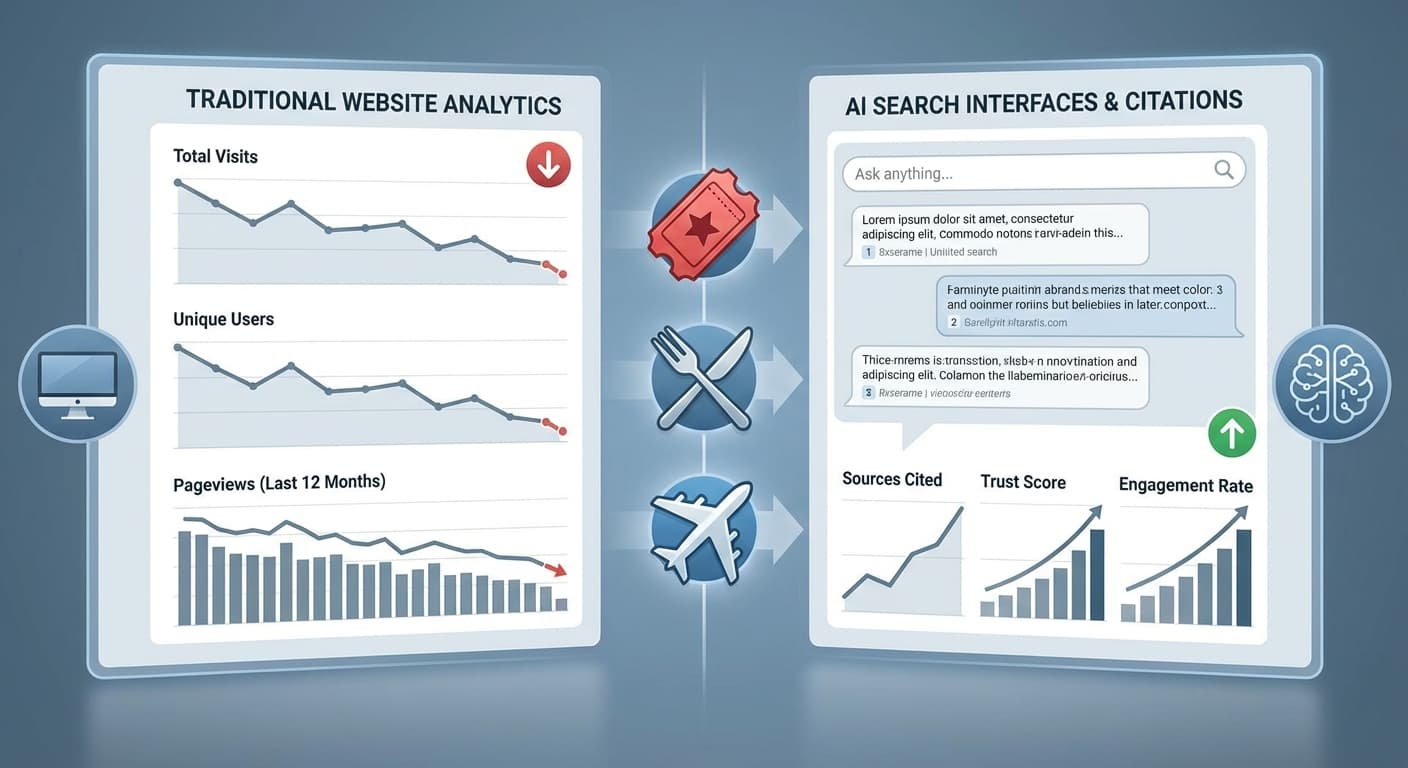
By 2026, the search landscape has fundamentally shifted. Google's advanced nested learning algorithms and multi-horizon user models now deliver hyper-personalized results that make traditional position rankings nearly obsolete. With AI search accounting for over 35% of all queries and personalization driving 78% of search decisions, content creators face a new reality: it's not about ranking #1 anymore—it's about being the right answer for the right person at the right time.
The Death of Universal Rankings
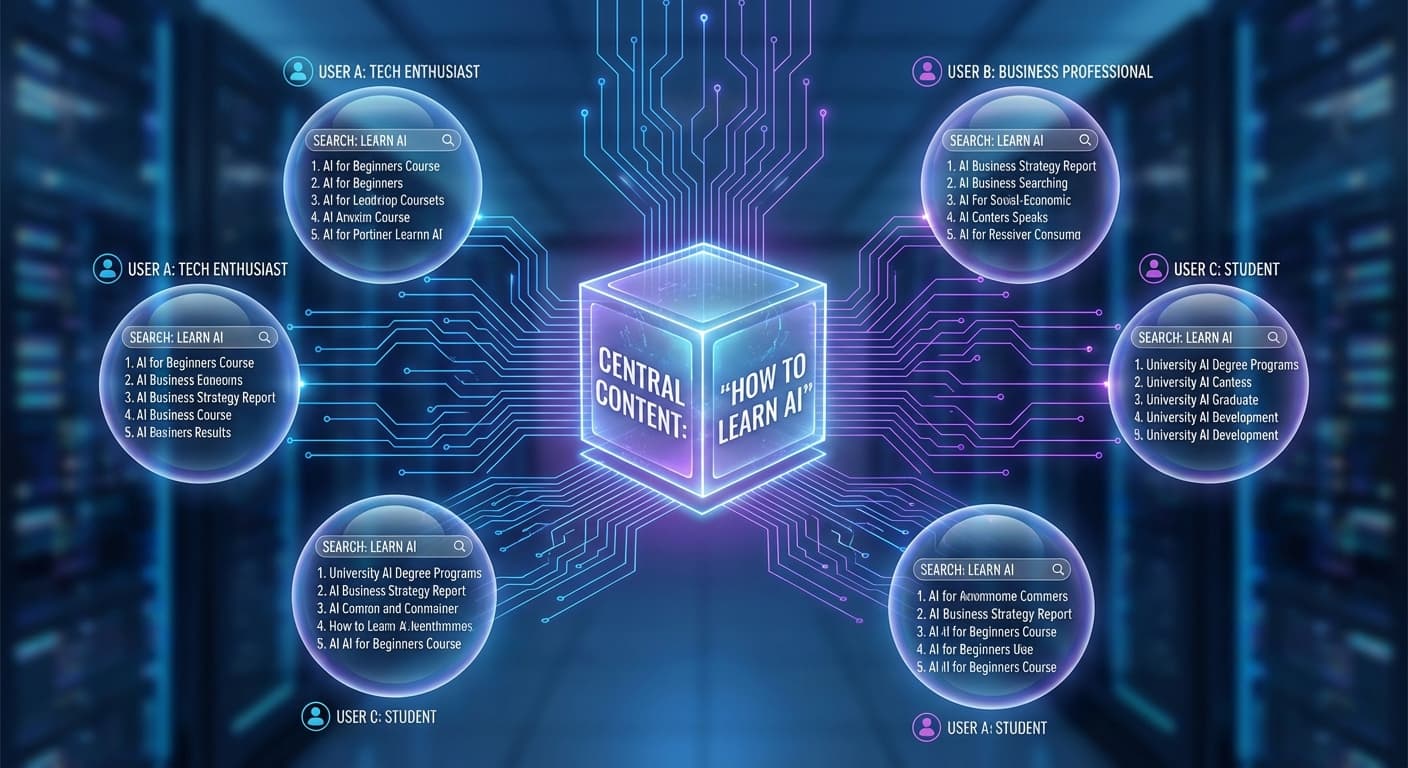
Google's nested learning system, fully deployed in early 2025, has revolutionized how search results are generated. Unlike traditional algorithms that showed the same top 10 results to everyone, nested learning creates dynamic result hierarchies based on:
This means your content might appear in position 1 for one user while being completely invisible to another searching for identical keywords. The multi-horizon user models take this further by predicting not just immediate intent, but future search journeys across multiple sessions and platforms.
Understanding Multi-Horizon User Models
Google's multi-horizon approach analyzes user behavior across three distinct timeframes:
Short-Horizon (0-24 hours)
What it tracks: Immediate context, current session behavior, real-time location and activity
Optimization strategy: Create content that addresses urgent, time-sensitive needs with clear, actionable solutions
Medium-Horizon (1-30 days)
What it tracks: Research patterns, recurring searches, evolving interests and project-based queries
Optimization strategy: Develop comprehensive resource hubs that support users through multi-step processes
Long-Horizon (30+ days)
What it tracks: Lifestyle changes, career transitions, major purchase decisions, and evolving expertise levels
Optimization strategy: Build authoritative, evergreen content that establishes long-term topical relationships
The New Rules of AI-Personalized Search Optimization
1. Diversify Your Content Angles
Instead of targeting one primary keyword, create multiple content pieces addressing the same topic from different perspectives:
2. Optimize for Intent Clusters, Not Keywords
Google's nested learning identifies intent clusters—groups of related searches that indicate similar user goals. Focus on:
3. Create Adaptive Content Architecture
Structure your content to serve multiple user journeys simultaneously:
4. Leverage Behavioral Trigger Optimization
Google's multi-horizon models identify behavioral triggers that predict search intent. Optimize for:
Advanced Strategies for Personalized AI Visibility
Entity-Based Content Mapping
Create content that establishes clear relationships between:
Tools like Citescope Ai's GEO Score analyzer help identify which entity relationships your content establishes most strongly, allowing you to optimize for better AI interpretation across personalized results.
Contextual Relevance Optimization
Google's nested learning prioritizes contextual relevance over traditional ranking factors:
Multi-Format Content Strategy
Personalized AI results often favor different content formats for different users:
Measuring Success in a Post-Position World
New KPIs for Personalized Search
Traditional ranking metrics are losing relevance. Focus on:
Tools for Tracking Personalized Performance
Since traditional rank tracking tools can't capture personalized results, you need specialized solutions. Citescope Ai's Citation Tracker monitors when your content gets cited by ChatGPT, Perplexity, Claude, and Gemini—providing insight into your true AI visibility across different user contexts.
Technical Implementation for Multi-Horizon Optimization
Schema Markup for Personalization
Implement structured data that helps AI understand:
Content Clustering Architecture
Organize your content in topic clusters that support different user horizons:
Pillar Page: Comprehensive topic overview
├── Short-horizon: Quick solutions and immediate answers
├── Medium-horizon: Detailed guides and processes
└── Long-horizon: Strategic insights and advanced concepts
User Journey Optimization
Map content to user progression paths:
How Citescope Ai Helps Navigate Personalized AI Search
Optimizing for personalized AI search requires understanding how different AI engines interpret and cite your content across various user contexts. Citescope Ai's comprehensive platform addresses this challenge through:
GEO Score Analysis: Our proprietary algorithm analyzes your content across five critical dimensions—AI Interpretability, Semantic Richness, Conversational Relevance, Structure, and Authority—providing a 0-100 score that predicts personalized AI visibility.
AI Rewriter Tool: One-click optimization that restructures your content for better performance across different personalization scenarios, ensuring your message resonates with diverse user segments.
Citation Tracking: Real-time monitoring of when ChatGPT, Perplexity, Claude, and Gemini cite your content, giving you insight into your true reach across personalized AI results.
Multi-Format Export: Download optimized content in Markdown, HTML, or WordPress blocks, making it easy to deploy across different platforms and formats.
The Future of Search Is Personal
As Google's nested learning and multi-horizon models continue evolving, the most successful content creators will be those who embrace personalization as an opportunity rather than a challenge. By understanding user intent across different time horizons and creating content that serves diverse needs, you can build sustainable AI visibility that transcends traditional ranking limitations.
The key is shifting from a "one-size-fits-all" approach to a "right-content-right-person-right-time" strategy that aligns with how AI actually delivers personalized results.
Ready to Optimize for AI Search?
Personalized AI search doesn't have to be overwhelming. Citescope Ai helps content creators navigate this complex landscape with tools designed specifically for AI visibility optimization. Our GEO Score instantly identifies optimization opportunities, while our Citation Tracker shows you exactly how AI engines reference your content across different user contexts.
Start optimizing for personalized AI search today with Citescope Ai's free tier—get 3 content optimizations per month and see how your content performs across ChatGPT, Perplexity, Claude, and Gemini. Start your free trial and discover what personalized AI optimization can do for your content strategy.