How to Optimize for Layered Intent Queries in AI Search: Mastering Multi-Modal Customer Questions in 2026
How to Optimize for Layered Intent Queries in AI Search: Mastering Multi-Modal Customer Questions in 2026
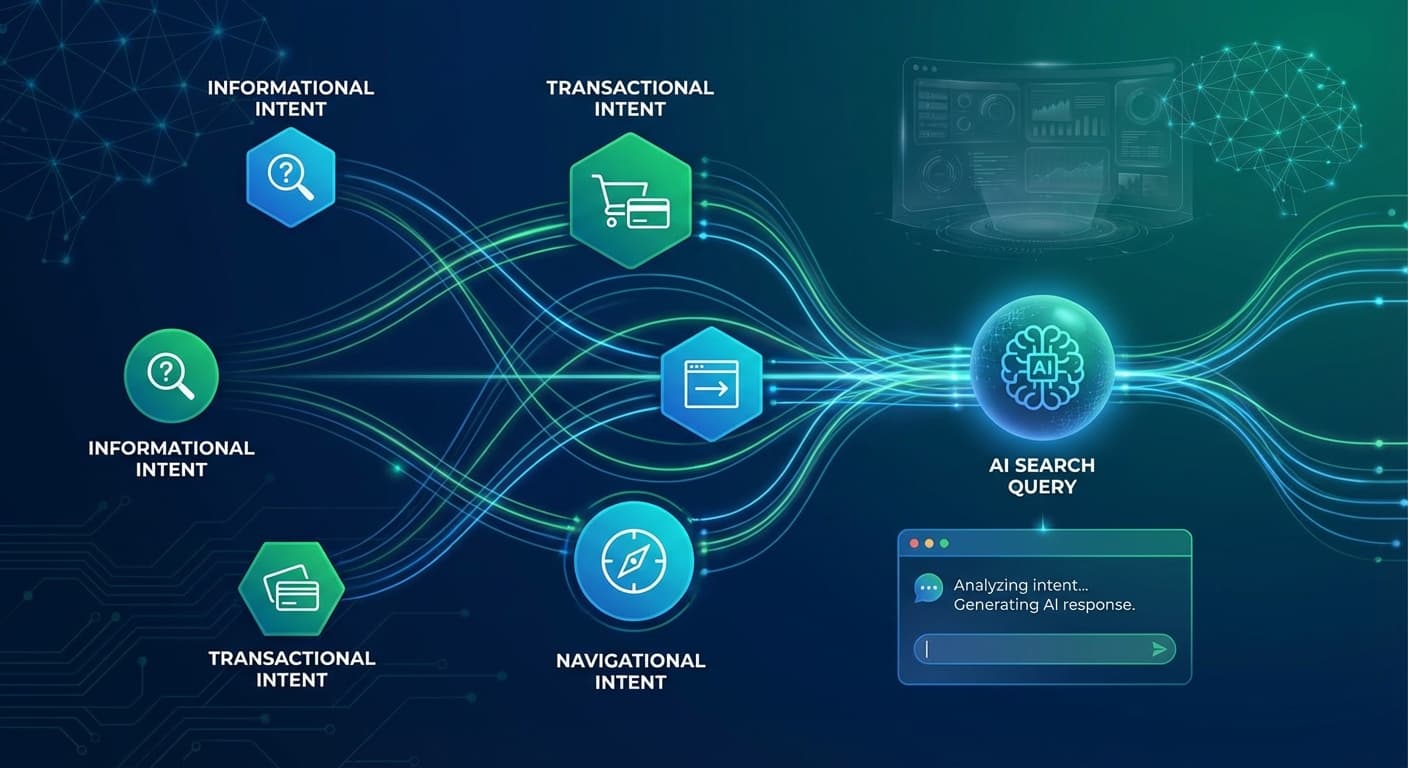
Imagine a customer asking ChatGPT: "Show me the best project management software for remote teams under $50/month, how it compares to Asana's features, and where I can sign up for a free trial." This single query blends informational (comparison data), transactional (pricing and purchase intent), and navigational (specific brand mention) needs all at once.
Welcome to the era of layered intent queries—the complex, multi-dimensional questions that now make up over 65% of AI search interactions in 2026. As AI search engines like ChatGPT, Perplexity, Claude, and Gemini become more sophisticated, users are increasingly comfortable asking nuanced questions that would have required multiple traditional searches.
For content creators and marketers, this shift represents both an enormous opportunity and a significant challenge. The brands that learn to optimize for these layered queries will capture more qualified traffic and citations, while those stuck in single-intent thinking will watch their AI visibility plummet.
Understanding the New Search Landscape
The Rise of Layered Intent Queries
Traditional SEO taught us to think in terms of distinct search intents:
But AI search engines have fundamentally changed user behavior. With conversational interfaces that can handle complexity, users now combine multiple intents into single, sophisticated queries. Recent data from 2025 shows:
Why This Matters for Your Content Strategy
When someone asks a layered intent query, AI search engines need to synthesize information from multiple sources to provide a comprehensive answer. This creates citation opportunities for content that addresses multiple intent layers within a single piece.
Traditional content that only addresses one intent type often gets overlooked in favor of more comprehensive resources that can satisfy the user's complete question.
The Anatomy of Layered Intent Queries
Common Multi-Modal Query Patterns
Pattern 1: Feature + Price + Availability
"What are the key features of CRM software for small businesses, what's the typical cost, and which ones offer free trials?"
Pattern 2: Comparison + Implementation + Results
"How does email marketing compare to social media advertising, what's involved in setting up campaigns, and what ROI should I expect?"
Pattern 3: Problem + Solution + Next Steps
"Why is my website traffic declining, what are the best ways to fix it, and how do I get started with SEO optimization?"
Pattern 4: Local + Transactional + Informational
"Best Italian restaurants near me with vegetarian options, their menu prices, and how to make reservations online"
Intent Layer Identification
To optimize effectively, you need to identify the different intent layers in your target queries:
Strategic Optimization for Layered Intent
Content Architecture for Multi-Intent Satisfaction
Create Hub-and-Spoke Content Structures
Develop comprehensive pillar pages that address the primary intent while linking to detailed sub-pages for secondary intents. This allows AI engines to cite your main page while having access to deeper information.
Example structure for "email marketing software":
Use Progressive Information Disclosure
Structure your content to answer the primary intent first, then layer in secondary and tertiary information. This mirrors how AI engines process and present information.
Semantic Richness and Entity Relationships
Build Comprehensive Entity Networks
Layered intent queries often involve multiple entities and their relationships. Your content should explicitly connect:
Example Entity Network for Project Management Software:
Conversational Query Optimization
Mirror Natural Language Patterns
Since layered intent queries are often conversational, your content should include:
Address the "And Then What?" Factor
After answering the primary query, anticipate the logical next questions and address them proactively. This increases your chances of being cited for follow-up queries in the same conversation.
Citescope Ai's GEO Score specifically measures your content's "Conversational Relevance," helping you identify where your content might be missing these natural progression points.
Technical Implementation Strategies
Schema Markup for Multi-Intent Content
Implement Multiple Schema Types
Use schema markup to help AI engines understand the different intent layers in your content:
Content Formatting for AI Consumption
Create Scannable Information Hierarchies
Optimize for Featured Snippet Variations
Layered intent queries often trigger multiple types of featured snippets. Structure your content to capture:
Data and Research Integration
Support Claims with Multi-Source Data
AI engines prioritize content that backs up claims with credible data. For layered intent content, this means:
Advanced Optimization Tactics
Intent Layer Mapping
Create Intent Journey Maps
Document how different intent layers connect in your industry:
Cross-Intent Content Linking
Build Strategic Internal Link Networks
Connect content pieces that address different aspects of common layered queries. This helps AI engines understand the relationship between your content pieces and increases the likelihood of multiple citations.
Performance Monitoring and Iteration
Track Multi-Intent Query Performance
Monitor how your content performs for different types of layered queries:
How Citescope Ai Helps Optimize for Layered Intent
Optimizing for layered intent queries requires analyzing your content across multiple dimensions—exactly what Citescope Ai's GEO Score provides. The platform evaluates your content's ability to satisfy complex, multi-layered queries through:
AI Interpretability Analysis: Ensures your content can be understood and synthesized by AI engines processing complex queries
Semantic Richness Evaluation: Identifies opportunities to build stronger entity relationships and topic connections
Conversational Relevance Scoring: Measures how well your content mirrors natural language patterns and anticipates follow-up questions
Citation Tracking Across Intent Layers: Monitor when your content gets cited for different aspects of layered queries, helping you understand which intent combinations are most valuable
The AI Rewriter feature specifically optimizes content structure to better address multiple intent layers simultaneously, while the Citation Tracker helps you understand which types of layered queries are driving the most valuable mentions.
Measuring Success with Layered Intent Optimization
Key Performance Indicators
Citation Diversity Metrics
Engagement Quality Indicators
Long-term Strategy Development
Evolving Query Pattern Recognition
Stay ahead of emerging layered intent patterns by:
Future-Proofing Your Layered Intent Strategy
As AI search continues evolving, layered intent queries will only become more sophisticated. The content creators who invest in comprehensive, multi-intent optimization now will have a significant advantage as AI engines become even better at understanding and satisfying complex user needs.
The key is shifting from thinking about individual keywords or single intents to understanding the complete user journey and information needs that span multiple intent types.
Ready to Optimize for AI Search?
Layered intent queries represent the future of search—and the present opportunity for forward-thinking content creators. Citescope Ai's comprehensive optimization platform helps you analyze, optimize, and track your content's performance across all intent layers.
With the GEO Score, AI Rewriter, and Citation Tracker, you can ensure your content satisfies complex, multi-dimensional queries that drive real business results. Start your free trial today and discover how your content performs against the sophisticated queries that define modern AI search.