How to Optimize for Google's SGE Without Sacrificing Traditional SEO Traffic in 2026
How to Optimize for Google's SGE Without Sacrificing Traditional SEO Traffic in 2026
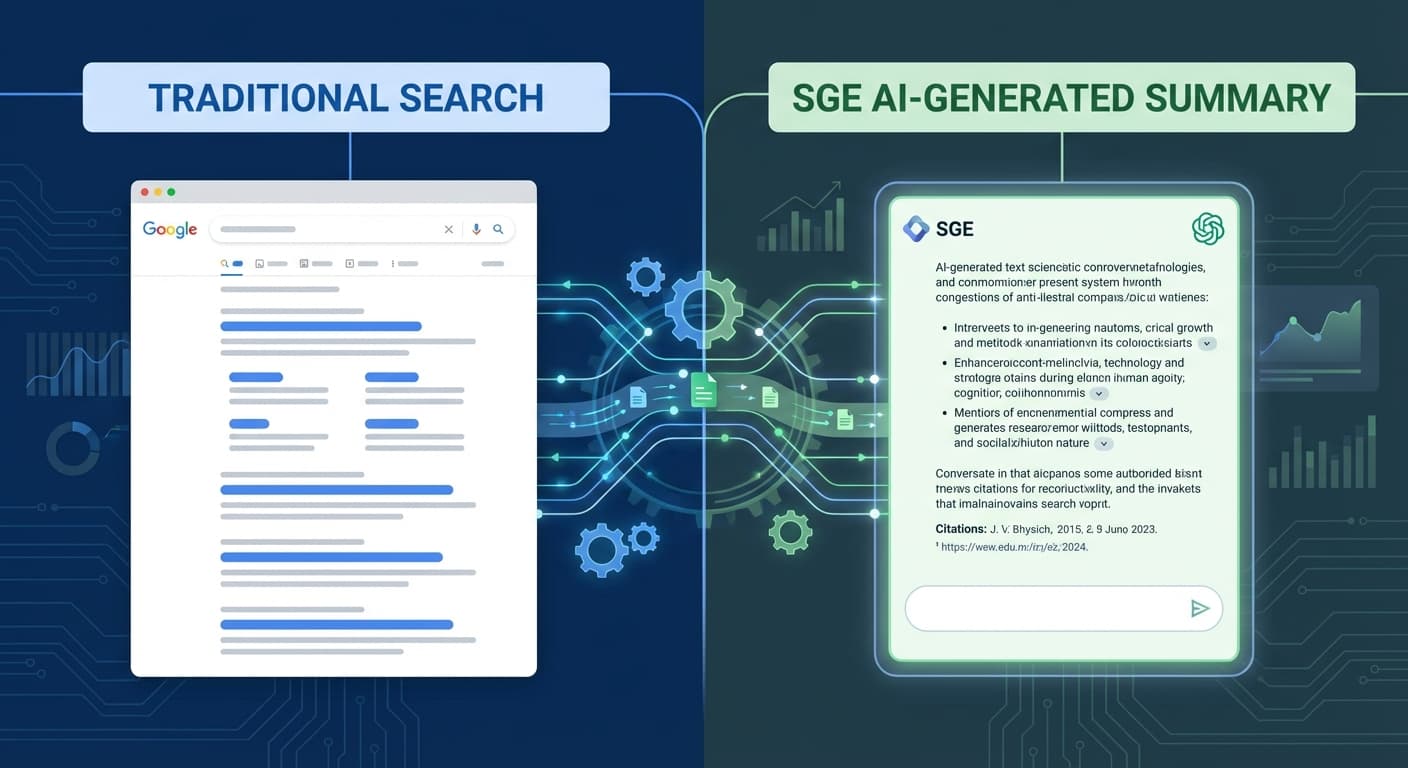
With Google's Search Generative Experience (SGE) now powering over 45% of search results in 2026, content creators face a critical challenge: how do you optimize for AI-powered search summaries while maintaining your hard-earned traditional SEO rankings?
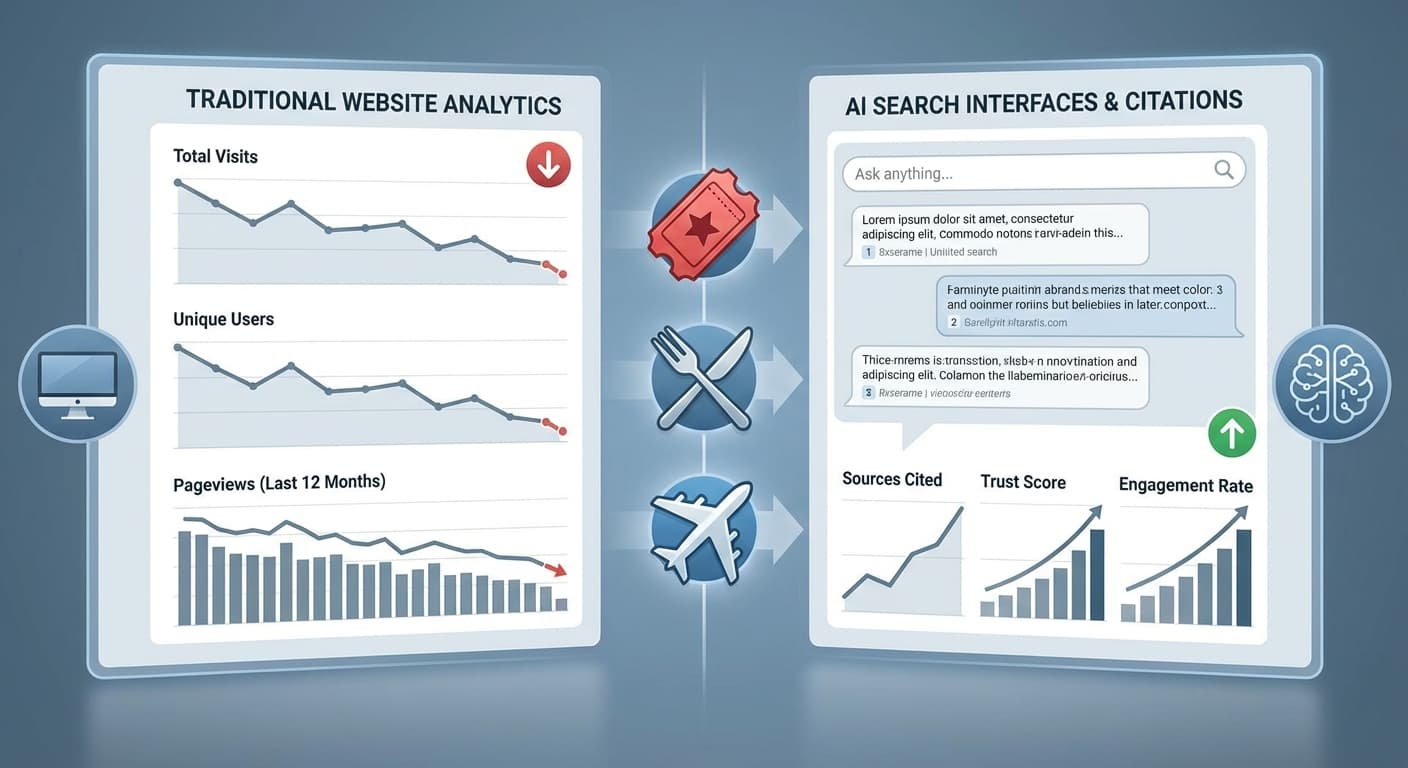
The stakes couldn't be higher. Recent data shows that 68% of marketers report traffic shifts due to SGE implementation, with some seeing 40% increases in visibility while others experience significant drops. The difference? A strategic approach that treats SGE optimization as an enhancement to—not a replacement for—traditional SEO.
Understanding SGE's Impact on Search Behavior
Google's SGE has fundamentally changed how users interact with search results. In 2026, we're seeing:
But here's the key insight: SGE doesn't eliminate the need for traditional SEO—it amplifies the importance of being the authoritative source that feeds these AI summaries.
The Dual-Optimization Strategy: Best Practices for 2026
1. Structure Content for Both Humans and AI
The most successful content in 2026 follows a hierarchical structure that serves both traditional search crawlers and SGE's content extraction algorithms:
Essential elements:
Pro tip: SGE favors content with clear semantic relationships. Use related keywords naturally throughout your headings and ensure each section builds logically on the previous one.
2. Master the Art of Semantic Richness
While traditional SEO focuses on keyword density, SGE optimization requires semantic depth. Your content needs to demonstrate comprehensive understanding of topics through:
Tools like Citescope's GEO Score analyzer can help you measure semantic richness across five key dimensions, ensuring your content resonates with both traditional algorithms and AI systems.
3. Optimize for Conversational Queries
SGE excels at handling natural language queries. In 2026, 58% of searches are conversational in nature. Structure your content to answer questions like:
Create dedicated sections that directly address these query patterns while maintaining your keyword strategy for traditional search.
Technical Implementation: The SGE-SEO Balance
Schema Markup Evolution
With SGE's rise, schema markup has become even more critical. Focus on:
Essential schema types for 2026:
Content Depth vs. Accessibility
The challenge: SGE favors comprehensive content, but users still want quick answers. The solution is layered content architecture:
This approach satisfies SGE's need for comprehensive information while maintaining traditional SEO benefits through longer dwell times and lower bounce rates.
Mobile-First Optimization
With 78% of SGE interactions happening on mobile devices in 2026, ensure:
Content Types That Excel in Both Systems
1. Ultimate Guides and Comprehensive Resources
Long-form content (2,500+ words) that thoroughly covers topics performs exceptionally well in both traditional SEO and SGE. These pieces:
2. Data-Driven Articles
Content featuring original research, surveys, or industry analysis gets prioritized by both systems. Include:
3. Problem-Solution Frameworks
Structure content around specific problems and solutions:
Measuring Success: KPIs for Dual Optimization
Track both traditional and SGE-specific metrics:
Traditional SEO metrics:
SGE-specific metrics:
Common Mistakes to Avoid
1. Over-Optimization for SGE
Don't sacrifice readability for AI optimization. Content that's stuffed with keywords or structured solely for machines will fail in both systems.
2. Ignoring E-A-T Signals
Both traditional SEO and SGE heavily weight expertise, authoritativeness, and trustworthiness. Maintain strong author bios, cite credible sources, and build domain authority.
3. Neglecting User Intent
While optimizing for AI systems, never lose sight of actual user needs. The best-performing content in 2026 genuinely helps users accomplish their goals.
How Citescope Helps Navigate SGE Optimization
Optimizing for both SGE and traditional SEO requires sophisticated analysis and strategic content restructuring. Citescope's platform addresses this challenge through:
The platform helps content creators strike the perfect balance between human readability and AI optimization, ensuring maximum visibility across all search experiences.
Future-Proofing Your Content Strategy
As we move deeper into 2026, successful content creators are those who view SGE and traditional SEO as complementary rather than competing systems. The key principles remain constant:
By following these strategies, you'll not only maintain your traditional SEO traffic but position yourself to capture the growing audience discovering content through SGE and other AI-powered search experiences.
Ready to Optimize for AI Search?
Mastering the balance between SGE optimization and traditional SEO doesn't have to be overwhelming. Citescope's comprehensive platform gives you the insights and tools needed to excel in both systems, with detailed analysis of your content's AI visibility and one-click optimization features. Start with our free tier and optimize up to 3 pieces of content monthly—no credit card required. Try Citescope free today and see how your content performs across all AI search engines.