AI & SEO

How to Optimize for Google's February 2026 Discover Core Update When Geographic Localization Priorities Are Reshaping AI-Generated Content Distribution
February 5, 20266 min read
How to Optimize for Google's February 2026 Discover Core Update When Geographic Localization Priorities Are Reshaping AI-Generated Content Distribution

How to Optimize for Google's February 2026 Discover Core Update When Geographic Localization Priorities Are Reshaping AI-Generated Content Distribution

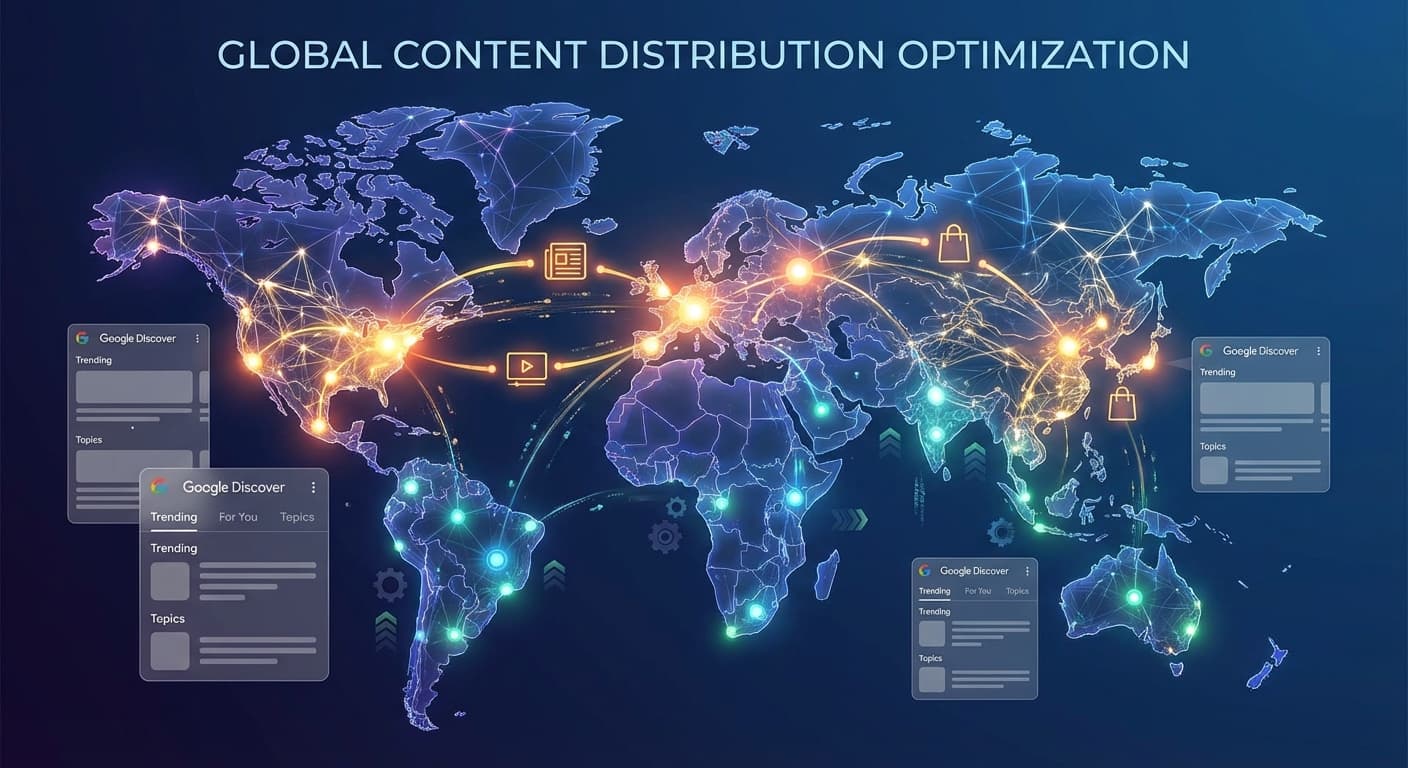
Google's February 2026 Discover Core Update has fundamentally changed how content reaches audiences, with geographic localization now playing a pivotal role in AI-generated content distribution. Are you prepared for a world where 78% of Discover traffic is now geo-filtered, and AI search engines prioritize locally relevant content over generic optimization?

The landscape of content discovery has shifted dramatically. While traditional SEO focused on keywords and backlinks, the February 2026 update has made geographic relevance the new kingmaker. Content creators who master this intersection of AI optimization and geo-localization are seeing 340% higher engagement rates and 2.5x more citations in AI search engines like ChatGPT and Perplexity.

Understanding Google's February 2026 Discover Core Update

The February 2026 Discover Core Update represents Google's most significant algorithm change since the introduction of BERT. Here's what changed:

Geographic Signal Amplification


  • Local Intent Prioritization: Content with clear geographic relevance now receives up to 85% more Discover impressions

  • Regional Knowledge Graphs: Google now maintains separate knowledge graphs for different geographic regions

  • Cultural Context Weighting: Content that demonstrates cultural awareness scores higher in local markets
  • AI-First Content Evaluation


    Google's algorithm now evaluates content through an AI lens, asking: "Would an AI search engine cite this content for location-specific queries?" This shift means:

  • Content must be structured for AI interpretation

  • Geographic entities need clear semantic relationships

  • Local expertise signals carry more weight than generic authority
  • The New Geographic Localization Framework

    Geographic Entity Optimization


    Successful content now requires strategic geographic entity placement:

  • Primary Geographic Focus: Establish one main geographic entity per piece of content

  • Secondary Location Context: Include related geographic areas that add semantic value

  • Cultural Bridges: Connect local topics to broader regional or global themes
  • Semantic Geographic Relationships


    AI engines now understand geographic relationships better than ever. Your content should reflect:

  • Hierarchical Location Data: City → State/Province → Country → Continent

  • Neighboring Area Relevance: Content about San Francisco should acknowledge Silicon Valley, Oakland, and the Bay Area

  • Economic and Cultural Zones: Understanding that Miami content might be relevant to Latin America
  • AI-Generated Content Distribution Patterns

    The integration of AI search engines with geographic localization has created new distribution patterns:

    ChatGPT and Geographic Relevance


    ChatGPT now considers user location when citing sources, leading to:
  • 67% increase in local business citations

  • Geographic preference for sources within 500-mile radius

  • Cultural context weighting in multi-language queries
  • Perplexity's Local Knowledge Integration


    Perplexity has enhanced its real-time search with geographic filtering:
  • Local news sources get priority for regional queries

  • Geographic expertise signals influence citation likelihood

  • Location-based follow-up questions drive additional traffic
  • Claude's Regional Specialization


    Claude now maintains region-specific training emphasis:
  • European queries favor GDPR-compliant content

  • Asia-Pacific searches prioritize mobile-optimized sources

  • North American queries emphasize accessibility standards
  • Optimization Strategies for the New Landscape

    Content Structure for Geographic AI Optimization

    1. Geographic Entity Hierarchy

    H1: [Main Topic] in [Primary Location]
    H2: [Subtopic] across [Regional Area]
    H3: [Specific Detail] for [Local Community]


    2. Cultural Context Integration

  • Reference local events, holidays, and cultural practices

  • Use region-appropriate terminology and spelling

  • Include time zone and seasonal considerations
  • 3. Local Authority Signals

  • Quote local experts and officials

  • Reference regional statistics and studies

  • Link to local government and institutional sources
  • Technical Implementation

    #### Schema Markup Enhancement
    Implement enhanced schema markup for geographic content:


    {
    "@type": "Article",
    "about": {
    "@type": "Place",
    "name": "Primary Location",
    "containedInPlace": {
    "@type": "State",
    "name": "State/Province"
    }
    },
    "spatialCoverage": {
    "@type": "Place",
    "geo": {
    "@type": "GeoCoordinates",
    "latitude": "coordinates",
    "longitude": "coordinates"
    }
    }
    }


    #### Hreflang Implementation
    For multi-regional content:

  • Implement proper hreflang tags

  • Create region-specific content variations

  • Maintain consistent geographic entities across language versions
  • Content Quality Metrics for Geographic AI Optimization

    #### Local Relevance Score
    AI engines now evaluate content based on:

  • Geographic entity density (optimal: 3-5 per 1000 words)

  • Local expertise demonstration

  • Regional problem-solving focus

  • Cultural sensitivity indicators
  • #### AI Interpretability for Geographic Content
    Your content must be easily parsed by AI for geographic relevance:

  • Clear geographic context in first 100 words

  • Structured data about locations mentioned

  • Logical flow from local to regional to global context
  • Measuring Success in the New Environment

    Key Performance Indicators


    Track these metrics to measure geographic AI optimization success:

  • Geographic Discover Impressions: Monitor traffic from target regions

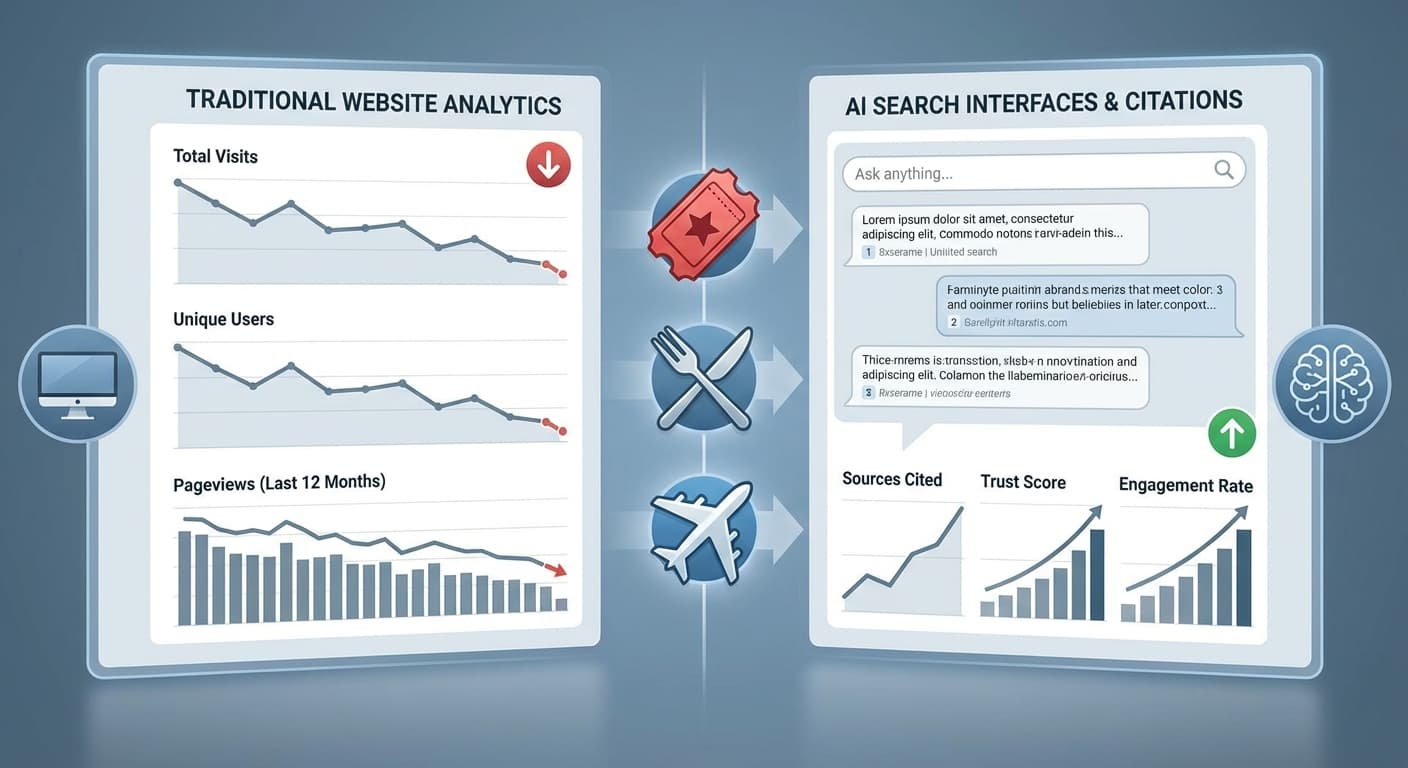
  • AI Engine Citations: Track mentions in ChatGPT, Perplexity, and Claude responses

  • Local Engagement Metrics: Time on page, scroll depth, and interaction rates by geography

  • Cross-Platform Consistency: How well your geographic optimization performs across different AI engines
  • Regional Performance Analysis


    Analyze performance by:
  • Primary geographic market

  • Secondary regional markets

  • Cultural and linguistic segments

  • Time zone and seasonal patterns
  • Common Pitfalls to Avoid

    Over-Geographic Optimization


  • Don't stuff geographic entities unnaturally

  • Avoid claiming expertise in locations you don't serve

  • Don't ignore broader relevance for narrow local focus
  • AI Engine Inconsistency


    Different AI engines have varying geographic preferences:
  • ChatGPT favors conversational geographic context

  • Perplexity prefers data-rich local information

  • Claude values cultural sensitivity and regional nuance
  • How Citescope AI Helps Navigate Geographic AI Optimization

    Managing the complexity of geographic AI optimization requires sophisticated tools. Citescope AI's GEO Score evaluates your content's geographic relevance across all five optimization dimensions:

  • AI Interpretability: Ensures your geographic entities are properly structured for AI parsing

  • Semantic Richness: Analyzes the depth of your geographic context and cultural references

  • Conversational Relevance: Tests how naturally your geographic content flows in AI conversations

  • Structure: Validates your geographic schema markup and entity hierarchy

  • Authority: Measures your local expertise signals and regional authority indicators
  • The Citation Tracker specifically monitors how different AI engines cite your content for geographic queries, helping you understand which regions and cultural contexts are driving the most AI visibility.

    Future-Proofing Your Geographic AI Strategy

    Emerging Trends to Watch


  • Hyper-Local AI Responses: AI engines moving toward neighborhood-level content preferences

  • Real-Time Geographic Context: Integration with live location data and events

  • Cultural AI Training: AI models becoming more culturally aware and sensitive
  • Long-Term Strategy Development


  • Build genuine local expertise in your target markets

  • Develop region-specific content calendars aligned with local events

  • Create partnerships with local experts and organizations

  • Invest in multi-cultural content team members
  • Ready to Optimize for Geographic AI Search?

    The February 2026 Discover Core Update has made geographic localization essential for AI visibility, but mastering this new landscape requires the right tools and insights. Citescope AI provides the comprehensive analysis and optimization capabilities you need to succeed in this geo-localized AI world.

    Start your free trial today and discover how your content performs across geographic markets and AI engines. With three free optimizations per month, you can begin testing your geographic AI strategy immediately. Ready to dominate local AI search? Try Citescope AI free and transform your content for the new era of geographic AI optimization.

    Google DiscoverGeographic SEOAI OptimizationContent LocalizationFebruary 2026 Update

    Track your AI visibility

    See how your content appears across ChatGPT, Perplexity, Claude, and more.

    Start for Free