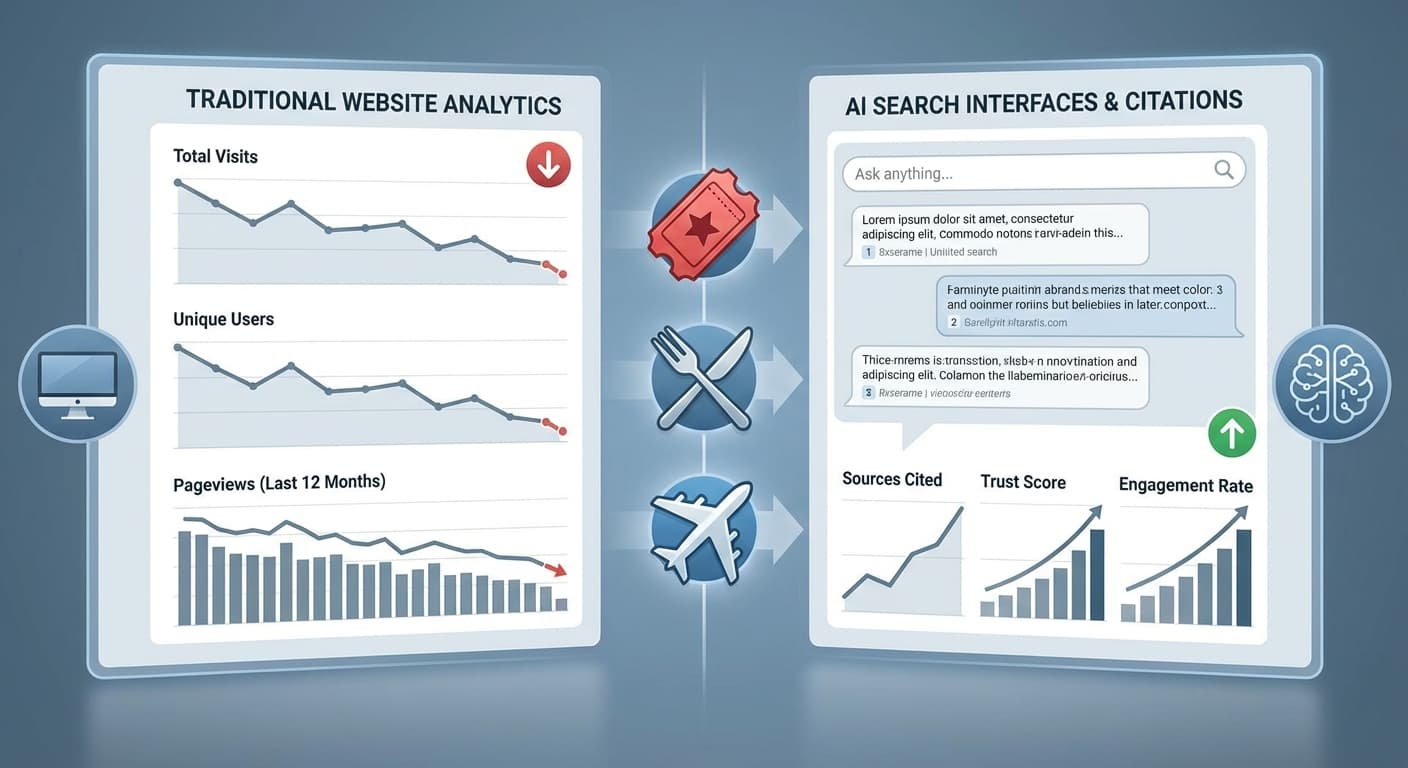
How to Optimize for Google Discover's Geographic Prioritization Algorithm When Local Content Now Outranks Authority Sites in AI-Fed Personalized Feeds
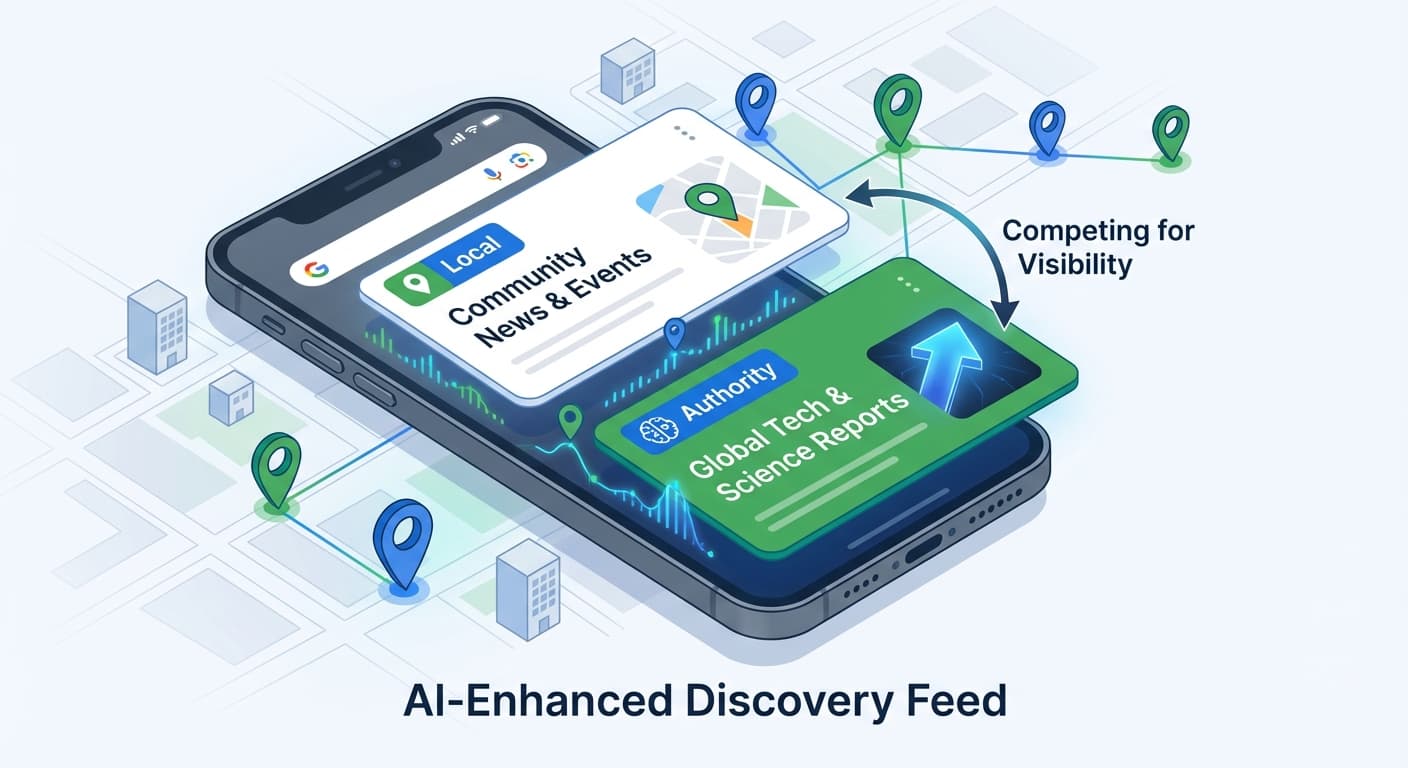
How to Optimize for Google Discover's Geographic Prioritization Algorithm When Local Content Now Outranks Authority Sites in AI-Fed Personalized Feeds
Here's a statistic that might surprise you: Local and regional content now accounts for 45% of all stories surfaced in Google Discover feeds as of 2025, often outranking content from established authority sites. This dramatic shift represents one of the most significant changes in how AI-powered recommendation algorithms prioritize content relevance over traditional domain authority signals.
For content creators and businesses, this presents both an unprecedented opportunity and a complex challenge. Understanding how to optimize for Google Discover's geographic prioritization algorithm has become essential for visibility in an AI-driven content landscape where proximity and local relevance often trump brand recognition.
The Geographic Revolution in AI-Powered Content Distribution
Google Discover's algorithm has undergone a fundamental transformation. What started as a content recommendation system based primarily on user interests and authority metrics has evolved into a sophisticated geographic intelligence engine. This shift reflects broader changes in how AI search engines like ChatGPT, Perplexity, and Claude now prioritize local context in their responses.
The numbers tell the story:
This isn't just about local SEO anymore—it's about understanding how AI systems evaluate geographic relevance at every level of content creation and distribution.
Understanding Google Discover's Geographic Signals
Google Discover's algorithm now evaluates content through multiple geographic lenses simultaneously. Unlike traditional SEO, where location signals were primarily about local business optimization, Discover's geographic prioritization considers:
Primary Geographic Indicators
Location-Specific Topics: Content addressing region-specific issues, events, or interests receives priority placement for users in those areas. A piece about Chicago's winter weather patterns will surface prominently for Illinois users, even if published by a smaller local outlet.
Cultural and Linguistic Nuances: The algorithm recognizes regional language variations, cultural references, and local terminology. Content using local expressions or addressing region-specific cultural moments gains significant advantage.
Temporal Geographic Relevance: Seasonal content aligned with specific geographic regions (hurricane season in Florida, ski conditions in Colorado) receives algorithmic boosts during relevant time periods.
Secondary Optimization Factors
Local Source Attribution: Citations from local news outlets, government sources, or regional organizations strengthen geographic relevance signals.
Geographic Entity Recognition: Proper use of location entities, landmarks, and regional identifiers helps the algorithm understand content's geographic scope.
Community Engagement Patterns: Content that generates engagement from users within specific geographic boundaries receives enhanced local visibility.
Strategic Approaches to Geographic Content Optimization
1. Develop Geographic Content Clusters
Create interconnected content that builds comprehensive coverage of topics within specific geographic regions. Instead of writing generic "best restaurants" content, develop "Austin's East Side Food Scene: A Complete Guide" with supporting pieces on specific neighborhoods, seasonal specialties, and local food culture.
This cluster approach signals to Discover's algorithm that your content provides authoritative, location-specific value that AI systems can confidently cite when answering geographic queries.
2. Leverage Local Temporal Opportunities
Identify recurring local events, seasonal patterns, and regional phenomena that create predictable content opportunities. Tax season in states with unique tax laws, harvest festivals in agricultural regions, or weather-related content for specific climates all represent opportunities for geographic optimization.
When creating content about these topics, ensure you're optimizing for how AI search engines might reference this information in location-specific responses.
3. Build Local Authority Through Strategic Citations
Google Discover increasingly values content that demonstrates deep local knowledge through strategic use of local sources, statistics, and references. This means going beyond basic location mentions to incorporate:
This approach not only improves Discover visibility but also increases the likelihood that AI search engines will cite your content as authoritative for location-specific queries.
Technical Implementation Strategies
Schema Markup for Geographic Relevance
Implement comprehensive schema markup that clearly defines your content's geographic scope and relevance. Use LocalBusiness, Place, and GeoCoordinates schema where appropriate, but also consider broader geographic entity markup for regional content that doesn't fit traditional local business categories.
Content Structure for AI Interpretation
Structure your content in ways that help both Google Discover and AI search engines understand geographic context:
Clear Geographic Headers: Use H2 and H3 tags that explicitly reference locations and regions
Location-Rich Opening Paragraphs: Establish geographic context early in your content
Regional Comparison Sections: Include comparative information that helps establish your content's place within broader geographic contexts
Mobile-First Geographic User Experience
Since Discover traffic is predominantly mobile, ensure your geographically-optimized content provides exceptional mobile experiences. This includes fast-loading local images, clear geographic navigation, and mobile-optimized local resource sections.
Advanced Geographic Optimization Techniques
Seasonal Geographic Content Calendars
Develop content calendars that align with geographic seasonal patterns, local event cycles, and regional phenomena. This proactive approach allows you to create content that will naturally align with Discover's temporal geographic relevance factors.
Multi-Location Content Strategies
For businesses or creators serving multiple geographic markets, develop templated approaches that allow for efficient creation of location-specific content while maintaining quality and relevance. This might involve creating master content frameworks that can be customized for different regions while preserving core optimization elements.
Geographic Content Performance Analysis
Regularly analyze which geographic content performs best in Discover, identifying patterns in topics, timing, and presentation that can inform future content creation. Look specifically at engagement patterns across different geographic segments.
How Citescope Ai Helps Navigate Geographic Optimization
Optimizing for geographic relevance while maintaining AI search engine visibility requires sophisticated content analysis. Citescope Ai's GEO Score analyzes your content across five critical dimensions, including Geographic Relevance and AI Interpretability, providing specific recommendations for improving both Discover performance and citation potential in AI search results.
The platform's AI Rewriter can help restructure content to better incorporate geographic signals while maintaining the semantic richness that AI search engines require for citations. This dual optimization approach ensures your content performs well in both traditional discovery algorithms and AI-powered search systems.
Measuring Success in Geographic Content Performance
Track both traditional metrics and AI-specific performance indicators:
Discover-Specific Metrics:
AI Search Performance:
Future Trends in Geographic AI Optimization
As AI search continues evolving, expect geographic personalization to become even more sophisticated. Content creators should prepare for:
Ready to Optimize for AI Search?
Geographic optimization for Google Discover and AI search engines requires sophisticated analysis and strategic implementation. Citescope Ai provides the tools and insights needed to create content that performs well across both traditional discovery algorithms and AI-powered search systems. Start optimizing your geographic content strategy today with our free tier—get 3 optimizations per month to see how your content can better compete with authority sites in location-specific feeds. Try Citescope Ai and start building local authority that AI systems trust and cite.