How to Optimize for Google AI Mode's Gemini 3 Conversational Follow-Up Chains When Single-Query Content Strategies Are Losing 73% of Session Engagement
How to Optimize for Google AI Mode's Gemini 3 Conversational Follow-Up Chains When Single-Query Content Strategies Are Losing 73% of Session Engagement
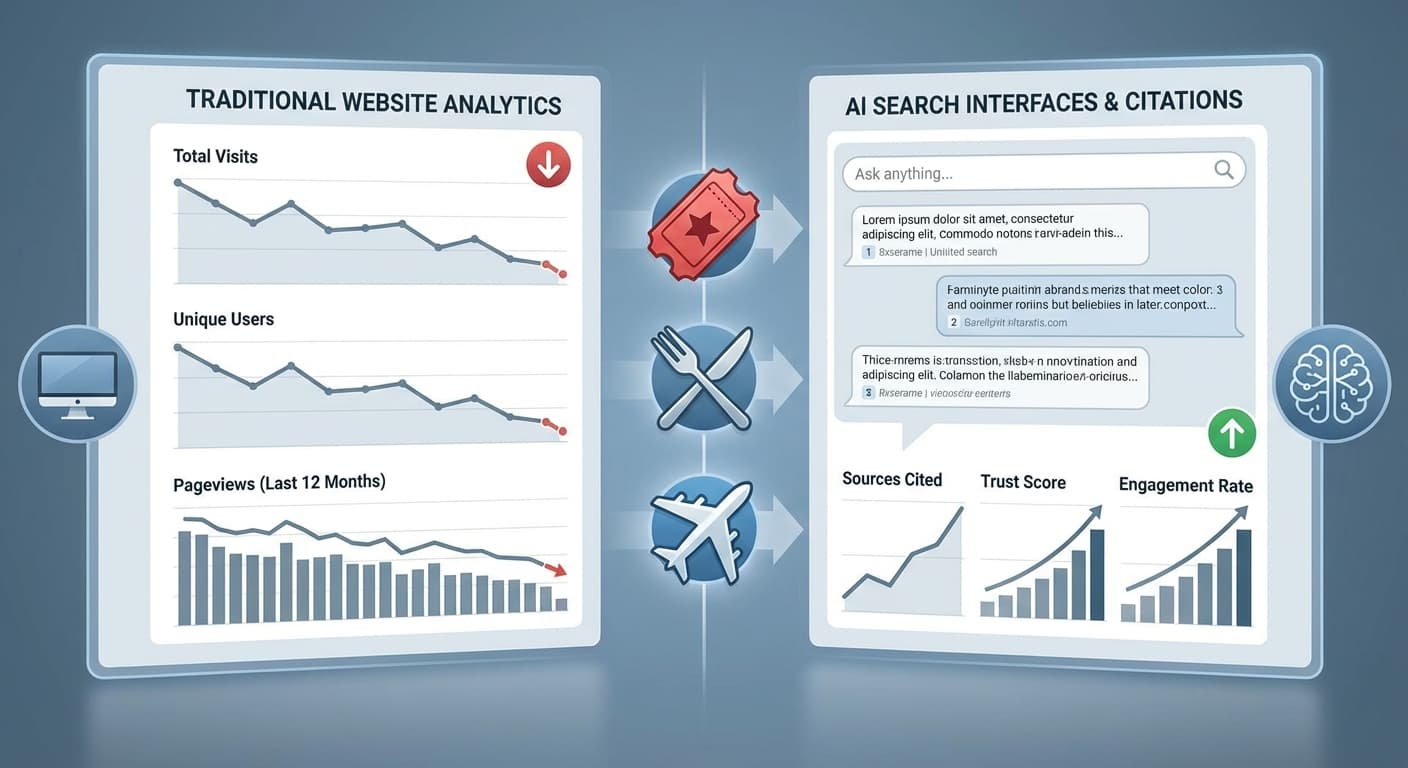
Google's Gemini 3 has fundamentally changed how users search, with 73% of AI search sessions now involving multi-turn conversations rather than single queries. Yet most content creators are still optimizing for one-and-done searches, missing out on the majority of engagement opportunities in 2026.
If your content isn't designed for conversational follow-ups, you're essentially invisible to the fastest-growing segment of search behavior. Here's how to adapt your strategy for Google AI Mode's conversational chains and recapture that lost engagement.
The Death of Single-Query Content Strategy
Traditional SEO taught us to optimize for specific keywords and queries. But Gemini 3's conversational capabilities have shifted user behavior dramatically:
The problem? Most content answers one question well but fails to provide the depth and interconnected information that conversational AI needs for follow-up responses.
Understanding Gemini 3's Conversational Follow-Up Logic
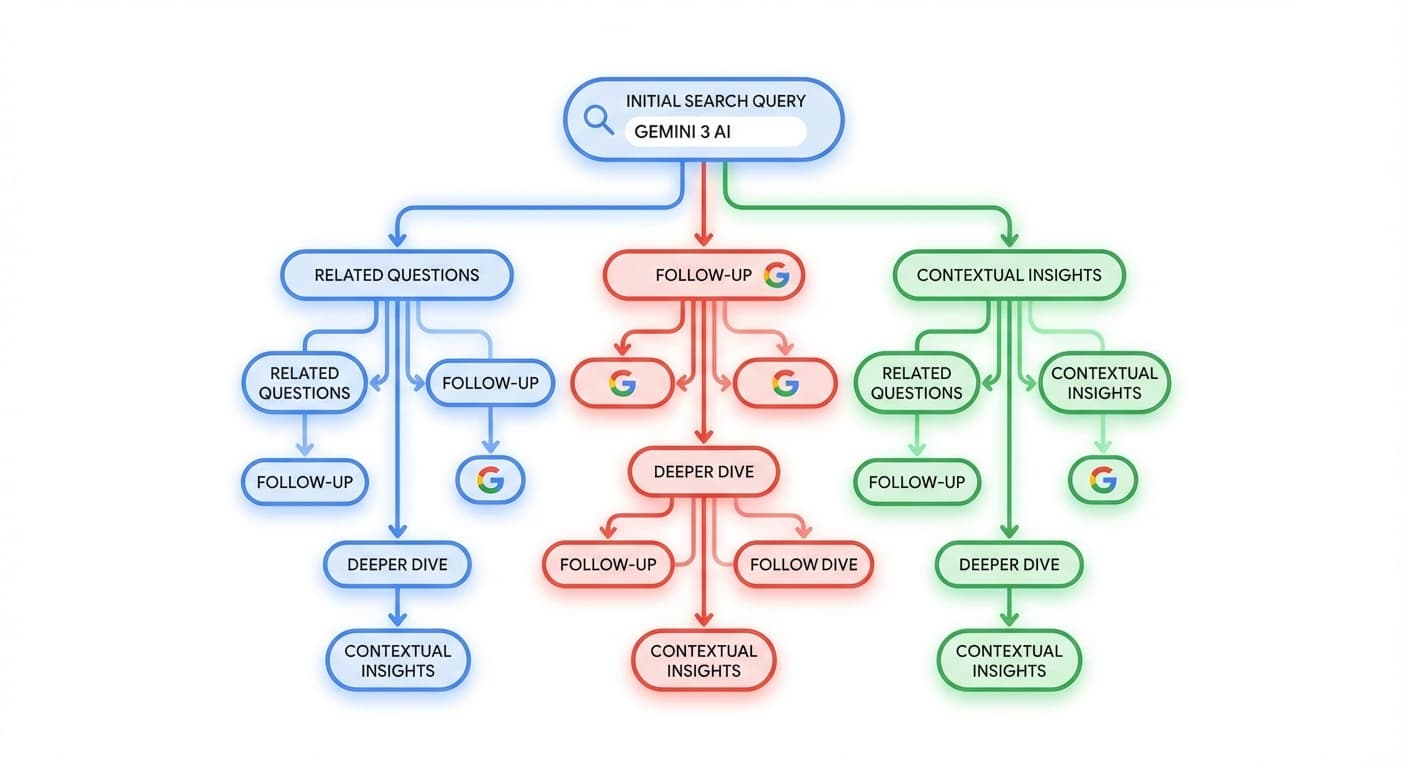
Google's Gemini 3 uses sophisticated reasoning to generate follow-up questions and maintain conversational context. To optimize effectively, you need to understand how it works:
Context Preservation Patterns
Gemini 3 maintains conversation context through:
Common Follow-Up Question Types
Analyzing millions of conversational chains reveals these common follow-up patterns:
Strategic Content Architecture for Conversational Chains
The Layered Information Model
Structure your content in layers that progressively reveal depth:
Layer 1: Surface Answer (Primary query response)
Layer 2: Context & Background ("Why" follow-ups)
Layer 3: Practical Implementation ("How" follow-ups)
Layer 4: Advanced Considerations ("What if" follow-ups)
Anticipatory Content Blocks
Create content sections that specifically address predictable follow-up questions:
markdown
FAQ-Style Subsections
What if this approach doesn't work for small businesses?
How does this strategy differ from traditional methods?
What are the common mistakes to avoid?
Cross-Referencing and Internal Linking
Build robust internal link networks that help Gemini 3 understand content relationships:
Technical Optimization Techniques
Schema Markup for Conversational Context
Implement structured data that helps Gemini 3 understand content relationships:
{
"@type": "Article",
"about": {
"@type": "Thing",
"sameAs": [related URLs],
"relatedLink": [supporting content URLs]
},
"mentions": [entity references],
"teaches": [learning outcomes]
}
Content Depth Signals
Gemini 3 evaluates content depth through:
Conversational Language Patterns
Write in a style that supports natural follow-up generation:
Measuring Conversational Chain Performance
Key Metrics to Track
Analytics Setup
Implement tracking for:
Tools like Citescope Ai's Citation Tracker can monitor when your content appears in multi-turn AI conversations, giving you visibility into conversational chain performance that traditional analytics miss.
Content Formats That Excel in Conversational Chains
Comprehensive Guides with Nested Information
Create guides that work at multiple levels of detail:
Interactive FAQ Structures
Build FAQ sections that anticipate conversational flows:
Process Documentation with Branching Paths
Document processes that account for different scenarios:
Common Pitfalls and How to Avoid Them
The "Information Dumping" Trap
Simply adding more content doesn't improve conversational chain performance. Focus on:
The "Keyword Stuffing" Evolution
Optimizing for every possible follow-up question can create unnatural content. Instead:
The "Shallow Breadth" Problem
Covering many topics superficially is less effective than going deep on fewer topics:
How Citescope Ai Helps Optimize for Conversational Chains
Citescope Ai's GEO Score specifically analyzes your content's potential for conversational follow-ups across five key dimensions:
The platform's AI Rewriter can restructure existing content to better support conversational chains, while the Citation Tracker monitors when your content appears in multi-turn AI conversations across ChatGPT, Perplexity, Claude, and Gemini.
Future-Proofing Your Conversational Strategy
As AI search continues evolving, focus on:
Building Topic Authority
Create comprehensive coverage of your core topics rather than shallow coverage of many topics. AI engines increasingly prefer citing authoritative sources for conversational chains.
Developing Relationship Networks
Build content that connects to and supports other content in your ecosystem. Strong internal linking and topic clustering improve conversational chain performance.
Maintaining Content Freshness
Regularly update content to reflect new developments, questions, and user needs. Stale content performs poorly in dynamic conversational contexts.
Embracing User Intent Evolution
Recognize that user intent becomes more specific and sophisticated through conversational chains. Create content that can satisfy both broad initial queries and narrow follow-up questions.
Ready to Optimize for AI Search?
The shift to conversational AI search isn't coming—it's here. With 73% of AI search sessions now involving multiple questions, optimizing for conversational follow-up chains is essential for maintaining visibility and engagement.
Citescope Ai provides the tools you need to analyze, optimize, and track your content's performance in conversational AI search. Our GEO Score reveals exactly how well your content supports multi-turn conversations, while our AI Rewriter can restructure existing content for better conversational chain performance.
Start with our free tier (3 optimizations per month) and see how conversational optimization can transform your AI search visibility. Try Citescope Ai free today and stop losing engagement to single-query strategies that no longer work.