How to Optimize for Google AI Mode's Agentic Function Handoffs: The New Reality of AI-Mediated Commerce
How to Optimize for Google AI Mode's Agentic Function Handoffs: The New Reality of AI-Mediated Commerce
Imagine a potential customer asking Google's AI, "Book me a table for four at a good Italian restaurant tonight," and instead of visiting your restaurant's website, the AI completes the entire booking through OpenTable's integration—without the customer ever knowing your brand exists. This isn't a dystopian future; it's happening right now in 2026 as Google's AI Mode increasingly handles complete task execution through third-party partners.
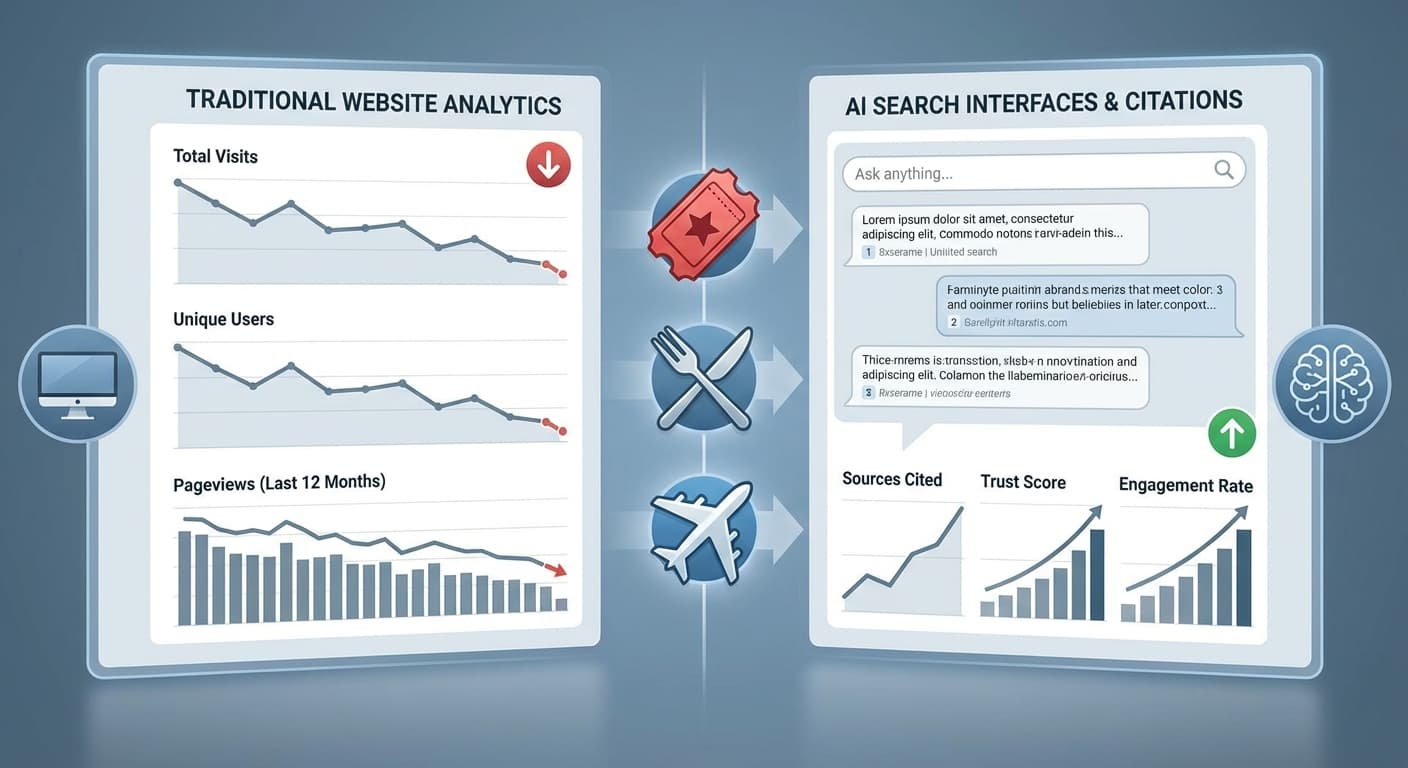
With agentic AI now powering over 40% of Google searches, traditional website traffic is declining while AI-mediated transactions surge. The question isn't whether this shift will affect your business—it's how quickly you can adapt to stay visible in an AI-first world.
Understanding Agentic Function Handoffs
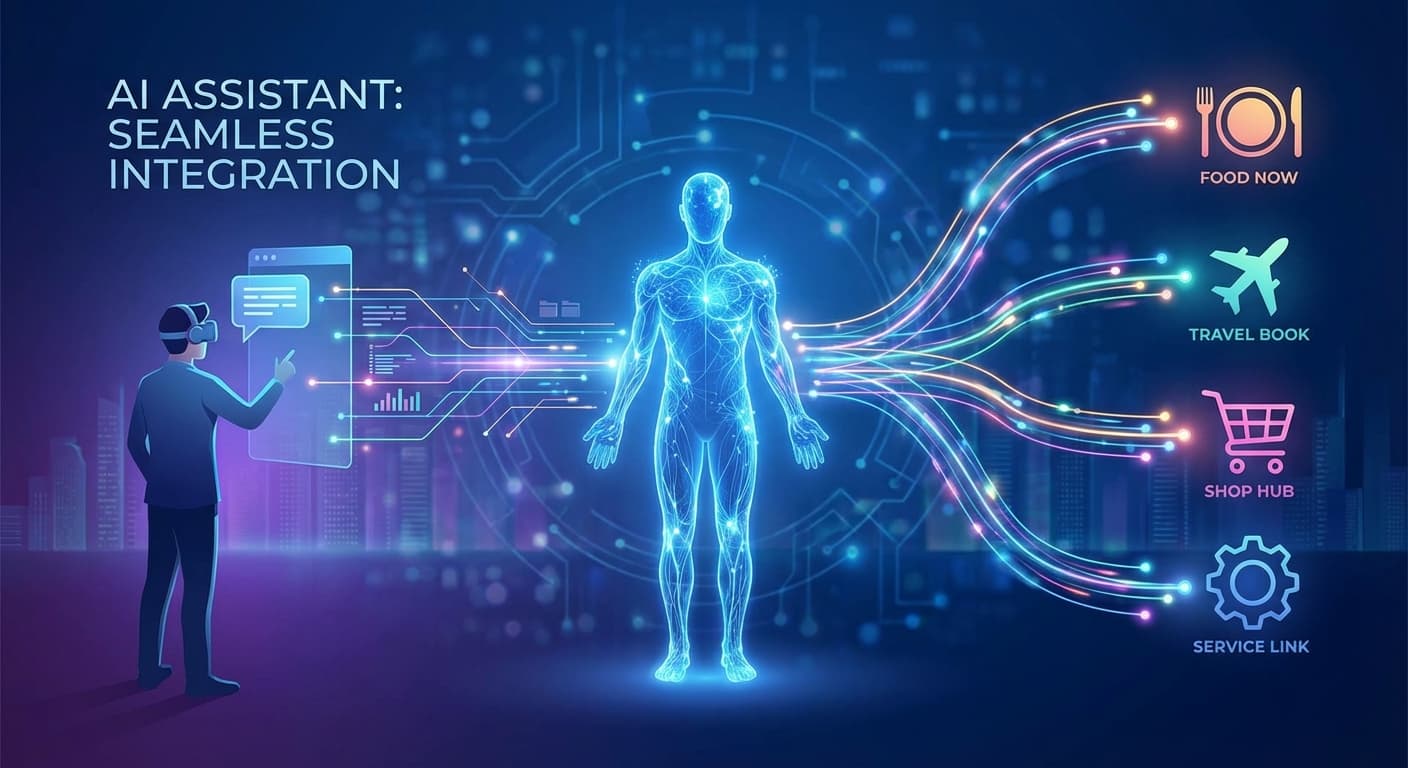
Google's AI Mode has evolved from simple search responses to sophisticated task execution. When users ask the AI to complete actions—booking appointments, making purchases, comparing services—the system can now hand off these functions to integrated third-party platforms without directing users to your website.
The Three Types of Agentic Handoffs
This represents a fundamental shift from the traditional "search → click → convert" funnel to "ask → AI executes → task completed," often bypassing your website entirely.
The New Visibility Challenge
Recent data from 2025 shows that 62% of service bookings now happen through AI intermediaries rather than direct website visits. For local businesses, this means your beautifully designed website might become irrelevant if you're not optimized for agentic handoffs.
Why Traditional SEO Falls Short
Strategies for Agentic Optimization
1. Become the Authoritative Data Source
Even when AI hands off task execution to partners, it still needs authoritative information to make recommendations. Your goal is to ensure your business becomes the primary data source the AI references.
Actionable Steps:
2. Optimize for Partner Platform Integration
Since AI systems prefer integrated platforms, you need presence on the platforms Google's AI uses for handoffs.
Key Platforms to Prioritize:
3. Create AI-Readable Content Architecture
Your content needs to be structured in a way that AI can easily parse and understand for different use cases.
Content Optimization Framework:
4. Leverage Conversational Content Patterns
AI systems are trained on conversational data, so content that mirrors natural speech patterns performs better in agentic scenarios.
Writing Techniques:
Advanced Optimization Tactics
Entity Relationship Mapping
Help AI systems understand how your business relates to other entities in your industry, location, and service category.
Implementation:
Multi-Modal Content Strategy
AI systems increasingly analyze various content types to build comprehensive business understanding.
Content Types to Develop:
Temporal Optimization
Many agentic queries are time-sensitive ("book for tonight," "need service tomorrow"). Optimize your content for temporal relevance.
Strategies:
Measuring Success in an Agentic World
Traditional metrics like organic traffic become less relevant when AI handles task completion. New KPIs include:
How Citescope Ai Helps Navigate Agentic Optimization
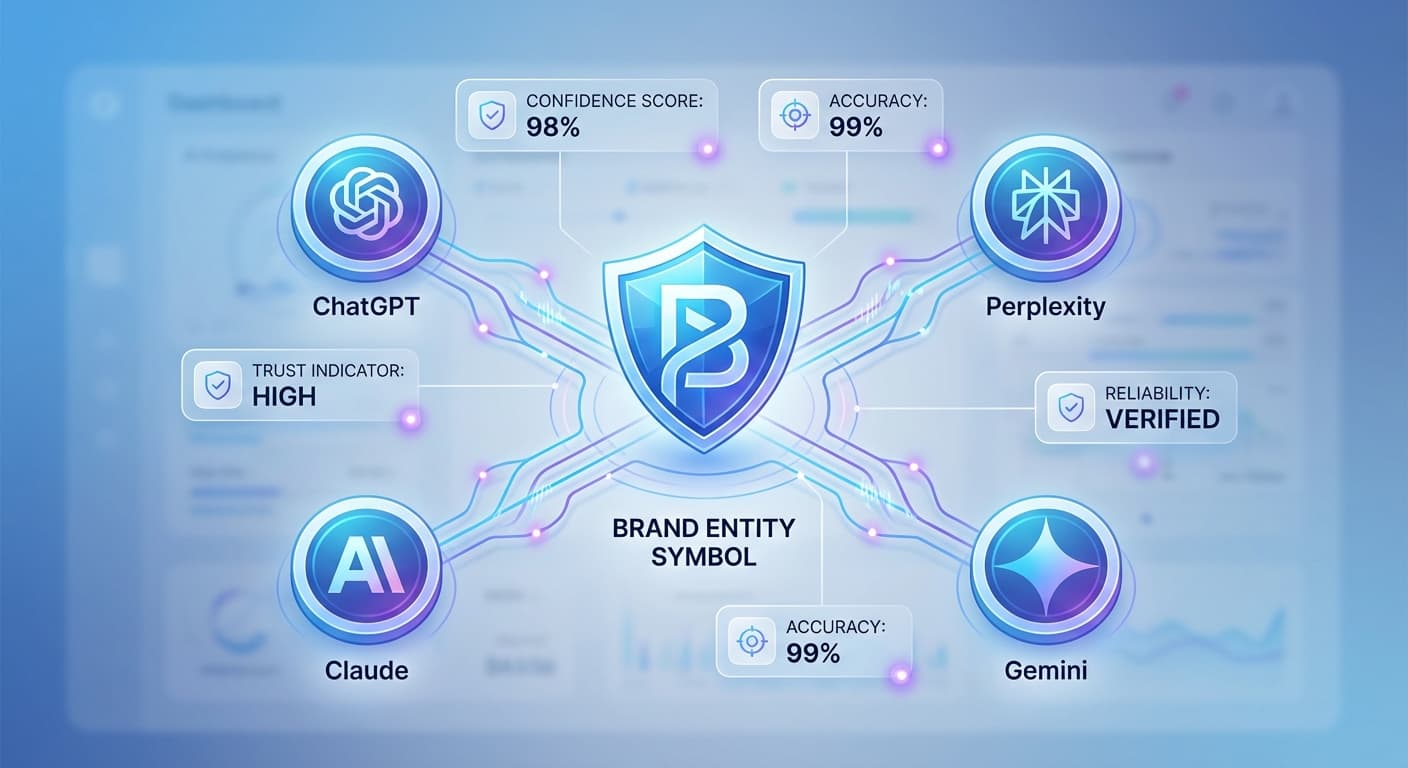
Optimizing for agentic function handoffs requires understanding how AI systems interpret and utilize your content. This is where Citescope Ai's GEO Score becomes invaluable—it analyzes your content across five dimensions that directly impact AI citation likelihood:
The platform's Citation Tracker also helps you monitor when your content gets referenced by major AI systems, giving you insights into which optimization efforts are working.
Future-Proofing Your Agentic Strategy
As AI capabilities expand, expect more sophisticated handoff scenarios. Businesses that start optimizing now will maintain visibility as the technology evolves.
Emerging Trends to Watch
Building Long-Term AI Visibility
The businesses that thrive in an agentic world will be those that view AI not as a threat to website traffic, but as a new channel for customer interaction. Success requires:
Ready to Optimize for AI Search?
As agentic AI reshapes how customers discover and interact with businesses, the companies that adapt their content strategy now will dominate tomorrow's AI-mediated marketplace. Citescope Ai provides the tools and insights you need to ensure your content gets cited and your business stays visible in an AI-first world.
Start with our free tier to analyze your content's AI optimization potential, or explore our Pro features to implement comprehensive agentic optimization strategies. The future of search is here—make sure your business is part of it.
[Try Citescope Ai free today and see how your content performs in AI search engines.]