How to Optimize for Complex Query Intent When AI Search Engines Like Perplexity Process 3x Longer Questions Than Traditional Google Searches
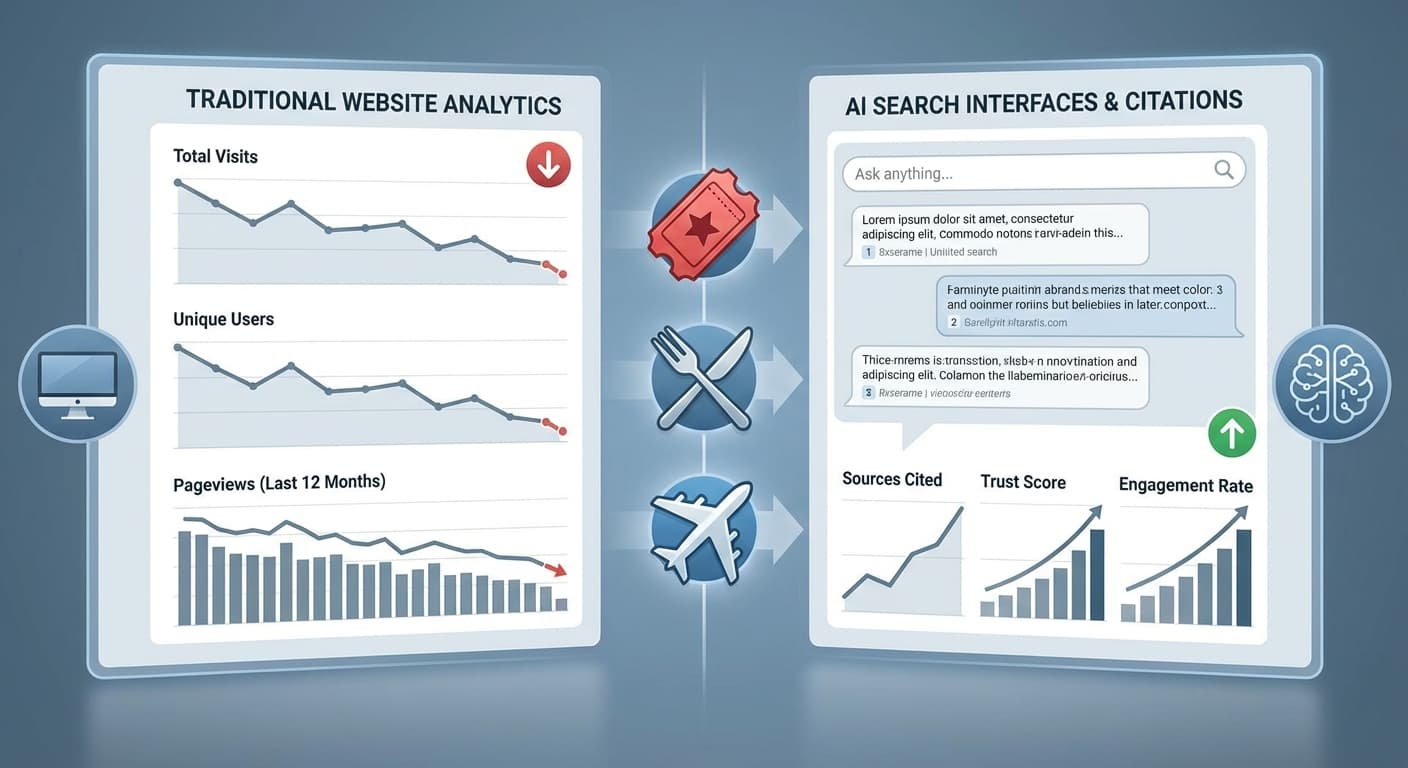
Did you know that the average query length on AI search engines like Perplexity and ChatGPT is now 23 words compared to just 7.8 words on Google? This fundamental shift means that 73% of AI search users are asking complete questions rather than typing fragmented keywords, fundamentally changing how content creators need to approach optimization.
The Evolution of Search Query Complexity
As we move deeper into 2026, AI search engines have transformed how people seek information. Unlike traditional search engines that relied on keyword matching, AI platforms encourage users to ask detailed, conversational questions. This has led to several key changes:
Question-based queries: 68% of AI search queries now begin with "how," "why," "what," or "when"Multi-layered intent: Users combine multiple information needs in single queriesContextual assumptions: Queries often include background context or constraintsConversational follow-ups: 45% of AI search sessions involve multiple related questionsWhy Complex Queries Matter for Content Creators
When someone asks Perplexity "How can I optimize my e-commerce product descriptions for better conversion rates while maintaining SEO value and ensuring they work well with voice search technologies?" they're expressing multiple intents:
Learning about conversion optimizationUnderstanding SEO implicationsConsidering voice search compatibilitySeeking actionable strategiesTraditional SEO would break this into separate keyword targets. AI search optimization requires addressing the complete query intent within cohesive content.
Understanding Multi-Intent Query Patterns
Complex queries typically fall into several patterns that content creators should recognize:
Comparative Analysis Queries
Users often ask AI engines to compare multiple options or approaches:
"What are the differences between content marketing strategies for B2B versus B2C companies, and which metrics should I track for each?""How do email marketing automation tools compare in terms of deliverability, pricing, and integration capabilities?"Problem-Solution-Implementation Queries
These queries seek complete workflows:
"I'm struggling with low email open rates despite having a clean list - what could be causing this and how do I fix it step by step?""My website traffic dropped 40% after the latest algorithm update - how do I diagnose the issue and create a recovery plan?"Contextual Constraint Queries
Users provide specific limitations or requirements:
"How can I create engaging social media content for a law firm while staying compliant with advertising regulations and maintaining professional credibility?""What's the best way to launch a content marketing campaign with a limited budget of $5,000 per month for a SaaS startup?"Strategies for Optimizing Complex Query Intent
1. Adopt Comprehensive Content Architecture
Structure your content to address multiple related intents within a single piece:
Start with Intent Mapping
Identify the primary question your content answersList 3-5 related questions users might haveMap how these questions connect logicallyCreate content sections that flow naturally between intentsUse Hierarchical Headings
H2 headings for major intent categoriesH3 headings for specific sub-questionsH4 headings for implementation details or examples2. Implement Conversational Content Patterns
AI search engines favor content that mirrors natural conversation:
Question-Answer Pairs
Embed natural Q&A patterns throughout your content:
"You might be wondering: Does this approach work for small businesses?""A common follow-up question is: How long does implementation typically take?"Anticipatory Responses
Address logical next questions before users ask them:
"Now that you understand the strategy, let's talk about common pitfalls...""Before implementing this, consider these three prerequisites..."3. Create Contextual Content Clusters
Develop interconnected content that supports complex query resolution:
Hub and Spoke Model
Create comprehensive hub pages for broad topicsDevelop detailed spoke content for specific aspectsLink contextually between related piecesUse consistent terminology and examples across the clusterProgressive Disclosure
Start with high-level conceptsGradually introduce complexityProvide clear pathways to deeper informationInclude implementation timelines and difficulty levels4. Optimize for Semantic Relationships
AI engines excel at understanding concept relationships:
Entity-Focused Writing
Clearly define key concepts and entitiesExplain relationships between different elementsUse consistent terminology throughoutInclude relevant synonyms and related terms naturallyContextual Examples
Provide multiple examples for each conceptShow how principles apply across different scenariosInclude both successful and unsuccessful implementationsConnect examples back to the main query intentAdvanced Techniques for Complex Query Optimization
Scenario-Based Content Development
Create content that addresses specific user scenarios:
"If-Then" Structures
"If you're in the B2B space, focus on LinkedIn and industry publications""If budget is tight, prioritize organic social media and email marketing""If you're targeting Gen Z, consider TikTok and Instagram Reels"Use Case Matrices
Develop comparison tables that help users navigate complex decisions:
Tool comparisons with specific use casesStrategy matrices based on company size, industry, or budgetTimeline-based implementation guidesConversational Transition Techniques
Improve content flow for AI comprehension:
Bridging Phrases
"Building on this concept...""This connects directly to...""Taking this a step further...""On the flip side..."Contextual Callbacks
Reference earlier points when introducing new conceptsSummarize key takeaways before transitionsConnect conclusions back to the original queryMeasuring Complex Query Performance
Track how well your content serves complex intents:
AI Search Metrics
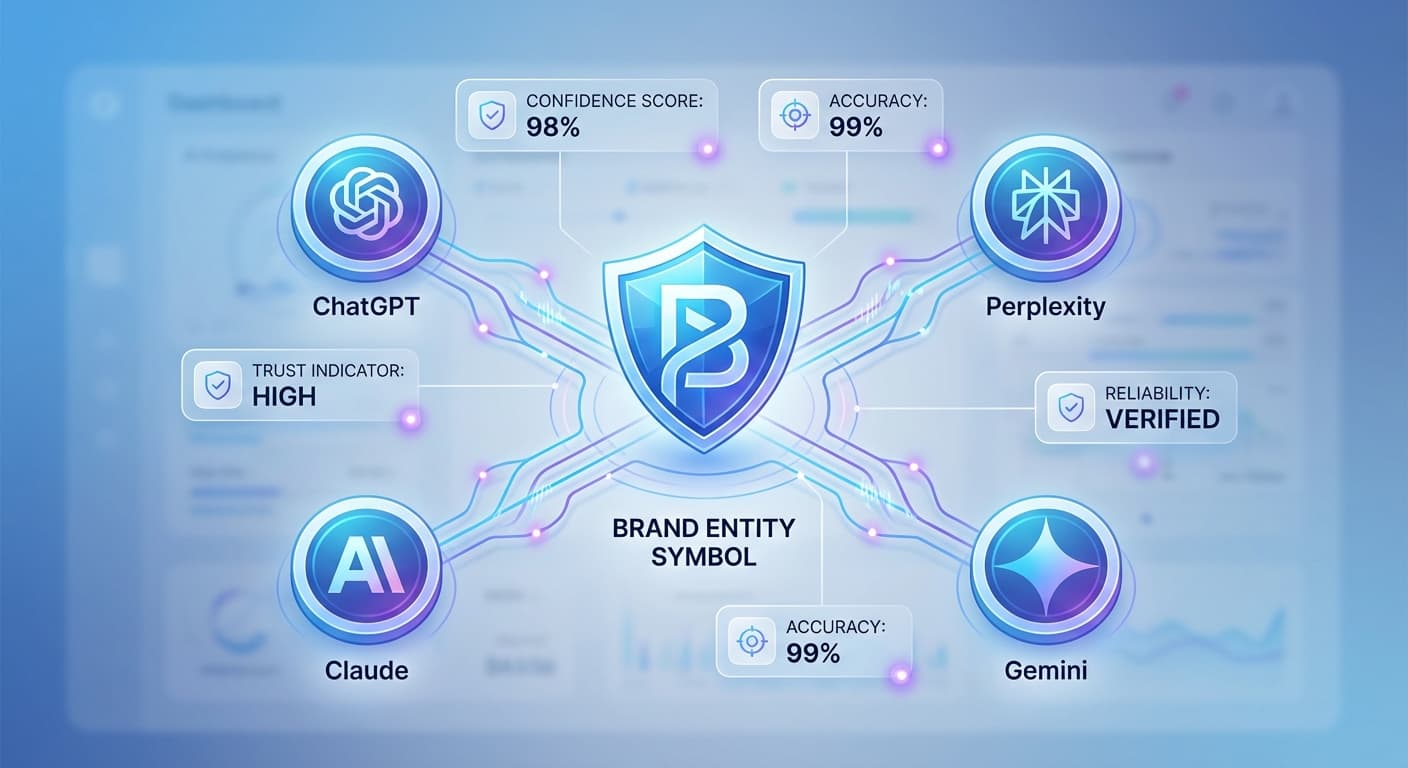
Citation frequency: How often AI engines reference your contentQuery diversity: Range of complex questions your content answersConversation continuation: Whether users ask follow-up questionsCross-platform consistency: Performance across different AI enginesTools like Citescope Ai help track these metrics by monitoring when your content gets cited across ChatGPT, Perplexity, Claude, and Gemini, giving you insight into which complex queries your content successfully addresses.
Traditional SEO Correlation
Monitor how AI optimization affects traditional metrics:
Organic traffic quality: Are visitors more engaged?Time on page: Does comprehensive content increase dwell time?Conversion rates: Do users from complex queries convert better?Internal link performance: Are users exploring related content?Common Pitfalls in Complex Query Optimization
Over-Optimization Trap
Don't stuff content with every possible related queryFocus on natural, logical connectionsMaintain readability while being comprehensivePrioritize user value over search engine preferencesShallow Coverage Mistake
Complex queries require depth, not just breadthProvide actionable detail for each intent addressedInclude real examples and case studiesOffer specific next steps for implementationIgnoring Query Evolution
Complex queries evolve as users learn moreUpdate content based on follow-up questionsMonitor how queries change over timeAdapt content structure based on user feedbackHow Citescope Ai Helps Optimize for Complex Query Intent
Optimizing for complex queries requires understanding how AI engines interpret and structure information. Citescope Ai's GEO Score analyzes your content across five critical dimensions:
AI Interpretability: How well AI engines understand your content structureSemantic Richness: Whether your content addresses related concepts comprehensivelyConversational Relevance: How naturally your content answers complex questionsStructure: Whether your content flows logically for AI processingAuthority: How credible and comprehensive your coverage appearsThe platform's AI Rewriter can restructure existing content to better address complex query patterns, while the Citation Tracker shows you which complex questions your content successfully answers across different AI search engines.
Future-Proofing Your Complex Query Strategy
As AI search continues evolving, consider these emerging trends:
Multi-modal queries: Combining text, image, and voice inputsContextual memory: AI engines remembering previous conversationsReal-time data integration: Queries requiring current informationPersonalized complexity: Tailoring complexity to user expertise levelsReady to Optimize for AI Search?
The shift toward complex, conversational queries represents the biggest change in search behavior since mobile adoption. Content creators who master complex query optimization now will build sustainable competitive advantages as AI search continues growing. Citescope Ai provides the tools and insights needed to understand, optimize for, and track success with complex AI search queries. Start with our free tier to analyze your first three pieces of content and see how well they address the complete query intent your audience is expressing.