How to Optimize for Blended SERPs When Google's AI Modules Appear Unpredictably Across Queries and Devices
How to Optimize for Blended SERPs When Google's AI Modules Appear Unpredictably Across Queries and Devices
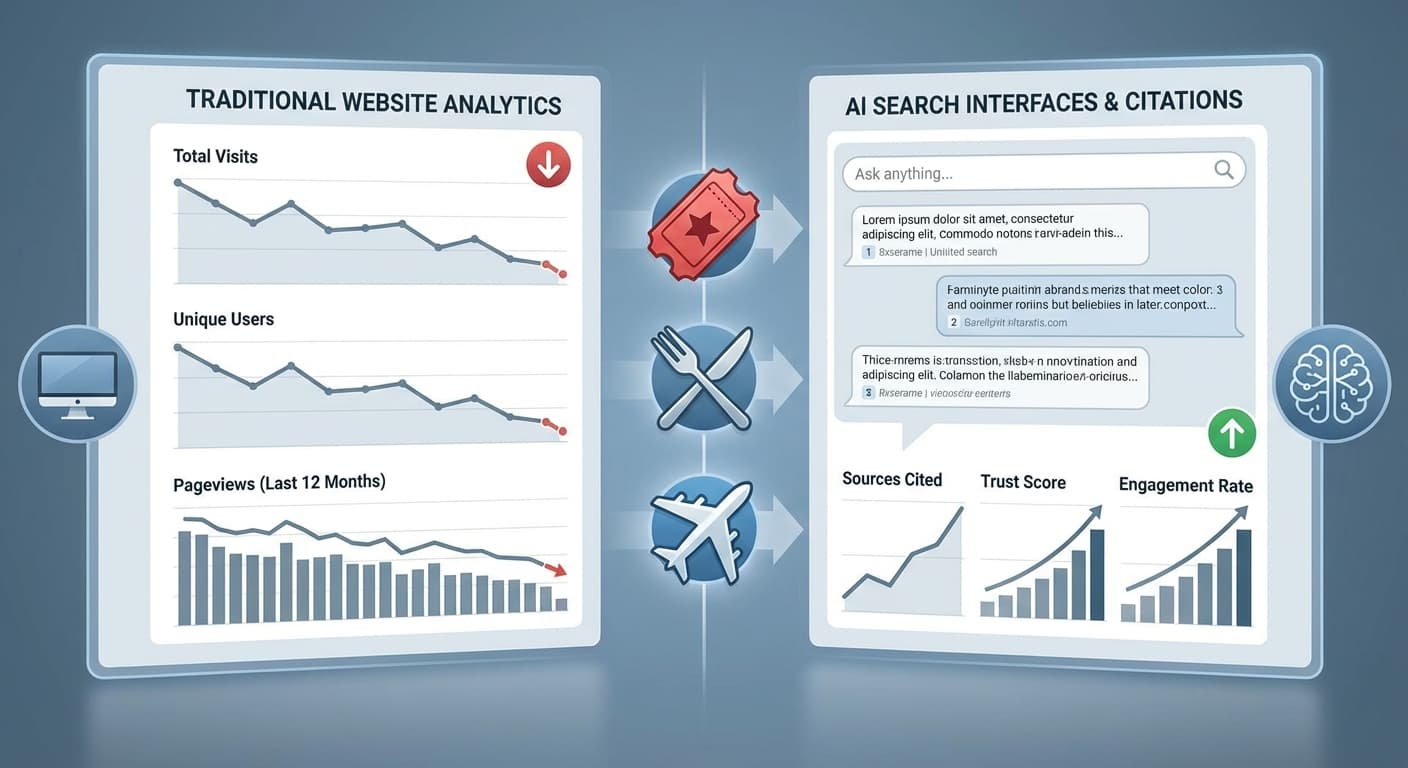
By 2026, Google's Search Generative Experience (SGE) has fundamentally transformed how we think about search engine optimization. With AI modules appearing in over 40% of search queries—but showing up inconsistently across different devices, locations, and even identical searches performed minutes apart—content creators face an unprecedented challenge: how do you optimize for search results you can't predict?
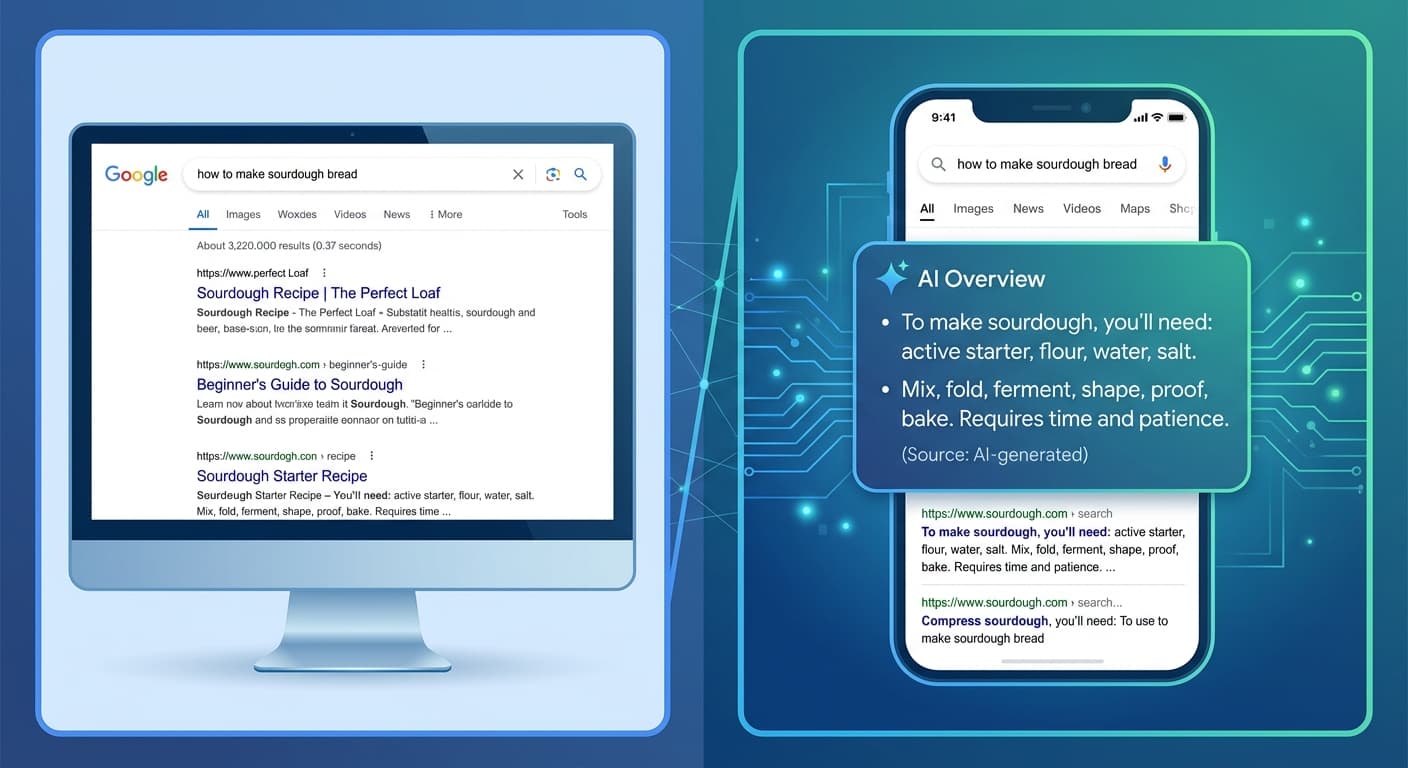
The traditional SEO playbook assumed consistency. You could research SERPs, identify patterns, and optimize accordingly. But in today's blended search environment, where AI overviews appear sporadically alongside traditional results, that certainty has evaporated. A query might trigger an AI module on desktop but show only traditional results on mobile, or display different AI-generated responses for the same search term based on user location.
Understanding the New SERP Landscape
Google's blended SERPs in 2026 represent a complex ecosystem where multiple result types compete for attention:
The challenge isn't just that these elements appear—it's that their appearance is maddeningly inconsistent. Research from Search Engine Land shows that the same query can produce 15 different SERP configurations across various devices and user contexts.
Why Google's AI Modules Are So Unpredictable
Device-Specific Variations
Google serves different SERP layouts based on screen real estate and user behavior patterns. AI modules that work well on desktop might be deemed too space-consuming for mobile users. Current data shows:
User Intent Algorithms
Google's machine learning systems continuously analyze user behavior to determine when AI modules provide value. If users consistently skip AI overviews for certain query types, the algorithm learns to suppress them. This creates a feedback loop where SERP features appear based on collective user preferences rather than fixed rules.
Geographic and Temporal Factors
AI module appearance varies by:
Strategic Content Optimization for Unpredictable SERPs
1. Create Multi-Format Content Assets
Instead of optimizing for a single SERP scenario, develop content that performs well across multiple formats:
Comprehensive Long-Form Content
Snippet-Optimized Sections
Conversational Content Blocks
2. Implement Semantic SEO Strategies
With AI systems increasingly powering search results, semantic understanding becomes crucial:
3. Diversify Your SERP Presence
Don't rely on a single path to visibility:
Traditional SEO Foundations
AI-Optimized Elements
Multi-Channel Approach
4. Monitor and Adapt Continuously
With inconsistent SERP features, monitoring becomes more critical than ever:
Citescope Ai's Citation Tracker helps solve this monitoring challenge by alerting you whenever your content gets cited in AI-generated responses across ChatGPT, Perplexity, Claude, and Gemini—giving you insights into AI visibility that traditional SEO tools miss.
Tactical Implementation Steps
Week 1: Audit Your Current Performance
Week 2: Optimize Existing Content
Week 3: Develop New Content Formats
Week 4: Implement Monitoring Systems
Measuring Success in an Unpredictable Environment
Traditional SEO metrics need updating for the blended SERP era:
New Metrics to Track:
Updated KPIs:
How Citescope Ai Helps Navigate SERP Uncertainty
While Google's inconsistent AI module deployment makes optimization challenging, Citescope Ai provides the tools and insights needed to succeed:
GEO Score Analysis: Our proprietary scoring system evaluates your content across five critical dimensions—AI Interpretability, Semantic Richness, Conversational Relevance, Structure, and Authority—giving you a clear 0-100 score that predicts AI search performance regardless of SERP configuration.
AI Rewriter Tool: With one click, restructure your existing content to perform better across all SERP scenarios. Our AI optimization considers both traditional SEO factors and the conversational, context-rich format that AI systems prefer.
Cross-Platform Citation Tracking: Monitor your content's appearance in AI-generated responses across ChatGPT, Perplexity, Claude, and Gemini. This gives you insights into AI visibility that complement traditional Google Analytics data.
Multi-Format Export: Download your optimized content as Markdown, HTML, or WordPress blocks, making it easy to implement across your entire content ecosystem.
Future-Proofing Your Content Strategy
As AI continues to reshape search, the most successful content strategies will be those that embrace flexibility and multi-format optimization. Rather than trying to predict exactly when and where AI modules will appear, focus on creating content that performs well across all possible scenarios.
The key is building content that serves both human readers and AI systems effectively. This means prioritizing clarity, comprehensive coverage, and semantic richness while maintaining the engaging, valuable content that users expect.
Ready to Optimize for AI Search?
Don't let Google's unpredictable AI modules derail your content strategy. Citescope Ai gives you the tools to optimize for both traditional search and AI-powered results, ensuring your content performs well regardless of which SERP configuration appears. Start with our free tier and optimize up to 3 pieces of content per month, or upgrade to Pro for unlimited optimizations and comprehensive citation tracking. Try Citescope Ai today and turn SERP uncertainty into competitive advantage.