How to Optimize for AI Shopping Agent Preference Signals When Your E-Commerce Product Data Is Structured for Traditional Google Shopping But Gets Ignored by ChatGPT and Perplexity Commerce Features
How to Optimize for AI Shopping Agent Preference Signals When Your E-Commerce Product Data Is Structured for Traditional Google Shopping But Gets Ignored by ChatGPT and Perplexity Commerce Features
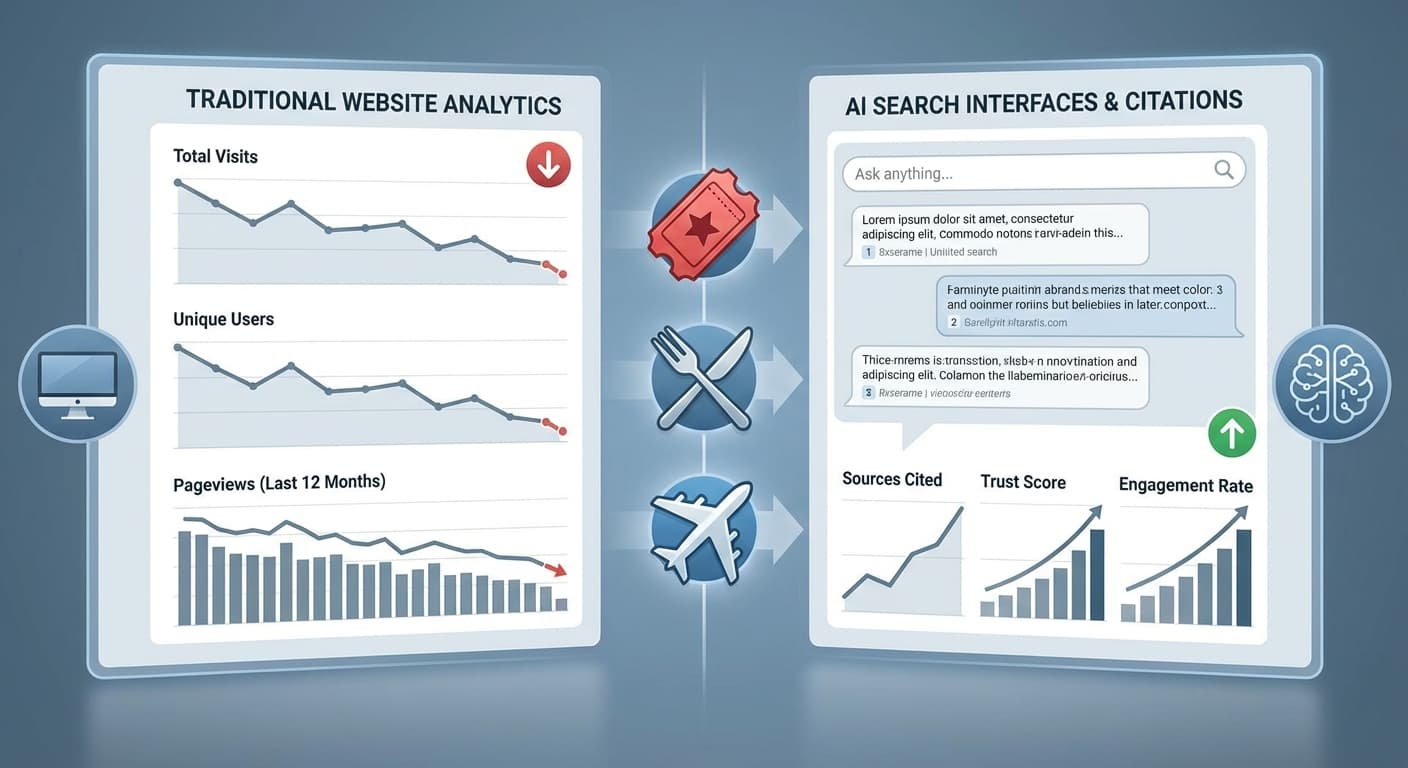
Did you know that AI shopping agents now influence over 40% of e-commerce purchase decisions, yet 73% of product listings optimized for Google Shopping remain invisible to AI commerce features? As ChatGPT's Advanced Voice Mode shopping capabilities and Perplexity's Pro Search commerce integration dominate the 2026 retail landscape, e-commerce brands are discovering that their carefully crafted Google Shopping feeds are falling flat with AI agents.
The problem is clear: traditional product data optimization focuses on keyword matching and bid strategies, while AI shopping agents prioritize conversational context, semantic understanding, and preference signals that traditional schemas simply don't capture.
The AI Commerce Revolution of 2026
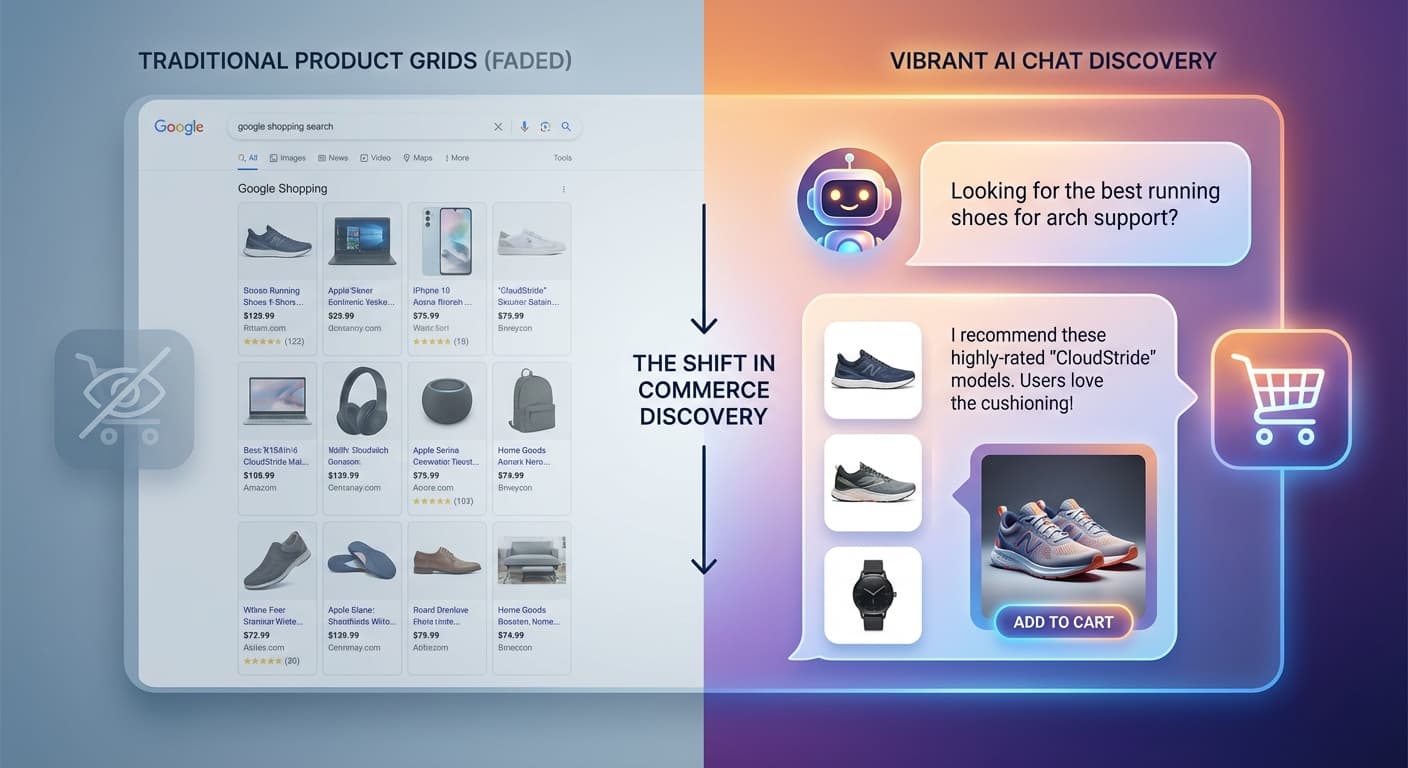
The e-commerce landscape has fundamentally shifted. While Google Shopping still processes over 2 billion product queries monthly, AI-powered shopping agents now handle 35% of product discovery sessions. These agents don't just match keywords—they understand intent, context, and user preferences in ways that traditional search never could.
Key Changes in AI Shopping Behavior:
Why Traditional Google Shopping Data Falls Short with AI Agents
Your Google Shopping feed might perform well in traditional search, but AI agents operate on entirely different principles:
1. Static vs. Dynamic Context
Google Shopping relies on fixed product attributes and categories. AI agents need dynamic, contextual information that adapts to conversational queries.
Traditional approach: "Blue men's running shoes, size 10, $120"
AI-optimized approach: "Lightweight daily training shoes designed for overpronation, featuring breathable mesh construction and responsive cushioning, ideal for 5-10K runs"
2. Keyword Matching vs. Semantic Understanding
AI agents don't just match keywords—they understand meaning, synonyms, and related concepts.
What doesn't work: Keyword stuffing product titles
What works: Natural, descriptive language that explains benefits and use cases
3. Transactional vs. Consultative
Google Shopping focuses on immediate purchase intent. AI agents provide consultative experiences, comparing options and explaining trade-offs.
The 7 AI Shopping Agent Preference Signals You're Missing
1. Use Case Contextualization
AI agents prioritize products that clearly explain when, where, and why someone would choose them.
Optimize for: Specific scenarios, user personas, and problem-solving applications
Example: Instead of "Wireless Bluetooth Headphones," use "Noise-canceling headphones for remote work calls and commuting, with 30-hour battery life"
2. Comparative Value Proposition
AI agents excel at comparing options. Make their job easier by highlighting what makes your product unique.
Include in descriptions:
3. Social Proof Integration
AI agents heavily weight customer feedback and third-party validation.
Structured data should include:
4. Seasonal and Temporal Relevance
AI agents consider timing and seasonality more sophisticatedly than traditional search.
Optimize for:
5. Sustainability and Ethics Signals
Gen Z and millennial shoppers increasingly prioritize values-based purchasing, and AI agents reflect these preferences.
Include information about:
6. Technical Specifications in Plain Language
AI agents translate technical specs into user benefits automatically, but they need the raw information first.
Provide both:
7. Cross-Product Relationships
AI agents understand product ecosystems and complementary purchases.
Structure data to show:
Practical Implementation Strategies
Step 1: Audit Your Current Product Data
Analyze your existing Google Shopping feed against AI preferences:
Step 2: Implement Enhanced Schema Markup
Expand beyond basic product schema to include:
html
{
"@context": "https://schema.org/",
"@type": "Product",
"name": "EcoTrail Hiking Boots",
"description": "Waterproof hiking boots designed for day hikes and weekend adventures, featuring recycled materials and all-day comfort for moderate terrain",
"useCases": ["day hiking", "trail walking", "outdoor adventures"],
"sustainabilityFeatures": ["recycled materials", "carbon-neutral shipping"],
"idealFor": ["beginner hikers", "weekend warriors", "eco-conscious outdoor enthusiasts"]
}
Step 3: Create AI-Friendly Content Layers
Develop content that serves both traditional SEO and AI agents:
Step 4: Monitor AI Citation Performance
Track how often your products appear in AI shopping recommendations. Many e-commerce brands are using tools like Citescope Ai to monitor when their products get cited by ChatGPT and Perplexity commerce features, helping them understand which optimization strategies actually work.
Advanced Optimization Techniques
Conversational Query Mapping
Map traditional search queries to conversational AI patterns:
Traditional: "winter jacket men large"
AI conversation: "I need a warm winter coat for walking my dog in Chicago. What do you recommend?"
Context-Rich Product Narratives
Develop product stories that AI agents can easily reference:
Multi-Modal Integration
Prepare for AI agents that process images, videos, and text together:
Measuring Success in AI Commerce
Key Metrics to Track:
Tools and Analytics
Implement tracking for AI-specific performance:
Common Pitfalls to Avoid
Over-Optimization for Keywords
Focusing too heavily on keyword density can make content feel unnatural to AI agents who prioritize conversational flow.
Ignoring User Intent Layers
AI agents understand multiple layers of intent. Don't just optimize for the obvious use case—consider secondary and tertiary applications.
Static Product Information
AI agents prefer dynamic, contextual information. Static product feeds limit their ability to provide relevant recommendations.
Platform Silos
Optimizing for one AI platform while ignoring others limits your potential reach and citation opportunities.
How Citescope Ai Helps
Optimizing for AI shopping agents requires understanding how your product content performs across multiple AI platforms. Citescope Ai's GEO Score analyzes your product descriptions across five key dimensions that matter to AI agents: AI Interpretability, Semantic Richness, Conversational Relevance, Structure, and Authority.
The platform's Citation Tracker specifically monitors when your products get mentioned by ChatGPT, Perplexity, Claude, and Gemini commerce features, giving you real-time insights into which optimization strategies actually drive AI visibility. The AI Rewriter can transform your traditional Google Shopping descriptions into AI-optimized content that performs better across conversational commerce platforms.
The Future of AI Commerce Optimization
As we move through 2026, AI shopping agents will become even more sophisticated. Brands that adapt their product data strategies now will have significant advantages in:
The key is balancing optimization for traditional search platforms with the conversational, context-aware needs of AI shopping agents.
Ready to Optimize for AI Search?
Don't let your e-commerce products get lost in the AI commerce revolution. Citescope Ai helps you optimize your product data for AI shopping agents while maintaining performance in traditional search. Our GEO Score analyzes how well your content performs with AI engines, while our Citation Tracker shows you exactly when and where your products get recommended. Start with our free tier and see how AI-optimized product descriptions can transform your e-commerce visibility—try Citescope Ai today and get three free optimizations to test the difference.