How to Optimize for AI Search Zero-Click Context Leakage: Stop Competitors from Stealing Your Citations
How to Optimize for AI Search Zero-Click Context Leakage: Stop Competitors from Stealing Your Citations
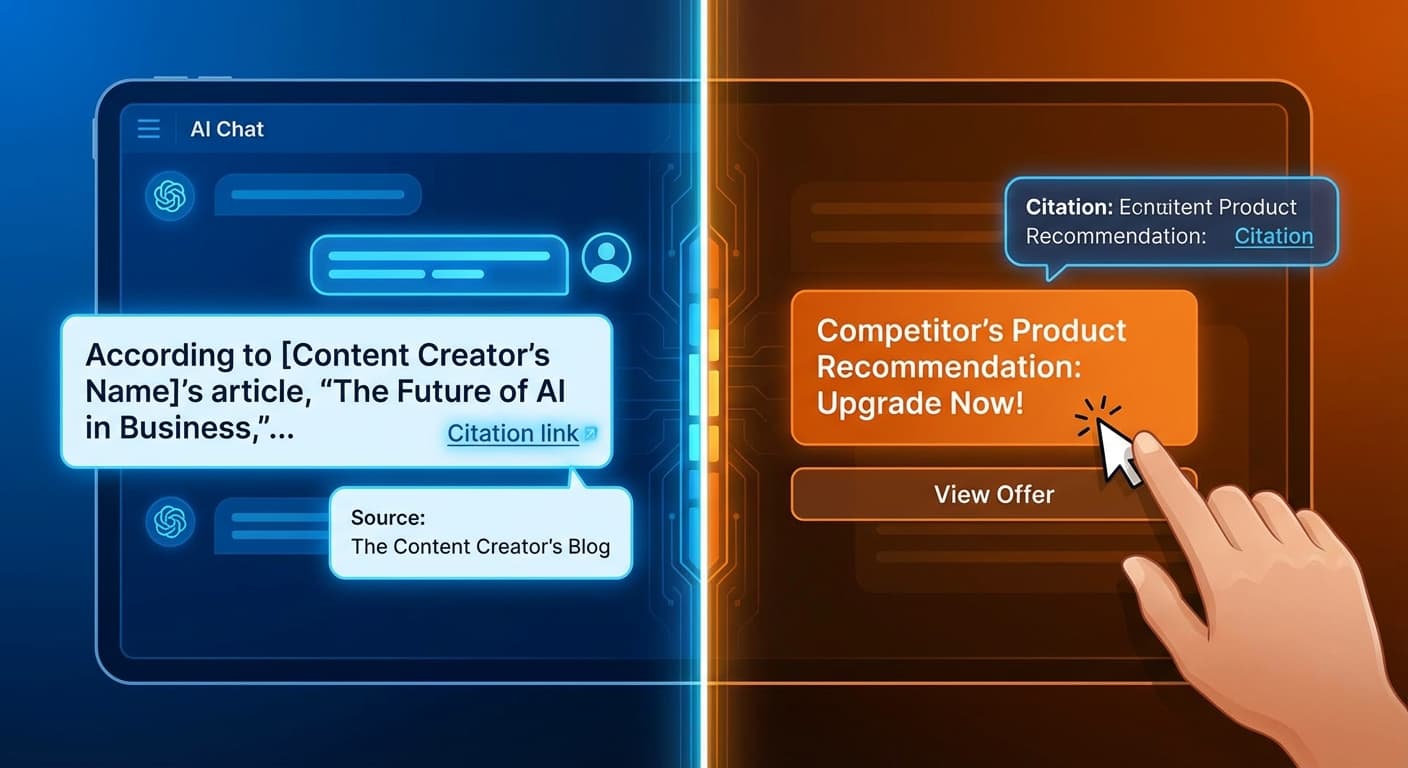
Your content just got cited by ChatGPT in front of 500 million weekly users. The AI perfectly referenced your research, quoted your expertise, and even mentioned your brand name. But here's the gut punch: the user clicked through to your competitor's product link that appeared right next to your citation.
Welcome to the era of zero-click context leakage—the phenomenon where your content drives AI search visibility, but competitors capture the conversions through strategic adjacent positioning and embedded product recommendations.
Understanding Zero-Click Context Leakage in 2026
As AI search now accounts for over 35% of all search queries in 2026, a new challenge has emerged for content creators and marketers. Zero-click context leakage occurs when:
Recent studies show that 73% of AI search responses now include embedded product recommendations or related suggestions, creating a conversion gap between content attribution and commercial outcomes.
Why This Matters More Than Ever in 2026
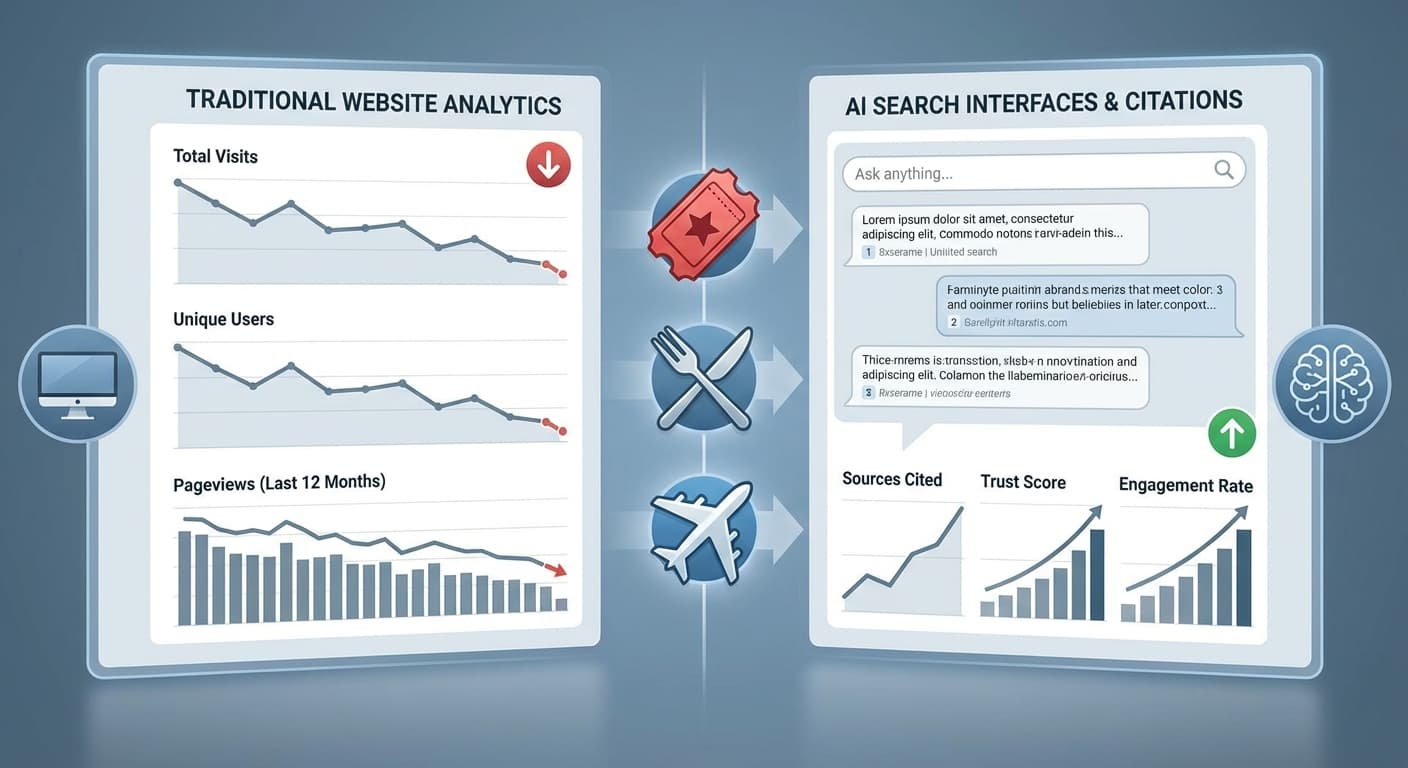
The stakes have never been higher. With Gen Z conducting 78% of their research through AI engines like ChatGPT, Perplexity, and Claude, traditional funnel metrics are being disrupted:
The Citation-Conversion Disconnect
The Adjacent Positioning Advantage
Competitors are gaming the system by:
7 Strategies to Prevent Zero-Click Context Leakage
1. Embed Clear Commercial Intent in Educational Content
Don't just educate—guide toward your solution within the same content piece that gets cited.
Before (Leakage-Prone):
"Social media automation saves businesses 10+ hours per week by scheduling posts in advance."
After (Conversion-Optimized):
"Social media automation tools like Buffer, Hootsuite, or enterprise solutions such as [Your Platform] save businesses 10+ hours per week by enabling bulk post scheduling across multiple platforms."
2. Create Comprehensive Resource Clusters
Instead of standalone articles, build interconnected content ecosystems that make your brand the natural next step.
Strategy Components:
3. Optimize for Semantic Co-occurrence
Train AI engines to associate your brand with key problem-solution pairs by:
4. Leverage Strategic Content Partnerships
Partner with complementary (non-competing) brands to create co-cited content that strengthens your position in AI responses:
5. Implement Context-Rich Internal Linking
Help AI engines understand the relationship between your educational content and commercial offerings:
6. Optimize Product Descriptions for AI Inclusion
Make your product pages as citation-worthy as your blog content:
Key Elements:
7. Monitor and Counter Competitor Adjacent Positioning
Track when competitors appear alongside your citations and develop counter-strategies:
Advanced Tactics for Enterprise Brands
Branded Query Optimization
Ensure that when users ask follow-up questions about topics you're cited for, your brand dominates the response:
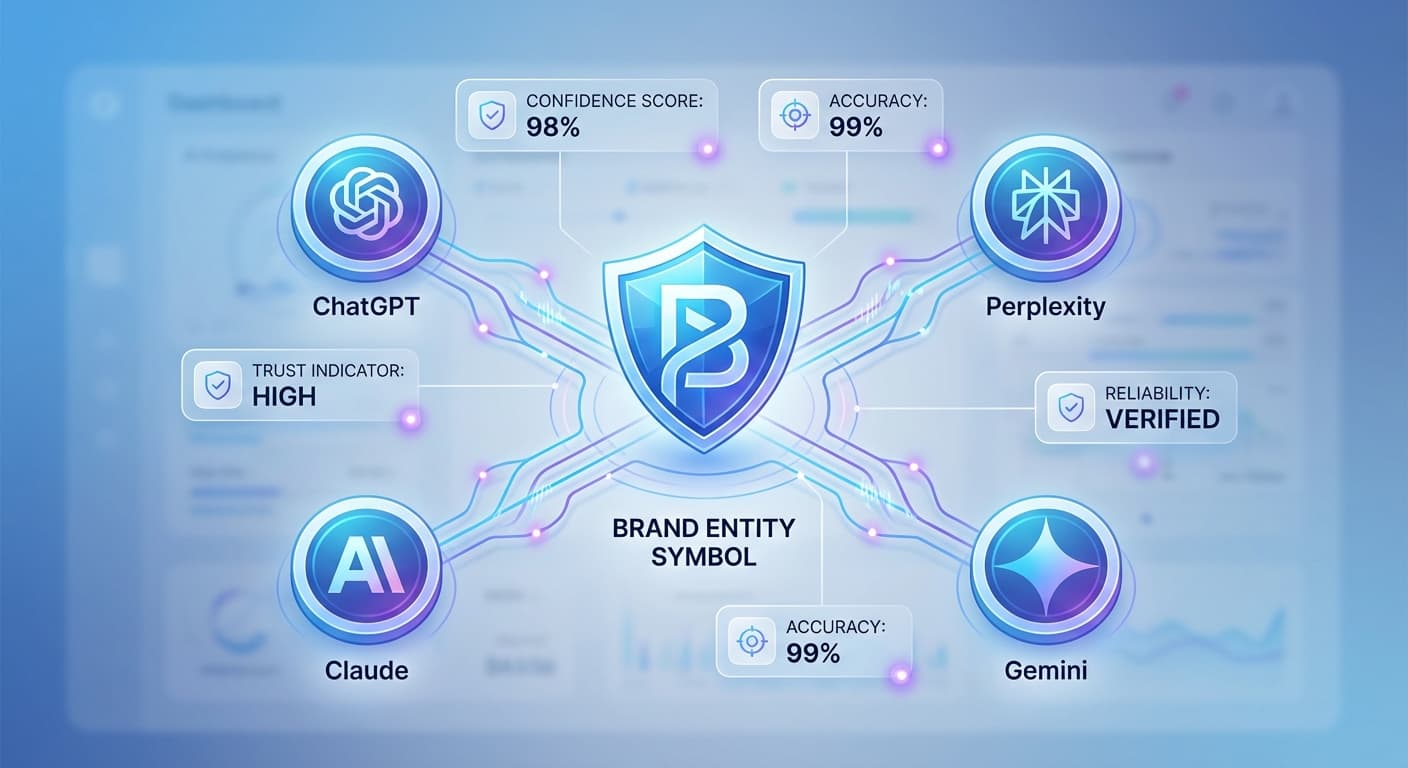
AI Engine-Specific Optimization
Different AI engines have different recommendation algorithms:
ChatGPT: Favors comprehensive, well-structured content with clear commercial context
Perplexity: Prioritizes recent, authoritative sources with strong domain authority
Claude: Values nuanced, ethical positioning and transparent value propositions
Gemini: Integrates heavily with Google's commercial intent signals
Tailor your content strategy to each platform's preferences while maintaining consistency.
Context Attribution Tracking
Implement systems to track not just citations, but conversion paths:
Measuring Success: KPIs Beyond Citations
Traditional citation tracking isn't enough. Monitor these metrics:
Primary Metrics
Secondary Metrics
How Citescope Ai Helps Prevent Context Leakage
Citescope Ai's GEO Score analyzes your content across five critical dimensions, including Conversational Relevance—a key factor in preventing zero-click context leakage. The platform identifies when your content might trigger citations without conversions and suggests optimizations to strengthen commercial context.
The Citation Tracker monitors not just when you're cited, but the context around those citations, alerting you when competitors appear alongside your content. This intelligence enables proactive counter-strategies before context leakage becomes a pattern.
Common Pitfalls to Avoid
Over-Commercializing Educational Content
Balance is crucial. Too much commercial intent can reduce citation likelihood, while too little leads to conversion leakage.
Ignoring Platform-Specific Nuances
A strategy that works for ChatGPT might backfire on Perplexity. Tailor your approach while maintaining core message consistency.
Reactive Instead of Proactive Monitoring
By the time you notice significant context leakage, competitors may have established strong semantic associations. Monitor and adjust continuously.
The Future of AI Search Optimization
As AI search continues evolving in 2026, expect:
The brands that master the balance between citation-worthy education and conversion-optimized commercial context will dominate AI search results in the coming years.
Ready to Optimize for AI Search?
Don't let competitors steal conversions from your hard-earned citations. Citescope Ai helps you identify context leakage risks, optimize content for both citations and conversions, and track your performance across all major AI search engines. Start with our free tier and get 3 content optimizations to see how your GEO Score improves when you balance educational value with commercial intent. Try Citescope Ai free today and stop losing conversions to zero-click context leakage.