How to Optimize for AI Search When Your Internal Data Silos and Organizational Dysfunction Kill Performance Before External Competition Does
How to Optimize for AI Search When Your Internal Data Silos and Organizational Dysfunction Kill Performance Before External Competition Does
Here's a sobering truth: 73% of enterprise content never gets discovered by AI search engines like ChatGPT and Perplexity—not because of poor SEO, but because of internal organizational chaos that fragments knowledge before it ever reaches the web.
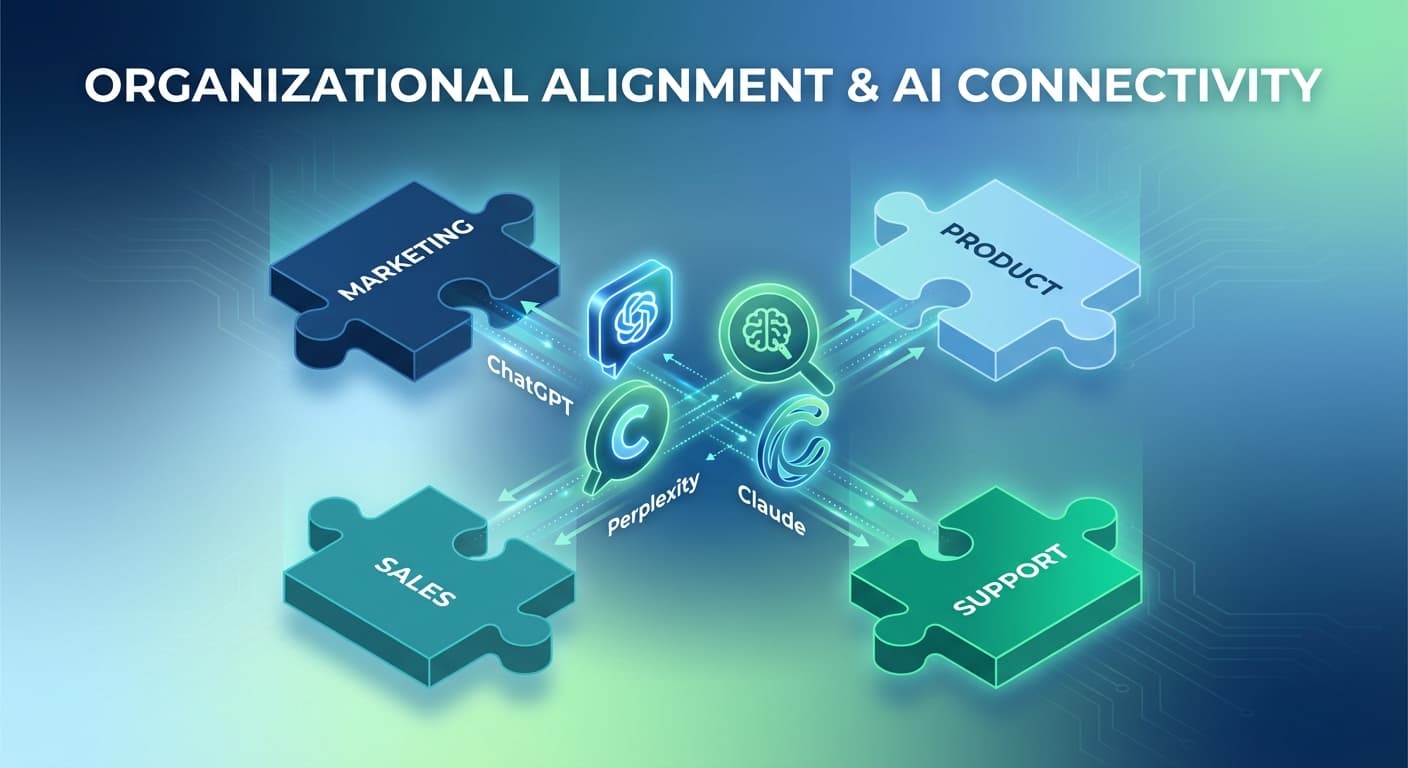
While your competitors battle it out in the external arena of AI search optimization, your biggest enemy might be sitting right inside your organization: data silos, disconnected teams, and content that's buried in departmental black holes.
The Hidden Enemy: Internal Dysfunction in the AI Search Era
In 2026, AI search engines process over 2 billion queries daily, with ChatGPT alone serving 500+ million weekly users. These AI systems are incredibly sophisticated at understanding context and connections—but they can only work with what's accessible and coherent.
Here's what's happening inside dysfunctional organizations:
The Silo Effect on AI Visibility
The result? Your organization produces 5x more content than competitors but gets cited 60% less frequently by AI engines because none of it connects into a coherent narrative.
Why Data Silos Are Particularly Deadly for AI Search
AI search engines like Claude and Gemini excel at understanding relationships between pieces of information. When your content exists in isolation, you're essentially fighting with one hand tied behind your back.
The AI Context Problem
Modern AI engines evaluate content based on:
Real-World Impact: The Enterprise Content Graveyard
Consider this typical scenario: A B2B software company has:
When someone asks ChatGPT "What's the best solution for X problem?", the AI can't piece together this fragmented story. Result: Zero citations despite having superior information.
Breaking Down Silos for AI Search Success
1. Create Cross-Functional Content Councils
Establish monthly meetings where marketing, product, sales, and customer success review:
2. Implement Unified Content Tagging
Develop a taxonomy that works across departments:
3. Build Content Connection Maps
Create visual maps showing how different pieces of content should reference each other:
4. Establish Single Sources of Truth
For each major topic your company covers:
The AI-First Content Architecture
Hub and Spoke Model
Organize content around central "hub" pages that:
Example Architecture:
Hub: "Complete Guide to Customer Onboarding"
Cross-Pollination Strategies
Measuring Success: KPIs for Unified Content Strategy
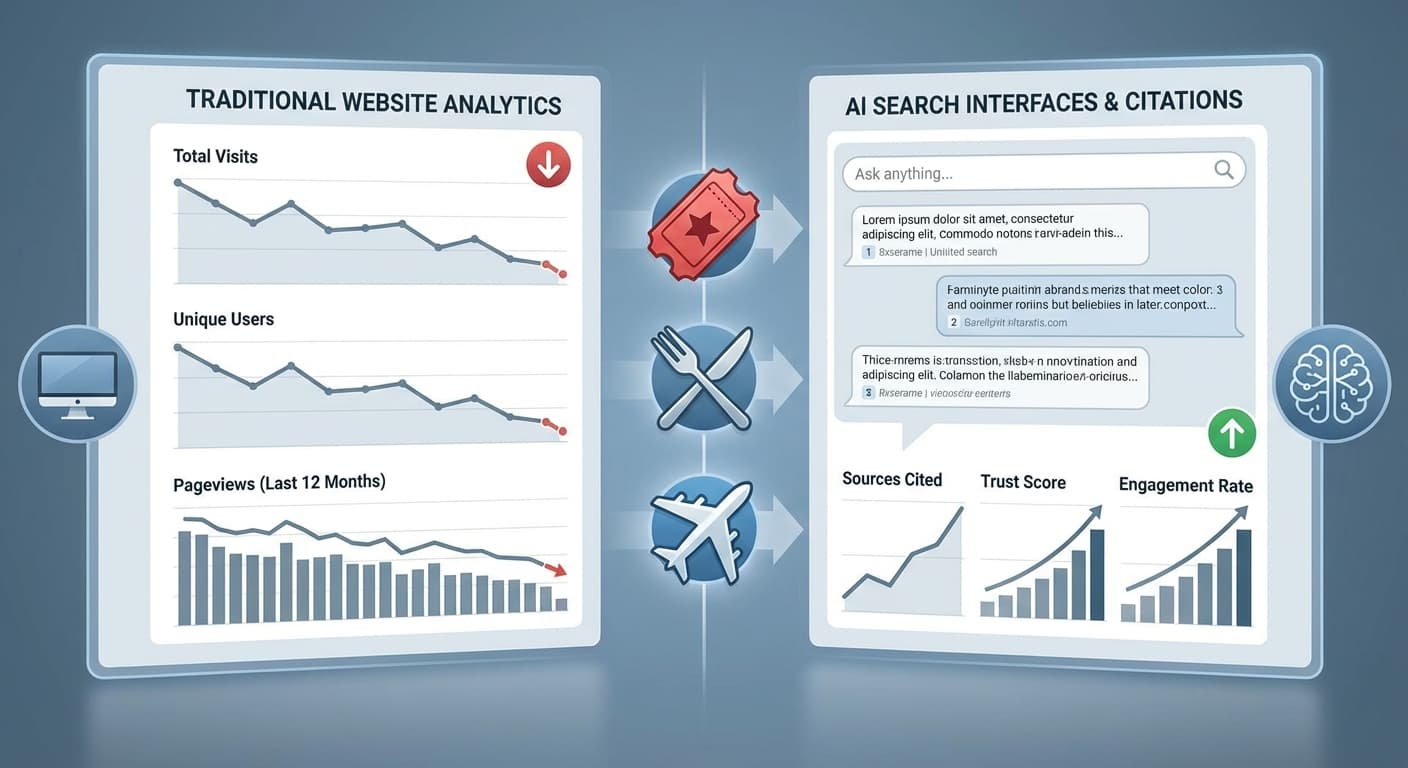
Traditional Metrics Miss the Point
Most organizations track:
AI-Era Success Metrics
Instead, focus on:
The Compound Effect
When you break down silos effectively:
Technology Solutions for Organizational Alignment
Content Management Integration
Communication Workflows
Implement systems where:
Common Pitfalls and How to Avoid Them
Pitfall 1: Token Cross-Department Meetings
Wrong approach: Monthly meetings where departments just report what they've published
Right approach: Collaborative content planning where each department contributes to unified narratives
Pitfall 2: Generic Content Connections
Wrong approach: Adding random internal links to hit quotas
Right approach: Strategic connections that genuinely enhance user understanding and AI comprehension
Pitfall 3: Departmental Content Ownership
Wrong approach: Marketing "owns" blog content, Product "owns" documentation
Right approach: Shared ownership of content outcomes with clear accountability structures
How Citescope Ai Helps Break Down Content Silos
While organizational change is crucial, having the right tools accelerates the process significantly. Citescope Ai addresses the technical side of unified content optimization:
The platform's semantic analysis can identify content gaps where departmental knowledge could strengthen your overall AI search presence.
The Future of Internal Content Collaboration
Emerging Trends
Preparing for What's Next
Organizations that solve internal dysfunction now will have a massive advantage as AI search becomes even more sophisticated. The companies winning in 2027 won't be those with the biggest content budgets—they'll be those with the most coherent, interconnected content ecosystems.
Action Plan: 30 Days to Better Internal Content Alignment
Week 1: Assessment
Week 2: Strategy
Week 3: Implementation
Week 4: Optimization
Ready to Optimize for AI Search?
Breaking down internal silos is just the first step. Once your content is organizationally aligned, you need tools that can optimize it for AI search engines and track your citation performance.
Citescope Ai helps content teams identify optimization opportunities across their entire content network, not just individual pieces. Start with our free tier to analyze 3 pieces of content monthly, or upgrade to Pro for unlimited optimization and comprehensive citation tracking.
[Start optimizing your content network for AI search engines today →]