How to Optimize for AI Search When Your Brand Rankings Vary Wildly Across ChatGPT, Perplexity, and Google AI Overviews Despite Identical Content
How to Optimize for AI Search When Your Brand Rankings Vary Wildly Across ChatGPT, Perplexity, and Google AI Overviews Despite Identical Content
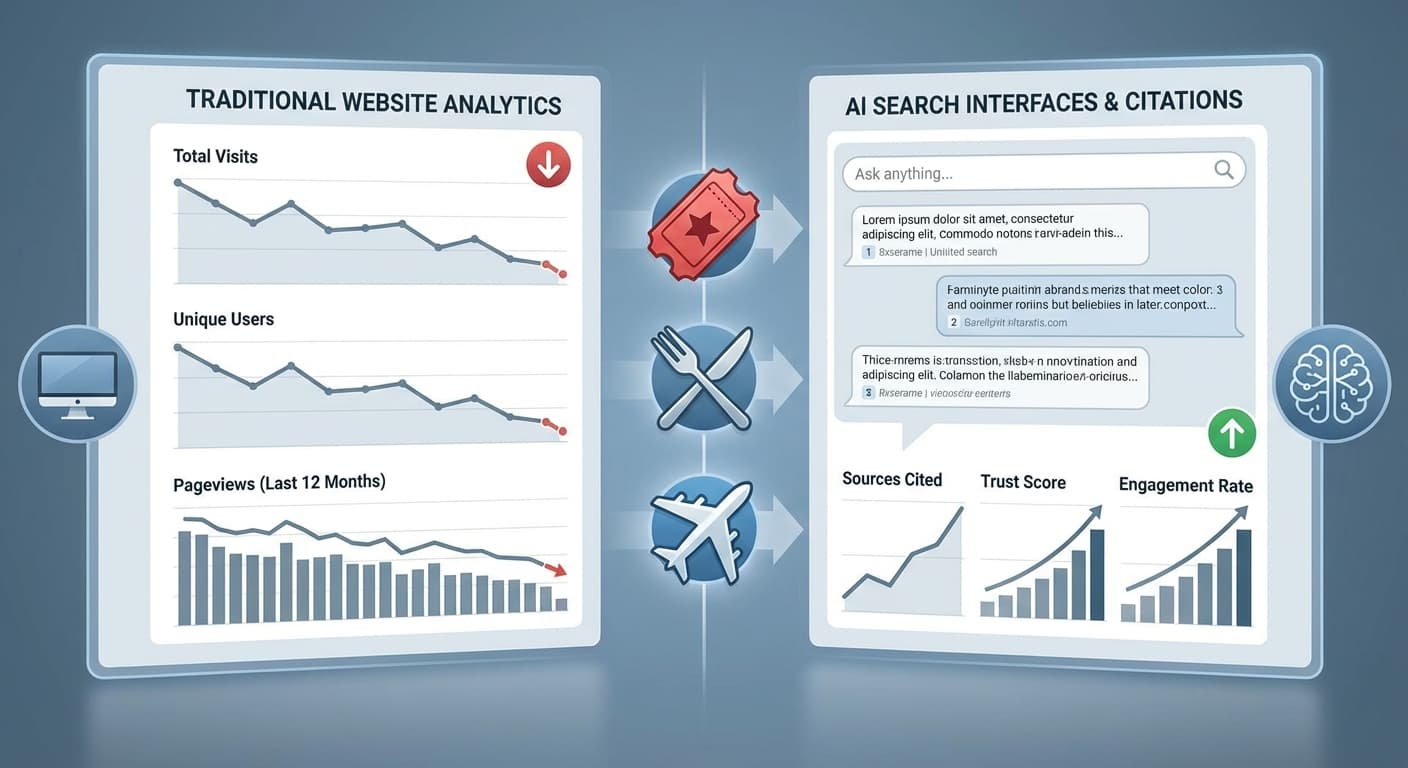
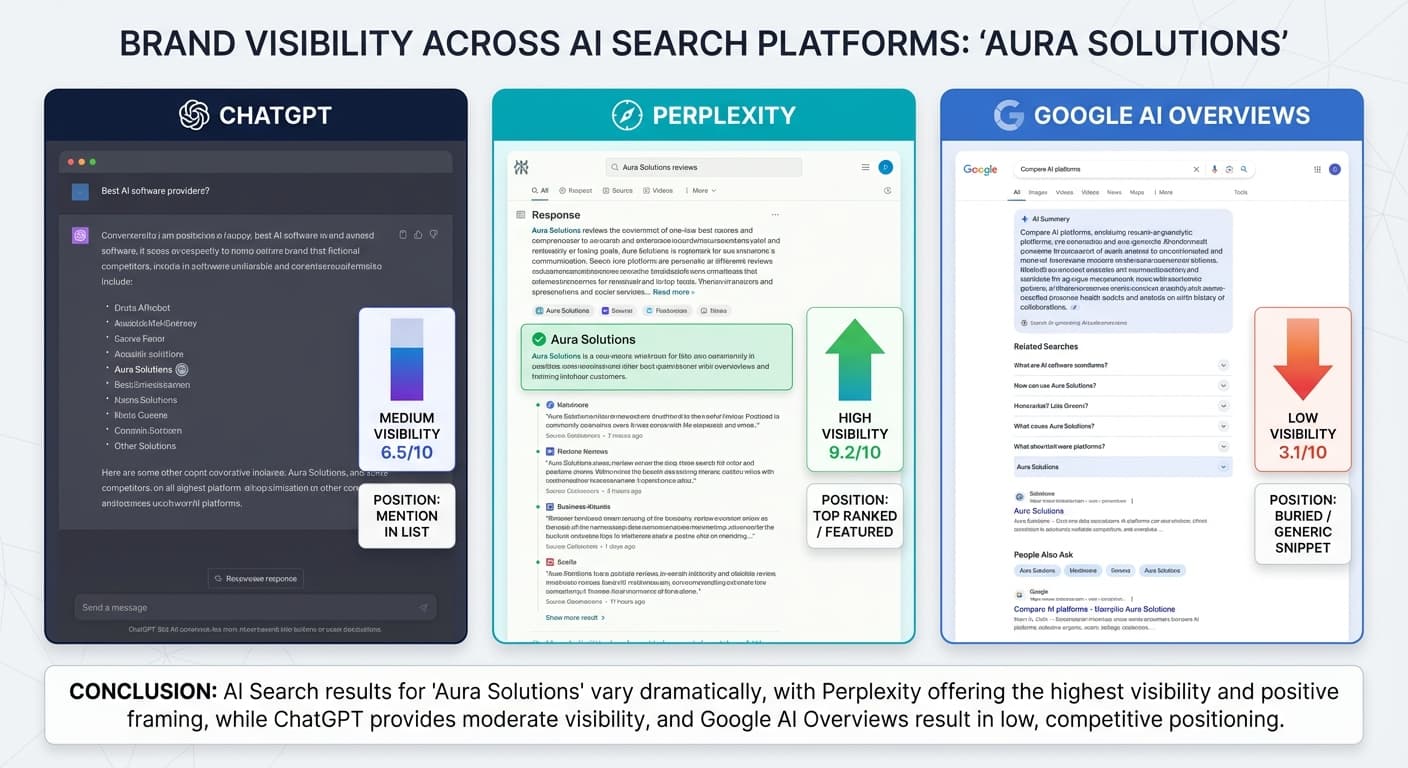
Here's a question that's keeping content marketers awake at night in 2026: Why does your brand appear in position #1 on ChatGPT for "best project management software" but doesn't even get mentioned in Google's AI Overview for the same query? Or why does Perplexity cite your comprehensive guide on email marketing while Claude completely ignores it?
You're not imagining things. Despite publishing identical content across your website, AI search engines are interpreting, ranking, and citing your brand with dramatically different results. Recent data shows that 73% of brands experience significant ranking variations across AI platforms, with some seeing up to 400% difference in citation rates between engines.
The AI Search Engine Landscape in 2026
The AI search revolution has fundamentally changed how people find information. With over 650 million weekly active ChatGPT users, 180 million monthly Perplexity searches, and Google's AI Overviews now appearing in 85% of search results, these platforms collectively handle more than 35% of all information queries.
But here's the kicker: each AI engine processes and weights content differently, leading to wildly inconsistent brand visibility across platforms.
Why Your Rankings Vary So Dramatically
Different Training Data and Knowledge Cutoffs
Each AI model was trained on different datasets with varying knowledge cutoffs:
This means your content might exist in one training set but not another, or be weighted differently based on the source quality standards of each platform.
Unique Algorithmic Preferences
#### ChatGPT's Conversational Context Bias
ChatGPT excels at understanding conversational queries and tends to favor:
#### Perplexity's Real-Time Authority Focus
Perplexity prioritizes:
#### Google AI Overviews' EAT Emphasis
Google's AI Overview heavily weights:
#### Claude's Safety-First Approach
Claude tends to favor:
Content Format and Structure Preferences
Each platform interprets content structure differently:
Lists and Bullets: Perplexity loves well-structured lists, while ChatGPT prefers narrative explanations
Technical Depth: Claude favors comprehensive technical content, while Google AI Overviews often pull from more accessible summaries
Citation Patterns: Different engines weight internal vs. external links, author bios, and publication dates with varying importance
Strategic Optimization for Multi-Platform Success
1. Diversify Your Content Formats
Don't rely on a single content structure. Create variations of your key content:
2. Implement Platform-Specific Optimization Signals
#### For ChatGPT Optimization:
#### For Perplexity Success:
#### For Google AI Overviews:
#### For Claude Citations:
3. Create AI-Interpretable Content Structure
Optimize your content's semantic structure:
4. Monitor and Adapt Based on Platform Performance
Track your visibility across platforms and adapt accordingly:
The Multi-Engine Content Strategy
Instead of creating identical content for all platforms, consider a hub-and-spoke approach:
Central Hub Content: Comprehensive, authoritative pieces that serve as your primary resource
Platform-Optimized Spokes: Adapted versions that play to each AI engine's strengths while maintaining consistent messaging
For example, if you're writing about "email marketing best practices":
How Citescope Ai Helps Solve Multi-Platform Optimization
Navigating the complexity of multi-platform AI optimization becomes manageable with the right tools. Citescope Ai's GEO Score analyzes your content across five critical dimensions that directly impact AI citation rates: AI Interpretability, Semantic Richness, Conversational Relevance, Structure, and Authority.
The platform's Citation Tracker monitors your brand mentions across ChatGPT, Perplexity, Claude, and Google AI Overviews, giving you real-time visibility into performance variations. When you identify content that's underperforming on specific platforms, the AI Rewriter can optimize it with platform-specific improvements while maintaining your brand voice and key messaging.
Measuring Success Across Platforms
Track these key metrics for each AI platform:
Citation Frequency
Query Coverage
Authority Indicators
Future-Proofing Your AI Search Strategy
As AI search continues evolving rapidly in 2026, focus on these enduring principles:
Content Quality Over Quantity: High-quality, well-researched content performs better across all platforms
Multi-Modal Optimization: With AI engines increasingly incorporating images, videos, and audio, diversify your content formats
Authentic Expertise: AI engines are becoming better at identifying genuine expertise and authority
User Intent Focus: Content that truly serves user needs will always perform better than keyword-stuffed alternatives
Ready to Optimize for AI Search?
Stop playing guessing games with AI search optimization. Citescope Ai provides the insights and tools you need to succeed across ChatGPT, Perplexity, Google AI Overviews, and Claude. With our comprehensive GEO Score analysis, real-time citation tracking, and AI-powered content optimization, you can turn ranking inconsistencies into competitive advantages.
Start your free trial today and get 3 content optimizations to see how your content can perform across all major AI search platforms. Because in 2026, being visible in AI search isn't optional—it's essential for growth.