How to Optimize for AI Search When Regulatory Compliance Labels Determine Citation Trust Scores in 2026

How to Optimize for AI Search When Regulatory Compliance Labels Determine Citation Trust Scores in 2026
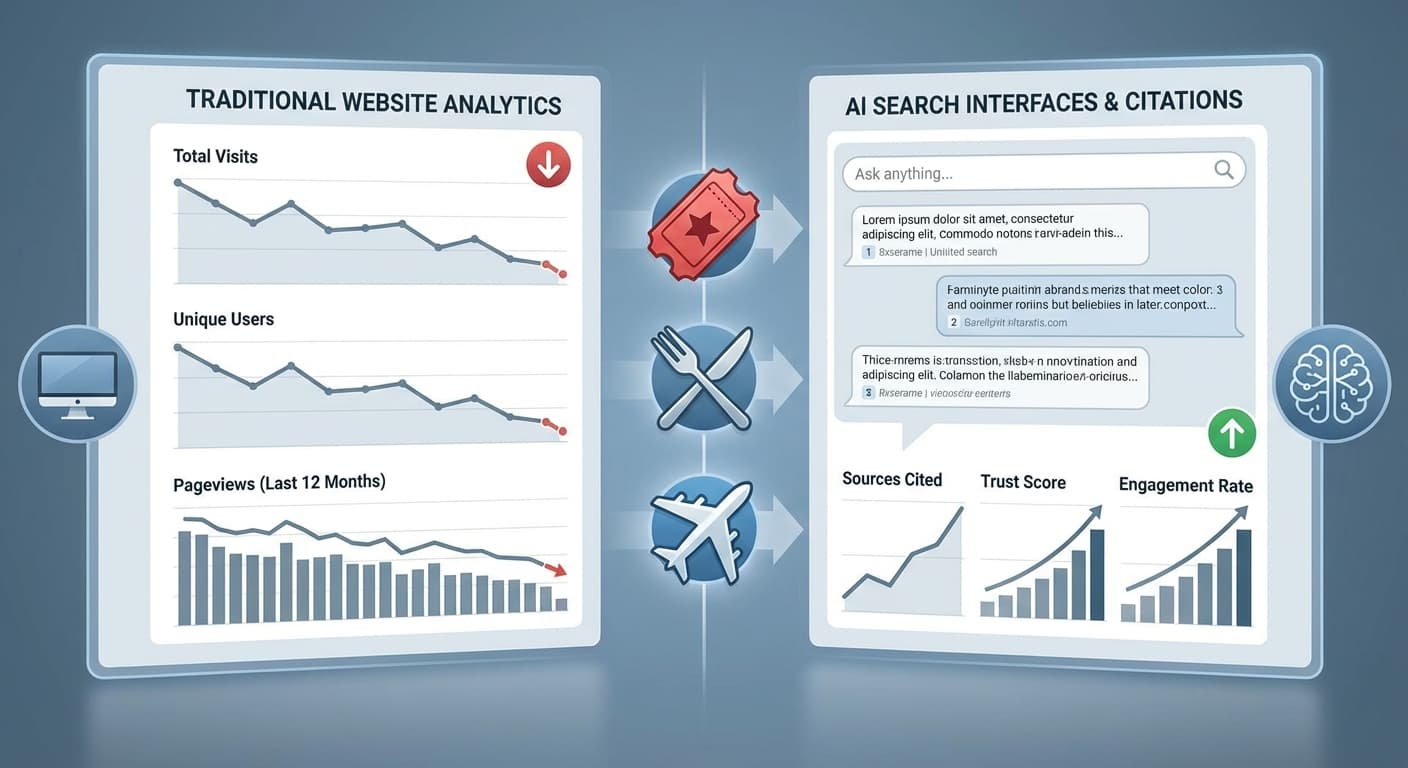
By January 2026, over 40% of all search queries now flow through AI engines like ChatGPT, Gemini, and Perplexity. But here's what most content creators don't realize: the rules have fundamentally changed. AI search engines now use regulatory compliance labels as primary trust signals, directly impacting whether your content gets cited or buried in the digital void.
If you're still optimizing content like it's 2024, you're missing the biggest shift in search since Google's PageRank algorithm.
The New Reality: Compliance Labels Drive Citation Authority
In late 2025, major AI search engines began implementing sophisticated compliance scoring systems. These aren't just about legal requirements—they're about establishing content trustworthiness in an era where AI hallucinations cost businesses billions annually.
Current AI search landscape statistics:
What Are Regulatory Compliance Labels?
Think of compliance labels as nutrition facts for digital content. They tell AI engines:
Why AI Engines Prioritize Compliance in Citations
AI search engines learned a hard lesson from early citation controversies. When ChatGPT cited unverified medical advice or Gemini referenced fraudulent financial data, user trust plummeted. The solution? Algorithmic preference for compliance-verified content.
The trust cascade works like this:
Strategic Framework for Compliance-Driven AI Optimization
1. Audit Your Current Compliance Status
Before optimizing, understand where you stand. Most content creators score poorly on compliance dimensions without realizing it.
Essential compliance areas to evaluate:
2. Implement Structured Compliance Markup
AI engines parse structured data differently than traditional search engines. They look for specific compliance signals embedded in your content architecture.
Critical markup elements:
3. Create Industry-Specific Trust Signals
Different industries require different compliance approaches. A healthcare blog needs HIPAA compliance indicators, while a financial advisory site needs SEC disclosure compliance.
Healthcare content optimization:
Financial content optimization:
Marketing content optimization:
4. Optimize Content Structure for AI Parsing
AI engines prefer content that's easy to verify and cross-reference. This means restructuring how you present information.
AI-friendly compliance structure:
5. Leverage Third-Party Verification Services
AI engines increasingly recognize and prioritize content verified by established third-party services.
Recommended verification approaches:
Technical Implementation Guide
Compliance-First Content Architecture
html
<!-- Example compliance markup -->
<article itemscope itemtype="https://schema.org/Article">
<div class="compliance-header">
<span class="verification-badge">✓ Third-party verified</span>
<span class="regulatory-compliance">SEC compliant</span>
</div>
<header>
<h1 itemprop="headline">Your Article Title</h1>
<div class="author-credentials">
<span itemprop="author" itemscope itemtype="https://schema.org/Person">
<span itemprop="name">Expert Name</span>
<span itemprop="jobTitle">Certified Financial Planner</span>
</span>
</div>
</header>
<div class="legal-disclaimer">
<h2>Important Disclosure</h2>
<p>This content complies with SEC regulations...</p>
</div>
</article>
Monitoring Compliance Impact
Track how compliance improvements affect your AI citation rates:
Common Compliance Optimization Mistakes
1. Generic Disclaimer Placement
Placing generic legal text in footers doesn't help AI parsing. Contextual, topic-specific disclaimers perform better.
2. Overlooking Mobile Compliance
AI engines increasingly parse mobile-first. Ensure compliance elements are visible and functional on mobile devices.
3. Ignoring International Regulations
If your content reaches global audiences, consider GDPR, CCPA, and other international compliance requirements.
4. Static Compliance Approaches
Regulatory requirements evolve. Implement systems for ongoing compliance updates rather than one-time fixes.
How Citescope Ai Helps Navigate Compliance Optimization
While implementing compliance-driven optimization manually is complex, Citescope Ai's GEO Score specifically analyzes your content's authority dimension—including compliance readiness for AI citation.
Our AI Rewriter automatically suggests compliance improvements based on your industry and content type, while the Citation Tracker shows you exactly how compliance changes impact your citation rates across ChatGPT, Gemini, and other AI engines.
The platform's multi-format export ensures your compliance-optimized content maintains its trust signals across different publishing platforms, from WordPress to enterprise CMS systems.
Future-Proofing Your Compliance Strategy
Emerging Compliance Trends for 2026
Building Scalable Compliance Systems
As your content library grows, manual compliance management becomes impossible. Consider:
Measuring Success in the Compliance Era
Key Performance Indicators (KPIs)
Long-term Benefits
Investing in compliance-driven optimization pays dividends beyond AI search:
Ready to Optimize for AI Search?
Regulatory compliance isn't just about avoiding legal issues anymore—it's the key to AI search visibility in 2026. With AI engines processing billions of queries monthly and compliance labels directly impacting citation trust scores, the time to adapt is now.
Citescope Ai makes compliance-driven optimization simple with automated GEO scoring, one-click content optimization, and real-time citation tracking across all major AI search engines. Start with our free tier and see how compliance improvements boost your AI visibility.
Try Citescope Ai free today and transform your content into AI search gold.