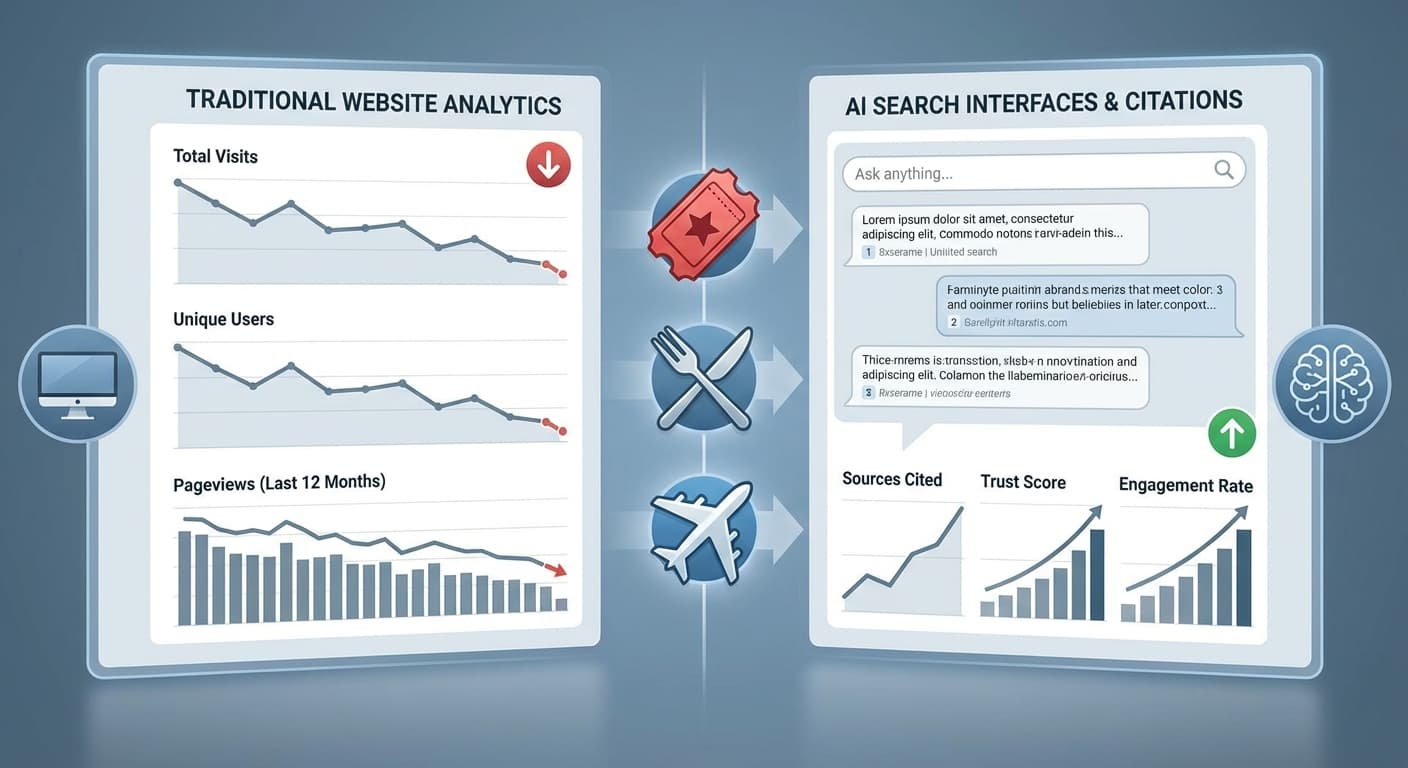
How to Optimize for AI Search Source Diversity Requirements: Navigating Citation Slot Penalties in 2026
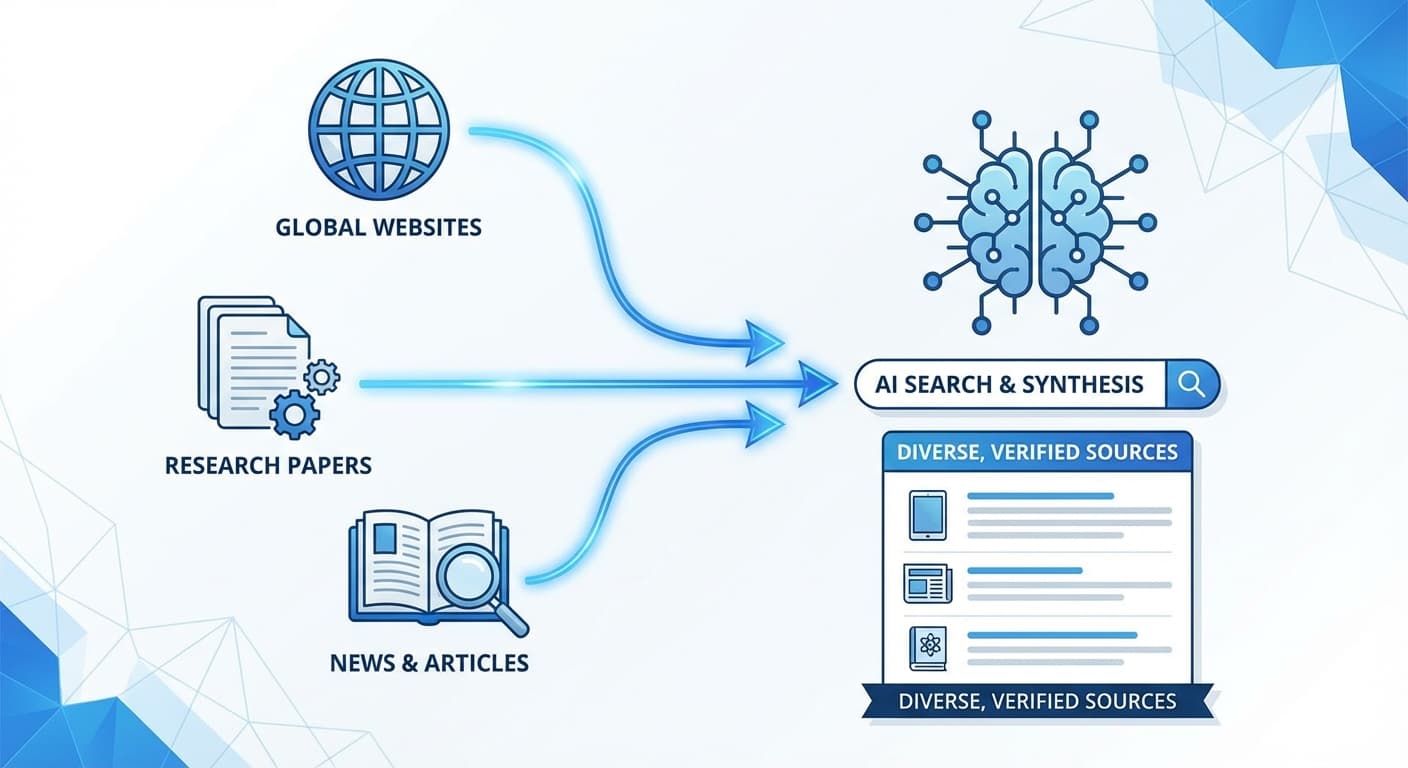
How to Optimize for AI Search Source Diversity Requirements: Navigating Citation Slot Penalties in 2026
As of early 2026, a staggering 78% of AI search engines have implemented source diversity algorithms that actively limit how many citations a single domain can occupy in one answer. This shift represents one of the most significant changes to AI search optimization since ChatGPT first launched, and it's catching many brands completely off-guard.
If you've noticed your content appearing less frequently in AI-generated responses despite having authoritative, well-optimized content, you're likely experiencing the effects of these new diversity requirements. The question isn't whether this trend will continue—it's how quickly you can adapt your strategy to thrive in this new landscape.
Why AI Platforms Are Enforcing Source Diversity
AI search engines like ChatGPT, Perplexity, Claude, and Gemini have evolved far beyond simple information retrieval. In 2026, these platforms prioritize user trust and comprehensive answers over brand dominance. Here's why this shift was inevitable:
The Echo Chamber Problem
When major brands dominated multiple citation slots, users received narrow perspectives that often reflected the same source's bias. A travel query about "best European destinations" might cite the same travel company's blog 3-4 times, creating an unbalanced response.
Regulatory Pressure
With over 2.1 billion people now using AI search regularly, regulators across the EU, US, and Asia have pushed for more balanced information sourcing. The EU's AI Search Transparency Act of 2025 specifically requires platforms to demonstrate source diversity in their responses.
User Experience Optimization
Internal studies from major AI platforms show that responses with diverse sources receive 34% higher satisfaction ratings and generate 28% more follow-up queries—key metrics for platform engagement.
How Source Diversity Algorithms Work in 2026
Understanding the mechanics behind these algorithms is crucial for adapting your strategy. Current AI platforms use sophisticated systems that evaluate several factors:
Domain Authority Balancing
Citation Quality Scoring
AI engines now evaluate sources on multiple dimensions beyond traditional authority metrics:
The New Reality: What This Means for Brands
The implications of source diversity requirements extend far beyond simple citation frequency. Brands must fundamentally rethink their AI search optimization approach:
Quality Over Quantity Becomes Critical
With fewer citation opportunities available, each piece of content must work harder. A single well-optimized article that earns one citation slot is now more valuable than three mediocre pieces that might have all been cited previously.
Content Portfolio Diversification
Smart brands are expanding beyond owned media to influence a broader citation ecosystem:
Semantic Authority Building
Instead of dominating through volume, successful brands now focus on becoming the definitive source for specific semantic clusters. When AI engines need expertise on your niche, you want to be the obvious choice for that single, valuable citation slot.
Proven Strategies for Source Diversity Optimization
1. Develop Distributed Content Networks
Create a web of related but independent content assets:
Industry Partnerships
Expert Network Building
2. Optimize for Unique Value Propositions
AI algorithms specifically reward content that offers distinctive perspectives:
Proprietary Data and Research
Contrarian and Nuanced Viewpoints
3. Master Multi-Format Content Creation
Diverse content formats increase your chances of citation across different query types:
4. Implement Citation-Worthy Content Architecture
Structure your content to maximize citability within diversity constraints:
Modular Content Design
Cross-Platform Content Syndication
How Citescope Ai Helps Navigate Source Diversity Requirements
While understanding these concepts is important, implementing them effectively requires sophisticated analysis and optimization. Citescope Ai's GEO Score evaluates your content across five critical dimensions that directly impact AI search performance, including how well your content stands out in diverse citation scenarios.
The platform's AI Rewriter specifically optimizes content structure and semantic richness to increase citability while ensuring your unique value proposition shines through. With Citation Tracker, you can monitor how diversity algorithms affect your citation frequency and adjust your strategy accordingly.
Advanced Tactics for 2026 and Beyond
Semantic Cluster Dominance
Instead of trying to rank for everything, identify 3-5 semantic clusters where you can become the authoritative voice. Focus your optimization efforts on owning these specific knowledge areas completely.
Cross-Industry Authority Building
Position yourself as an expert in adjacent industries where your insights apply. A fintech company might become a cited authority in retail technology or healthcare payments, expanding their citation opportunities.
Dynamic Content Refresh Strategy
Regularly update cornerstone content with new data, examples, and perspectives. This maintains freshness scores while preserving your investment in high-performing pieces.
Community-Driven Content Creation
Engage with industry communities to understand emerging questions and information gaps. Create content that fills these gaps before competitors recognize the opportunity.
Measuring Success in the Diversity Era
Traditional citation volume metrics are becoming less relevant. Focus on these new KPIs:
Common Pitfalls to Avoid
Over-Optimization for Single Platforms
Don't tailor your entire strategy to one AI engine's diversity algorithm. Cross-platform optimization ensures broader visibility as algorithms continue evolving.
Neglecting Content Quality for Diversity
While expanding your content network is important, never compromise on quality. One exceptional piece cited once is better than multiple mediocre pieces that rarely earn citations.
Ignoring User Intent Evolution
As AI search matures, user queries become more sophisticated and context-aware. Optimize for emerging query patterns, not just current search trends.
The Future of Source Diversity
Looking ahead to late 2026 and beyond, expect source diversity requirements to become even more sophisticated:
How Citescope Ai Helps
Navigating source diversity requirements requires constant monitoring and optimization. Citescope Ai provides the tools you need to succeed:
GEO Score Analysis: Our comprehensive scoring system evaluates how well your content performs across all five dimensions that impact AI search visibility, including the unique value factors that help you stand out in diverse citation scenarios.
AI Rewriter Optimization: Transform existing content to better meet diversity requirements while maintaining your brand voice and authority.
Citation Tracking: Monitor your citation patterns across ChatGPT, Perplexity, Claude, and Gemini to understand how diversity algorithms affect your visibility.
Multi-format Export: Easily adapt optimized content for different platforms and formats to maximize your citation opportunities across diverse content ecosystems.
Ready to Optimize for AI Search?
Source diversity requirements aren't going away—they're becoming the new standard for AI search optimization. The brands that adapt quickly and strategically will dominate the limited citation slots available, while those that cling to outdated volume-based approaches will see their AI visibility continue to decline.
Citescope Ai makes it easy to navigate these changes with tools designed specifically for the evolving AI search landscape. Start with our free tier to analyze your current content and see how well it's positioned for diversity-focused algorithms.
Try Citescope Ai free and transform your content strategy for the source diversity era.