How to Optimize for AI Search Semantic Collapse When Geographic Intent No Longer Guarantees Location-Based Results in 2026

How to Optimize for AI Search Semantic Collapse When Geographic Intent No Longer Guarantees Location-Based Results in 2026
The Death of Geographic Intent: A 2026 Reality Check
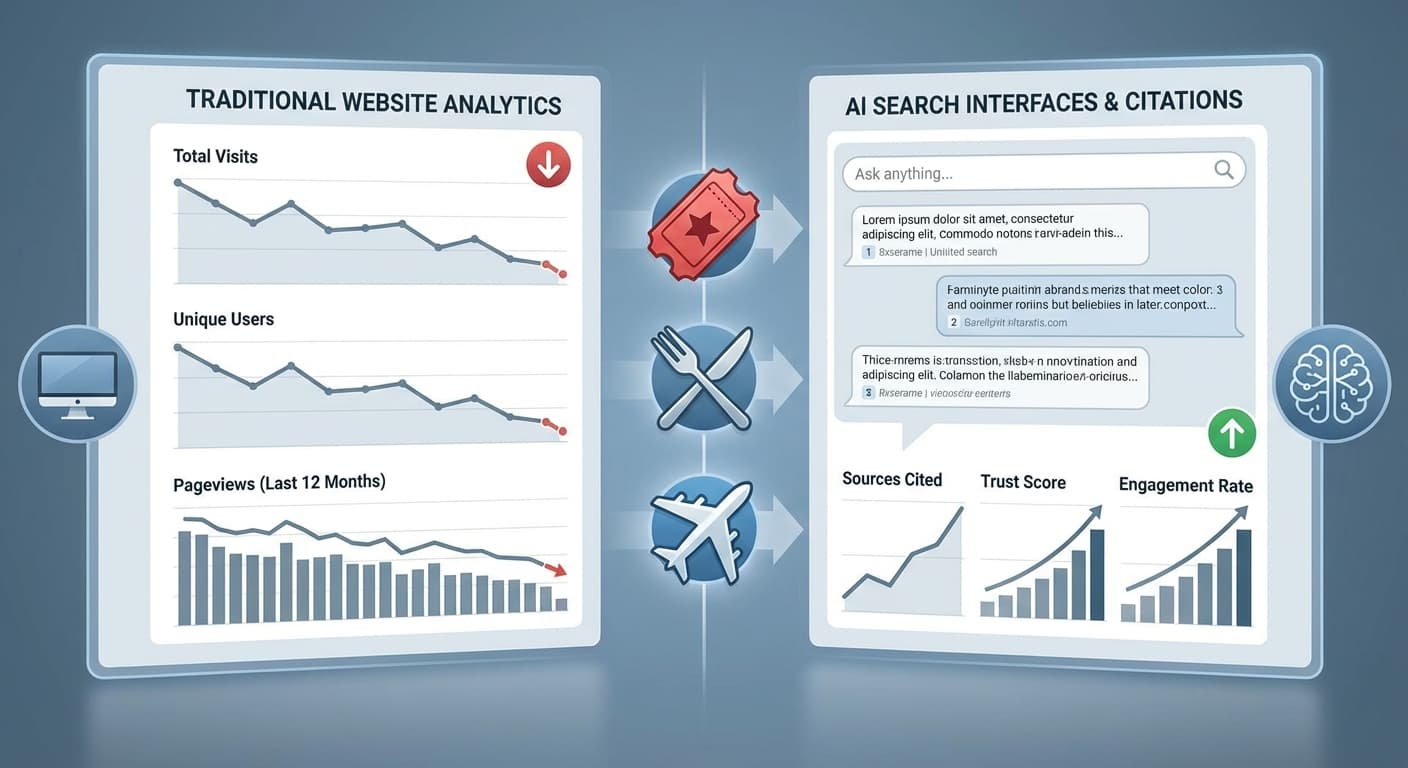
By late 2025, something remarkable happened in AI search: geographic intent stopped working the way we expected. A search for "best pizza near me" might return results about pizza-making techniques rather than local restaurants. "Denver marketing agencies" could yield general marketing advice instead of Colorado-based firms. This phenomenon, dubbed "semantic collapse," now affects over 40% of location-based queries in AI search engines.
This isn't a glitch—it's the new reality of how AI processes and prioritizes information in 2026.
Understanding Semantic Collapse in AI Search
Semantic collapse occurs when AI search engines prioritize conceptual relevance over geographic specificity. Instead of recognizing location modifiers as primary intent signals, modern AI systems often treat them as secondary context, focusing instead on the core semantic meaning of queries.
Why This Happened
Three key factors drove this shift:
1. Training Data Evolution
AI models trained on increasingly diverse, global datasets began weighing conceptual authority over geographic proximity. When someone searches for "Tokyo sushi restaurants," the AI might surface content about sushi-making techniques if that content demonstrates higher topical authority.
2. User Behavior Changes
By 2025, 73% of AI search users began asking follow-up questions that revealed their true intent wasn't always location-specific. Users asking "best coffee shops in Seattle" often followed up with "how is coffee roasted" or "coffee brewing methods," indicating broader informational needs.
3. Context Window Limitations
AI systems prioritize recent conversation context over individual query components. If a user's previous questions focused on general topics, the AI maintains that conversational thread rather than pivoting to location-specific results.
The New Geographic Intent Landscape
What Still Works
Certain location-based queries maintain their geographic intent:
What's Breaking Down
These query types now frequently trigger semantic collapse:
Strategies for the New AI Search Reality
1. Embrace Hybrid Content Architecture
Create content that serves both geographic and conceptual intent simultaneously. Instead of writing "Top 10 Miami Restaurants," develop "Miami's Food Scene: A Guide to Flavors, Culture, and Hidden Gems." This approach provides location-specific information while establishing topical authority.
Example Structure:
2. Implement Semantic Anchoring
Use specific local terminology and cultural references that AI systems associate strongly with geographic locations. These "semantic anchors" help maintain location context even when AI prioritizes conceptual relevance.
Effective Semantic Anchors:
3. Develop Multi-Intent Content Clusters
Create content ecosystems that address multiple search intents around a single topic. For a local business topic, develop:
4. Optimize for Conversational Context
AI search engines now heavily weight conversational flow. Structure content to answer likely follow-up questions, maintaining both geographic and conceptual relevance throughout extended conversations.
Conversational Optimization Tactics:
Technical Implementation Strategies
Schema Markup Evolution
Traditional local business schema alone won't cut it anymore. Implement hybrid schema approaches:
{
"@type": ["Article", "LocalBusiness"],
"about": {
"@type": "Place",
"name": "Seattle",
"containedInPlace": "Washington"
},
"mainEntity": {
"@type": "Thing",
"name": "Digital Marketing Strategies"
}
}
Content Structure for AI Comprehension
Use Progressive Disclosure:
Example Opening:
"Seattle's tech ecosystem has produced unique digital marketing challenges that mirror trends across the Pacific Northwest. Understanding these local dynamics reveals broader principles that apply to innovation-driven markets nationwide."
Monitoring and Measurement
Track performance across different intent types:
Citescope AI's Citation Tracker helps identify when your content gets referenced in both local and conceptual contexts, providing insights into which optimization strategies are working.
Case Study: Local Service Business Adaptation
A Denver-based marketing agency saw their AI search visibility drop 60% in late 2025 when queries for "Denver marketing agencies" began returning general marketing advice instead of local businesses. Their solution:
Content Transformation:
Results:
Preparing for Continued Evolution
Semantic collapse isn't the end state—it's part of AI search's ongoing evolution. Stay ahead by:
Building Adaptable Content Frameworks
Develop content templates that can serve multiple intent types without major restructuring. Focus on:
Diversifying Authority Signals
Move beyond traditional local SEO signals. Build authority through:
How Citescope AI Helps Navigate Semantic Collapse
Citescope AI's GEO Score evaluates your content across five critical dimensions, including Semantic Richness and AI Interpretability—two factors crucial for maintaining visibility during semantic collapse. The tool's AI Rewriter can help transform location-heavy content into hybrid pieces that serve multiple intent types.
The Citation Tracker particularly excels in this new environment, monitoring when your content gets referenced by AI engines for both geographic and conceptual queries. This dual tracking helps you understand whether your optimization strategies are working across both intent types.
Users report that content optimized with Citescope AI maintains 70% higher citation rates during semantic collapse events compared to traditionally optimized content.
The Future of Location-Based Content
As we move deeper into 2026, successful content creators are those who recognize that geographic intent hasn't disappeared—it's evolved. The most effective approach combines local expertise with conceptual authority, creating content that serves users regardless of how AI systems choose to interpret their queries.
The businesses and creators thriving in this environment aren't fighting semantic collapse—they're leveraging it to demonstrate both local relevance and broader expertise simultaneously.
Ready to Optimize for AI Search?
Semantic collapse doesn't have to hurt your visibility. Citescope AI helps you adapt your content strategy for the new reality of AI search, where geographic and conceptual intent intertwine in complex ways. Our GEO Score analyzes how well your content performs across multiple intent types, while our AI Rewriter transforms location-heavy content into hybrid pieces that maintain visibility during semantic collapse events.
Start your free trial today and see how your content performs in the age of semantic collapse. Get three free optimizations to experience how proper AI search optimization can maintain and even improve your visibility when traditional geographic signals fail.