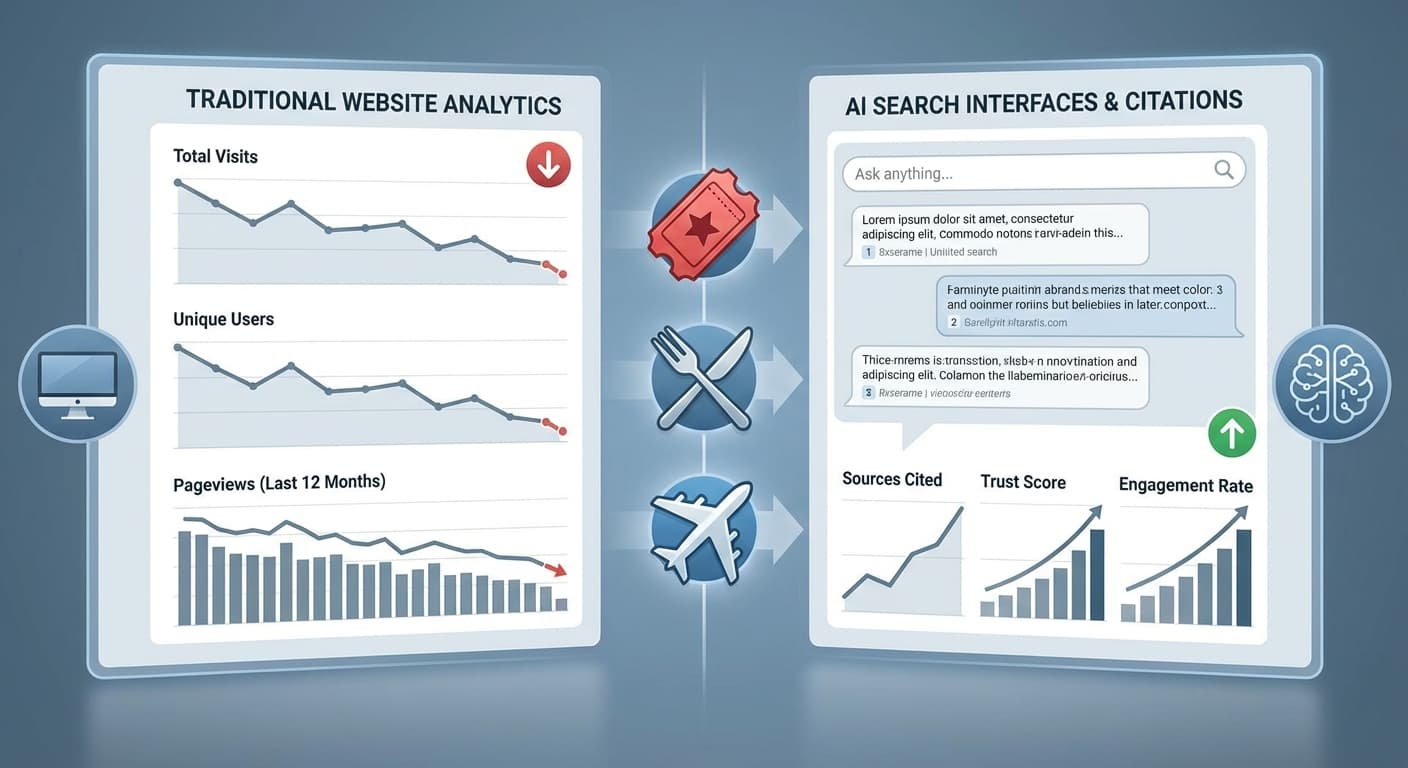
How to Optimize for AI Search Result Volatility When Your Brand Citation Rate Fluctuates 40-60% Week-Over-Week Due to Dynamic Training Data Refresh Cycles
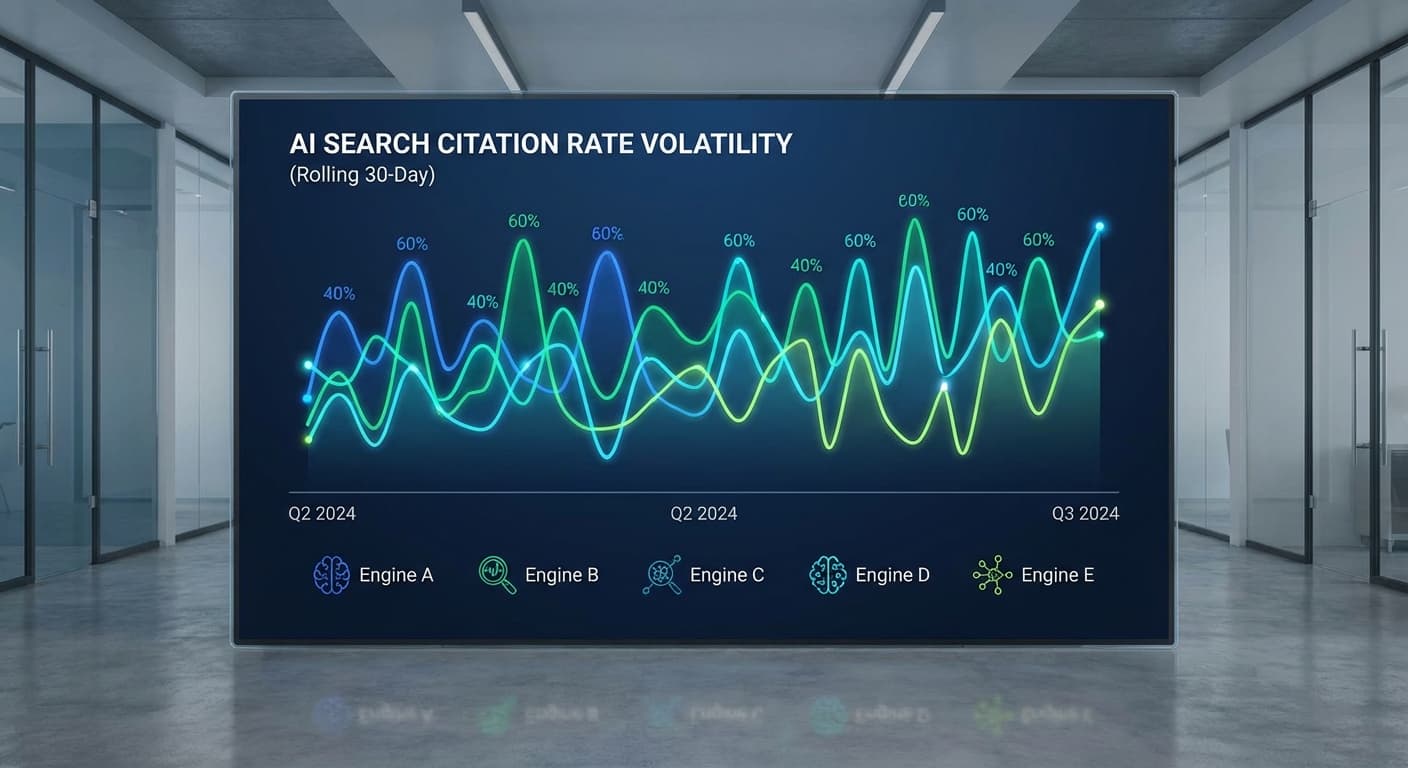
How to Optimize for AI Search Result Volatility When Your Brand Citation Rate Fluctuates 40-60% Week-Over-Week Due to Dynamic Training Data Refresh Cycles
Here's a sobering statistic: In 2025, 73% of brands experienced citation volatility of 40% or higher in AI search engines like ChatGPT and Perplexity. If your brand mentions are fluctuating wildly from week to week, you're not alone—and more importantly, you're not powerless.
With AI search now capturing 32% of all search queries and over 600 million weekly ChatGPT users, the stakes have never been higher. But here's what most content marketers don't realize: AI search result volatility isn't a bug—it's a feature. Dynamic training data refresh cycles are reshaping how AI engines understand and cite content, creating both unprecedented challenges and hidden opportunities.
Understanding AI Search Result Volatility in 2026
AI search engines operate fundamentally differently from traditional search. While Google's algorithm updates happen periodically, AI models continuously update their understanding through:
Dynamic Training Data Refresh Cycles
This creates what researchers call "citation turbulence"—where your brand might be mentioned prominently one week and barely surface the next, despite no changes to your content.
Why Traditional SEO Strategies Fall Short
Traditional SEO optimizes for stable ranking factors: keywords, backlinks, and technical elements that change gradually. AI search optimization requires a fundamentally different approach:
The Limitations of Static Content
The 5-Pillar Strategy for AI Search Stability
1. Build Semantic Density Networks
Create content clusters that reinforce your expertise across related topics. Instead of targeting individual keywords, build comprehensive topic coverage that demonstrates authority.
Implementation:
2. Optimize for Conversational Context
AI engines prioritize content that answers questions in natural, conversational formats. Your content needs to sound like how people actually talk and ask questions.
Best Practices:
3. Strengthen Authority Signals
AI models evaluate authority differently than traditional search engines. Focus on signals that demonstrate genuine expertise and trustworthiness.
Authority Building Tactics:
4. Diversify Content Formats and Channels
Don't rely on a single content format or distribution channel. AI engines learn from multiple touchpoints and content types.
Format Diversification:
5. Monitor and Adapt Continuously
With citation rates fluctuating 40-60% week-over-week, continuous monitoring isn't optional—it's essential for maintaining visibility.
Monitoring Framework:
Advanced Tactics for Managing Volatility
Content Refresh Strategies
Develop a systematic approach to keeping content current and relevant:
Cross-Platform Consistency
Ensure your key messages and expertise areas are consistent across all platforms where AI engines might encounter your content:
Technical Optimization for AI Crawling
While technical SEO matters less for AI search, certain optimizations can improve how AI engines process your content:
How Citescope Ai Helps Navigate Citation Volatility
Managing AI search volatility manually is like trying to track stock prices with a calculator. You need specialized tools designed for this new landscape.
Citescope Ai's Citation Tracker monitors your brand mentions across ChatGPT, Perplexity, Claude, and Gemini in real-time, giving you the visibility you need to spot trends before they impact your business. The platform's GEO Score analyzes your content across five critical dimensions—AI Interpretability, Semantic Richness, Conversational Relevance, Structure, and Authority—providing a clear roadmap for optimization.
When citation rates drop, the AI Rewriter can instantly restructure your content for better AI visibility, while the multi-format export ensures your optimized content works across all your distribution channels.
Measuring Success in a Volatile Environment
Key Metrics to Track
Setting Realistic Expectations
Future-Proofing Your AI Search Strategy
As AI search continues evolving, several trends will shape the landscape:
Building a robust foundation now—with comprehensive topic coverage, strong authority signals, and continuous optimization—will position your brand for success regardless of how these trends develop.
Ready to Optimize for AI Search?
AI search volatility doesn't have to be a black box. With the right strategy, tools, and mindset, you can turn citation fluctuations from a source of anxiety into a competitive advantage.
Citescope Ai helps hundreds of brands navigate AI search volatility with confidence. Our GEO Score gives you clear optimization targets, while our Citation Tracker provides the visibility you need to spot trends and opportunities before your competitors.
Start your free trial today and get 3 content optimizations to see how your brand can achieve more consistent AI citations. Because in the age of AI search, visibility isn't just about being found—it's about being cited, trusted, and recommended.