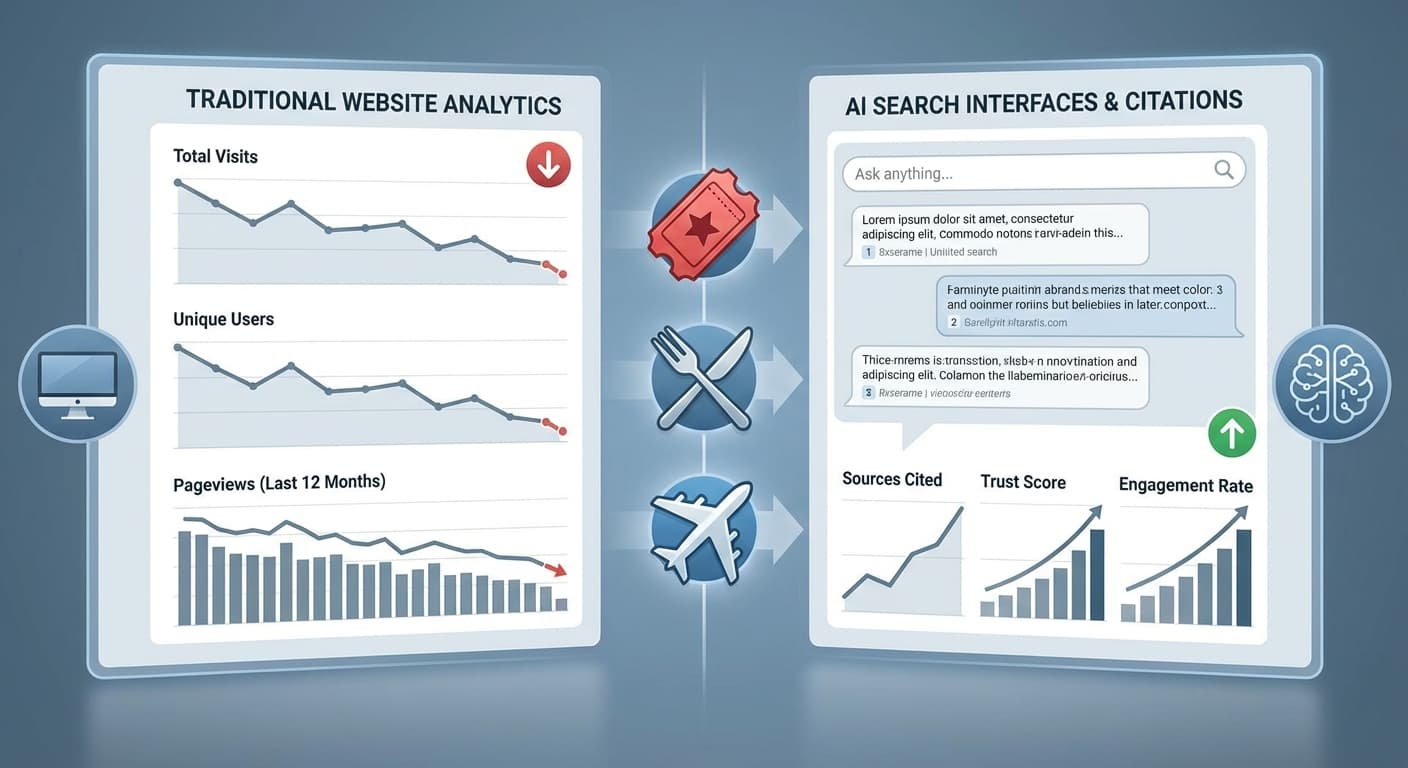
How to Optimize for AI Search Query Fan-Out When Google's AI Mode Runs 20+ Sub-Searches Per Query and Your Brand Only Appears in 3 of Them
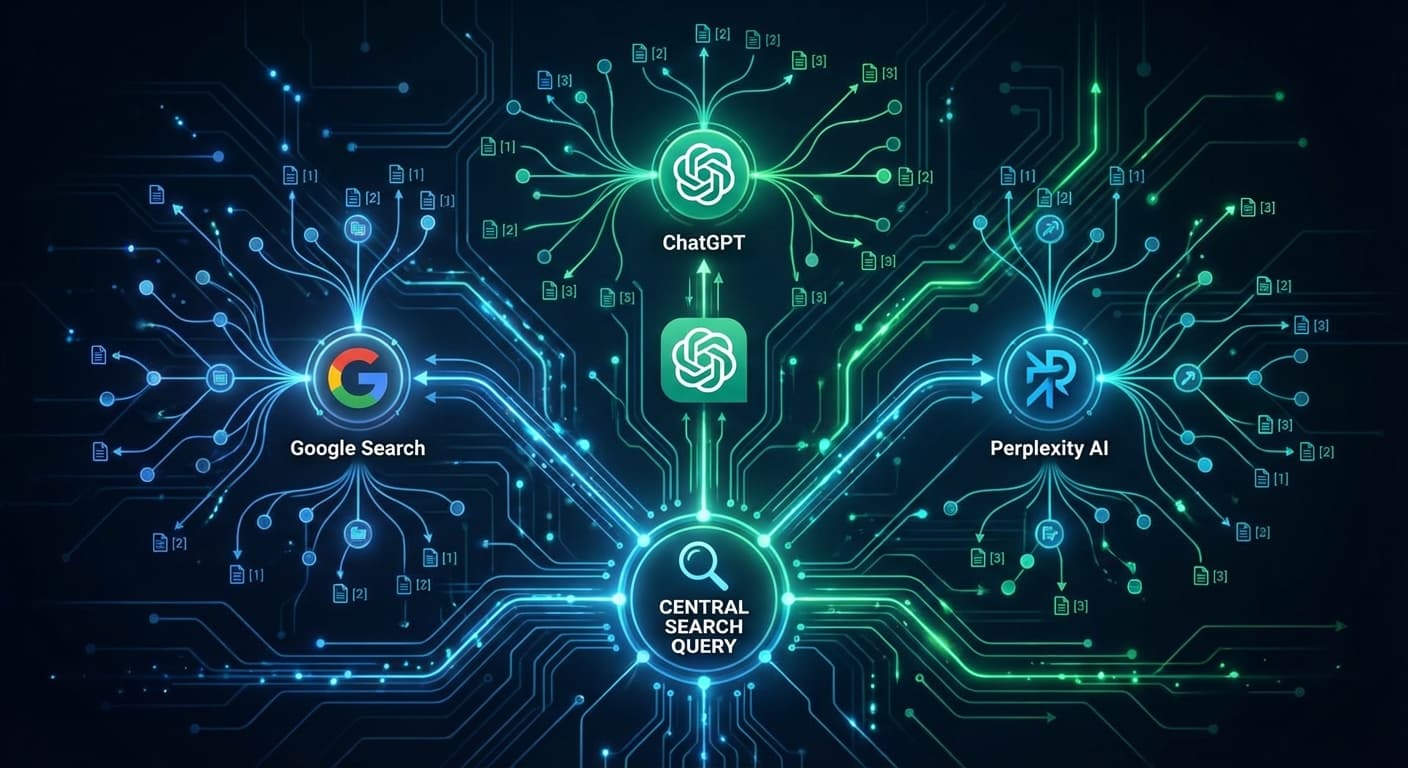
How to Optimize for AI Search Query Fan-Out When Google's AI Mode Runs 20+ Sub-Searches Per Query and Your Brand Only Appears in 3 of Them
By 2026, Google's AI Overviews have evolved dramatically. What started as simple summarized answers now involves complex "query fan-out" processes where a single user query triggers 15-25 sub-searches behind the scenes. If your brand only appears in 2-3 of those sub-queries, you're missing 85% of your potential AI visibility opportunities.
This isn't just a theoretical problem. Recent analysis shows that when users search for "best project management software," Google's AI runs parallel searches for "enterprise project tools," "team collaboration platforms," "agile workflow solutions," "remote work management," and dozens more variations. Brands that only optimize for the primary query miss the majority of citation opportunities.
Understanding AI Query Fan-Out in 2026
Query fan-out represents how AI search engines break down complex queries into multiple sub-searches to provide comprehensive answers. When someone asks "How do I improve my team's productivity?", the AI doesn't just search for that exact phrase.
Instead, it simultaneously searches for:
Each sub-search presents a citation opportunity. If your content only ranks for the primary query but misses these related searches, you're invisible to 80%+ of the AI's research process.
The Scale of the Problem
Current data from 2025-2026 shows:
Why Traditional SEO Misses AI Fan-Out Opportunities
Traditional SEO focuses on ranking for specific keywords and phrases. AI search engines think differently—they explore topic clusters, semantic relationships, and contextual variations that humans might not consider.
The Keyword Tunnel Vision Problem
Most content creators optimize for:
But AI engines also search for:
Strategies to Capture More AI Sub-Query Citations
1. Map Your Topic's Query Fan-Out Pattern
Start by understanding how AI engines deconstruct queries in your niche:
Research Process:
Example Mapping:
For "email marketing strategy":
2. Create Semantic Content Clusters
Rather than single-focus articles, develop content ecosystems that address multiple fan-out queries:
Hub-and-Spoke Model:
Cross-Pollination Strategy:
3. Optimize for AI Engine Query Patterns
Different AI engines fan out queries differently:
ChatGPT patterns:
Perplexity patterns:
Claude patterns:
4. Implement Multi-Angle Content Architecture
The 360-Degree Approach:
For each main topic, create content addressing:
5. Leverage Long-Form Comprehensive Content
AI engines favor comprehensive resources that can answer multiple sub-queries within a single piece:
Structure for Fan-Out Capture:
Citescope Ai's GEO Score specifically measures how well your content addresses multiple query variations through its Semantic Richness and AI Interpretability dimensions.
6. Monitor and Expand Based on Citation Patterns
Track which sub-queries are generating citations and which ones you're missing:
Analysis Framework:
Advanced Fan-Out Optimization Techniques
Context Switching Optimization
AI engines often switch context within their sub-searches. Optimize for these transitions:
Temporal Query Variations
AI searches often include time-based variations:
Problem-Solution Bridging
Connect your content to adjacent problem spaces:
Measuring Fan-Out Optimization Success
Key Metrics to Track
Tools and Monitoring
Effective fan-out optimization requires sophisticated tracking:
How Citescope Ai Helps Master Query Fan-Out Optimization
Citescope Ai's platform specifically addresses the query fan-out challenge through several key features:
GEO Score Analysis: Our Semantic Richness dimension evaluates how well your content covers related query variations that AI engines explore during fan-out processes.
AI Rewriter Optimization: The one-click rewriter restructures your content to naturally address multiple sub-query angles while maintaining readability and flow.
Multi-Engine Citation Tracking: Track how your optimized content performs across different AI engines' fan-out patterns, giving you insights into which sub-queries are generating citations.
Semantic Gap Identification: The platform identifies missing sub-query opportunities by analyzing successful competitor citations across the full fan-out spectrum.
By providing visibility into the complete AI search process—not just primary query results—Citescope Ai helps you capture the 80%+ of citation opportunities that traditional SEO tools miss.
Ready to Optimize for AI Search Fan-Out?
Query fan-out represents the future of AI search optimization. While your competitors focus on primary keywords, you can dominate the sub-query landscape that drives 80% of AI citations. Citescope Ai's comprehensive platform gives you the tools to map, optimize, and track your content's performance across the entire query fan-out spectrum.
Start your free trial today and discover which sub-query opportunities you're missing. With 3 free optimizations per month, you can begin transforming your content for the AI search reality of 2026.