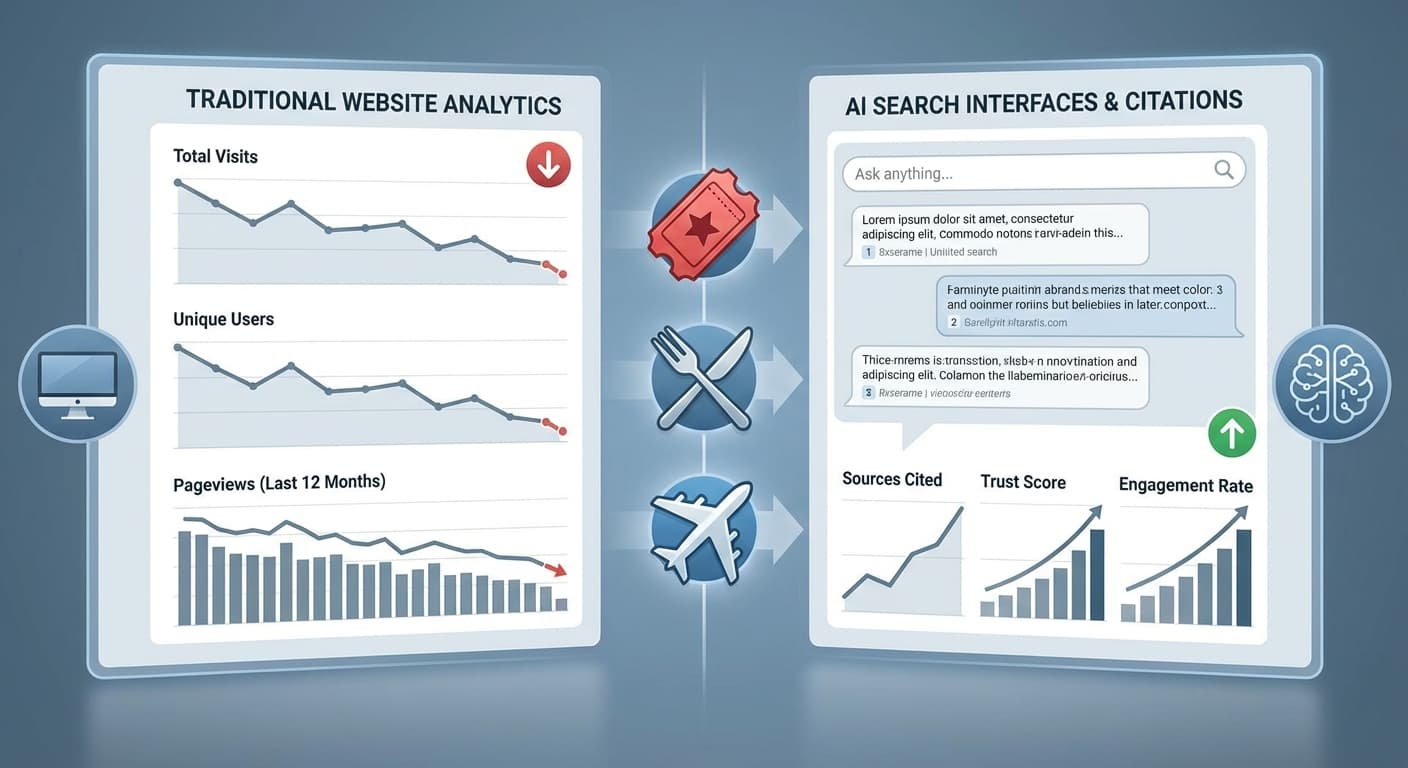
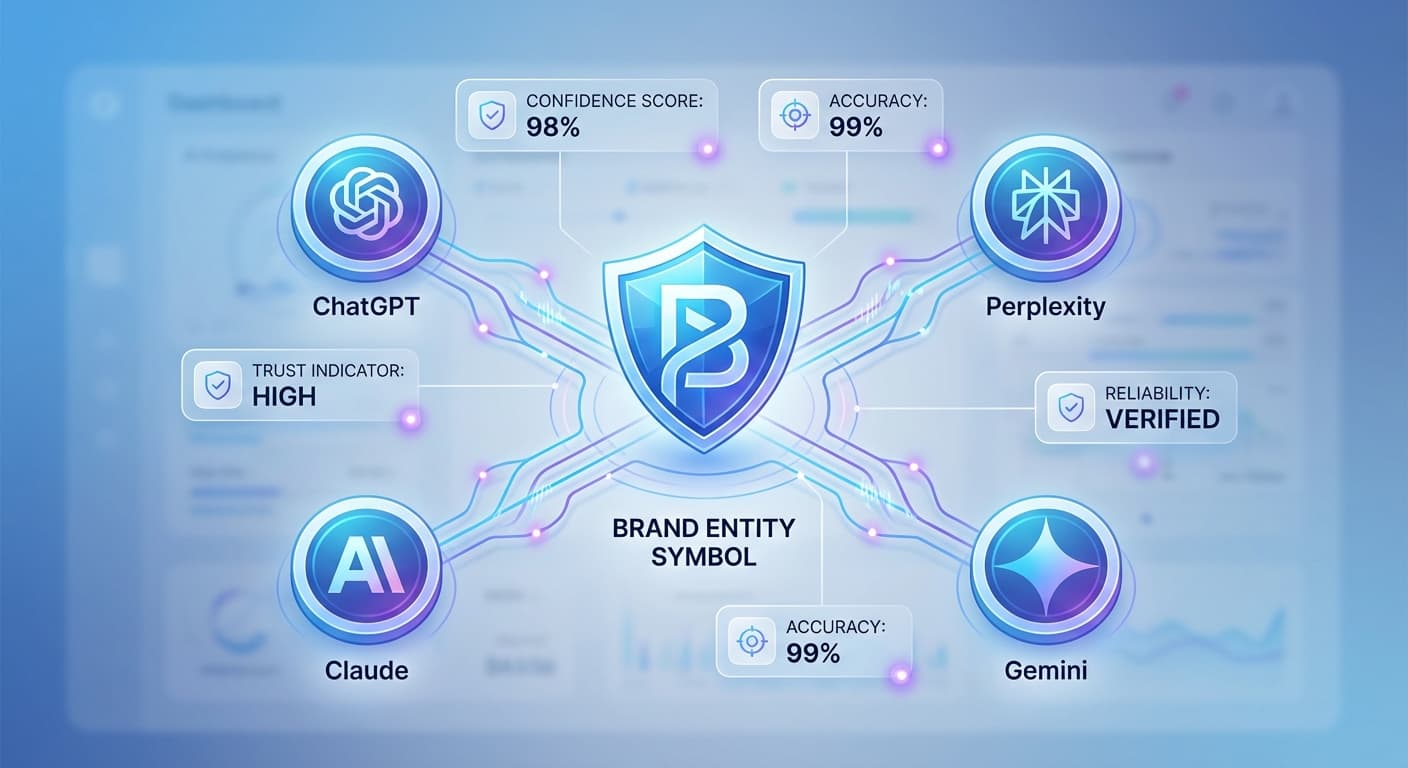
How to Optimize for AI Search Intent Fragmentation When Users Start on TikTok, Validate on Reddit, and Transact on Perplexity
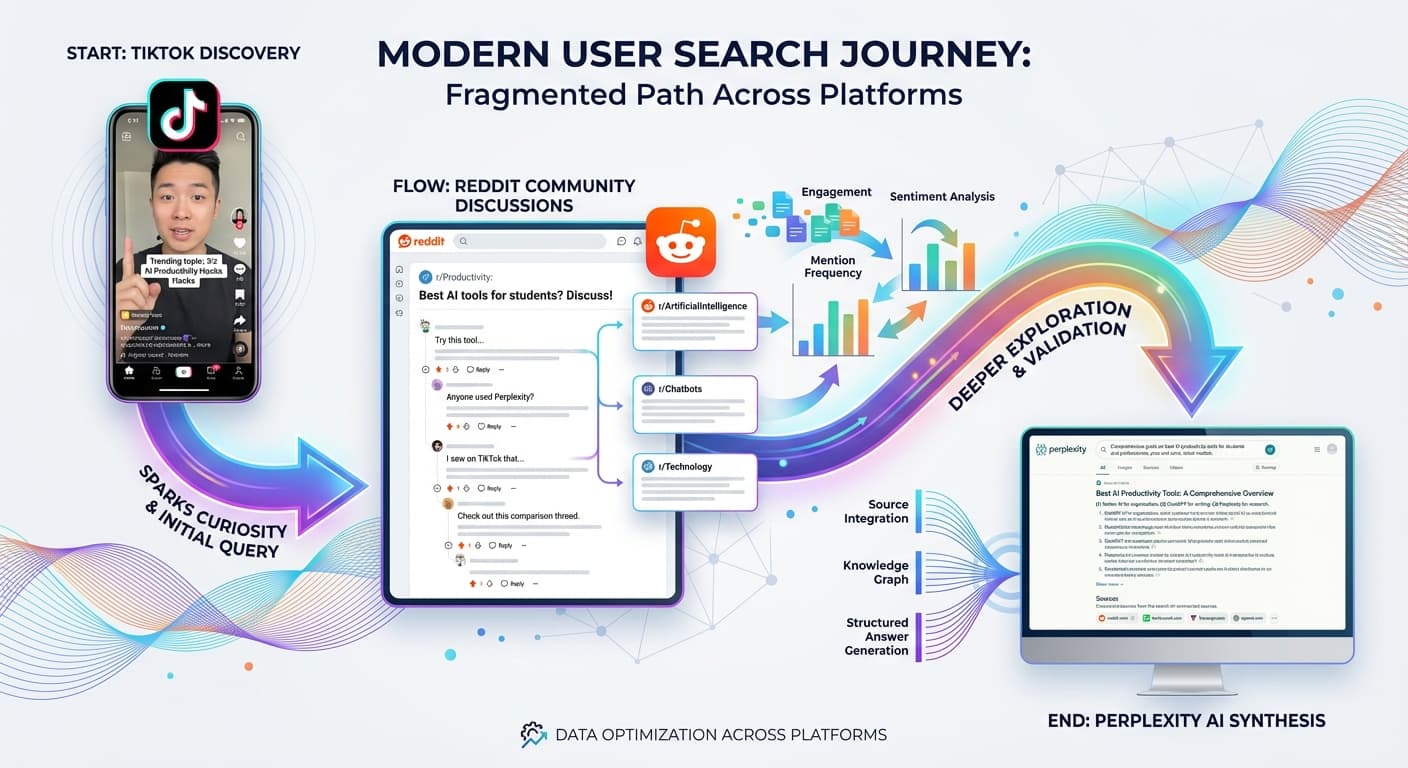
How to Optimize for AI Search Intent Fragmentation When Users Start on TikTok, Validate on Reddit, and Transact on Perplexity
In 2026, the traditional search funnel is shattered. A Gen Z user discovers a skincare routine on TikTok, validates ingredients on Reddit, checks reviews on YouTube, and finally makes their purchase decision through Perplexity or ChatGPT. This fragmented journey across platforms represents the new reality of search intent—and it's forcing marketers to completely rethink their optimization strategies.
With over 70% of Gen Z and Alpha users now incorporating AI search engines into their daily research habits, and AI-powered searches accounting for 35% of all information queries in 2026, the challenge isn't just about ranking on Google anymore. It's about being discoverable and influential across an entire ecosystem of platforms where intent fragments and reforms.
The New Reality of Search Intent Fragmentation
Search intent fragmentation occurs when users split their research journey across multiple platforms, each serving a different purpose in their decision-making process. Unlike the linear Google search model, today's users might:
This fragmentation means your content needs to work harder at each touchpoint, speaking to different intent levels while maintaining consistency across platforms.
Why This Matters in 2026
Recent data shows that 68% of consumers now use 3+ platforms during a single purchase journey, with AI search engines serving as the final validation step in 42% of high-consideration purchases. The platforms users choose aren't random—they're strategic:
Platform-Specific Optimization Strategies
Optimizing for Discovery Platforms (TikTok, Instagram)
Your content strategy for discovery platforms should focus on:
Hook-Heavy Content Creation
Cross-Platform Breadcrumbs
Optimizing for Validation Platforms (Reddit, Discord)
Reddit and community platforms require a completely different approach:
Authentic Engagement Over Promotion
Create Cite-Worthy Resources
Optimizing for AI Search Engines (Perplexity, ChatGPT, Claude)
This is where Citescope Ai's optimization really shines. AI search engines look for different signals than traditional search:
Structured Information Architecture
Semantic Richness
Authority Signals
Creating Content That Works Across the Fragmented Journey
The Hub and Spoke Model
Instead of creating isolated content for each platform, develop a hub and spoke system:
Central Hub Content
Platform-Specific Spokes
Cross-Platform Content Mapping
Map your content to the customer journey across platforms:
- Problem identification content
- Trend-based educational posts
- Quick tips and hacks
- How-to tutorials
- Comparison videos
- Behind-the-scenes content
- Community discussions
- User-generated reviews
- Expert AMAs and discussions
- Comprehensive comparison guides
- Detailed product specifications
- Customer success stories with data
Technical Optimization for AI Discoverability
Schema and Structured Data
AI search engines rely heavily on structured data to understand content context:
Content Formatting for AI Consumption
Clear Information Hierarchy
Answer-First Content Structure
Cross-Platform Consistency Signals
Maintain consistent messaging across platforms while adapting format:
Measuring Success Across Fragmented Touchpoints
Key Metrics to Track
Discovery Metrics
Validation Metrics
Decision Metrics
Attribution Modeling for Fragmented Journeys
Traditional last-click attribution fails in fragmented search journeys. Instead:
How Citescope Ai Helps Navigate Search Intent Fragmentation
Optimizing for fragmented search intent requires understanding how AI engines interpret and cite your content across different contexts. Citescope Ai's GEO Score analyzes your content across five critical dimensions that matter in this fragmented landscape:
The Citation Tracker feature is particularly valuable for fragmented journeys, showing you exactly when and how AI engines reference your content during users' validation and decision phases.
Best Practices for Cross-Platform Optimization
Content Repurposing Strategy
- Develop comprehensive, AI-optimized hub content
- Ensure it answers questions across the entire customer journey
- Structure it for easy fragmentation into platform-specific pieces
- Extract key points for social media discovery content
- Create discussion-worthy snippets for community platforms
- Develop comprehensive FAQ sections for AI search optimization
- Use consistent anchor text when linking between platforms
- Create natural pathways from discovery to validation to decision
- Maintain content freshness across all touchpoints
Staying Ahead of Platform Algorithm Changes
Ready to Optimize for AI Search?
Navigating search intent fragmentation across TikTok, Reddit, Perplexity, and beyond requires more than just good content—it demands strategic optimization for each platform while maintaining consistency across the entire journey. Citescope Ai's comprehensive suite of tools helps you create content that performs across fragmented touchpoints, from discovery to transaction.
Start optimizing your content for the fragmented search landscape with Citescope Ai's free tier—3 optimizations per month to test how your content performs across AI search engines. Ready to scale? Our Pro plan at $39/month gives you unlimited optimizations and citation tracking across all major AI platforms.
Try Citescope Ai free today and see how your content performs in the new era of fragmented search intent.