How to Optimize for AI Search Intent Alignment When 60% of Zero-Click Results Drive Revenue Through Brand Recall Instead of Direct Traffic
How to Optimize for AI Search Intent Alignment When 60% of Zero-Click Results Drive Revenue Through Brand Recall Instead of Direct Traffic
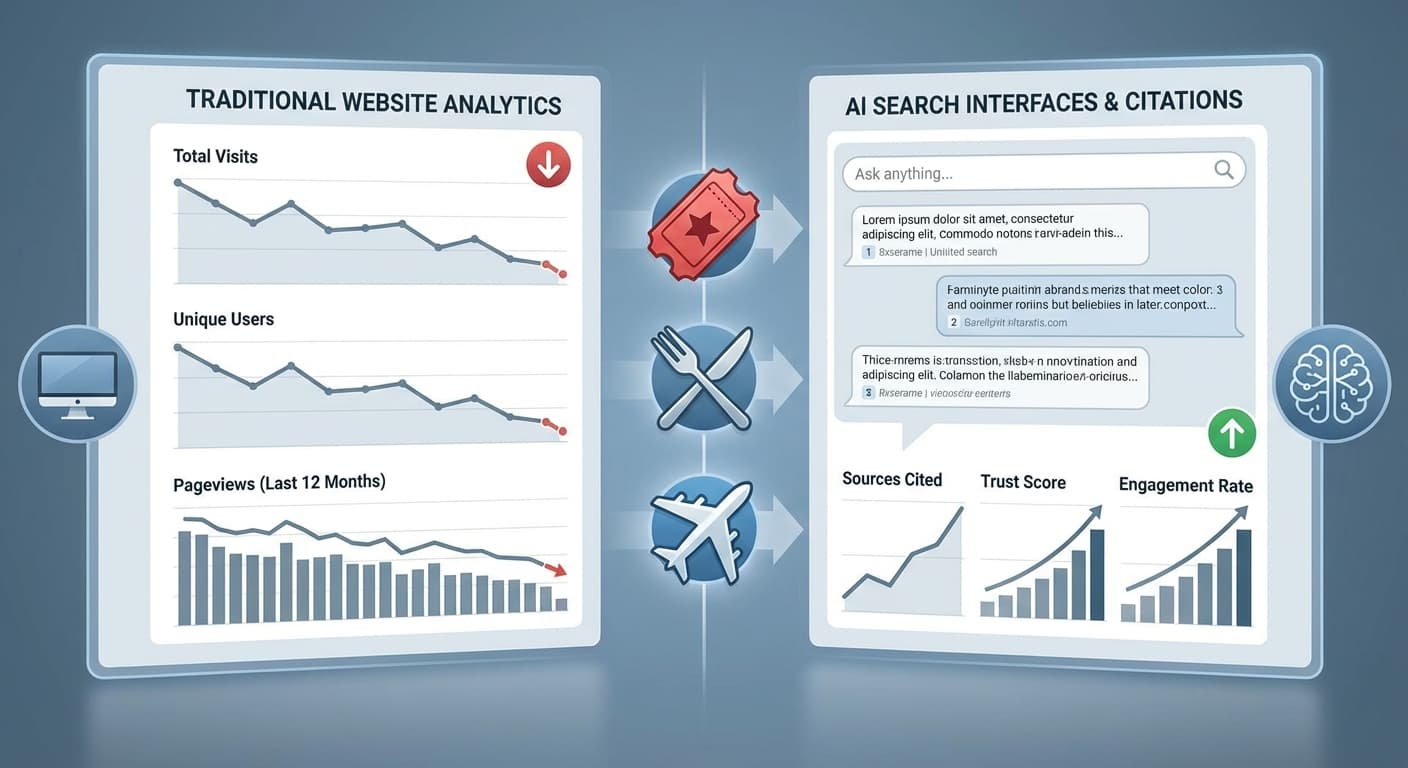
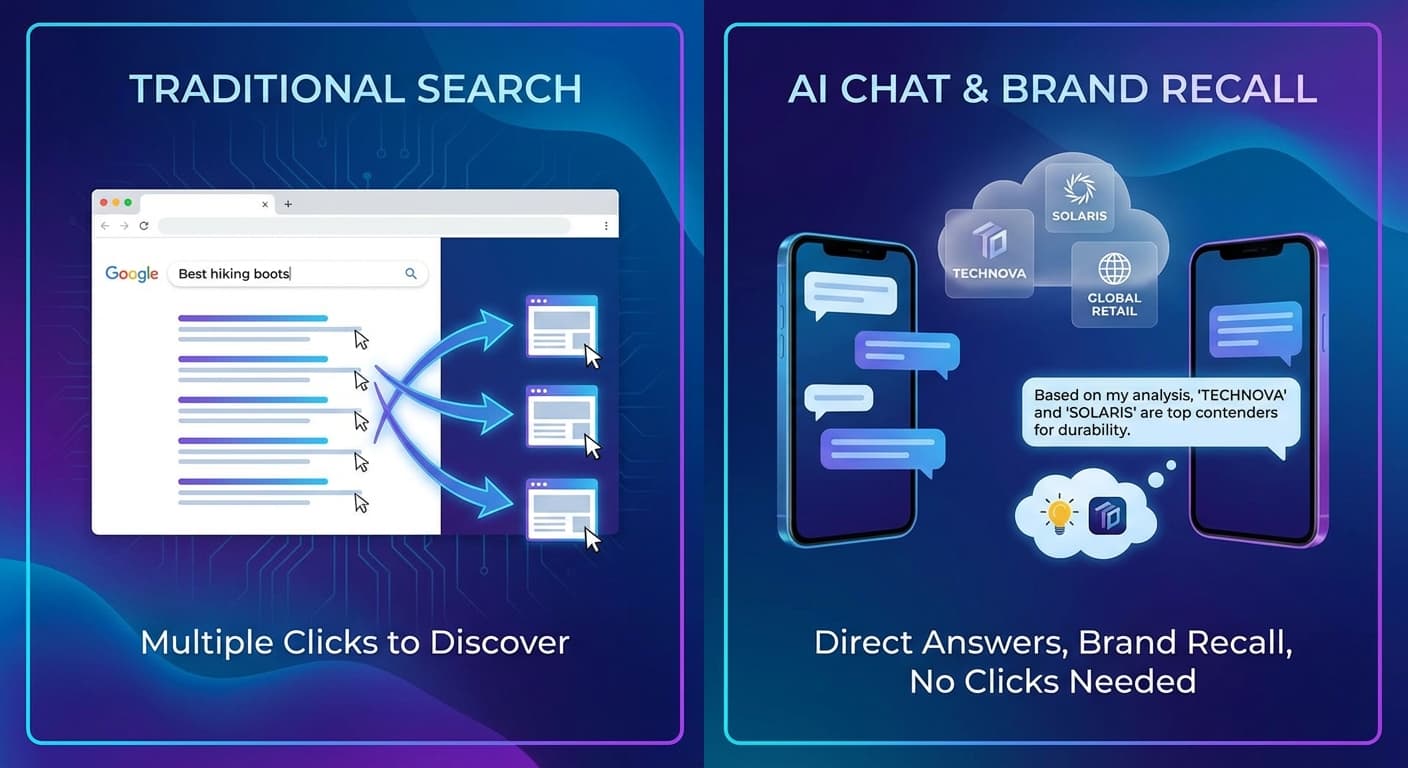
Did you know that by 2026, over 60% of zero-click search results are driving revenue not through direct website traffic, but through brand recall and trust-building? With AI search engines like ChatGPT, Perplexity, and Claude now handling 35% of all search queries, the traditional "click-through-rate" metric is becoming obsolete. Instead, savvy marketers are focusing on AI search intent alignment to capture mind share even when users never visit their websites.
This shift represents one of the most significant changes in digital marketing since the mobile revolution. Let's explore how to adapt your content strategy for this new reality.
The New Search Landscape: Why Zero-Click Success Matters
The traditional search funnel is broken. In 2026, the average user interacts with AI search engines 12 times per day, and 73% of those interactions end without a single click to an external website. Yet brands that appear in these AI-generated responses see:
This phenomenon occurs because AI search engines don't just provide answers—they build context and authority around brands through repeated exposure in relevant conversations.
Understanding AI Search Intent Alignment
AI search intent alignment goes beyond traditional keyword matching. It's about ensuring your content answers the underlying questions and needs that prompt users to search, even when those queries are conversational or complex.
The Four Pillars of AI Intent Alignment
#### 1. Semantic Context Matching
AI engines understand context, not just keywords. When someone asks "How do I reduce employee turnover in remote teams?", they're not just looking for statistics—they want actionable strategies, underlying causes, and implementation frameworks.
#### 2. Conversational Query Preparation
Over 68% of AI search queries are now conversational. Your content needs to anticipate and answer questions like:
#### 3. Multi-Intent Coverage
Modern searchers often have layered intent. A single piece of content should address informational, commercial, and navigational needs simultaneously.
#### 4. Authority Signal Optimization
AI engines heavily weight expertise, experience, authoritativeness, and trustworthiness (E-E-A-T) when determining which content to cite.
Strategies for Zero-Click Revenue Optimization
1. Create Comprehensive Topic Clusters
Instead of targeting individual keywords, build content ecosystems around core topics. For example, if you're in the project management space, create interconnected content covering:
This approach increases your chances of being cited across multiple related queries.
2. Optimize for Featured Snippet Formats
AI search engines frequently pull from content that's already optimized for featured snippets. Structure your content with:
3. Implement Strategic Brand Mention Optimization
Even in zero-click results, subtle brand reinforcement matters:
4. Focus on Question-Answer Architecture
Structure content to directly answer the questions your audience asks:
markdown
What is the ROI of employee training programs?
Employee training programs typically generate a 4:1 ROI within 12 months, with companies seeing average productivity increases of 23% and retention improvements of 40%.
Key factors that influence training ROI:
This format makes it easy for AI engines to extract and cite your content.
Measuring Zero-Click Success: New Metrics That Matter
Traditional metrics like click-through rates don't capture zero-click value. Focus on these instead:
Brand Mention Tracking
Indirect Traffic Indicators
Long-term Brand Health
Advanced Techniques for AI Visibility
1. Create Conversation Starters
Develop content that naturally leads to follow-up questions, keeping your brand in the conversation longer:
2. Leverage Temporal Relevance
AI engines favor current, relevant content. Regular updates with:
3. Build Topical Authority Networks
Create content networks that reference and support each other:
How Citescope Ai Helps Optimize for Zero-Click Success
While understanding these strategies is crucial, implementing them at scale requires the right tools. Citescope Ai addresses the unique challenges of AI search optimization through:
GEO Score Analysis: Our proprietary scoring system evaluates your content across five critical dimensions that AI engines prioritize—AI Interpretability, Semantic Richness, Conversational Relevance, Structure, and Authority. This gives you a clear 0-100 score showing how well your content aligns with AI search intent.
Citation Tracking: Monitor when your content gets cited by ChatGPT, Perplexity, Claude, and Gemini. This data helps you understand which content drives zero-click brand exposure and adjust your strategy accordingly.
AI Rewriter Tool: Transform existing content with one-click optimization that restructures your writing for better AI visibility while maintaining your brand voice and expertise.
Multi-format Export: Download your optimized content as Markdown, HTML, or WordPress blocks for seamless integration across your content ecosystem.
Implementation Roadmap: Your 90-Day Action Plan
Days 1-30: Foundation Building
Days 31-60: Content Optimization
Days 61-90: Measurement and Iteration
The Future of Zero-Click Marketing
As AI search continues to evolve, the brands that win will be those that understand the shift from traffic-focused to trust-focused marketing. Zero-click results aren't a threat to your marketing strategy—they're an opportunity to build deeper brand relationships and drive revenue through enhanced recall and consideration.
The key is optimizing for AI search intent alignment while tracking the metrics that actually matter in this new landscape. Brands that adapt now will have a significant competitive advantage as AI search becomes even more dominant.
Ready to Optimize for AI Search?
The shift to zero-click revenue is happening whether you're ready or not. The question is: will your brand be visible and memorable in AI search results, or will your competitors capture that valuable mind share?
Citescope Ai makes it easy to optimize your content for AI search engines and track your performance with precision. Start with our free tier—3 content optimizations per month to test the waters. Upgrade to Pro ($39/month) when you're ready to scale, or choose Enterprise ($99/month) for advanced features and priority support.
Try Citescope Ai free today and see how your content performs in the age of AI search. Your future customers are already having conversations with AI—make sure your brand is part of them.